
Reviewed · GRAND CENTRAL TERMINAL TOURS
Grand Central Photo Tour
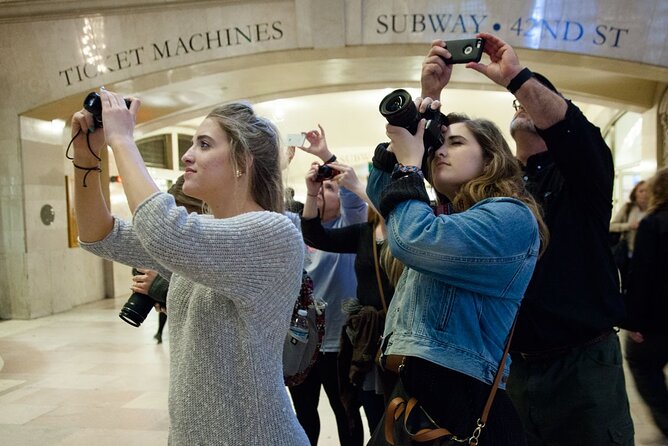
Grand Central Terminal is more than a postcard. On this Grand Central photo tour, you work the landmark like a photographer, not just a sightseer, and you learn how to spot angles and tell a story with your camera. With a pro guide, you focus on practical skills like slow shutter effects and better composition while you walk the terminal’s main spaces.
Two things I really like here: you get hands-on, on-the-spot coaching (the kind that adjusts to your level), and you shoot with a photography permit so you’re not guessing how to capture the best views. One possible drawback: you’ll get more out of it if you’re willing to tinker during the session, since the goal is learning camera technique, not only taking photos on auto-pilot.
In This Review
- Key takeaways before you go
- Grand Central Terminal, but Photographed Like a Pro
- Price and Value: What $150 Buys You in Manhattan
- Meeting at 89 E 42nd St: Timing That Works
- Stop 1: Grand Central Terminal Photo Workshop in the Real Space
- What makes Grand Central hard to photograph (and why the tour helps)
- Slow Shutter Speed: Turning Motion Into an Artistic Effect
- The 100-Foot Shot: Why This One Moment Matters
- Tripod Time: Helpful for Beginners, Essential for the Effect
- Permit Included: The Quiet Advantage You Feel During the Tour
- Coaching Style: Why Small-Group Feedback Can Beat Solo Practice
- Who Should Book This Tour (and Who Might Not)
- Practical Tips So You Get Better Photos Fast
- Quick FAQ for Grand Central Photo Tour
- FAQ
- How long is the Grand Central Photo Tour?
- What does the tour cost?
- How big is the group?
- Is a photography permit included?
- What is the meeting point?
- Do I need an admission ticket?
- Should You Book This Grand Central Photo Tour?
Key takeaways before you go
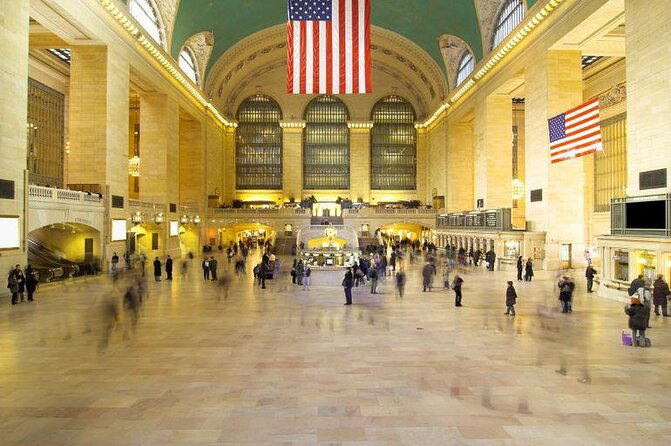
- Small group (max 8): you get real attention, not a crowd-style lecture.
- Pro photographer guide: you get feedback that helps you improve what you just shot.
- Slow shutter practice: you’ll learn how to capture the energy of the terminal with longer exposures.
- Tripod time: you’re set up to try the technique properly, not just talk about it.
- A 100-foot photo opportunity: a higher viewpoint can change how your “same place” shots look.
- Photography permit included: shooting in a major terminal is smoother and more purposeful.
More secrets of Grand Central, booked ahead
- Secrets of Grand Central Station Walking Tour New York City
★ 5.0 · 1,796 reviews - NYC: The Secrets of Grand Central Terminal
★ 4.8 · 718 reviews - NYC: Official Grand Central Terminal Tour
★ 5.0 · 458 reviews - NYC: Official Grand Central Terminal Guided Tour
★ 4.6 · 251 reviews
Grand Central Terminal, but Photographed Like a Pro
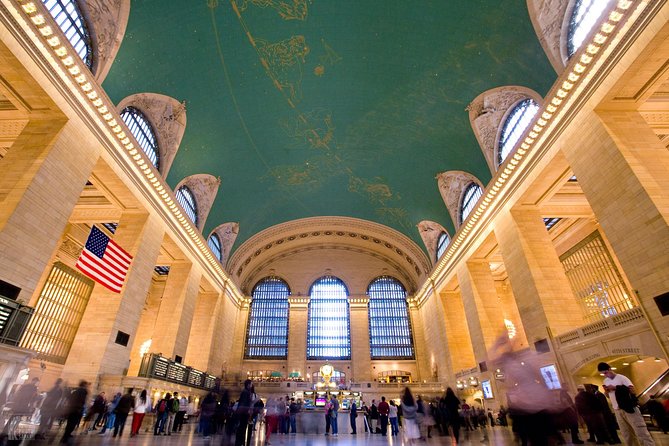
If you like New York because of details, this is a smart way to see Grand Central. You’re not just walking through a famous building. You’re learning how to see it: angles, lines, reflections, and the way light hits stone and brass.
I also like that this is built as a workshop. The format matters. Instead of you wandering and hoping to get a great shot, you’re coached while you’re still on the spot—so changes you make actually show up in your next photo.
The tour focuses on digital photography skills, and the techniques are designed for a place with motion. Grand Central has trains coming and going and people crossing the floor, so you’ll learn how to handle that reality rather than avoiding it.
Price and Value: What $150 Buys You in Manhattan
At $150 per person for about 2 hours 30 minutes, you’re paying for two things you can’t easily DIY. First is the guide’s eye—how to find a good composition quickly in a busy setting. Second is the permission side: you get a photography permit included, which helps turn “where can I shoot?” into “how do I shoot this best?”
In practical terms, the math gets better when you use the group size to your advantage. With a maximum of 8 travelers, you’re more likely to get direct help and quick troubleshooting, like choosing settings for the effect you want.
It’s also worth noting the tour includes a mobile ticket and runs at a set start time (10:00 am). That structure can be a big value in New York. You’re not spending half your experience figuring out where to meet, how to arrange your time, or what to prioritize once you’re there.
Meeting at 89 E 42nd St: Timing That Works
The tour starts at Grand Central Terminal, 89 E 42nd St and ends back at the meeting point. Starting at 10:00 am is a practical choice: you’re usually past the morning rush moment, which can help while you set up longer exposures.
If you’re coming from elsewhere in the city, the tour is near public transportation, so you won’t need a long transit puzzle. I’d still plan a few minutes early, since you’ll want time to get settled and ready before the first photo exercises begin.
Also, since the tour is adult-focused (minimum age 18) and is capped at 8 people, it’s likely to feel focused and instruction-driven rather than casual roaming.
Worth a look right next to this New York City pick:
Stop 1: Grand Central Terminal Photo Workshop in the Real Space
This is the main event: Grand Central Terminal. You’ll spend the full session working inside the terminal, and the emphasis stays on making pictures, not just hearing general facts.
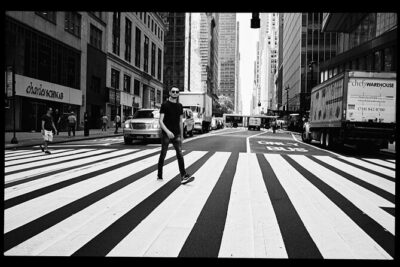
The session is set up like a workshop with walking and practice. You’ll learn how to capture the terminal’s scale and details—then you’ll work on techniques that handle crowds and motion. That matters because the photos you’ll want here aren’t static. They’re built from timing, framing, and exposure.
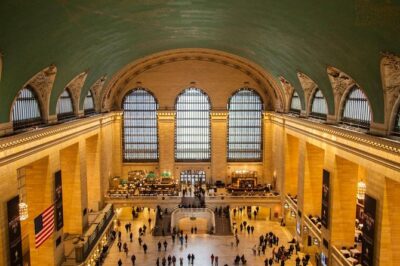
One of the more unique parts is the promise of an unobstructed photograph from about 100 feet above the main floor. That kind of viewpoint can instantly change your “I was there” photos into something more graphic—stronger perspective, clearer lines, and a different sense of depth.
Here’s the real benefit: a pro guide helps you translate that viewpoint into composition choices, so your photos don’t just look like a record. They look like a decision.
What makes Grand Central hard to photograph (and why the tour helps)
Grand Central is visually intense. You have signage, beams, floors, ceiling details, and constant movement. If you try to do it alone, you can end up with photos that are either too busy or too safe.
In this workshop, you’re guided toward choices like:
- picking a viewpoint that simplifies the scene
- using longer exposures when you want motion blur
- framing so your subject stands out in a crowded environment
And if you’ve ever gotten frustrated after taking a bunch of shots that all look similar, this type of guided practice is a good antidote.
Slow Shutter Speed: Turning Motion Into an Artistic Effect
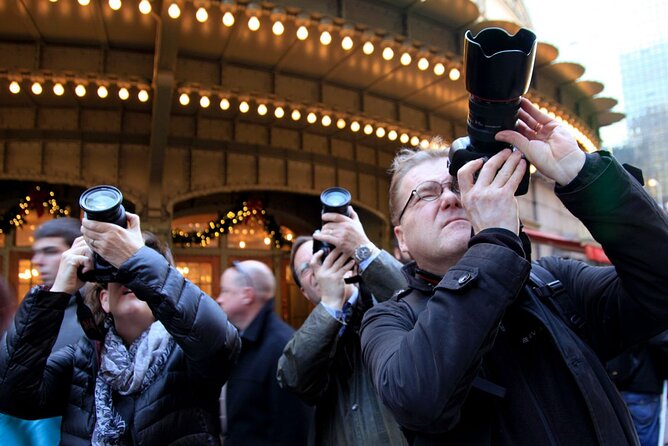
A big theme is using slow shutter speeds to capture the hustle of one of the world’s busiest transit hubs. In plain terms: instead of freezing everything, you’re letting time leave a mark on your image.
You’ll practice this concept inside an active terminal. That means you learn how to use exposure creatively while still working in real conditions—people moving, lights changing, and the constant “working transit” vibe that makes this location special.
The coaching style seems to be hands-on and individualized. In past sessions with NYC Photo Safari guides, people have highlighted feedback that fits the camera level they already have. You don’t have to feel stuck with theory that never matches what your hands are doing.
Even if you’re a beginner, the approach helps because you’re learning a technique while you’re standing in the exact environment where you’ll apply it. That’s how slow-shutter skills become real instead of staying abstract.
The 100-Foot Shot: Why This One Moment Matters
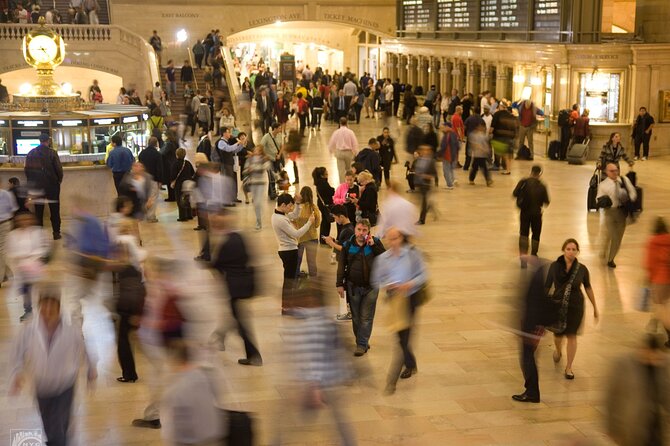
That 100-foot vantage point is one of the most value-dense pieces of the itinerary. Getting higher and finding a clean, unobstructed angle can be tough to arrange on your own in a working landmark.
When you photograph from above, three things change fast:
- perspective (lines converge differently)
- scale (the room feels larger and more structured)
- storytelling (you can show the terminal’s geometry and flow)
More importantly, the workshop setting means you can apply lessons immediately. After learning something about angles or exposure, you can test it on that higher viewpoint right away, while it’s still fresh.
If you usually photograph at eye level, this part alone can refresh how you shoot architecture and interiors.
Tripod Time: Helpful for Beginners, Essential for the Effect
The tour notes that you’re granted use of a tripod (the goal being to support the slow shutter exercise). That matters because long exposures usually mean more camera stability. A tripod turns a shaky idea into a sharp, repeatable outcome.
You don’t need fancy accessories to benefit. But you do need something steady. With tripod support, you can focus on learning the technique rather than wrestling with hand-held limitations.
This is also where the guide’s feedback becomes valuable. If you’re adjusting composition, you can tweak frame placement on a stable setup instead of fighting both camera shake and scene clutter.
Permit Included: The Quiet Advantage You Feel During the Tour
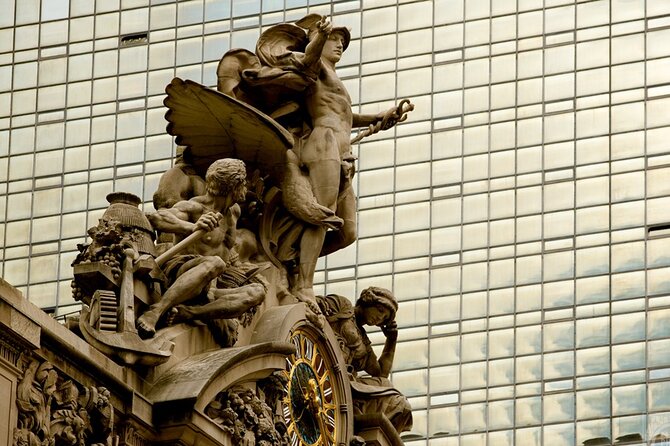
A photography permit is included, and that’s not just paperwork. It can be the difference between planning a shot and being forced to change your plan mid-session.
When you have permission, you can spend more time learning technique and less time wondering where you’re allowed to set up or how long you can stay in one spot. It also tends to keep the tour flow moving, which is important during a 2.5-hour window.
In other words, the permit helps protect your time. And time is what you’re buying with a workshop.
Coaching Style: Why Small-Group Feedback Can Beat Solo Practice
The standout praise across the experience is how instruction is delivered. People talk about guides checking in, reviewing what was captured, and offering tips to improve the next image. That kind of cycle—shoot, look, adjust, shoot again—is how you get faster.
One review described a guide named Rob as adjusting instruction to the individual level and routinely checking photos as the group walked. Another mentioned Zim teaching new camera or computer settings that many people hadn’t tried. For a Grand Central-related session, Bruce was praised as friendly, informative, and full of shooting tips.
Even though your exact guide may differ, the pattern matters: you’re not only learning settings. You’re learning how to make choices from what you’re looking at on your screen and in front of you.
If you’ve been photographing for years but feel like you’re stuck in habits, that feedback loop can be a real reset.
Who Should Book This Tour (and Who Might Not)
This tour is a strong fit if you:
- want to improve digital photography skills with real, practical exercises
- enjoy architecture and details but want a plan for how to photograph them
- like learning from a pro and getting direct feedback
- are comfortable bringing your camera and trying new settings
You might want a different kind of experience if you only want to wander for photos with no coaching involved. This is about learning techniques like slow shutter and exploring composition choices, not just taking a walk through a famous building.
If you’re traveling with someone and one person wants learning while the other wants casual sightseeing, the small-group format can help because the structure keeps everyone moving. Still, it’s best when both people are open to hands-on instruction.
Practical Tips So You Get Better Photos Fast
You’ll get the most if you come ready to experiment. Bring the camera you actually plan to use. If you have a phone that lets you control exposure or shutter-like settings, you might be able to use it, but the workshop is framed around digital photography and camera technique.
Wear comfortable shoes. Grand Central is indoors, but you’ll still be moving around to change viewpoints. And when you’re setting up a tripod, you want to be able to reposition without turning the session into a chore.
Finally, be ready for quick feedback. A good workshop doesn’t just teach. It corrects. If a tip feels small, try it anyway for the next shot. That’s how you end up with noticeably better photos by the end.
Quick FAQ for Grand Central Photo Tour
FAQ
How long is the Grand Central Photo Tour?
It runs for about 2 hours 30 minutes.
What does the tour cost?
The price is $150.00 per person.
How big is the group?
The tour has a maximum of 8 travelers.
Is a photography permit included?
Yes. A photography permit is included.
What is the meeting point?
You meet at Grand Central Terminal, 89 E 42nd St, New York, NY 10017.
Do I need an admission ticket?
The information provided lists admission as free, and the tour includes a photography permit.
Should You Book This Grand Central Photo Tour?
If you want more than “standing in front of a landmark,” I’d book it. The value comes from the tight format: small group, pro guide coaching, slow shutter practice, and a tripod plus permit support that makes the shooting part easier.
It’s also a smart choice for beginners, since the focus is beginner-friendly and you get hands-on instruction. And if you already know your camera, the feedback style and composition focus can still help you break out of habits.
If you want a guided, photo-first way to experience Grand Central Terminal, this is one of the more practical options in New York.
More Tours in New York City
- Statue of Liberty and Ellis Island Tour: All Options★ 5.0 · 13,571 reviews
- New York in One Day Guided Sightseeing Tour★ 5.0 · 13,166 reviews
- Central Park Pedicab Guided Tours★ 5.0 · 7,108 reviews
- New York City: Manhattan Helicopter Tour★ 4.7 · 7,076 reviews
- Private Central Park Pedicab Tour★ 5.0 · 6,981 reviews
More Tour Reviews in New York City
- NYC: SUMMIT One Vanderbilt Tickets★ 4.7 · 51,195 reviews
- NYC: Empire State Building Tickets – Observatory & Museum★ 4.7 · 25,757 reviews
- New York City: Statue of Liberty & Ellis Island with Ferry★ 4.6 · 18,683 reviews
- New York City: American Museum of Natural History Ticket★ 4.5 · 15,447 reviews
- Statue of Liberty and Ellis Island Tour: All Options★ 5.0 · 13,571 reviews
Under the Clock: More Grand Central
- Secrets of Grand Central Station Walking Tour New York City★ 5.0 · 1,796 reviews
- NYC: The Secrets of Grand Central Terminal★ 4.8 · 718 reviews
- NYC: Official Grand Central Terminal Tour★ 5.0 · 458 reviews
- NYC: Official Grand Central Terminal Guided Tour★ 4.6 · 251 reviews
- SUMMIT One Vanderbilt with Grand Central Terminal Tour★ 4.1 · 98 reviews
Just in: the newest New York City reviews on our desk




Grand Central Terminal Tours, compared.
 ★ 5.0Secrets of Grand Central Station Walking Tour New York CityFrom $391,796 reviews
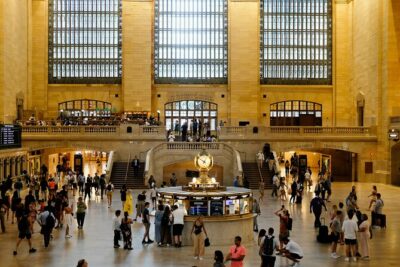
 ★ 4.8The Secrets of Grand Central TerminalFrom $39718 reviews
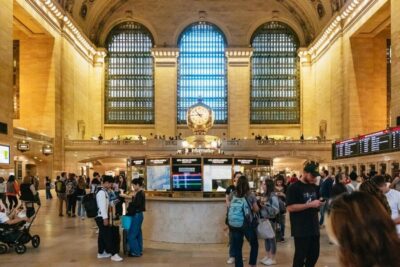
 ★ 5.0Official Grand Central Terminal TourFrom $39458 reviews
 ★ 4.6Official Grand Central Terminal Guided TourFrom $39251 reviews
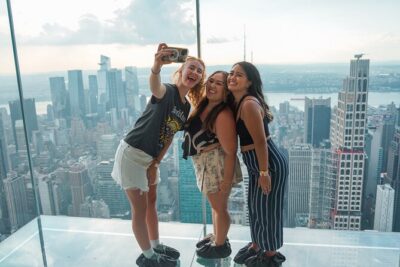 ★ 4.1SUMMIT One Vanderbilt with Grand Central Terminal TourFrom $11998 reviews
 ★ 5.0NYC Secrets of Grand Central Private Walking TourFrom $15681 reviews
 ★ 5.0Best NYC Sightseeing Tour: Times Square, Grand Central, & More46 reviews
 ★ 4.4SUMMIT One Vanderbilt Ticket and Grand Central TourFrom $13527 reviews
Browse the lists this tour appears in