
Reviewed · GREENWICH VILLAGE TOURS
Greenwich Village Tour
Greenwich Village changes fast, so you need context. This 2-hour walking tour threads together activism, literature, music, and labor history in a compact route, starting at 6th Avenue and Waverly Place. The best part is how the guide turns street corners into stories you can actually picture.
I love the focus on Washington Square Park and what it became over time, from a grim early chapter to a place for musicians and protesters. I also love the way the tour pairs big turning points with real addresses, like the Brown Building tied to the Triangle Shirtwaist Factory Fire and the nearby streets that shaped arts culture.
One drawback to plan for: it’s still a walking tour, and the pace can feel like a lot if you want long stops to sit and read every plaque. Wear comfy shoes, and dress for the weather since the route runs in most conditions.
In This Review
- Key takeaways
- First Step: Why the 6th Ave and Waverly Place Start Matters
- Edgar Allan Poe and Washington Square Hotel: Literature Meets City Life
- Washington Square Park: From Potter’s Field to Protest Stage
- Brown Building and the Triangle Shirtwaist Factory Fire: Labor History Up Close
- McDougal Street: Cafes, Comedy, and Where Arts Culture Shaped the Neighborhood
- Christopher Street and Stonewall Inn: 1969 and the Start of a Movement
- How the 2 Hours Work on Foot (and Why Pace Matters)
- What You’ll Actually Hear the Guide Say (What Makes It Feel Worth It)
- Value and Pricing: Is $47 Worth a 2-Hour Walking Tour?
- Practical Tips Before You Go (So You Don’t Get Frustrated)
- Should You Book the Greenwich Village Tour?
- FAQ
- FAQ
- Where does the Greenwich Village tour meet?
- How long is the tour?
- How big is the group?
- Is the tour wheelchair accessible?
- What places do we visit during the tour?
- What should I bring?
- Are pets allowed on the tour?
- What is the cancellation policy?
Key takeaways
- Small group (up to 10) makes it easier to hear the guide and ask questions.
- Start point at Waverly Diner on 6th Ave and Waverly Place gets you oriented right away.
- Washington Square Park is treated as a story, not just a photo stop.
- Brown Building / Triangle Shirtwaist context connects neighborhoods to real national change.
- McDougal Street stops include famous music and comedy addresses like Cafe Wha, Cafe Reggio, and the Comedy Cellar.
- Stonewall Inn brings the 1969 riot and the start of the modern U.S. gay rights movement into sharp focus.
More laps around the Village
- NYC: Greenwich Village Food Tour with 6 Locals Favorites Dishes
★ 5.0 · 1,812 reviews - Greenwich Village Walking and Food Tasting Tour
★ 5.0 · 1,572 reviews - Artistic, Alternative Greenwich Village Walking Tour
★ 5.0 · 971 reviews - NYC Greenwich Village Italian Food Guided Walking Tour
★ 5.0 · 627 reviews
First Step: Why the 6th Ave and Waverly Place Start Matters
The tour begins at the corner of 6th Avenue and Waverly Place, right in the pulse of Greenwich Village. That location isn’t random. It’s a clean jumping-off point for understanding how the Village “works” as a neighborhood: close streets, walkable blocks, and a mix of old homes, busy nightlife, and political energy that never totally disappears.
I like starting here because you get an immediate sense of what you’re about to see. You’re not guessing how all these famous sites connect. The guide sets up the neighborhood themes early—literature, activism, and the arts—and then you start walking.
On the guide side, the strongest signals from past groups are the energy and storytelling style. Names that come up again and again include Joel, Conor, and Percy, with praise for turning history into something you can follow without getting lost in dates.
Edgar Allan Poe and Washington Square Hotel: Literature Meets City Life
Before you get into the park and protest history, you head toward the Edgar Allan Poe house area and the Washington Square Hotel. Even if you’re not a Poe superfan, you’ll leave with a better sense of why the Village attracted writers and thinkers—and why those addresses still matter.
This part of the walk works as a breather and a setup. You’re seeing the Village as a place where people lived their thoughts, not just where tourists stop for pictures. You also get a feel for the neighborhood’s layering: the Village doesn’t just look old; it behaves like a living timeline.
A practical note: if you tend to zigzag for photos, watch the group rhythm here. Early in the tour is when you’ll get the most “map in your head” benefit, so stay with the guide and don’t over-delay at the first few exterior stops.
Washington Square Park: From Potter’s Field to Protest Stage
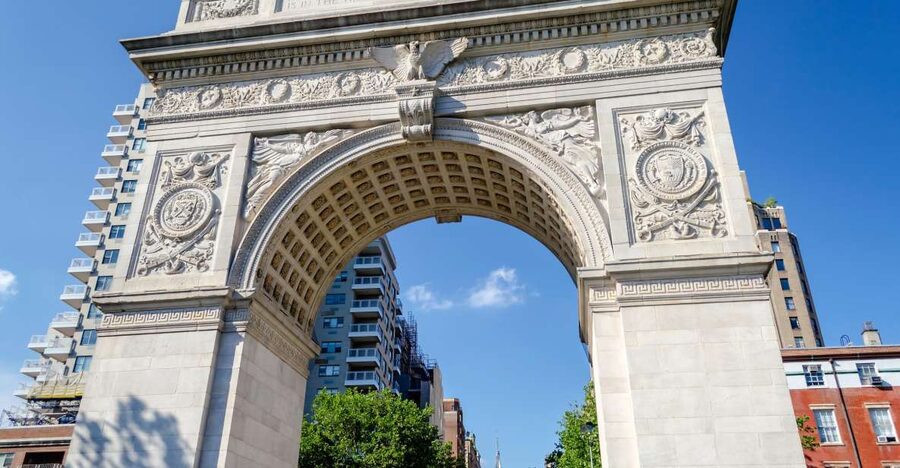
One of the biggest anchors of this tour is Washington Square Park. You’re told it’s a former potter’s field, which gives the space a weight that most people miss when they just think of it as a gathering spot. Then the guide explains how the park and the surrounding area became a destination for musicians and protesters.
That shift—graveyard past to public stage—makes the Village feel more honest. You’re not just seeing “cool New York.” You’re seeing how a neighborhood absorbs changes and keeps a public voice. And once you understand that, the park becomes easier to read while you walk past it later on your own.
This stop also tends to be where the tour’s tone clicks. If you enjoy history that connects to real street culture, this is where you’ll feel it. The tour treats music and protest as part of the same continuum: voices pushing into public space.




Brown Building and the Triangle Shirtwaist Factory Fire: Labor History Up Close
Next comes a major historical stop: the Brown Building, linked to the Triangle Shirtwaist Factory Fire in 1911. The guide frames it as an event that fueled the American labor movement, and that context matters. In other words, you’re not just hearing about tragedy; you’re hearing how it changed what workers demanded afterward.
This is one of those places where the guide’s narration quality really shows. A strong guide doesn’t bury you in details, and the tour format helps. You get enough to understand why the Village—and the city—had to reckon with worker safety and rights, but you’re not stuck in a museum pace.
Possible drawback here: if you prefer your history mostly framed through lifestyle and art, this segment may feel heavier than the nightlife stops. On the flip side, it’s also the stop that makes the rest of the tour make more sense, especially once you see later activism at Stonewall.
McDougal Street: Cafes, Comedy, and Where Arts Culture Shaped the Neighborhood
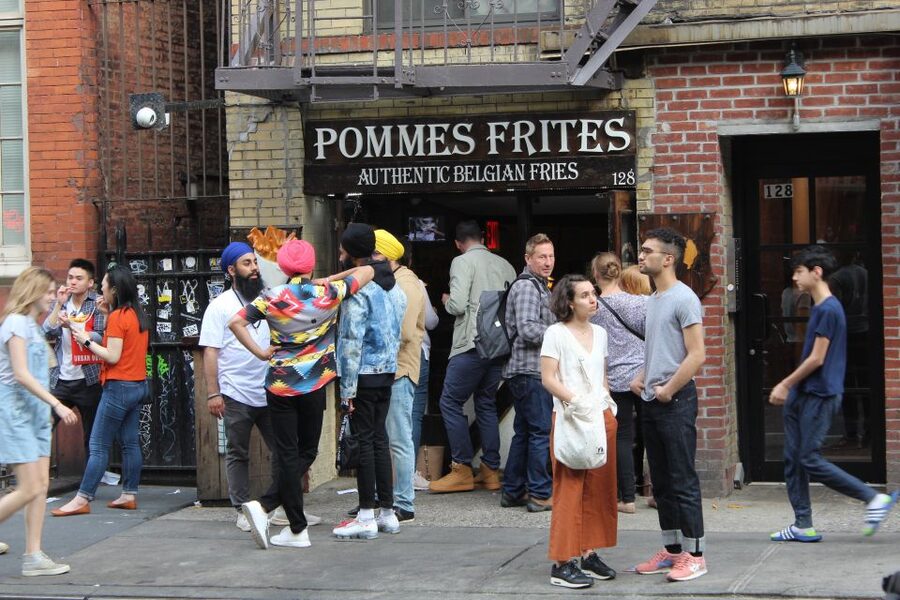
After the labor-history weight, the route shifts into arts culture along McDougal Street. This is where Greenwich Village starts to feel like a name you’ve heard before—because you’re walking by institutions.
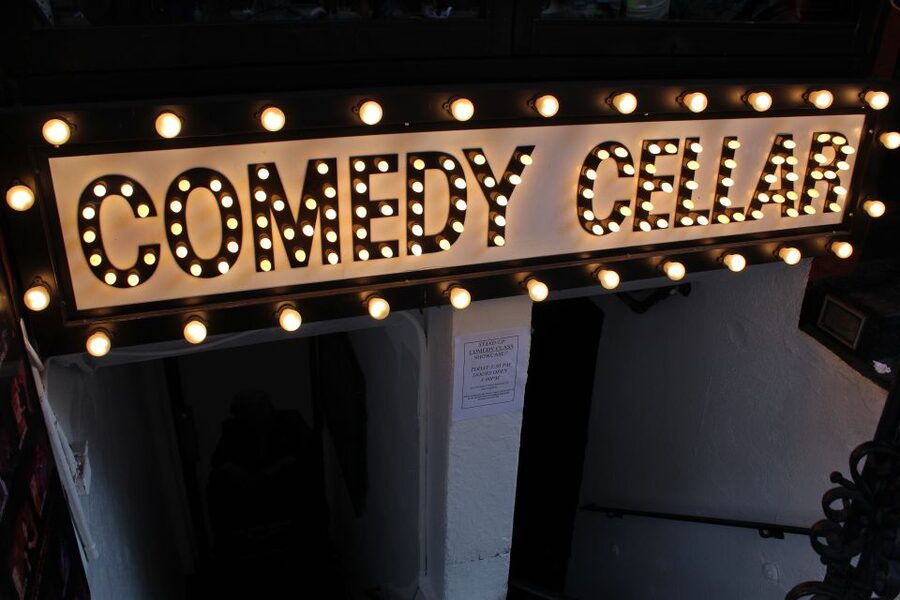
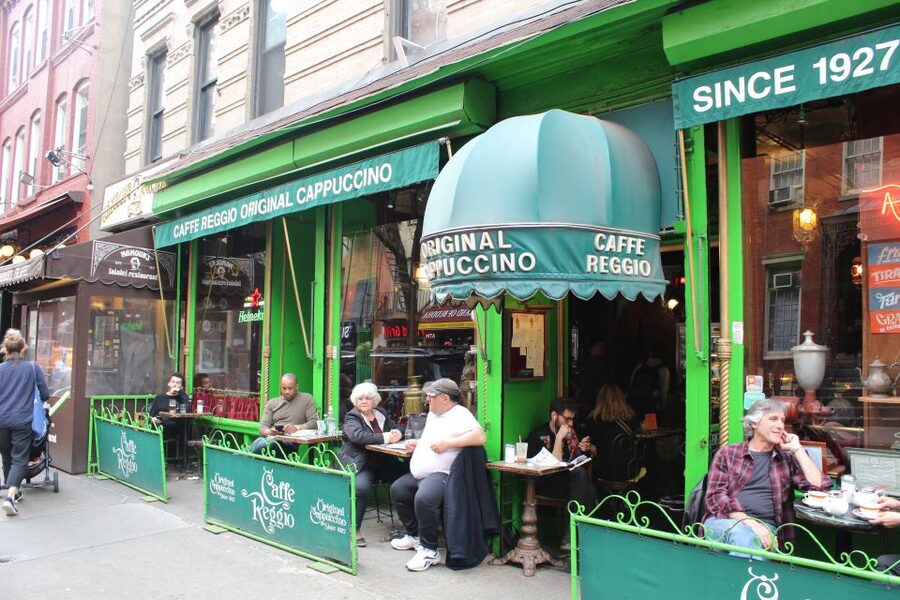
The tour points out Cafe Wha, Cafe Reggio, and the Comedy Cellar. These are exactly the kind of addresses that make a neighborhood tour worth paying for. You can walk this area on your own, but without a guide you’d likely just register the vibe. With the guide, you get the why behind the vibe.
One specific detail that’s part of the tour’s pitch: you learn where the best pizza in NYC is sold. That kind of tip is small, but it’s practical. A walking tour should do more than point. It should help you eat well in the same neighborhood you’re exploring.
What to watch for: McDougal Street can be lively. If you’re sensitive to noise or crowds, keep an eye on your timing within the group. The tour keeps moving for a reason—it’s trying to fit activism, labor, and entertainment into a tight 2-hour window.
Christopher Street and Stonewall Inn: 1969 and the Start of a Movement
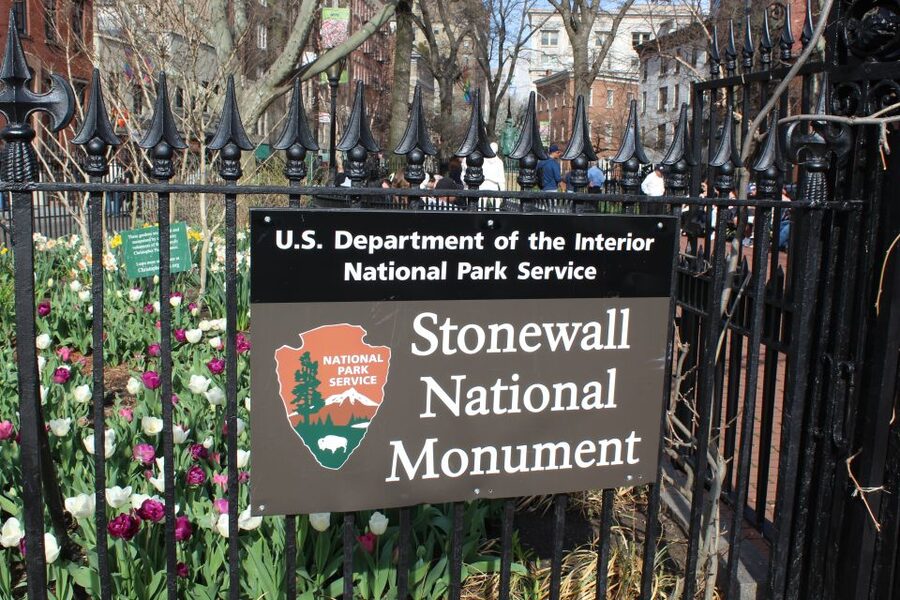
The finale leans into the most famous Village story of all: the Stonewall Inn on Christopher Street. The tour discusses the 1969 riot and explains how it began America’s Gay Rights Movement.
This stop is emotionally different from the others. Washington Square Park is about public voice, and the Triangle Shirtwaist story is about workers demanding change. Stonewall ties those strands together into a modern civil rights framework. That’s the payoff: the neighborhood feels less like a set of attractions and more like a set of chapters.
Even if you’ve read about Stonewall before, the street-level approach helps. You’re not just learning the headline; you’re learning the geography of where it happened and why the Village became a symbol far beyond its borders.
If you’re planning photos afterward, give yourself a few minutes. Stonewall’s importance tends to make people pause, and that’s okay. Just don’t lose the group if you’re using your phone for pictures.
How the 2 Hours Work on Foot (and Why Pace Matters)
The tour runs for 2 hours, and that time limit shapes everything. You get a focused line through the Village, with a mix of stops that feel historical, literary, and cultural. That’s ideal if you want a quick overview that still has real substance.
The small group size—limited to 10 participants—also helps the pace. With fewer people, it’s easier to keep the conversation going while you walk, and it’s more likely you’ll actually hear the guide’s points at each exterior stop.
Who this fits best:
- First-timers who want a guided “map” of Greenwich Village
- Visitors who like activism and culture side by side
- People who prefer walking tours that hit major landmarks without turning into a half-day slog
Who might find it less perfect:
- If you want deep, museum-style reading at each site, 2 hours may feel fast.
- If heavy topics aren’t your thing, you’ll still cover them, especially around Triangle Shirtwaist and Stonewall.
What You’ll Actually Hear the Guide Say (What Makes It Feel Worth It)
Across the strongest past feedback, one theme comes through: the guides make the tour informative and entertaining, not dry. Names that repeatedly show up with high praise include Conor, Percy, Liz, Claire, Rory, Gabby, James, and Sean—each singled out for detailed storytelling and a good sense of pacing.
That matters more than you’d think. Greenwich Village is famous for looking “cool,” but the real value is interpretation. A good guide connects the dots between:
- public space and protest at Washington Square Park
- worker rights and national change tied to the Triangle Shirtwaist tragedy
- arts venues on McDougal Street and why certain neighborhoods attract creators
- Stonewall’s riot and the birth of a rights movement
So if you’re wondering whether this is just a list of stops, don’t worry. The structure is built to tell a story as you walk.
Value and Pricing: Is $47 Worth a 2-Hour Walking Tour?
At $47 per person for 2 hours with a live local guide, this sits in the “solid value” category for New York. The price is easier to justify because you’re not just buying access to famous locations—you’re paying for:
- context you won’t get from quick sightseeing
- a guided route that keeps you from wasting time
- a small group experience with limited spots
Also, Greenwich Village is expensive in general. Any tour that helps you see more than one iconic area in a short time can pay off quickly, especially if you’d otherwise have to spend time mapping it yourself.
If you’re traveling with limited time in Manhattan, a 2-hour overview is a smart use of your day.
Practical Tips Before You Go (So You Don’t Get Frustrated)
The biggest practical advice is straightforward: comfortable shoes. This tour includes a reasonable amount of walking, and you’ll be standing and moving through city blocks.
Dress for weather. The tour operates in most conditions, and there’s also a possibility it could be canceled due to unfavorable weather, with an option for an alternative date or a full refund. Either way, plan to be outside, so bring layers.
Group rules matter too. Pets aren’t allowed, and there are restrictions on weapons/sharp objects, oversize luggage, and large bags. If you choose not to follow the guide’s instructions, you’re not guaranteed to be reunited with the group, so it’s worth staying close.
Wheelchair accessibility is listed, and the group stays small, which generally helps the logistics of a walking route.
Should You Book the Greenwich Village Tour?
I’d book this if you want a tight, high-impact orientation to Greenwich Village with real historical anchors. The combination of Washington Square Park, the Triangle Shirtwaist connection at the Brown Building, the arts stops on McDougal Street, and the Stonewall Inn finale gives you a neighborhood story that’s more than postcards.
Skip it only if you already know these topics and want a quieter, unstructured wandering day. Since it’s only 2 hours, you won’t get the kind of slow pacing you might prefer for photo-heavy, do-everything sightseeing.
FAQ
FAQ
Where does the Greenwich Village tour meet?
The tour meets in front of Waverly Diner on the corner of 6th Avenue and Waverly Place.
How long is the tour?
The duration is 2 hours.
How big is the group?
This is a small group limited to 10 participants.
Is the tour wheelchair accessible?
Yes, the tour is listed as wheelchair accessible.
What places do we visit during the tour?
You’ll pass by or visit Washington Square Park, the Brown Building tied to the Triangle Shirtwaist Factory Fire, the Edgar Allan Poe house area, the Washington Square Hotel, stops on McDougal Street including Cafe Wha, Cafe Reggio, and the Comedy Cellar, and end at Stonewall Inn on Christopher Street.
What should I bring?
Bring comfortable shoes.
Are pets allowed on the tour?
No, pets are not allowed.
What is the cancellation policy?
You can cancel up to 24 hours in advance for a full refund.
More Tours in New York City
- Statue of Liberty and Ellis Island Tour: All Options★ 5.0 · 13,571 reviews
- New York in One Day Guided Sightseeing Tour★ 5.0 · 13,166 reviews
- Central Park Pedicab Guided Tours★ 5.0 · 7,108 reviews
- New York City: Manhattan Helicopter Tour★ 4.7 · 7,076 reviews
- Private Central Park Pedicab Tour★ 5.0 · 6,981 reviews
More Tour Reviews in New York City
- NYC: SUMMIT One Vanderbilt Tickets★ 4.7 · 51,195 reviews
- NYC: Empire State Building Tickets – Observatory & Museum★ 4.7 · 25,757 reviews
- New York City: Statue of Liberty & Ellis Island with Ferry★ 4.6 · 18,683 reviews
- New York City: American Museum of Natural History Ticket★ 4.5 · 15,447 reviews
- Statue of Liberty and Ellis Island Tour: All Options★ 5.0 · 13,571 reviews
Still in the Village
- NYC: Greenwich Village Food Tour with 6 Locals Favorites Dishes★ 5.0 · 1,812 reviews
- Greenwich Village Walking and Food Tasting Tour★ 5.0 · 1,572 reviews
- Artistic, Alternative Greenwich Village Walking Tour★ 5.0 · 971 reviews
- NYC Greenwich Village Italian Food Guided Walking Tour★ 5.0 · 627 reviews
- Greenwich Village Food Tour | Tasty Tours NYC★ 5.0 · 549 reviews
Just in: the newest New York City reviews on our desk




Greenwich Village Tours, compared.
 ★ 5.0Greenwich Village Food Tour with 6 Locals Favorites DishesFrom $971,812 reviews
 ★ 5.0Greenwich Village Walking and Food Tasting TourFrom $941,572 reviews
 ★ 5.0Artistic, Alternative Greenwich Village Walking TourFrom $39971 reviews
 ★ 5.0NYC Greenwich Village Italian Food Guided Walking TourFrom $89627 reviews
 ★ 5.0Greenwich Village Food Tour | Tasty Tours NYCFrom $79549 reviews
 ★ 4.5New York City Ghost Tour of Greenwich VillageFrom $39466 reviews
 ★ 5.0High Line Park and Greenwich Village Food TourFrom $159398 reviews
 ★ 4.8Greenwich Village Guided Walking TourFrom $39300 reviews
Browse the lists this tour appears in