
Reviewed · HARLEM TOURS
Half-Day Civil Rights Walking Tour in Harlem with Lunch
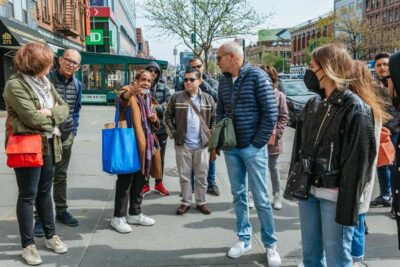
Malcolm X Blvd turns into a living classroom. This half-day Harlem walk connects the civil rights movement to the neighborhood you see today, with stops tied to famous leaders, major moments, and the churches where people organized and spoke up. You’ll move at an easy group pace and get a clear through-line from national events to local impact, with Harlem Riots and the March on Washington connection explained in plain, human terms.
I especially like how the tour centers on churches and leaders instead of just statues and dates. And the included lunch after the walking part gives you a natural pause to keep the conversation going with your guide and group.
One consideration: you’ll be on your feet for about 3 hours and the activity calls for moderate physical fitness, so wear comfortable shoes and don’t plan tight connections right after. Weather matters too, since the tour runs in good conditions.
In This Review
- Key Highlights That Make This Tour Worth Your Time
- Why This Civil Rights Walk Works in Harlem
- Getting There: Start on Malcolm X Blvd, Not in a Waiting Room
- 1) Temple No. 7 and Malcolm X: The Stop That Sets the Stage
- 2) Wyatt Tee Walker and Church Leadership You Can’t Ignore
- 3) Waldorf of Harlem Hotel Stop: Where Harlem Met the World
- 4) Langston Hughes Home: Culture as Pressure and Proof
- 5) Schomburg Center: The Free 15-Minute Reset You’ll Appreciate
- 6) The Freedom Church: Paul Robeson’s Anti-Discrimination Advocacy
- 7) Adam Clayton Powell, Jr. and Sr.: Building Power at Home
- The Lunch Portion: Why It’s More Than a Free Meal
- March on Washington and Harlem Riots: The Story Thread That Holds It Together
- Price and Value: Is $82 for a 3-Hour Walk Fair?
- Small-Group Size: The Difference You Feel on the Sidewalk
- Who Should Book This Tour
- What I’d Watch For Before You Go
- Should You Book This Harlem Civil Rights Walking Tour?
- FAQ
- How long is the Half-Day Civil Rights Walking Tour in Harlem with Lunch?
- What’s the tour starting location and where does it end?
- What time does the tour start?
- Is lunch included in the price?
- Is the tour only offered in English?
- Does the Schomburg Center stop have free admission?
- What’s the group size limit?
- Do I need to bring cash for tips?
- What’s the cancellation policy?
Key Highlights That Make This Tour Worth Your Time
- Malcolm X’s original Temple No. 7 stop, setting the tone for the whole tour
- Wyatt Tee Walker connection through a church led by him
- Schomburg Center for Research in Black Culture with free ticket entry for your stop
- Paul Robeson’s Freedom Church link, including his anti-discrimination advocacy
- Langston Hughes home and the cultural thread across Harlem
- Lunch included after the walking portion in the neighborhood
More of Harlem, from gospel to soul food
- NYC Highlights Tour: Bronx, Brooklyn, Harlem, Queens & Coney
★ 4.5 · 2,846 reviews - NYC: Contrasts Tour of Harlem, The Bronx, Queens & Brooklyn
★ 4.5 · 2,167 reviews - NYC: Harlem Hallelujah! Gospel Wednesday Concert
★ 4.7 · 1,638 reviews - New York City: Harlem Gospel Live Music Concert
★ 4.7 · 1,479 reviews
Why This Civil Rights Walk Works in Harlem
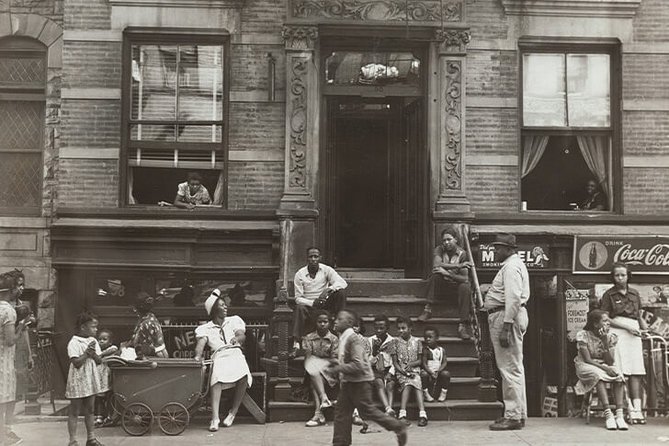
Harlem can feel like a lot of different things at once: music, literature, religion, pride, and protest. What I like about this tour is the way it organizes all of that into a route that makes sense. You’re not just looking at buildings. You’re learning how communities built pressure, support, and voice.
The best civil rights tours help you understand the pattern behind the headlines. Here, you get that through stops connected to real people and real institutions—especially churches—plus a map-like explanation of how Harlem’s story ties into larger national moments.
Getting There: Start on Malcolm X Blvd, Not in a Waiting Room
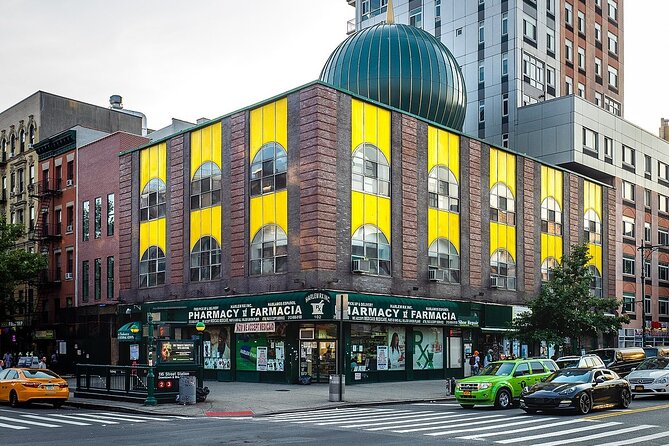
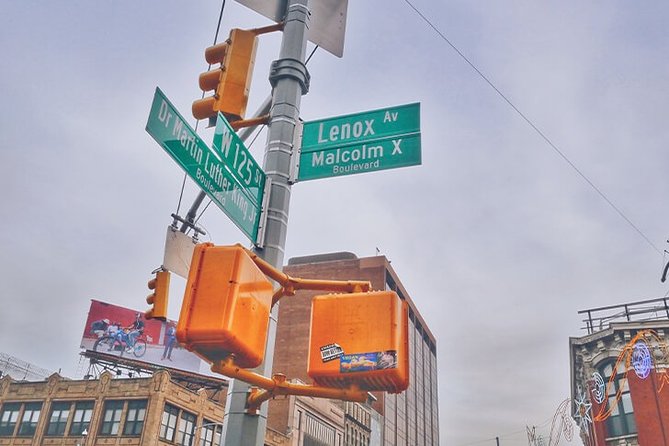
The walk starts at 130 Malcolm X Blvd, New York, NY 10026, with the tour ending around 515 Malcolm X Blvd, New York, NY 10037. It begins at 11:00 am and runs about 3 hours.
That matters more than you’d think. Starting and ending on Malcolm X Blvd keeps the route logical, and it reduces the chance you’re scrambling at the last minute. The tour is also described as near public transportation, so you’re not stuck coordinating a complicated arrival plan.
You’ll use a mobile ticket, which is convenient if you already live in your phone. Just make sure your screen brightness is decent and your ticket is accessible before you start walking.
1) Temple No. 7 and Malcolm X: The Stop That Sets the Stage
One of the first stops is tied to the original Temple No. 7 led by Malcolm X. This is the kind of location that anchors the whole theme of the tour: activism wasn’t abstract. It was organized in specific spaces, by specific people.
Even if you’re already familiar with Malcolm X as a figure, you’ll get more context by starting here. The tour frames the surrounding story as an evolving conversation about justice, dignity, and strategy—then it keeps that same tone as you move.
What to watch for: pay attention to how the guide connects leadership and community building to the physical spaces you’re seeing. When you get that link early, the later stops land harder.
New York City at street level, a few more walks


2) Wyatt Tee Walker and Church Leadership You Can’t Ignore
Next comes a church stop led by Wyatt Tee Walker. This isn’t just name-dropping; the tour uses this connection to show how civil rights organizing involved networks of leadership inside religious institutions.
Churches in Harlem weren’t only places for worship. They were communication hubs, meeting rooms, and platforms for moral argument. This stop helps you see the movement’s structure rather than just its outcomes.
Why this matters for you: if you want context that goes beyond the famous speeches, this is where it clicks. You learn how many different roles had to work together—spiritual leadership, organizing work, and community support.
3) Waldorf of Harlem Hotel Stop: Where Harlem Met the World
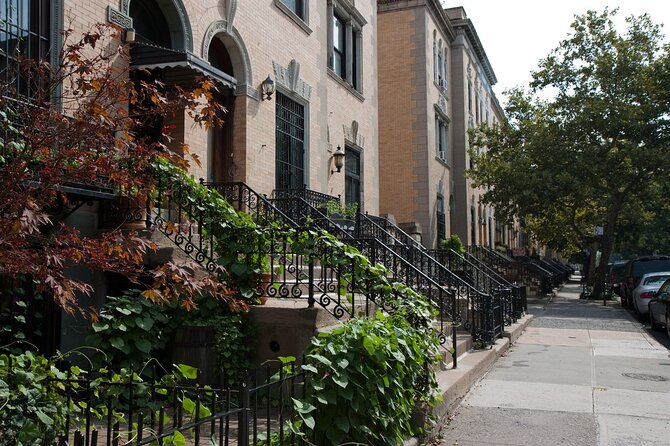
The tour also passes a landmark described as the premier hotel in Harlem, known as the Waldorf of Harlem. This kind of stop widens your view beyond protest alone.
Harlem’s civil rights story isn’t separate from the neighborhood’s public life—where people gathered, where the outside world came in, and how opportunity and exclusion played out in everyday settings. A major hotel in a major neighborhood is a reminder that civil rights weren’t only about courtrooms and marches. They were also about how society treated Black life in mainstream spaces.
Potential drawback: if you prefer strictly religious or strictly political stops, this portion may feel more like social history than direct civil rights action. Still, it supports the bigger “how power worked” storyline.
4) Langston Hughes Home: Culture as Pressure and Proof
Then you reach the home of Langston Hughes. Poetry and writing may not look like “movement work” at first glance, but this stop helps you understand culture as both resistance and documentation. When the world tries to erase your voice, art becomes evidence that a community exists—and insists on being seen accurately.
Hughes is a strong anchor for that idea. You start to notice a pattern: this tour treats literature, leadership, and organizing as different parts of the same system of influence.
5) Schomburg Center: The Free 15-Minute Reset You’ll Appreciate
At Schomburg Center for Research in Black Culture, you get about 15 minutes and admission is free for this stop. The center is presented as a world-leading institution for African-American culture, and that description fits the way the stop functions on the tour: it’s your short mental reset.
This is a good moment to catch your breath, refocus, and take in the bigger cultural framework—because the walk keeps moving through specific leaders and incidents afterward. A quick, focused museum stop makes the rest of the route easier to follow.
Practical tip: if you like photos, this is the stop where I’d slow down. It’s short, and it’s a high-value pause.
6) The Freedom Church: Paul Robeson’s Anti-Discrimination Advocacy
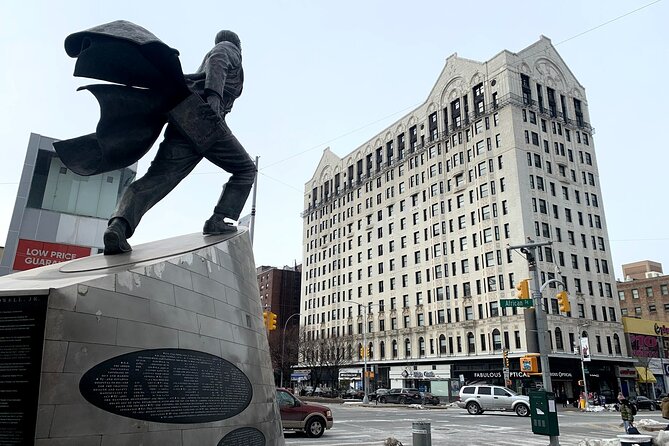
Another key stop is known as the Freedom Church, tied to Paul Robeson. The tour notes that Robeson attended church services and spoke out against discrimination.
This is one of the more powerful idea-to-location links on the route. Robeson isn’t only remembered for music or acting; here you’re reminded that he used public visibility to challenge injustice, and church community was part of that moral stance.
Why it hits: the tour keeps returning to a theme that you can see in the neighborhood today: faith wasn’t only private comfort. It was public responsibility.
7) Adam Clayton Powell, Jr. and Sr.: Building Power at Home
The route also includes the house built by Adam Clayton Powell, Jr. and Sr. That stop brings the story back to family legacy and local influence.
It’s a reminder that some leaders didn’t just argue for change. They also shaped institutions and community stability—starting from where they lived, gathered, and connected.
By the time you reach this point, you’ve already moved through churches and cultural anchors, so the Powell stop helps pull those threads together. You start to see Harlem civil rights leadership not as isolated events, but as a chain of strategy and community building.
The Lunch Portion: Why It’s More Than a Free Meal
Lunch is included, served after the tour in the neighborhood. I like tours that include food because you end up with a longer conversation than you get during the walking stops.
Even though the exact lunch details aren’t spelled out here, the structure is clear: you finish the walking portion, then you eat close enough to stay in context. That’s a smart way to keep the experience cohesive. It’s also a practical win if you’re visiting on a day where you don’t want to hunt down a solid meal plan.
What you should do: if you have dietary needs, check with the provider when you book, since “lunch included” can still vary in what choices are available.
March on Washington and Harlem Riots: The Story Thread That Holds It Together
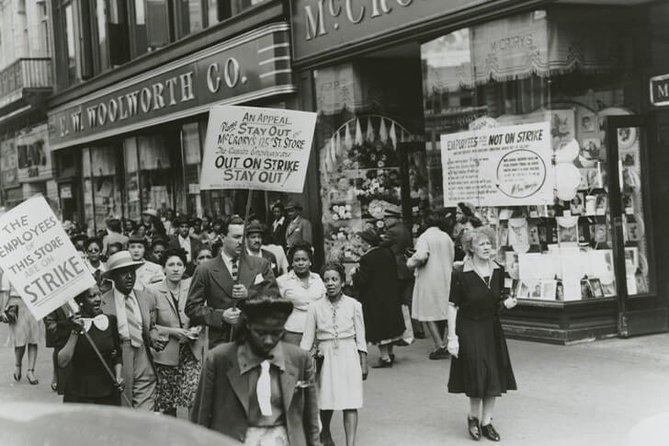
The tour highlights Harlem’s connection to the March on Washington and explains what happened during the two Harlem Riots. Those aren’t just lesson topics; they’re the connective tissue that helps you understand why these Harlem stops matter.
National actions shaped local energy. Local conditions also shaped how people demanded change. When the guide connects the two—especially through churches, leaders, and community institutions—the route feels less like trivia and more like cause-and-effect.
If you only remember one thing: the civil rights movement wasn’t one straight line. It was push and response, hope and backlash, organizing and consequence—all happening in real neighborhoods.
Price and Value: Is $82 for a 3-Hour Walk Fair?
At $82 per person, you’re paying for more than walking guidance. You get a structured route with key civil rights and culture stops, free-entry Schomburg time, and lunch included. Admission alone at many museums can eat into a half-day budget quickly, and lunch in Manhattan neighborhoods isn’t usually cheap.
This is also positioned as a small-group experience with a maximum of 30 travelers. Smaller groups often mean better pacing and more room for the guide to answer your questions without turning the walk into a crowded lecture.
So is it a bargain? It’s not the lowest-cost Harlem activity, but with lunch and included entry for the Schomburg stop, it prices like an experience, not just a stroll.
Small-Group Size: The Difference You Feel on the Sidewalk
A maximum group size of 30 sounds modest, but on city sidewalks it can be the difference between a conversation you can actually hear and a line you have to fight to keep up with.
This tour also notes a moderate physical fitness level. That’s not “no worries,” but it also isn’t extreme. I treat this as: plan for steady walking, not a slow sightseeing crawl where you stop every 30 seconds.
Who Should Book This Tour
This is a great fit if you want:
- a focused half-day plan in Harlem that connects leadership, churches, and national events
- context that makes the neighborhood feel more readable as you walk it
- a guide who can explain why certain locations mattered, not just who lived there
If you’re traveling with someone who loves history but gets lost in long museum explanations, this format can be perfect: short stops, strong themes, and a lunch finish.
What I’d Watch For Before You Go
The tour runs in good weather, and you’ll be walking for about three hours. So on days with rain or extreme heat, it may be rescheduled or canceled.
Also, since tips aren’t included, you’ll want to budget for that. And because lunch is included after the tour, don’t plan a second meal “right away” nearby unless you’re okay with a delay.
Should You Book This Harlem Civil Rights Walking Tour?
Yes, you should book it if you want Harlem civil rights context that feels grounded in real places: churches led by major figures, a strong cultural stop at Schomburg, and a clear explanation of Harlem’s connection to bigger national moments. The included lunch is a genuine bonus, and the small-group format helps the tour feel more personal.
I’d skip it only if you’re looking for a purely casual Harlem food-and-shopping walk with minimal history. This one is history-forward, and that’s exactly why it’s worth your time.
FAQ
How long is the Half-Day Civil Rights Walking Tour in Harlem with Lunch?
It’s listed as about 3 hours.
What’s the tour starting location and where does it end?
The meeting point is 130 Malcolm X Blvd, New York, NY 10026, and the tour ends around 515 Malcolm X Blvd, New York, NY 10037.
What time does the tour start?
The start time is 11:00 am.
Is lunch included in the price?
Yes. Lunch is included, served after the tour in the neighborhood.
Is the tour only offered in English?
Yes. The tour is offered in English.
Does the Schomburg Center stop have free admission?
Yes. The Schomburg Center for Research in Black Culture stop is listed with free admission for the ticket portion of the experience.
What’s the group size limit?
The experience has a maximum of 30 travelers.
Do I need to bring cash for tips?
Tips are not included. You’ll want to plan for tipping, since tips are not listed as included.
What’s the cancellation policy?
You can cancel for a full refund if you cancel up to 24 hours in advance of the experience start time. It also notes that the tour requires good weather; if it’s canceled due to poor weather, you’ll be offered a different date or a full refund.
More Tour Reviews in New York City
- NYC: SUMMIT One Vanderbilt Tickets★ 4.7 · 51,195 reviews
- NYC: Empire State Building Tickets – Observatory & Museum★ 4.7 · 25,757 reviews
- New York City: Statue of Liberty & Ellis Island with Ferry★ 4.6 · 18,683 reviews
- New York City: American Museum of Natural History Ticket★ 4.5 · 15,447 reviews
- Statue of Liberty and Ellis Island Tour: All Options★ 5.0 · 13,571 reviews
New York City, One Block at a Time
- SoHo, Little Italy, and Chinatown Walking Tour in New York★ 5.0 · 3,153 reviews
- Secrets of Grand Central Station Walking Tour New York City★ 5.0 · 1,796 reviews
- Greenwich Village Walking and Food Tasting Tour★ 5.0 · 1,572 reviews
- Artistic, Alternative Greenwich Village Walking Tour★ 5.0 · 971 reviews
- Brooklyn Bridge & DUMBO Neighborhood Tour – from Manhattan to Brooklyn★ 5.0 · 826 reviews
Uptown Sundays: More of Harlem
- NYC Highlights Tour: Bronx, Brooklyn, Harlem, Queens & Coney★ 4.5 · 2,846 reviews
- NYC: Contrasts Tour of Harlem, The Bronx, Queens & Brooklyn★ 4.5 · 2,167 reviews
- NYC: Harlem Hallelujah! Gospel Wednesday Concert★ 4.7 · 1,638 reviews
- New York City: Harlem Gospel Live Music Concert★ 4.7 · 1,479 reviews
- Harlem Sunday Morning Gospel Tour★ 4.0 · 995 reviews
Just in: the newest New York City reviews on our desk





Harlem Tours, compared.
 ★ 4.5NYC Highlights Tour: Bronx, Brooklyn, Harlem, Queens & ConeyFrom $462,846 reviews
 ★ 4.5Contrasts Tour of Harlem, The Bronx, Queens & BrooklynFrom $392,167 reviews
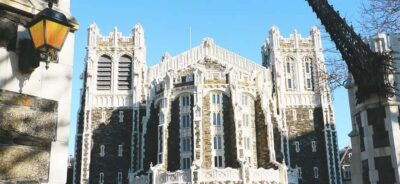 ★ 4.7Harlem Hallelujah! Gospel Wednesday ConcertFrom $251,638 reviews
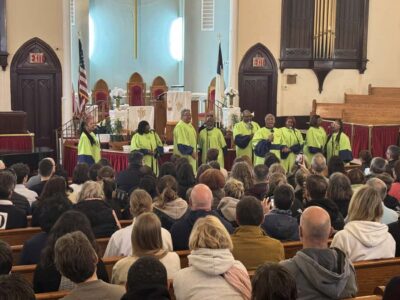 ★ 4.7Harlem Gospel Live Music ConcertFrom $281,479 reviews
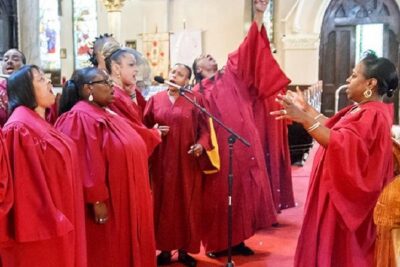 ★ 4.0Harlem Sunday Morning Gospel TourFrom $85995 reviews
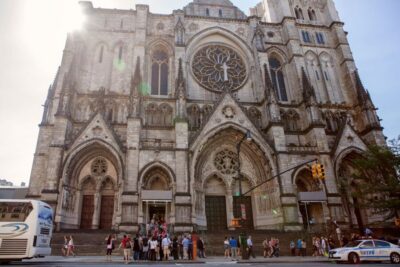 ★ 4.04-hour Harlem Gospel Tour in New York CityFrom $79935 reviews
 ★ 3.9Harlem: Central Harlem Sunday Gospel with LocalsFrom $25499 reviews
 ★ 4.3Sunday Harlem Gospel Guided TourFrom $89438 reviews
Browse the lists this tour appears in