
Reviewed · NYC WALKING TOURS
Midtown North NYC Architecture Walking Tour
Midtown feels like one big open-air blueprint. This walk gives you a tight, design-focused path through the skyline, with time to ask questions as you go. I love how it pairs landmark buildings with the thinking behind them, so the city starts making sense fast, especially in Midtown North and along Fifth Ave.
My second favorite part is the setup for hearing and learning: you get individual headsets and a guide who can handle questions without you huddling in the noise. One thing to consider: the explanation can get pretty technical at times, so if you want only simple stories, tell your guide early and steer toward the big-picture angles.
In This Review
- Key highlights you will feel on this walk
- Midtown North on foot: what $59 buys you in about 2 hours
- Meeting at the Harvard Club: start with a big-city address
- Stop 1: Grand Central Terminal and the logic of a world-class hub
- Stop 2: Seagram Building and the art of modern restraint
- Stop 3: JP Morgan Chase tower between Vanderbilt and Park Avenue
- Stop 4: Harvard Club of New York City and the architecture of institutions
- Stop 5: Chrysler Building up close to Art Deco storytelling
- Stop 6: St. Patrick’s Cathedral, where stone and ceremony meet the street
- Stop 7: Lever House (SOM, 1953) and the modern office turn
- Stop 8: MetLife Building (Architects Collaborative, 1962) and “work” architecture
- Stop 9: MoMA from the outside, using the city as your museum wall
- Stop 10: Rockefeller Center and the story behind the skyline icons
- Pass by 2022 Steinway Hall and Tower (ShoP Architects)
- Stop 11: Central Park Tower (Adrian Smith + Gordon Gill, 2023)
- What makes the guides so important here
- Itinerary flow: what you’ll learn as the route progresses
- Who should book this Midtown North architecture tour
- FAQ
- What is the duration of the Midtown North architecture walking tour?
- How many people are in the group?
- Is admission included for the stops?
- What do I need to hear the guide clearly?
- Is the tour language English only?
- What if the weather is bad?
- Should you book this tour?
Key highlights you will feel on this walk
- Small group size (max 15): easier Q&A and less crowd friction
- Headsets for every guest: you can actually hear the guide on busy avenues
- Free admission at scheduled stops: time stays on the buildings, not tickets
- Architectural range: from Art Deco and religious stone to modern office towers
- Guides with serious credentials: examples include William and Dr. Ivan Shumkov
- Route ends near Apple Fifth Avenue: a natural place to keep exploring after the tour
New York City at street level, a few more walks
- SoHo, Little Italy, and Chinatown Walking Tour in New York
★ 5.0 · 3,153 reviews - Secrets of Grand Central Station Walking Tour New York City
★ 5.0 · 1,796 reviews - Greenwich Village Walking and Food Tasting Tour
★ 5.0 · 1,572 reviews - Artistic, Alternative Greenwich Village Walking Tour
★ 5.0 · 971 reviews
Midtown North on foot: what $59 buys you in about 2 hours
For $59 per person, you’re paying for three things that matter in New York: a clear route, a guide who can answer questions on the spot, and a guided pace that saves you time. The tour runs about 2 hours, and travel time is built in, so you’re not just wandering while your phone drains.
This is also one of those tours where logistics help the experience. You receive a mobile ticket, and you’re given professional individual headsets so the guide’s voice stays crisp even when you’re standing near traffic and construction. Add in the max of 15 people, and you get a calmer feel than the typical big group walking tour.
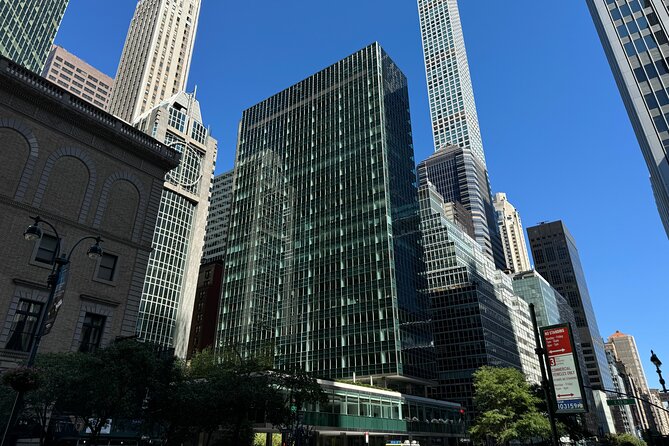
You’ll hit a set of major buildings that span several eras of NYC architecture. That spread is the point: you’re not just collecting photos, you’re seeing how design trends, zoning, and materials shaped what rises where.
Meeting at the Harvard Club: start with a big-city address
The tour starts at Harvard Club of New York City, 35 W 44th St. Even before you hit the first stop, the location tells you the kind of Midtown this is: institutional, polished, and tightly woven into the city’s power corridors.
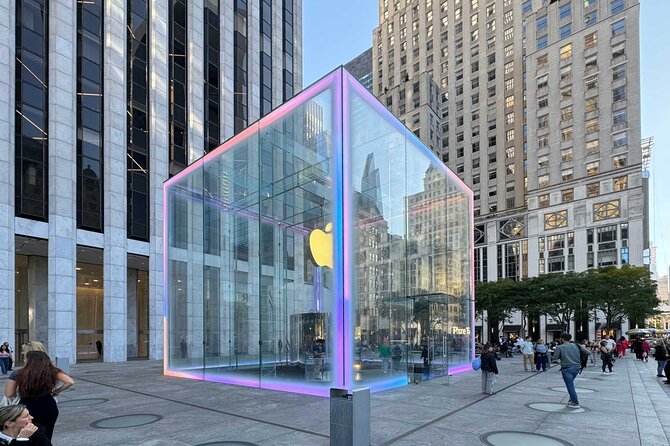
You end at Apple Fifth Avenue, 767 5th Ave. That’s a practical finish line. After two hours, you’ll be in a place where you can grab a snack, duck into a museum nearby, or keep walking without needing another plan.
Stop 1: Grand Central Terminal and the logic of a world-class hub
Grand Central Terminal is the kind of building that looks impressive from the street, then hits you harder when you stand close and notice the details. Your guide will frame it as more than a station. You’ll learn how its form supports movement and city life, and why it became such a strong identity for Midtown.
This is a great first stop because it sets the tone. If you’re new to NYC architecture, Grand Central helps you understand the big idea behind what you’re seeing: New York builds to handle crowds, commerce, and status.
Practical tip: arrive with comfortable shoes and a quick eye for details. The value here is noticing proportions and materials while the guide gives you the story behind them.
New York City on foot, a few more routes

Stop 2: Seagram Building and the art of modern restraint
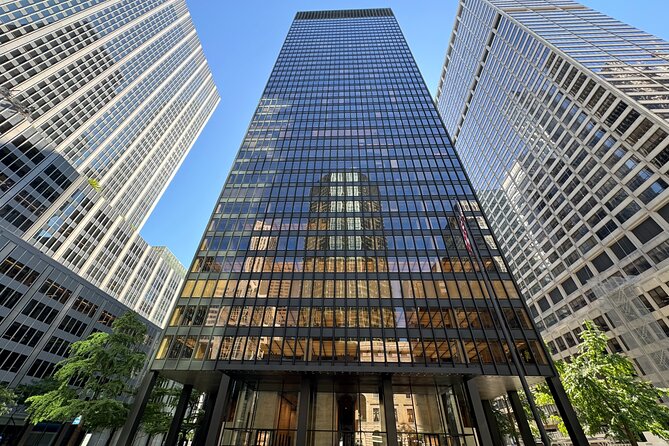
Next up is the Seagram Building, where you’ll visit and discuss the building’s architectural choices. This stop works well because Seagram is often admired from a distance, but the guide’s job is to show you what to look for up close—lines, setbacks, and the way the design balances presence with clarity.
One reason this stop lands for almost everyone: it teaches you how modern office buildings became a style of confidence. You start seeing how design communicates priorities, not just beauty.
If you like architecture that is clean and measured, this is one of the stops you will probably remember long after you leave Midtown.
Stop 3: JP Morgan Chase tower between Vanderbilt and Park Avenue
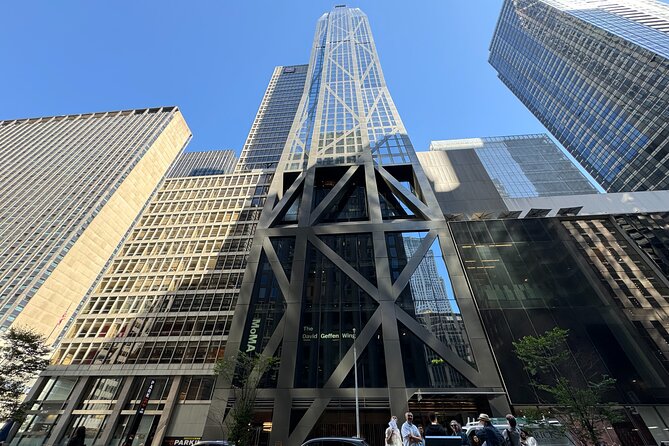
At JP Morgan Chase, the focus is on the newer office tower in that corridor between Vanderbilt and Park Avenue. Even if you’ve walked past it before, a guide can change how you see it. You’ll get context for how the city continues to evolve while still living inside older streets and sightlines.
This stop is also useful for non-architects. It answers the question that often pops up on NYC tours: how do new towers fit into an older skyline without looking like they came from a different planet?
Stop 4: Harvard Club of New York City and the architecture of institutions
The Harvard Club is your chance to connect Midtown architecture to its human function. The building represents a type of NYC design you don’t get to appreciate just by passing by: the world of clubs and institutions that shape careers, culture, and networking.
In the best versions of this tour, the guide uses the club to explain why certain materials, layouts, and architectural gestures persist in Midtown. You’ll see how design can project permanence and belonging.
If you enjoy learning about how spaces influence social life, this stop is a quiet highlight.
Stop 5: Chrysler Building up close to Art Deco storytelling
Then you get to the Chrysler Building, a true Midtown icon. You’ll see the building associated with William van Alen from 1930, and your guide will help you read it like a document. That means noticing why certain forms and decorations were used, and what those choices meant at the time.
This is also where you’ll likely start spotting visual motifs across Midtown. Art Deco isn’t just one building here. Once you learn what to look for, other towers start to make more sense.
Stop 6: St. Patrick’s Cathedral, where stone and ceremony meet the street
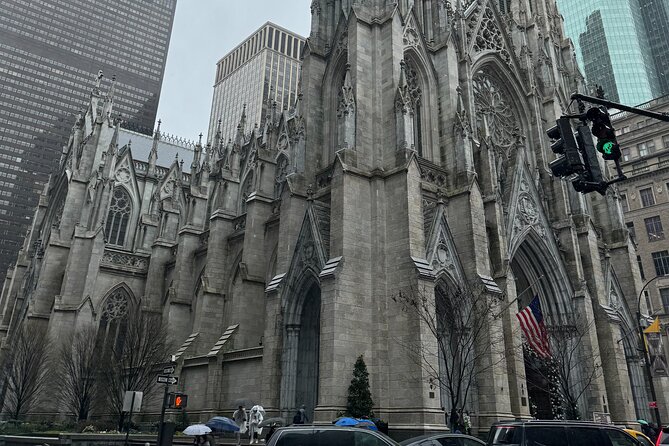
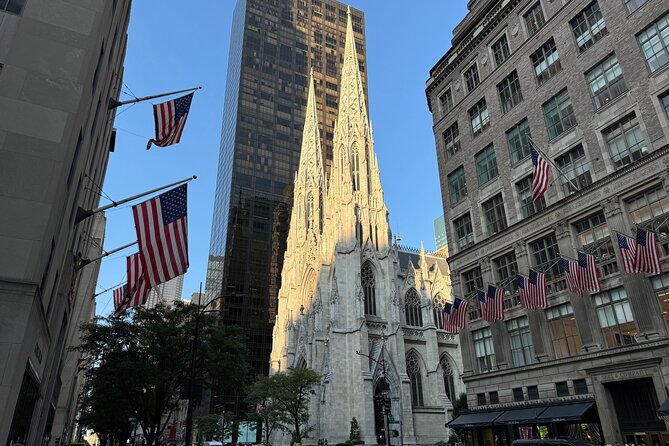
Stopping at St. Patrick’s Cathedral is a reset. Midtown can feel like steel and speed; the cathedral adds scale, texture, and a different kind of rhythm. You’ll visit and learn about the New York Catholic Cathedral, and the guide will connect its architectural role to the city’s history and identity.
This is a good moment to slow down and look upward. Take your time with the façade and edges. Even if you don’t know art history, you’ll feel the difference in massing and craftsmanship.
Stop 7: Lever House (SOM, 1953) and the modern office turn
At Lever House, you’ll visit the building by SOM from 1953. This is the stop where modernism becomes practical, not just stylish. The guide helps you understand why those design decisions mattered for office life—how daylight, structure, and the building’s relationship to the street were handled.
I like this stop because it shows the shift from one era’s idea of grandeur to another era’s idea of efficiency and presence. If you’re a fan of design rules, this is where you’ll start building your own mental map of Midtown.
Stop 8: MetLife Building (Architects Collaborative, 1962) and “work” architecture
Next is the MetLife Building, by Architects Collaborative from 1962. You’ll see how corporate architecture can be both functional and expressive, without trying to imitate older styles.
This stop pairs nicely with Lever House. Side by side in your mind, you start noticing what modern designers agreed on, and what they disagreed about. It’s one of the clearest ways to learn how architectural trends evolve over time.
Stop 9: MoMA from the outside, using the city as your museum wall
At the Museum of Modern Art (MoMA), you’ll see and discuss it from the outside. This is a smart choice for a walking tour: you’re not stuck in lines or limited by exhibit hours, but you still get architectural and cultural context.
If you love museums but don’t want to plan a separate visit, this is a solid stop. You get to connect the building’s role in NYC culture to the broader story of Midtown’s intellectual scene.
Practical expectation: this is an exterior discussion point, so don’t plan on museum time unless you choose to add it later.
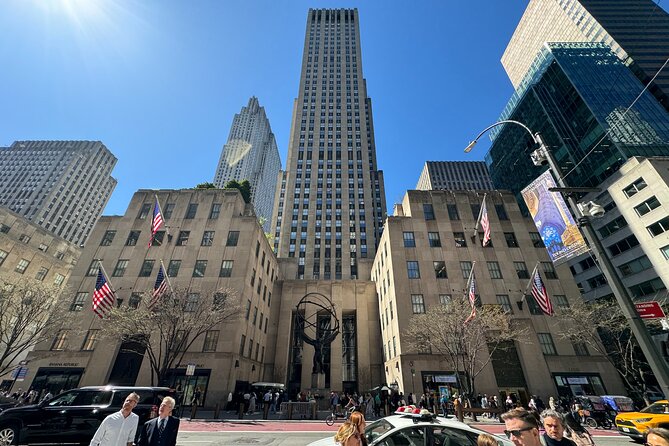
Stop 10: Rockefeller Center and the story behind the skyline icons
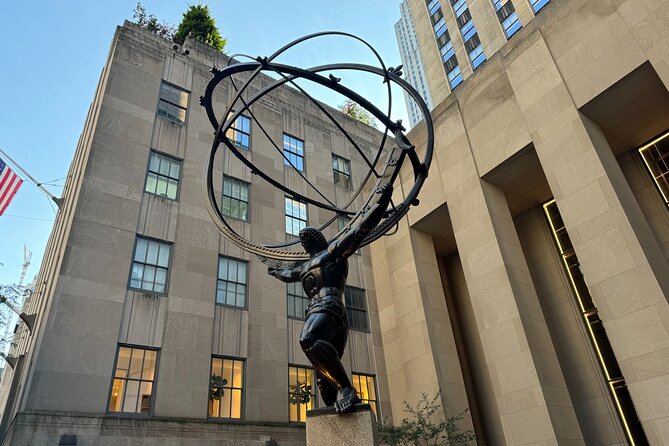
Rockefeller Center is where Midtown starts feeling cinematic. Your guide will walk you through the building complex and talk about how it became part of how the city presents itself.
One of my favorite things about tours like this is that your guide treats details as questions, not trivia. For example, you can ask about small-but-fun sculptural choices like why the Atlas statue at Rockefeller has such a stern attitude. That kind of moment turns a landmark into a story you can carry home.
Then, as you move toward the end of the route, you’re also setting yourself up to keep walking after the tour.
Pass by 2022 Steinway Hall and Tower (ShoP Architects)
The route also includes a pass by Steinway Hall and Tower, designed by ShoP Architects and opened in 2022. Even as a quick look, it matters because it shows what Midtown looks like now.
This is where you’ll feel the contrast between decades of design goals. Older towers project a certain kind of statement. Newer additions project a different one: density, skyline continuity, and modern materials.
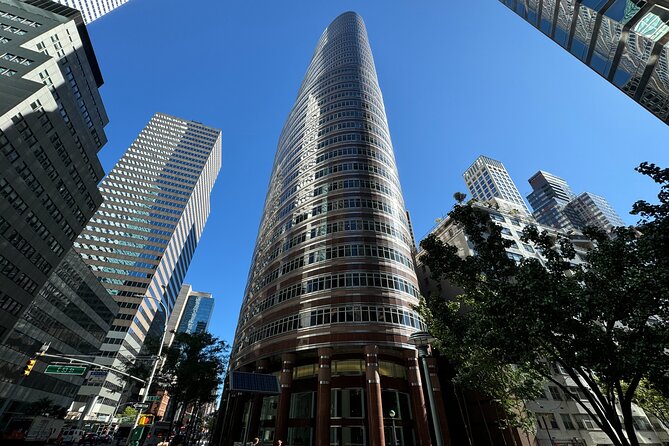
Stop 11: Central Park Tower (Adrian Smith + Gordon Gill, 2023)
The final major stop is Central Park Tower by Adrian Smith + Gordon Gill, from 2023. This is the newest chapter on your skyline timeline, and your guide will help you connect it to what came before.
If you’ve ever wondered how New York keeps rebuilding itself while staying recognizable, this stop answers that question. You’ll see how height and form are used to shape views and identity, not just to win at the tallest-building game.
What makes the guides so important here
The biggest praise for this tour is the guide. On some departures, people have had William, described as a retired architect and current City employee—very personable and able to explain Midtown from both a resident’s viewpoint and a professional one. On other dates, the guide has been Ivan, including Dr. Ivan Shumkov, who brings a deep academic and design background.
In plain terms, this is why the tour works: you’re not just hearing facts. You get an interpretation you can use. The headset setup helps you stay in the conversation, so you can ask questions about design choices, building rules, and the meaning behind details.
One note to keep expectations real: some explanations may trend technical. That can be a plus if you like structure, materials, and design logic. If you prefer simpler language, you can ask for the big picture style.
Itinerary flow: what you’ll learn as the route progresses
This walk is built like a lesson plan. You start with a dense civic icon at Grand Central, move into major office architecture, and then layer in religious design, modern offices, and cultural institutions. By the time you reach Rockefeller and the newest towers near the end, you’ve trained your eyes to notice how each era communicates.
Here’s the practical payoff: after the tour, you’ll likely start recognizing building types by their geometry and intent. That makes self-guided walking in Midtown much more fun, because you know what you’re looking at.
Who should book this Midtown North architecture tour
You should book if you want:
- A guided route through Midtown’s most famous architecture without planning individual stops
- A small group experience where questions are welcome
- Explanations that connect buildings to the city’s evolution
You might want a different style of tour if you:
- Want mostly inside visits and long museum-like time at each location (this is structured for a walking schedule)
- Prefer only light, non-technical storytelling and would rather avoid deep design talk
FAQ
What is the duration of the Midtown North architecture walking tour?
The tour runs about 2 hours, and travel time is included.
How many people are in the group?
The tour has a maximum of 15 travelers, which keeps it more intimate than large group walks.
Is admission included for the stops?
All fees and taxes are included, and each scheduled stop lists admission as free.
What do I need to hear the guide clearly?
You get professional individual headsets for each guest.
Is the tour language English only?
The tour is offered in English, and the guide is listed as available in English, Spanish, and Italian.
What if the weather is bad?
The tour requires good weather. If it’s canceled due to poor weather, you’ll be offered a different date or a full refund.
Should you book this tour?
Yes, I’d book it if you want Midtown architecture explained in a way that helps you keep seeing the city after the walk ends. The price feels fair for what you get: a tight route, free access at the planned stops, headsets that make learning easy, and a small group where questions actually land.
If you know you like very technical architecture talk, you’ll probably be thrilled. If you don’t, just set that expectation early and focus your questions on the big-picture stories behind each landmark.
More Tours in New York City
- Statue of Liberty and Ellis Island Tour: All Options★ 5.0 · 13,571 reviews
- New York in One Day Guided Sightseeing Tour★ 5.0 · 13,166 reviews
- Central Park Pedicab Guided Tours★ 5.0 · 7,108 reviews
- New York City: Manhattan Helicopter Tour★ 4.7 · 7,076 reviews
- Private Central Park Pedicab Tour★ 5.0 · 6,981 reviews
More Tour Reviews in New York City
- NYC: SUMMIT One Vanderbilt Tickets★ 4.7 · 51,195 reviews
- NYC: Empire State Building Tickets – Observatory & Museum★ 4.7 · 25,757 reviews
- New York City: Statue of Liberty & Ellis Island with Ferry★ 4.6 · 18,683 reviews
- New York City: American Museum of Natural History Ticket★ 4.5 · 15,447 reviews
- Statue of Liberty and Ellis Island Tour: All Options★ 5.0 · 13,571 reviews
New York City, One Block at a Time
- SoHo, Little Italy, and Chinatown Walking Tour in New York★ 5.0 · 3,153 reviews
- Secrets of Grand Central Station Walking Tour New York City★ 5.0 · 1,796 reviews
- Greenwich Village Walking and Food Tasting Tour★ 5.0 · 1,572 reviews
- Artistic, Alternative Greenwich Village Walking Tour★ 5.0 · 971 reviews
- Brooklyn Bridge & DUMBO Neighborhood Tour – from Manhattan to Brooklyn★ 5.0 · 826 reviews
Just in: the newest New York City reviews on our desk





NYC Walking Tours, compared.
 ★ 5.0SoHo, Little Italy, and Chinatown Walking Tour in New YorkFrom $393,153 reviews
 ★ 5.0Secrets of Grand Central Station Walking Tour New York CityFrom $391,796 reviews
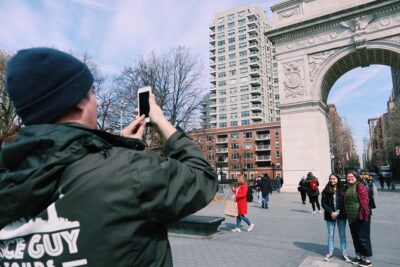 ★ 5.0Greenwich Village Walking and Food Tasting TourFrom $941,572 reviews
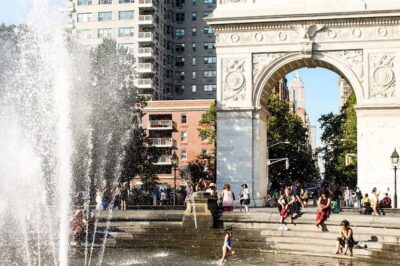 ★ 5.0Artistic, Alternative Greenwich Village Walking TourFrom $39971 reviews
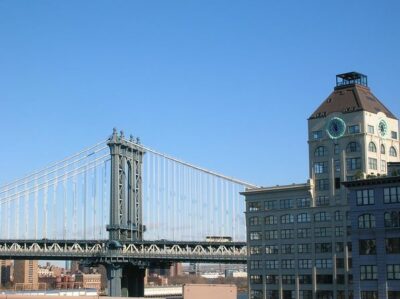 ★ 5.0Brooklyn Bridge & DUMBO Neighborhood Tour – from Manhattan to BrooklynFrom $49826 reviews
 ★ 5.0Central Park Guided Walking TourFrom $44774 reviews
 ★ 4.6Private Walking Tour with a LocalFrom $55771 reviews
 ★ 5.0NYC Lower East Side Walking and Food TourFrom $94646 reviews