
Reviewed · HARLEM TOURS
New York City: Harlem Civil Rights Walking Tour with Lunch
Harlem feels like a history lesson you can actually walk through. This 3-hour Civil Rights tour ties the movement to the streets, churches, and people who made it happen. I especially like the way the walk connects major names like Malcolm X and W.E.B. DuBois to specific places, and I also love that lunch is built in, so you don’t have to hunt for a good meal mid-day.
One thing to consider: it’s a real walking tour from 116th Street uptown toward 137th, so you’ll want comfortable shoes and a quick mindset for moving on a schedule (no hotel pickup either).
In This Review
- Key things I’d plan around
- Harlem teaches Civil Rights where it happened
- Meeting point and what the 3 hours are really for
- Temple No. 7: where community, organizing, and faith overlap
- Hotel Theresa: Harlem’s civil rights story with a different angle
- The people you’ll connect to: names, roles, and why context matters
- Mingling with musicians: culture you can feel, not just read about
- Lunch in Harlem: included, local, and part of the value
- Price and value: $82 for 3 hours plus lunch
- Who this Harlem tour suits best
- Things to bring and small choices that help
- Should you book the Harlem Civil Rights walking tour with lunch?
- FAQ
- How long is the Harlem Civil Rights walking tour with lunch?
- Where is the meeting point?
- What is included in the tour price?
- Is lunch included, or do I need to pay separately?
- How much does the tour cost?
- Is hotel pickup or drop-off included?
- What language is the tour guide?
- Is the tour wheelchair accessible?
- What should I bring?
- Is there a cancellation option if my plans change?
Key things I’d plan around
- Temple No. 7 (original) gets you close to the kind of faith-and-organizing energy that powered the era
- Hotel Theresa adds a strong Harlem lens to the story of civil rights activism
- Names with weight appear in context, from Malcolm X and A. Philip Randolph to Josephine Baker and Adam Clayton Powell Jr.
- Live music time means you’re not just reading about Harlem culture, you’re meeting it while you’re there
- Lunch is included at a local restaurant, so the tour feels like a full outing, not a quick stop-and-go
- Guides Carolyn or Jonathan bring storytelling to life, with lots of on-the-ground detail
More of Harlem, from gospel to soul food
- NYC Highlights Tour: Bronx, Brooklyn, Harlem, Queens & Coney
★ 4.5 · 2,846 reviews - NYC: Contrasts Tour of Harlem, The Bronx, Queens & Brooklyn
★ 4.5 · 2,167 reviews - NYC: Harlem Hallelujah! Gospel Wednesday Concert
★ 4.7 · 1,638 reviews - New York City: Harlem Gospel Live Music Concert
★ 4.7 · 1,479 reviews
Harlem teaches Civil Rights where it happened
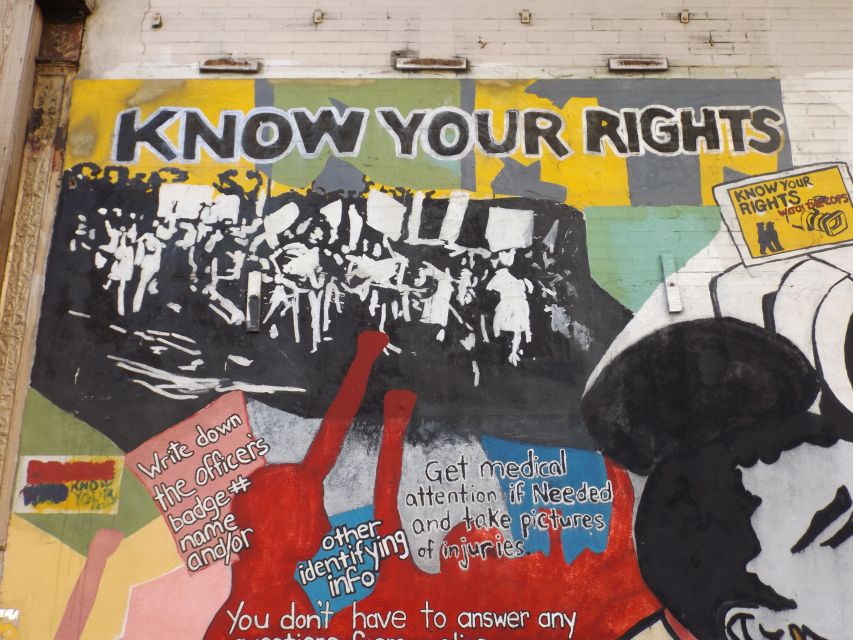
New York City has plenty of history tours. This one has a different feel: it’s built around Harlem’s role in the Civil Rights Movement, not just famous headlines. You walk from about 116th Street up toward the 137th area, and each stretch is meant to give you a sense of place—how people organized, spoke out, marched, and pushed for change in a neighborhood that helped shape national momentum.
The best part is the mix. You’re not only seeing sites like the original Temple No. 7 and Hotel Theresa; you’re also hearing how a wide range of people contributed to the cause. That includes protesters and leaders, activists and artists, and it puts familiar names—Malcolm X, A. Philip Randolph, Josephine Baker, Adam Clayton Powell Jr., W.E.B. DuBois, and Paul Robeson—into something more tangible than a textbook list.
Meeting point and what the 3 hours are really for
You meet at 116th Street and Lenox Avenue, right in front of CVS. The tour runs about 3 hours, and the time matters. In a city like New York, three hours is long enough to make connections, but short enough that you won’t drift into museum-like overwhelm.
You’ll move as a group, listening and stopping as your guide introduces each location. Since lunch is included, the schedule usually works like this: you learn and walk for a stretch, then you eat, then you finish the story with the next set of Harlem Civil Rights landmarks. If you hate rushing at the end of tours, this format helps: you get a built-in break instead of scrambling for food after.
Temple No. 7: where community, organizing, and faith overlap
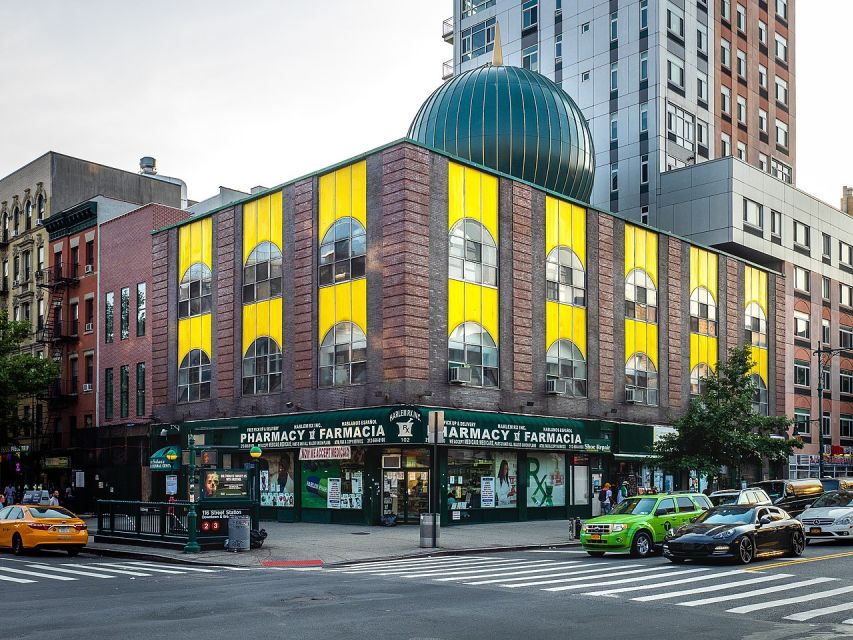
The tour includes the original Temple No. 7, and that stop does a lot of work in a short amount of time. Even if you’re new to Harlem history, this is the kind of place that makes the era easier to picture. Churches and religious institutions were more than worship spaces; they often became meeting grounds for organizing, communication, and community leadership.
What I like about focusing on a real site like this is that it anchors the story. Civil rights progress didn’t happen in one location or one type of gathering. It happened through networks—people linking arms, sharing information, and building momentum. Temple No. 7 helps you see that network idea in physical form, not just in descriptions.
Practical tip: have your camera ready. This stop is one of those “stand here and suddenly it makes sense” locations, and you’ll likely want photos while you can.
New York City at street level, a few more walks


Hotel Theresa: Harlem’s civil rights story with a different angle
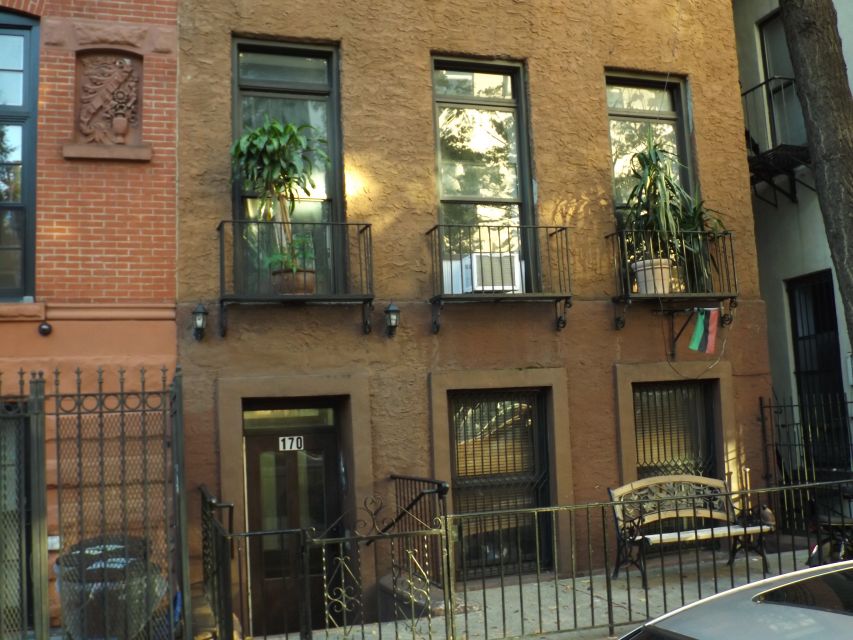
Next up is Hotel Theresa, another landmark that fits neatly into the larger Harlem picture. This stop often changes how people think about civil rights history, because it widens the story beyond churches and protest marches.
Harlem had a full ecosystem: arts, politics, public debate, and social life all intertwined. A place like Hotel Theresa points you toward the idea that civil rights organizing wasn’t happening on a single street corner. It was also tied to how Harlem hosted, convened, and amplified voices—where conversations could happen and where movement energy could build.
If you love when history has layers, this stop is worth your attention. It helps the tour feel like Harlem, not like a generic list of major dates.
The people you’ll connect to: names, roles, and why context matters
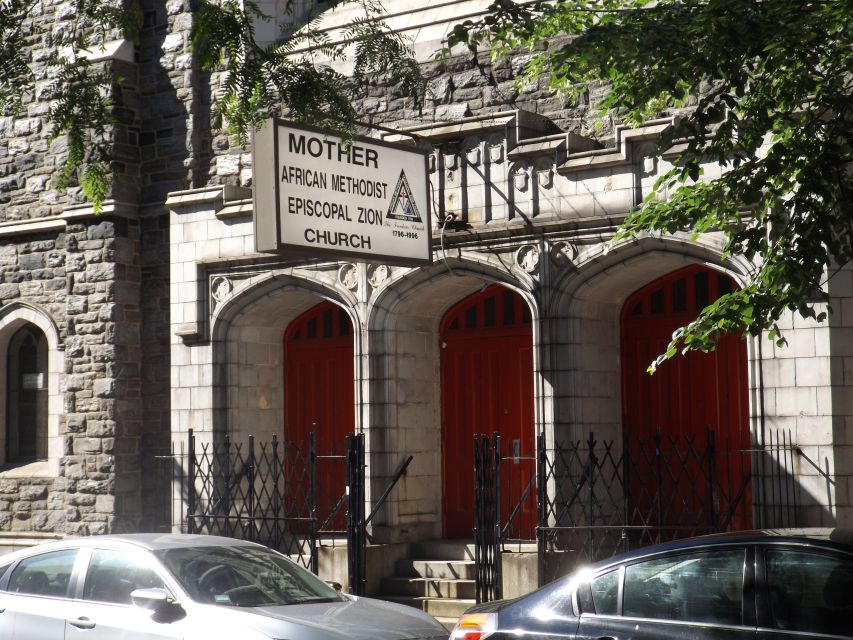
The tour explicitly connects major figures to Harlem’s Civil Rights era, including Malcolm X, A. Philip Randolph, Josephine Baker, Adam Clayton Powell Jr., W.E.B. DuBois, and Paul Robeson. Seeing those names in context is the point.
Here’s the difference that context makes: you don’t just memorize who someone was—you understand what kind of work they did and how that work fit into the broader push for equality. Some figures are tied to activism and political strategy. Others connect through culture and public influence. And Harlem acted as a stage where ideas could travel and where different approaches to change could meet.
During the walk, your guide ties these people to the neighborhood’s identity and contributions. That’s why this tour works even if you don’t consider yourself a history buff. You end up with a web of connections instead of isolated facts.
And yes, guides matter here. One review highlighted Carolyn for bringing the stories alive and connecting the dots between the Harlem Renaissance and the Civil Rights Movement. Another praised Jonathan for a memorable mix of culture and historical anecdotes plus a shared, typical Harlem meal. That kind of storytelling can turn names into something you actually remember.
Mingling with musicians: culture you can feel, not just read about
One of the more memorable elements is the chance to mix and mingle with the musicians during the experience. This isn’t a separate performance disconnected from the tour story. It’s woven into the atmosphere of Harlem as you’re learning.
Why it matters: the Civil Rights story isn’t only political. It’s also cultural—music, style, public presence, and everyday community expression. When musicians join the moment, you get a reminder that Harlem’s influence wasn’t limited to marches and meetings. It shaped national culture too, and that energy helped keep communities visible and resilient.
If you enjoy candid street-level moments—people chatting, music in the background, real neighborhood feel—this part is often the emotional payoff of the tour.
Lunch in Harlem: included, local, and part of the value
Lunch is included, and it’s at a local restaurant. That sounds simple, but it changes the whole experience. In NYC, “walk-and-learn” tours often leave you hungry and on your own. Here, you get a scheduled meal that fits the rhythm of the outing.
Based on the feedback I’m using as guide, the lunch experience tends to be a highlight. One review called it delicious and another described it as a super shared meal in a typical Harlem restaurant. You can expect you won’t feel like you’re eating alone somewhere random right after a long walk.
Practical angle: if you’re picky about food timing, this built-in lunch block is your friend. You’ll have something solid to do at the midpoint of the tour, so you can keep your energy for the second half.
Price and value: $82 for 3 hours plus lunch
At $82 per person, the value depends on what you want from the day. You’re paying for a guided 3-hour walk, plus lunch. In New York, that combo is usually what makes a walking tour feel fair. If you were already planning to eat nearby anyway, the lunch inclusion effectively reduces the cost of the overall outing.
If you’re thinking, I’ll do Harlem on my own and just eat later, that can work too. But you lose what you get here: a guide connecting Civil Rights sites and major figures into a clear, street-level story. For me, that’s the trade—pay for guided context and avoid the guesswork.
Also, this tour runs in English and is wheelchair accessible, which can matter for planning. You’re not trying to coordinate separate accessibility arrangements while also figuring out where to eat.
Who this Harlem tour suits best
This tour is a strong match if you want:
- A focused Harlem experience tied directly to the Civil Rights Movement
- Real stops like Temple No. 7 and Hotel Theresa, not just general neighborhood tips
- A guided narrative that connects major names to the neighborhood’s role
- A day plan that includes lunch, so the whole thing feels like an outing
It’s not ideal if you want a slow, flexible stroll where you can wander off in any direction. This is a structured walk with a set start location and a set duration.
And if you’re only in Manhattan for a few hours, consider that Harlem is quick to reach by subway—one review specifically noted the trip being simple and worth the visit.
Things to bring and small choices that help
This is the kind of tour where a couple small choices make a difference:
- Wear comfortable shoes. You’re walking the neighborhood and you’ll be on your feet.
- Bring a camera. The stops you’ll see are photo-worthy, especially Temple No. 7 and Hotel Theresa.
- Bring water if you run warm. The listing doesn’t state whether it’s available, so plan on your own.
If you like learning but hate sitting still too long, this tour hits that sweet spot: you’re moving while you absorb the story.
Should you book the Harlem Civil Rights walking tour with lunch?
I think you should book it if you want a Harlem Civil Rights experience that’s structured, specific, and not stuck in museum mode. The 5-star average from 11 reviews lines up with what you’re actually getting: clear storytelling, strong site choices like Temple No. 7 and Hotel Theresa, and a lunch stop that keeps the tour from feeling like a nonstop lecture.
Skip it only if you dislike walking, hate group pacing, or you already know Harlem history so well that you’re mainly there for independent browsing. Otherwise, this is a smart way to spend a half-day with a guide, see major landmarks, and leave with a version of the Civil Rights story that feels rooted in real streets.
FAQ
How long is the Harlem Civil Rights walking tour with lunch?
It lasts about 3 hours.
Where is the meeting point?
Meet your guide at 116th Street and Lenox Avenue, in front of CVS.
What is included in the tour price?
The price includes a guide and a walking experience, plus lunch at a local restaurant.
Is lunch included, or do I need to pay separately?
Lunch is included as part of the tour.
How much does the tour cost?
The price is $82 per person.
Is hotel pickup or drop-off included?
No, hotel pickup and drop-off are not included.
What language is the tour guide?
The tour is guided in English.
Is the tour wheelchair accessible?
Yes, the tour is wheelchair accessible.
What should I bring?
Bring comfortable shoes and a camera.
Is there a cancellation option if my plans change?
Yes. You can cancel up to 24 hours in advance for a full refund.
More Tour Reviews in New York City
- NYC: SUMMIT One Vanderbilt Tickets★ 4.7 · 51,195 reviews
- NYC: Empire State Building Tickets – Observatory & Museum★ 4.7 · 25,757 reviews
- New York City: Statue of Liberty & Ellis Island with Ferry★ 4.6 · 18,683 reviews
- New York City: American Museum of Natural History Ticket★ 4.5 · 15,447 reviews
- Statue of Liberty and Ellis Island Tour: All Options★ 5.0 · 13,571 reviews
New York City, One Block at a Time
- SoHo, Little Italy, and Chinatown Walking Tour in New York★ 5.0 · 3,153 reviews
- Secrets of Grand Central Station Walking Tour New York City★ 5.0 · 1,796 reviews
- Greenwich Village Walking and Food Tasting Tour★ 5.0 · 1,572 reviews
- Artistic, Alternative Greenwich Village Walking Tour★ 5.0 · 971 reviews
- Brooklyn Bridge & DUMBO Neighborhood Tour – from Manhattan to Brooklyn★ 5.0 · 826 reviews
Uptown Sundays: More of Harlem
- NYC Highlights Tour: Bronx, Brooklyn, Harlem, Queens & Coney★ 4.5 · 2,846 reviews
- NYC: Contrasts Tour of Harlem, The Bronx, Queens & Brooklyn★ 4.5 · 2,167 reviews
- NYC: Harlem Hallelujah! Gospel Wednesday Concert★ 4.7 · 1,638 reviews
- New York City: Harlem Gospel Live Music Concert★ 4.7 · 1,479 reviews
- Harlem Sunday Morning Gospel Tour★ 4.0 · 995 reviews
Just in: the newest New York City reviews on our desk





Harlem Tours, compared.
 ★ 4.5NYC Highlights Tour: Bronx, Brooklyn, Harlem, Queens & ConeyFrom $462,846 reviews
 ★ 4.5Contrasts Tour of Harlem, The Bronx, Queens & BrooklynFrom $392,167 reviews
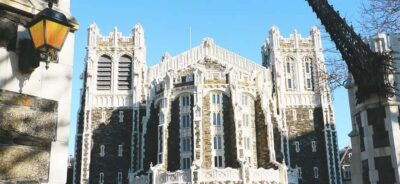 ★ 4.7Harlem Hallelujah! Gospel Wednesday ConcertFrom $251,638 reviews
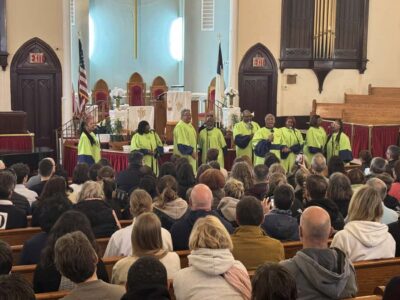 ★ 4.7Harlem Gospel Live Music ConcertFrom $281,479 reviews
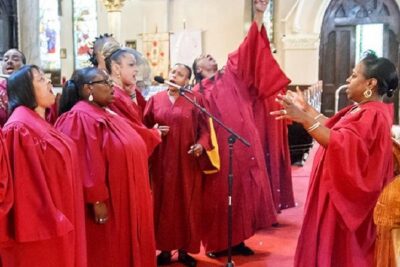 ★ 4.0Harlem Sunday Morning Gospel TourFrom $85995 reviews
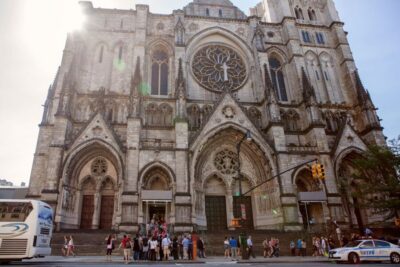 ★ 4.04-hour Harlem Gospel Tour in New York CityFrom $79935 reviews
 ★ 3.9Harlem: Central Harlem Sunday Gospel with LocalsFrom $25499 reviews
 ★ 4.3Sunday Harlem Gospel Guided TourFrom $89438 reviews
Browse the lists this tour appears in