
Reviewed · HARLEM TOURS
New York City: Harlem Gospel Experience Walking Tour
Harlem has a soundtrack you can walk into. This tour connects the neighborhood’s landmarks to the roots of gospel music, then ends with a chance to experience it in a local church service.
I especially like the way the tour uses real places, not just big ideas. Two standouts for me are the Schomburg Center for Research in Black Culture as a launch point and the storytelling that explains how Harlem became the second Dutch colony on Manhattan.
One consideration: the church portion is a real service, and the music style can feel modern and different from what some people expect from gospel on TV—so go with curiosity, not a soundtrack you already have in your head.
In This Review
- Key moments that make this tour work
- Starting at Schomburg: the easiest way to get your bearings in Harlem
- The walking plan: 4 hours that mix streets, context, and time to listen
- Harlem’s Dutch roots: a surprising origin story that changes how you see the blocks
- Exterior stops you can actually see: Apollo, Abyssinian, Strivers’ Row, and more
- Schomburg’s role in the story: why culture preservation belongs in a gospel tour
- Harlem Hospital exterior: an understated stop with real meaning
- The gospel portion in church: what to expect (and how to prepare)
- Guides that make it click: history that stays human
- Price and value: when $59 makes sense
- Practical logistics that actually matter on the day
- Who should book this Harlem Gospel tour (and who should skip it)
- Should you book? My straight answer
- FAQ
- Where do I meet for the Harlem Gospel Experience Walking Tour?
- How long is the tour?
- What is included in the price?
- Is food or drinks included?
- Do I get to hear gospel music live?
- What languages are available?
- What should I wear or bring?
- Is there hotel pickup or drop-off?
Key moments that make this tour work
- Schomburg Center start at 515 Malcolm X Blvd, setting the theme from minute one
- Dutch-era Harlem context, including how Harlem took shape as the second Dutch colony
- Iconic exterior stops like Apollo Theater, Strivers’ Row, and Hotel Theresa
- Gospel origins made practical, with explanations tied to what you’re seeing
- Church service add-on for a live experience after the walking portion
More of Harlem, from gospel to soul food
- NYC Highlights Tour: Bronx, Brooklyn, Harlem, Queens & Coney
★ 4.5 · 2,846 reviews - NYC: Contrasts Tour of Harlem, The Bronx, Queens & Brooklyn
★ 4.5 · 2,167 reviews - NYC: Harlem Hallelujah! Gospel Wednesday Concert
★ 4.7 · 1,638 reviews - New York City: Harlem Gospel Live Music Concert
★ 4.7 · 1,479 reviews
Starting at Schomburg: the easiest way to get your bearings in Harlem
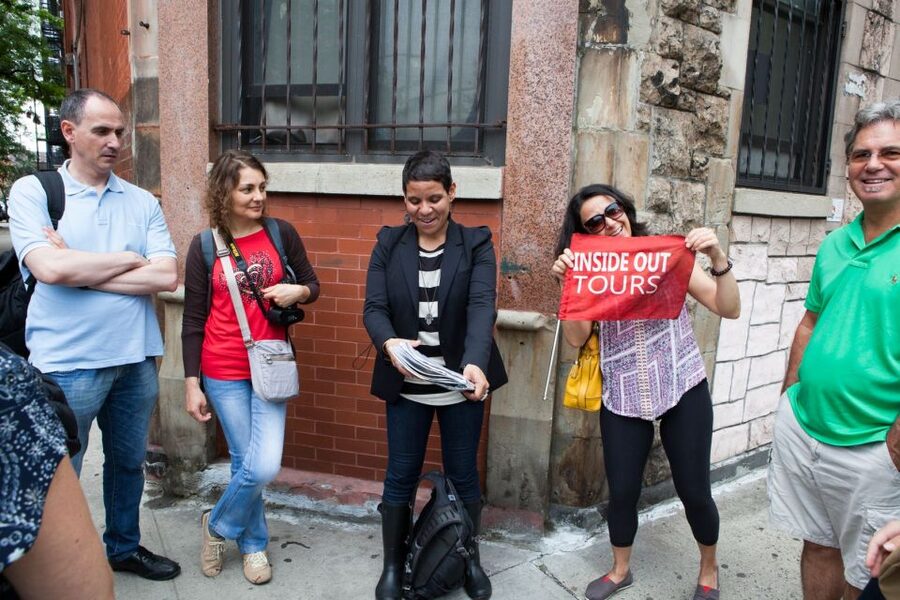
The meeting point is right in the cultural core: Schomburg Center for Research in Black Culture (515 Malcolm X Blvd). Starting here matters, because it frames Harlem as more than a sightseeing loop. You’re learning a storyline—who documented Black culture, why it matters, and how that connects to music.
Before you head into the streets, you’ll get context you can carry with you. That’s the difference between just taking photos and actually understanding what you’re looking at. If you like tours that help you read a neighborhood like a map, this start supports that.
And since the tour is English, French, or Spanish depending on the guide, you should check what language your group will use so you don’t lose the backstory while you’re walking.
The walking plan: 4 hours that mix streets, context, and time to listen
This is a 210-minute (about 4-hour) experience. You should expect a walking pace typical for a neighborhood tour: enough movement to cover multiple sites, but not so fast that you can’t hear the guide and register details.
The structure is simple: you tour key Harlem locations, you learn how gospel music grew out of specific cultural and religious realities, and you finish with a chance to attend a church service. That sequence is smart. Walking first gives you place-based understanding; the church portion turns that understanding into sound.
You’ll want comfortable shoes. No sandals, no flip-flops. Shorts are also not allowed. That dress rule sounds strict, but it’s usually about staying comfortable during long standing and moving time inside the church and around outdoor stops.
Harlem’s Dutch roots: a surprising origin story that changes how you see the blocks
One of the most interesting teaching points is how Harlem became the second Dutch colony on Manhattan. It’s the kind of detail that’s easy to skip if you only focus on the twentieth-century fame of Harlem.
When your guide connects Dutch-era Harlem to later waves of residents and institutions, the neighborhood stops feeling random. The geography, the development, and the way communities formed start to make sense as a chain of decisions and changes rather than a single event.
This part is especially valuable if it’s your first time in NYC and you’ve only heard Harlem described through one lens. You’ll get a broader picture: Harlem’s story doesn’t begin with one decade, and it doesn’t end with one famous era either.
New York City at street level, a few more walks


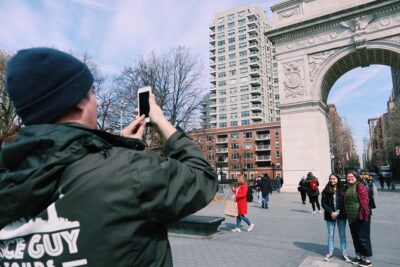

Exterior stops you can actually see: Apollo, Abyssinian, Strivers’ Row, and more
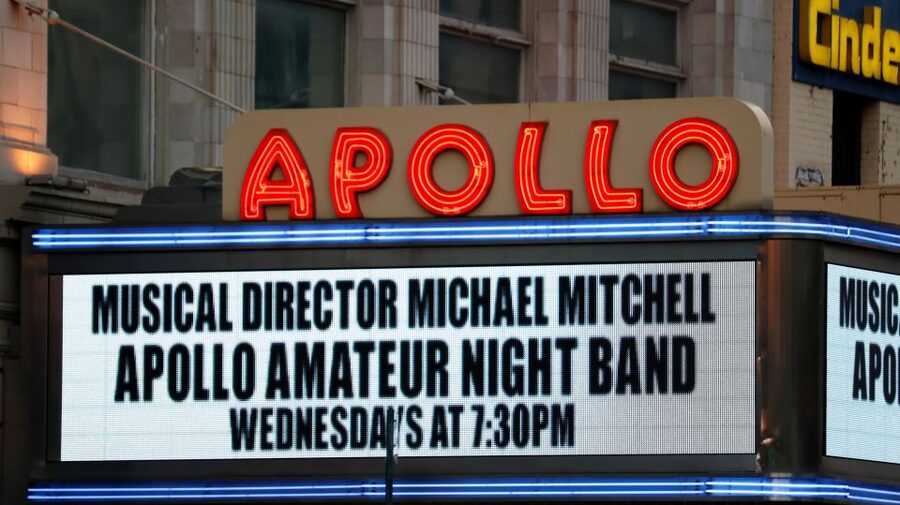
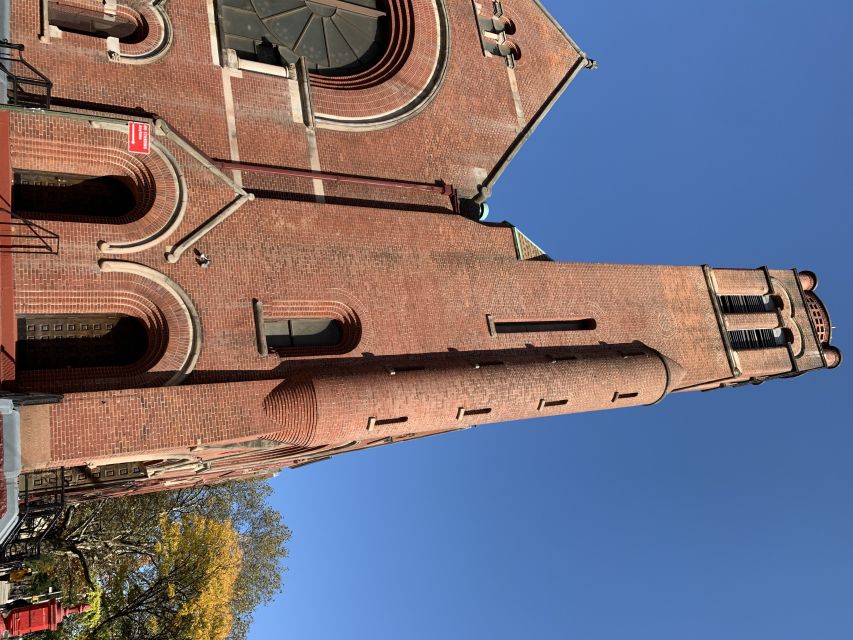
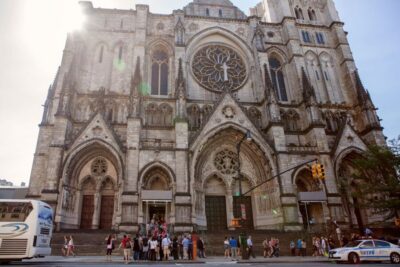
You’ll spend time around famous Harlem sights, many of them best known from music and film. The tour highlights the Apollo Theater, the Abyssinian Baptist Church, Strivers’ Row, and Hotel Theresa, plus additional iconic stops along the way.
Here’s what makes exterior viewing different on a tour like this:
- You’re not just staring at landmarks—you’re using them as reference points for history.
- Your guide can explain why certain buildings became symbols, not just that they’re symbols.
- You learn what to notice, like architectural patterns, street placement, and how neighborhood institutions shaped community life.
Apollo Theater is a big one. It’s more than an entertainment brand; it’s tied to performance culture and the broader evolution of music in America. When you understand that, the neighborhood starts to sound louder in your head—even before you hear gospel.
Strivers’ Row is another useful stop because it helps you see Harlem’s middle-class aspirations and residential story in a visual way. Hotel Theresa brings a different angle—how Harlem hosted artists, visitors, and community life in ways that shaped the cultural scene.
And Abyssinian Baptist Church matters because it’s one of those places where gospel isn’t an idea. It’s an ongoing tradition connected to real families and a real community.
Schomburg’s role in the story: why culture preservation belongs in a gospel tour
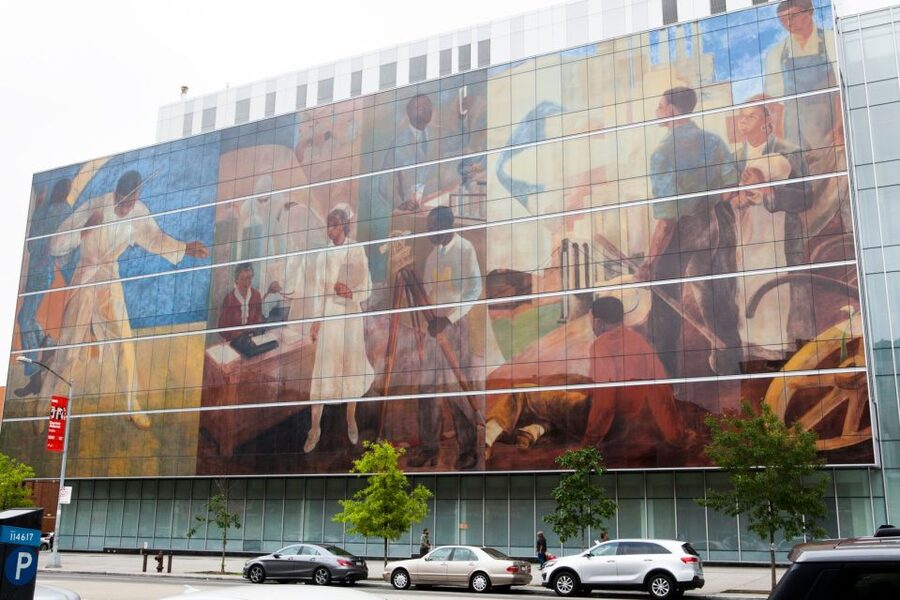
The tour leans into the Schomburg Center for Research in Black Culture, and that’s a smart match with a gospel experience. Gospel music didn’t grow in isolation. It’s linked to lived faith, community memory, and the way Black Americans preserved and shared their stories.
Even if you don’t go inside every display during your visit window, the center still does something important: it signals that you’re learning from documentation and scholarship, not only from entertainment history. That changes the tone of what you’ll hear later in the church.
I like that the tour treats gospel as part of cultural continuity. Not a random performance style, but something with roots, evolution, and meaning carried forward.
Harlem Hospital exterior: an understated stop with real meaning
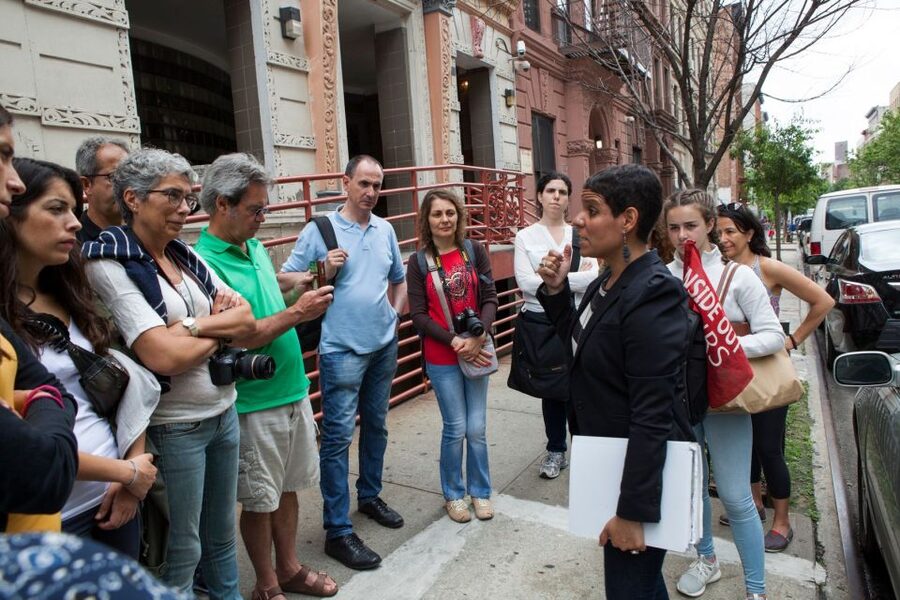
The tour includes a look at the exterior of Harlem Hospital. At first glance, a hospital can feel like an odd fit for a music-focused itinerary—but it’s not.
Health institutions sit at the heart of community life. They reflect access, survival, and the infrastructure that supports daily living. When your guide brings it into the narrative, you start seeing Harlem’s story as one where faith, culture, and social realities intertwine.
This is a good reminder for you: gospel music wasn’t only about uplift in theory. It was also tied to life as people actually lived it—pain, hope, and endurance.
The gospel portion in church: what to expect (and how to prepare)
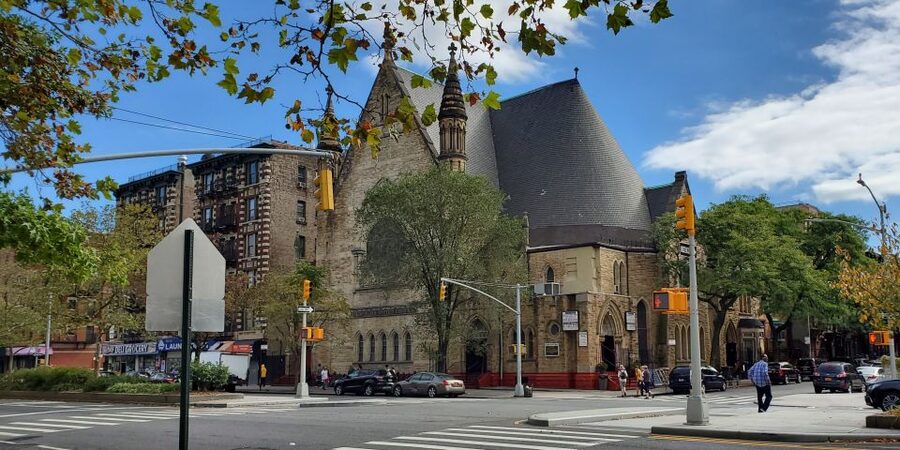
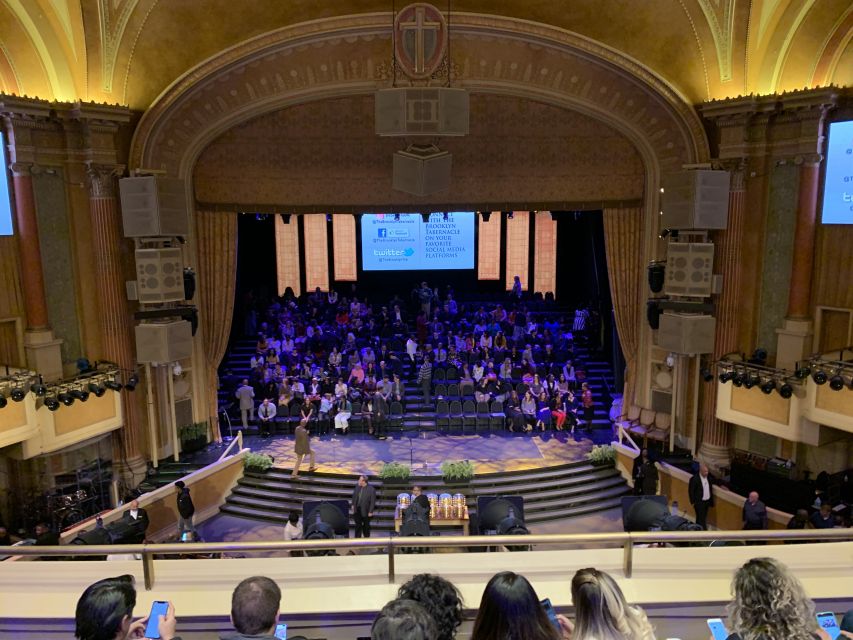
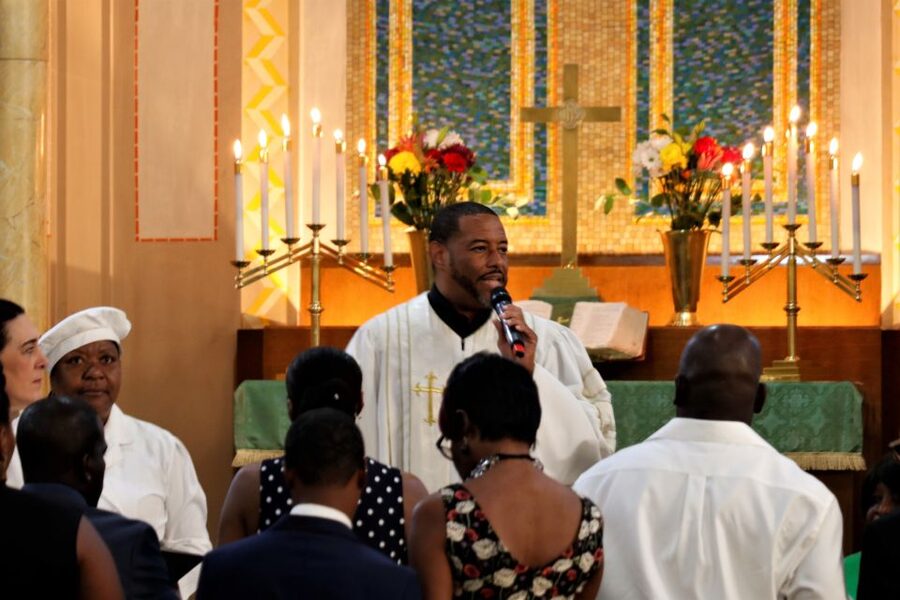
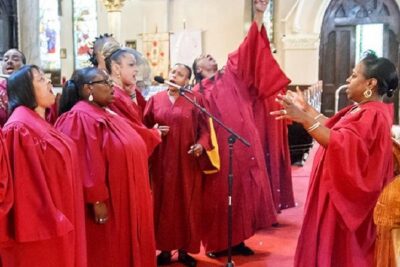
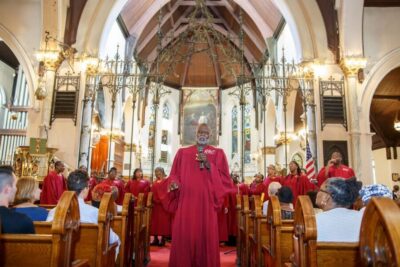
After the walking portion, you get a chance to attend a gospel performance during a local church service. This is the part that feels most personal and least “tour-like,” because the service is built for worship, not for filming.
That also means expectations matter. In at least some experiences, the mass can run a long stretch—around two hours—so bring patience. The music may also feel different from what you’ve heard in European TV portrayals. Some people love that honesty and the local sound; others prefer the older, more familiar harmonic style and find the modern approach less to their ears.
One more practical tip: churches can be cold because air conditioning or building climate can be strong. Bring a layer. If you’re the type who runs warm in NYC summer, you’ll still likely want a jacket once you sit down for singing and listening.
Also plan to sit where you’re directed. If you’re shorter, being too far back can make it harder to see faces and details. You won’t need to see every moment to enjoy the music, but you’ll enjoy the atmosphere more if you can angle yourself well.
Guides that make it click: history that stays human
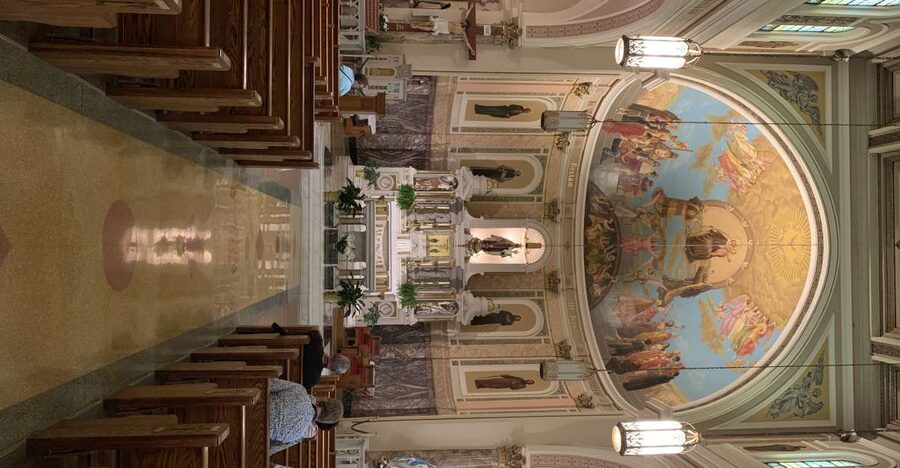
The walking part rises or falls on the guide, and the best moments here are when the person talking makes the facts feel connected to real life. Names like Sergio, Kent, and Jess have come up in guides described as passionate and strong at explanation—especially when they link gospel to Harlem’s past and present.
What you’re looking for in this kind of tour is clarity. A good guide should:
- help you understand why gospel developed the way it did
- connect music to specific institutions you see on the street
- keep the group moving without turning into a lecture with no heart
When that works, you finish the tour with more than a list of places. You walk away knowing what you heard, why it matters, and how to interpret similar scenes if you return to Harlem on your own.
Price and value: when $59 makes sense
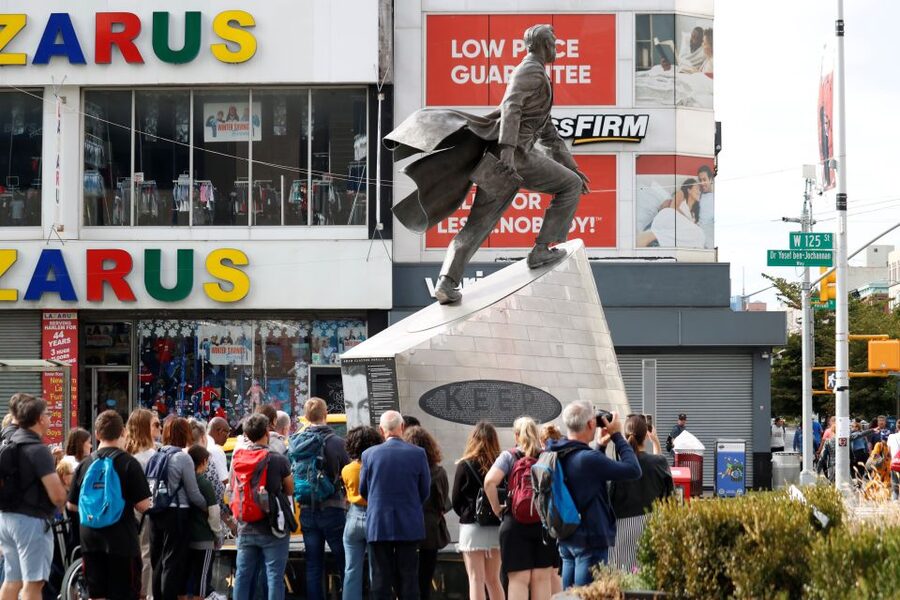
At $59 per person for about four hours, this tour can be good value if you want two things in one: (1) a neighborhood walk with history and landmarks and (2) a real church service experience afterward.
It’s not just a gospel show ticket. You’re also getting context—Schomburg, Harlem’s Dutch roots, and a set of iconic sites—plus a NYC licensed guide. That’s what supports the price.
What isn’t included also affects value. There’s no hotel pickup/drop-off and no food or drinks, so budget for water and a small snack if you need it. And you’ll spend part of the day standing and walking, so wear the right shoes from the start.
If you mainly want a quick photo stop and a short performance, this may feel long. But if you want a fuller story, the time is used well.
Practical logistics that actually matter on the day
Your best allies on this tour are comfort and timing. Start with comfortable shoes, since the walking segment covers multiple stops. Leave flip-flops and sandals at home—same goes for shorts, which aren’t allowed.
Dress for church weather too. Even when it’s warm outside, the inside temperature can surprise you. Bring a light jacket or layer you don’t mind wearing all afternoon.
Finally, arrive at the Schomburg Center meeting point on time. Without hotel pickup, you’re responsible for getting there, and this tour is timed to flow from neighborhood history into the church service portion.
Who should book this Harlem Gospel tour (and who should skip it)
This is a great fit if you:
- want Harlem landmarks with an explanation you can remember later
- are curious about how gospel music developed and changed over time
- like the idea of experiencing gospel in a church service setting, not a staged theater show
- enjoy guides who can connect history to places like the Apollo Theater and the Abyssinian Baptist Church
It might be less ideal if you:
- are expecting an easy, short, show-only gospel performance
- need the music to match a very specific style you’ve heard elsewhere
- get uncomfortable with long services and want something with a quicker finish
If you’re unsure, treat this as a cultural experience first and a music experience second. The music is the emotional payoff, but the meaning comes from the story you hear while walking.
Should you book? My straight answer
I’d book this tour if you want a guided Harlem walk that actually teaches you how to read the neighborhood, and you’re happy to end with a real church service where the vibe is worship, not entertainment.
I wouldn’t book it if you only want a brief gospel concert, or if you’re strongly attached to one specific version of gospel from past media. In that case, you may end up wishing it sounded different.
For most people, though, this hits a rare sweet spot: iconic Harlem sites plus gospel music with context—starting at Schomburg and finishing in the kind of setting where you feel the tradition, not just hear about it.
FAQ
Where do I meet for the Harlem Gospel Experience Walking Tour?
Meet in front of Schomburg Center at 515 Malcolm X Blvd, New York, NY 10037.
How long is the tour?
The tour lasts 210 minutes, or about 4 hours.
What is included in the price?
A NYC licensed tour guide is included.
Is food or drinks included?
No. Food and drinks are not included.
Do I get to hear gospel music live?
After the walking portion, you have a chance to enjoy a gospel performance during a service in a local church.
What languages are available?
The live tour guide is available in English, French, and Spanish.
What should I wear or bring?
Wear comfortable shoes. Sandals or flip-flops are not allowed, and shorts are also not allowed.
Is there hotel pickup or drop-off?
No, hotel pickup and drop-off are not included.
More Tour Reviews in New York City
- NYC: SUMMIT One Vanderbilt Tickets★ 4.7 · 51,195 reviews
- NYC: Empire State Building Tickets – Observatory & Museum★ 4.7 · 25,757 reviews
- New York City: Statue of Liberty & Ellis Island with Ferry★ 4.6 · 18,683 reviews
- New York City: American Museum of Natural History Ticket★ 4.5 · 15,447 reviews
- Statue of Liberty and Ellis Island Tour: All Options★ 5.0 · 13,571 reviews
New York City, One Block at a Time
- SoHo, Little Italy, and Chinatown Walking Tour in New York★ 5.0 · 3,153 reviews
- Secrets of Grand Central Station Walking Tour New York City★ 5.0 · 1,796 reviews
- Greenwich Village Walking and Food Tasting Tour★ 5.0 · 1,572 reviews
- Artistic, Alternative Greenwich Village Walking Tour★ 5.0 · 971 reviews
- Brooklyn Bridge & DUMBO Neighborhood Tour – from Manhattan to Brooklyn★ 5.0 · 826 reviews
Uptown Sundays: More of Harlem
- NYC Highlights Tour: Bronx, Brooklyn, Harlem, Queens & Coney★ 4.5 · 2,846 reviews
- NYC: Contrasts Tour of Harlem, The Bronx, Queens & Brooklyn★ 4.5 · 2,167 reviews
- NYC: Harlem Hallelujah! Gospel Wednesday Concert★ 4.7 · 1,638 reviews
- New York City: Harlem Gospel Live Music Concert★ 4.7 · 1,479 reviews
- Harlem Sunday Morning Gospel Tour★ 4.0 · 995 reviews
Just in: the newest New York City reviews on our desk





Harlem Tours, compared.
 ★ 4.5NYC Highlights Tour: Bronx, Brooklyn, Harlem, Queens & ConeyFrom $462,846 reviews
 ★ 4.5Contrasts Tour of Harlem, The Bronx, Queens & BrooklynFrom $392,167 reviews
 ★ 4.7Harlem Hallelujah! Gospel Wednesday ConcertFrom $251,638 reviews
 ★ 4.7Harlem Gospel Live Music ConcertFrom $281,479 reviews
 ★ 4.0Harlem Sunday Morning Gospel TourFrom $85995 reviews
 ★ 4.04-hour Harlem Gospel Tour in New York CityFrom $79935 reviews
 ★ 3.9Harlem: Central Harlem Sunday Gospel with LocalsFrom $25499 reviews
 ★ 4.3Sunday Harlem Gospel Guided TourFrom $89438 reviews
Browse the lists this tour appears in