

Reviewed · NYC WALKING TOURS
New York City: Pride Walking Tour
Christopher Street hits different after you connect it to the stories. This New York City Pride Walking Tour pairs Christopher Park with the Stonewall Inn and other real-world landmarks, so the history feels close instead of museum-distant. I love how the guide lays out why this corner of the West Village mattered, and I also like that you get multiple specific Pride-related stops instead of a generic photo walk.
The main thing to watch is the pace of the narration. It’s information-heavy and can feel a bit rushed or talk-forward if you’re hoping for a more interactive, conversation-led experience.
If you’re comfortable walking and standing for about an hour and a half, this is a strong value way to understand Pride’s roots where they actually happened.
In This Review
- Key highlights at a glance
- Christopher Park sets the tone for Pride’s origin story
- Stonewall Inn: the 1969 turning point in walking distance
- Oscar Wilde Memorial Bookshop: Pride history with a literary thread
- Gay Street sign and the Pride Flag: the small clues that teach big meaning
- Julius, Fedora, and Marie’s Crisis: Pride didn’t live only outdoors
- Walking time, pacing, and how to get the most from 75 minutes
- Price value: why $30 can feel fair for this route
- Who should book (and who might want to choose another format)
- Should you book this New York City Pride Walking Tour?
- FAQ
- Where is the meeting point?
- How long is the tour?
- What stops are included on the route?
- What’s the walking/standing requirement?
- Is it wheelchair accessible?
- What language is the tour guide?
- What should I wear or bring?
- Is there a cancellation policy?
Key highlights at a glance
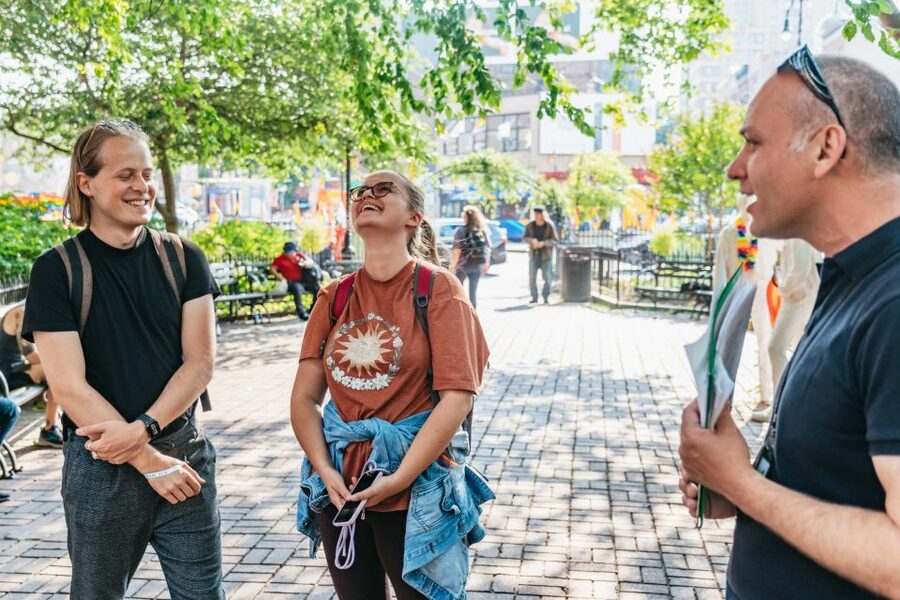
- Christopher Park: A National Register site tied to LGBTQ significance, where the story begins
- Stonewall Inn: The center of the 1969 uprising that helped shift LGBTQ rights worldwide
- Oscar Wilde Memorial Bookshop: Learn the site’s significance and the founder’s story
- Gay Street sign + Pride Flag: Small details that explain how places pick up meaning
- First Pride March site: See where the first march got its start
- LGBTQ bars Julius, Fedora, and Marie’s Crisis: Landmark meeting places along the route back to Christopher Park
New York City at street level, a few more walks
- SoHo, Little Italy, and Chinatown Walking Tour in New York
★ 5.0 · 3,153 reviews - Secrets of Grand Central Station Walking Tour New York City
★ 5.0 · 1,796 reviews - Greenwich Village Walking and Food Tasting Tour
★ 5.0 · 1,572 reviews - Artistic, Alternative Greenwich Village Walking Tour
★ 5.0 · 971 reviews
Christopher Park sets the tone for Pride’s origin story
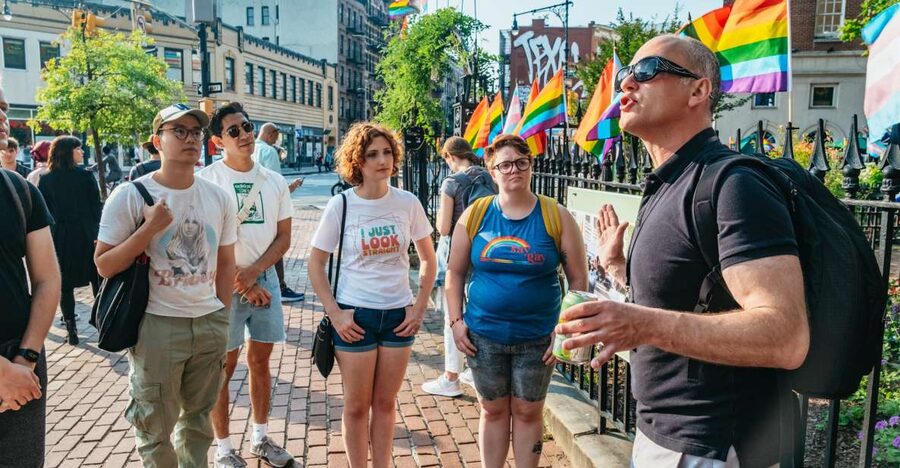
You’ll meet at the entrance to Christopher Park on West 4th Street, between 7th Avenue S and Grove Street. This is one of the few places in the National Register of Historic Places system that’s listed specifically for LGBTQ significance, so the tour starts with the right kind of context: not just facts, but why the place itself matters.
From the start, the guide frames what people were facing before the Stonewall uprising—unfair treatment and real pressure on LGBTQ people. That matters because the Stonewall story isn’t just a dramatic moment. It’s also the result of long-standing hostility and the choices people made when they couldn’t take it anymore.
I like that this isn’t only about triumph. You get the lead-up too, which makes the later stops feel earned instead of automatic.
Stonewall Inn: the 1969 turning point in walking distance
After you get your bearings in Christopher Park, the tour moves to the Stonewall Inn. This is the key stop for a reason. The uprising in 1969 helped mark a new beginning for the gay rights movement in the United States and beyond.
What I appreciate here is the way the guide ties the moment to the location. You’re not hearing about history in the abstract. You’re standing in the neighborhood where people showed up, pushed back, and forced the world to notice.
This stop is usually the one most people want to photograph, but I’d treat photos as secondary. First, listen for how the guide explains why the uprising happened, not just what happened. If you’re the kind of traveler who likes to understand cause and effect, you’ll get a lot out of this section.
Oscar Wilde Memorial Bookshop: Pride history with a literary thread
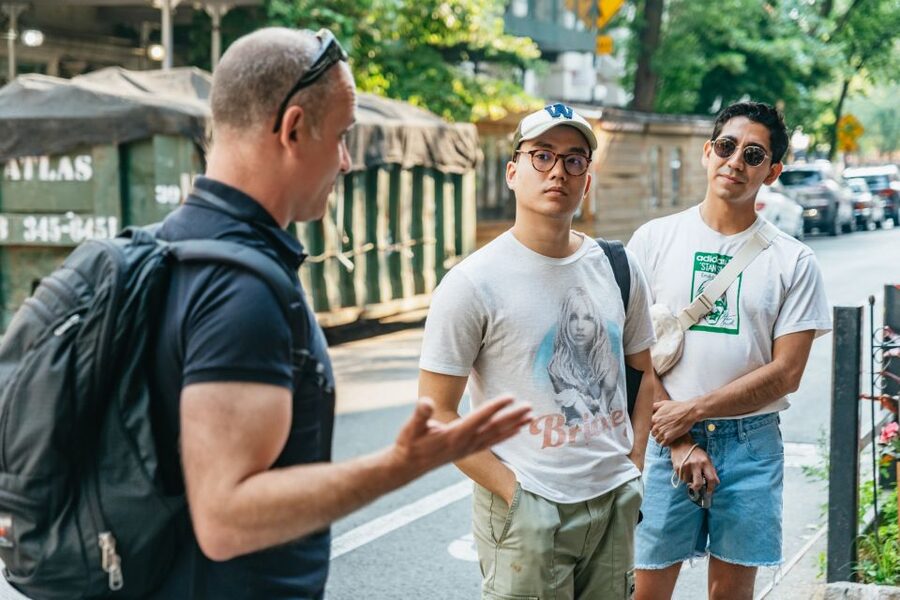
Next comes the Oscar Wilde Memorial Bookshop, and this stop adds a different flavor to the tour. The guide connects the site’s significance to the founder’s story, which helps show how LGBTQ communities built spaces for identity, information, and gathering—not only during crises, but in everyday life too.
This is a good shift in tone. Christopher Park and Stonewall focus on the uprising and its immediate meaning. The bookshop stop helps you see that Pride doesn’t happen only in protests. It also grows through culture, reading rooms, community hubs, and the kind of people who create them.
If you care about how movements spread—ideas, not just crowds—this stop tends to land well.
New York City on foot, a few more routes

Gay Street sign and the Pride Flag: the small clues that teach big meaning
After the bookshop, the tour works in a couple of place-based details that can be easy to miss on your own. You’ll see the Gay Street sign and hear about its coincidental naming. It’s one of those facts that doesn’t sound huge at first, but it reminds you how history and geography keep bumping into each other in New York.
Then you’ll visit the Pride Flag and the site of the first Pride March. This is where the tour connects protest to tradition. You’re not just learning what happened at Stonewall—you’re seeing how it turned into an ongoing public statement, year after year.
I like these stops because they make you look harder at what’s already in front of you. New York loves to look permanent, but the meaning behind street signs and flags can shift fast depending on who claims them.
Julius, Fedora, and Marie’s Crisis: Pride didn’t live only outdoors

One of the smartest parts of this route is that it doesn’t stop at “big landmark” history. You’ll also visit major LGBTQ bars that served as meeting points and social anchors.
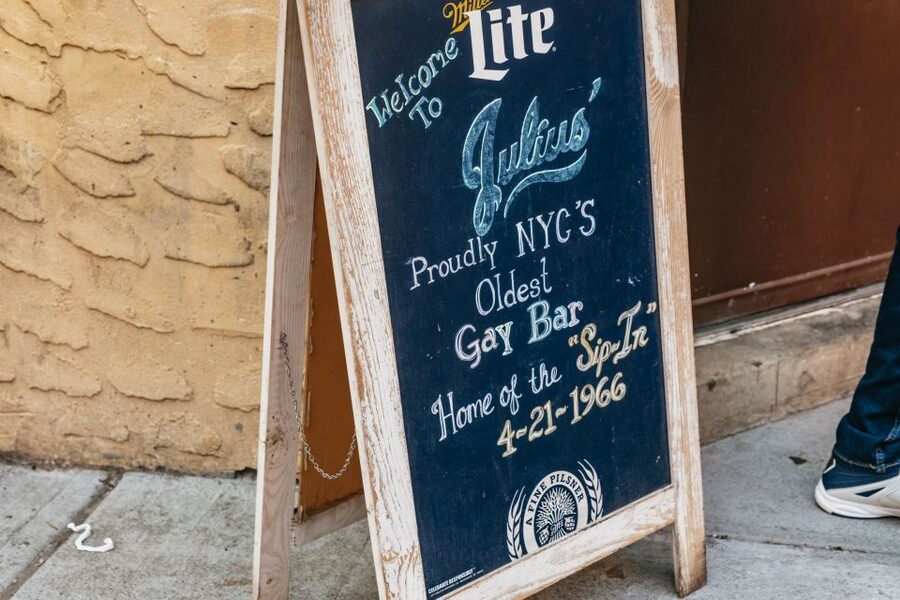
The tour includes Julius, Fedora, and Marie’s Crisis. These are the kinds of places where community networks were built—often with real risk attached in earlier decades. In other words: yes, there’s a headline story. But there’s also the daily reality of finding someone who understands you.
This is also a practical sightseeing bonus. Bars give you a natural sense of place. Even if you don’t go in, you understand the route by feeling how the neighborhood functions—where people gathered, and why those routes made sense.
Walking time, pacing, and how to get the most from 75 minutes

The total duration is about 75 minutes, and you’ll be walking and/or standing for roughly 1.5 hours. That’s enough time to cover a meaningful storyline without dragging. It’s also short enough that you can add it to a West Village afternoon and still keep your day moving.
Still, be realistic about the format. This tour is guide-led and can run talk-heavy. If you’re hoping for lots of back-and-forth questions, you’ll want to jump in early—ask what changed, ask what surprised you. The payoff is big, but you have to meet the tour halfway with your attention.
A nice note: when the tour is led by Joe (the name that comes up most often), people tend to describe the experience as friendly and passionate. That matters, because Stonewall and Pride history can feel intense. A guide who can keep things clear and humane helps you stay grounded as the story gets heavy.
Price value: why $30 can feel fair for this route
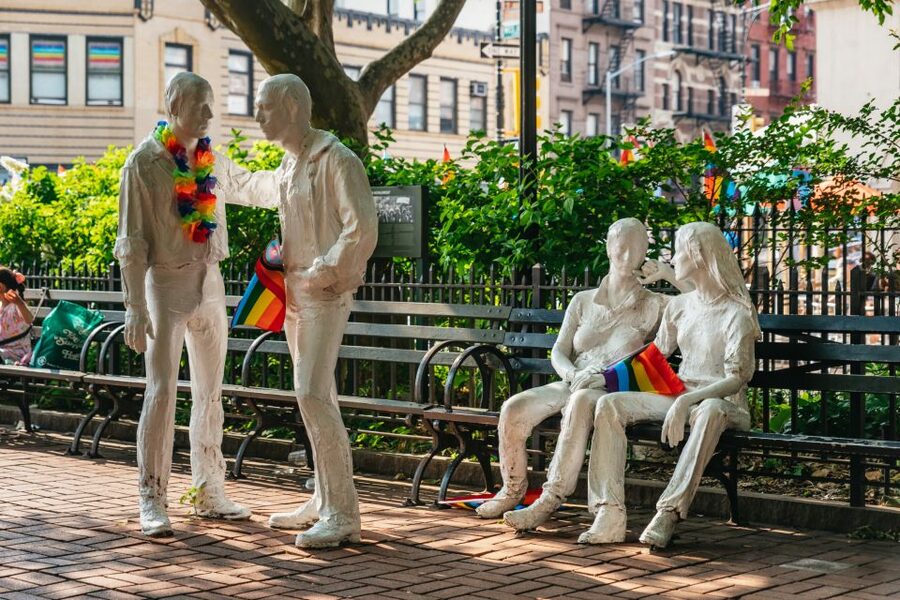
At $30 per person, you’re paying for a compact route that hits multiple landmark sites without requiring you to research each stop yourself. That’s the value: you get story, context, and connections in a short time window.
If you tried to do this alone, you could cobble together map stops. But you’d miss the specific links—why Christopher Park is nationally recognized, how Stonewall’s significance is explained on-site, what the Oscar Wilde Bookshop adds beyond the uprising, and why the first Pride March location matters.
For me, the best test of value is whether it saves you mental work. This tour does. It gives you a straight-line narrative across important places, which is exactly what you want when you’re only spending an hour or so.
Who should book (and who might want to choose another format)
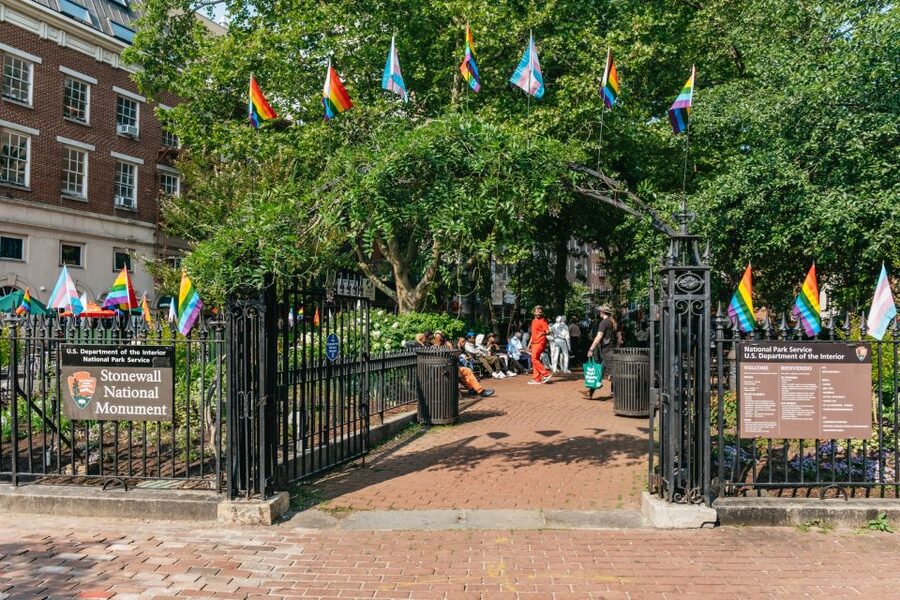
This Pride walking tour fits best if you:
- Want LGBTQ Pride history connected to exact locations in the West Village
- Prefer a guided explanation instead of reading up in advance
- Are comfortable walking and standing for about 90 minutes
It might not fit you as well if you:
- Have mobility limits that make sustained walking/standing difficult
- Want a more interactive, discussion-style tour rather than narration-forward delivery
- Need a slower pace with more visual time at each stop
Even though the activity is listed as wheelchair accessible, the overall requirement to walk and stand for about 1.5 hours is still the real-world factor to consider.
If you’re doing Pride-day or West Village sightseeing, this is a strong “anchor experience” that gives your other stops meaning.
Should you book this New York City Pride Walking Tour?
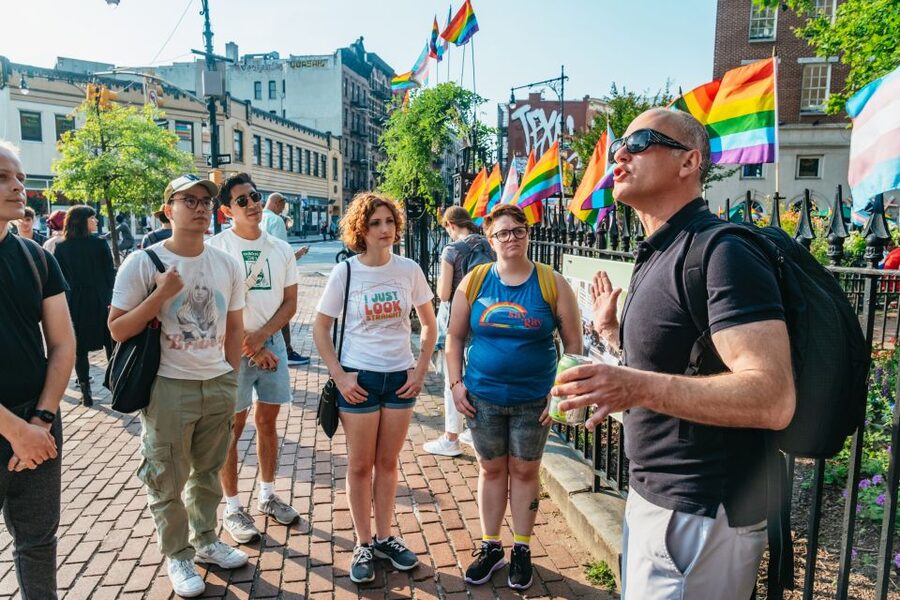
I’d say book it if you want a focused, on-the-ground understanding of Pride’s beginnings. The route covers the big landmarks—Christopher Park and Stonewall Inn—then expands into bookshop significance and recognizable LGBTQ bar sites. It’s not just a list of places; it’s a guided storyline that helps you connect the dots.
I’d skip it or swap plans if you dislike tours where most of the time is spent listening. The tour’s strength is the guide’s storytelling, not stopping often for freeform discussion. If that’s your style, you’ll likely leave feeling like you saw more than you would have on your own.
And one last practical tip: wear comfortable shoes and give yourself a little extra buffer afterward. You’ll likely want time to process what you learned before jumping into the rest of your day.
FAQ
Where is the meeting point?
Meet at the entrance to Christopher Park at West 4th Street, between 7th Avenue S and Grove Street.
How long is the tour?
The tour lasts about 75 minutes.
What stops are included on the route?
You’ll see Christopher Park, the Stonewall Inn, the Oscar Wilde Memorial Bookshop, the Gay Street sign, a Pride Flag stop, the site of the first Pride March, and LGBTQ bars including Julius, Fedora, and Marie’s Crisis.
What’s the walking/standing requirement?
The tour is designed for guests who can walk and/or stand for about 1 and a half hours.
Is it wheelchair accessible?
It’s listed as wheelchair accessible, but it also states it is not suitable for people with mobility impairments. The key factor is whether you can manage walking/standing for the duration.
What language is the tour guide?
The tour is guided in English.
What should I wear or bring?
Bring comfortable shoes and comfortable clothes.
Is there a cancellation policy?
Yes. There’s free cancellation up to 24 hours in advance for a full refund.
More Tours in New York City
- Statue of Liberty and Ellis Island Tour: All Options★ 5.0 · 13,571 reviews
- New York in One Day Guided Sightseeing Tour★ 5.0 · 13,166 reviews
- Central Park Pedicab Guided Tours★ 5.0 · 7,108 reviews
- New York City: Manhattan Helicopter Tour★ 4.7 · 7,076 reviews
- Private Central Park Pedicab Tour★ 5.0 · 6,981 reviews
More Tour Reviews in New York City
- NYC: SUMMIT One Vanderbilt Tickets★ 4.7 · 51,195 reviews
- NYC: Empire State Building Tickets – Observatory & Museum★ 4.7 · 25,757 reviews
- New York City: Statue of Liberty & Ellis Island with Ferry★ 4.6 · 18,683 reviews
- New York City: American Museum of Natural History Ticket★ 4.5 · 15,447 reviews
- Statue of Liberty and Ellis Island Tour: All Options★ 5.0 · 13,571 reviews
New York City, One Block at a Time
- SoHo, Little Italy, and Chinatown Walking Tour in New York★ 5.0 · 3,153 reviews
- Secrets of Grand Central Station Walking Tour New York City★ 5.0 · 1,796 reviews
- Greenwich Village Walking and Food Tasting Tour★ 5.0 · 1,572 reviews
- Artistic, Alternative Greenwich Village Walking Tour★ 5.0 · 971 reviews
- Brooklyn Bridge & DUMBO Neighborhood Tour – from Manhattan to Brooklyn★ 5.0 · 826 reviews
Just in: the newest New York City reviews on our desk





NYC Walking Tours, compared.
 ★ 5.0SoHo, Little Italy, and Chinatown Walking Tour in New YorkFrom $393,153 reviews
 ★ 5.0Secrets of Grand Central Station Walking Tour New York CityFrom $391,796 reviews
 ★ 5.0Greenwich Village Walking and Food Tasting TourFrom $941,572 reviews
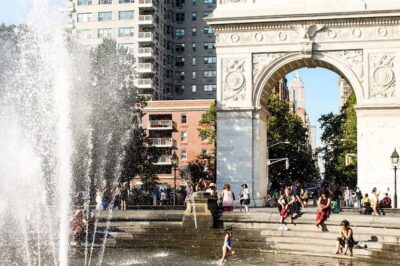 ★ 5.0Artistic, Alternative Greenwich Village Walking TourFrom $39971 reviews
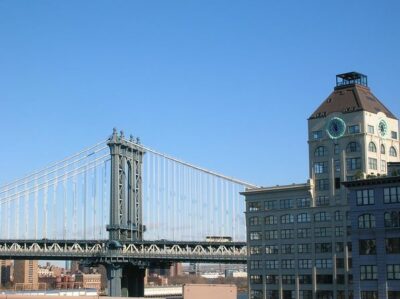 ★ 5.0Brooklyn Bridge & DUMBO Neighborhood Tour – from Manhattan to BrooklynFrom $49826 reviews
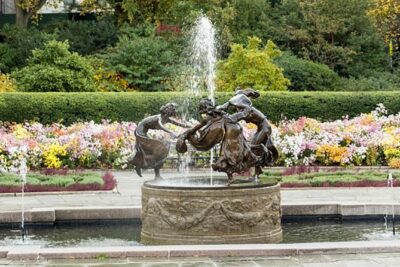 ★ 5.0Central Park Guided Walking TourFrom $44774 reviews
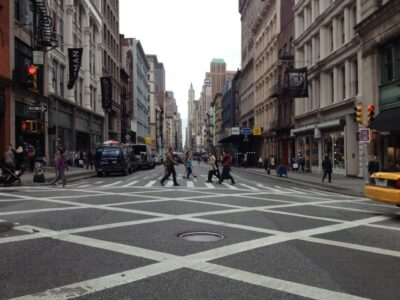 ★ 4.6Private Walking Tour with a LocalFrom $55771 reviews
 ★ 5.0NYC Lower East Side Walking and Food TourFrom $94646 reviews