
Reviewed · NYC WALKING TOURS
New York City: Prohibition Walking Tour
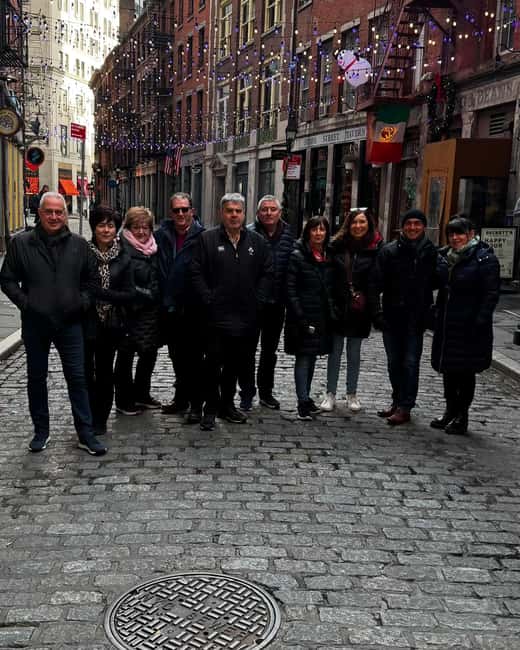
Prohibition in New York hits different when you walk it. This 2-hour Prohibition walking tour strings together four historic saloon stops, plus stops tied to the political muscle of Tammany Hall, with stories about bootleggers and gangsters you can picture in real places. I especially liked how the tour turns each bar into a story engine, and how Earl uses a tablet to show photos of the locations and the famous people connected to them. One thing to consider: you’re on your feet for a solid stretch, so it’s not ideal if walking is a challenge.
I also like that the tour keeps it straightforward: you get bar-hopping history without needing a classroom vibe. Earl’s tone is friendly and tuned to the street level, like hanging out with a knowledgeable friend who knows where the real characters used to sit. The one practical drawback is drink budgeting. The bars welcome you to buy something if you want, but drinks aren’t listed as included.
If you’re 21+ and you enjoy old New York neighborhoods, this is a great way to get your bearings fast. You start near Little Owl, then work through classic stops toward legendary end points, with Gramercy Park and Union Square in the mix.
In This Review
- Key things you’ll notice on this Prohibition tour
- Meeting Point, Pace, and What to Bring (So You Enjoy It)
- Little Owl to the First Bar Stop: Why the Tour Starts Where It Does
- McSorley’s: Beer Hall Energy and the Prohibition-Era Angle
- Little Italy Street-Walk: Bootleggers, Speakeasies, and Street-Level Clues
- Old Town Bar: When “Drinking” Was Also Business
- Tammany Hall: The Political Engine Behind the Liquor
- Gramercy Park and Union Square: Old Power, New Walkways
- Pete’s Tavern and the Legendary Finish
- Price and Value: What You’re Paying $59 For
- Who Should Book This Prohibition Walking Tour (And Who Should Skip)
- Should You Book This Tour?
- FAQ
- How long is the New York City Prohibition Walking Tour?
- What does the tour price include?
- Are drinks included?
- Where is the meeting point?
- What do I need to bring?
- Is the tour suitable for people with mobility impairments?
Key things you’ll notice on this Prohibition tour
- Earl runs the show with real personality and solid local detail, plus photo support on a tablet
- Four historic saloon stops with inside stories from staff you’ll actually meet in the moment
- Tammany Hall gets the spotlight, tying liquor, power, and corruption together
- Speakeasy and bootlegging context as you move through the streets, not just names on a wall
- Lots of walking for a 2-hour plan, so wear comfortable shoes and expect steps
- 21+ only, with ID required (a copy is accepted)
New York City at street level, a few more walks
- SoHo, Little Italy, and Chinatown Walking Tour in New York
★ 5.0 · 3,153 reviews - Secrets of Grand Central Station Walking Tour New York City
★ 5.0 · 1,796 reviews - Greenwich Village Walking and Food Tasting Tour
★ 5.0 · 1,572 reviews - Artistic, Alternative Greenwich Village Walking Tour
★ 5.0 · 971 reviews
Meeting Point, Pace, and What to Bring (So You Enjoy It)
You meet by a bench right across from Little Owl. If you’re even a few minutes late, you’ll feel it, since this is a short, focused 2-hour tour. Plan to arrive about 15 minutes early, then settle in before the group moves.
The pace is brisk enough that you’ll get your steps in, which is part of the charm. You’ll be hopping between old bars and nearby streets, so comfortable shoes matter more than you’d think. Also bring an ID card, and if you only have a copy, that’s accepted.
This tour is 21+ only, so come prepared if you’re checking in at any bar stop. If someone in your group isn’t eligible by age or timing, it can throw off the flow fast.
Little Owl to the First Bar Stop: Why the Tour Starts Where It Does
The tour kicks off at Little Owl, then quickly moves into Prohibition-era drinking culture. That first stretch matters because you’re not just hearing about the 1920s from afar. You’re learning how the city’s social geography worked: where people gathered, who had access, and how the line between respectable and criminal could blur in plain sight.
You can also think of the opening as a warm-up for how you’ll experience the rest of the tour. Earl’s style is practical. He sets context, then gives you a way to read what you’re seeing. That helps you connect the dots when the group reaches the older saloons and the stories turn sharper.
One more note: since this is a walking tour, you’ll get the most enjoyment if you keep your schedule loose and your attention switched on. If you’re scanning your phone the whole time, you’ll miss how Earl builds the story thread from stop to stop.
McSorley’s: Beer Hall Energy and the Prohibition-Era Angle
McSorley’s is one of the anchor stops, and it makes sense. Places like this are part of the city’s everyday identity, which is exactly why they fit this kind of tour. Prohibition didn’t erase alcohol culture. It forced it to adapt, shift, and hide.
At this stop, expect the focus to be less about fancy cocktails and more about the social rhythm around drinking. Earl ties the bar’s character to wider Prohibition-era behavior—how people wanted their rituals, how community formed, and how enforcement created demand for underground alternatives.
What I like about starting with a well-known New York bar is that it keeps you grounded. You can look around and say, Okay, this feels like a real place people would keep coming back to. Then the guide adds the layer: the same kind of hangout energy could be linked to speakeasy culture and the underworld networks behind it.
If you want to buy a drink, you can. Just plan on paying for it yourself; drinks are not stated as included across the tour.
After dark in New York City: more nights out

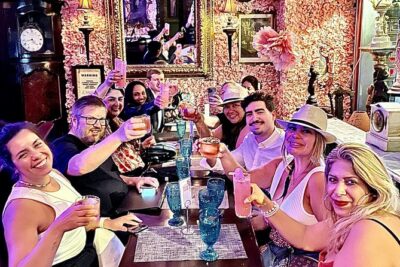
Little Italy Street-Walk: Bootleggers, Speakeasies, and Street-Level Clues
After McSorley’s, the walking shifts toward Little Italy. Even if you’ve been through the neighborhood before, this part of the route changes how you see it. Earl uses the streets as a narrative tool, connecting the rise of speakeasies and the city’s corrupt political machine to the lived reality of where people moved and met.
This stop is about mindset. Instead of treating Prohibition like a single law that ruined things, the tour frames it as a system that produced opportunities. That’s where the bootlegger stories click. You start to understand how networks formed and why certain neighborhoods became useful stepping-stones.
A practical tip: keep your pace steady here. You’re walking through active streets, and it helps if you don’t lag behind while Earl is explaining how the pieces fit together.
Old Town Bar: When “Drinking” Was Also Business
Old Town Bar is another key saloon stop, and it’s the kind of place where the line between nightlife and “deal-making” can feel believable, even now. This is where the tour leans hardest into the idea that these bars weren’t just for fun. They were hubs for organised crime and corruption, where mobsters and political powerhouses could cross paths.
Earl’s storytelling style helps you hold two ideas at once:
- These were ordinary-looking drinking rooms.
- The people behind the scenes were often operating with serious leverage.
You’ll likely hear inside-sounding details tied to the kinds of customers who frequented such places, and how staff and regulars experienced the changing rules and enforcement pressures.
If you’re a beer person, you’ll probably enjoy the stop just for the atmosphere, with the history adding a second layer. If you’re not a beer person, it’s still a good stop because it’s not only about what was served. It’s about what the room made possible.
Tammany Hall: The Political Engine Behind the Liquor
This is the most important “why it happened” stop on the tour. Tammany Hall comes into the story as the political force that helped shape how power operated in the city. The key lesson isn’t just that politics was involved. It’s that political influence and enforcement could mesh, stall, ignore, or steer consequences.
As you move through this section, Earl ties the Prohibition world to organised political networks: deals, corruption, and how enforcement could be uneven. That helps the gangster and bootlegger stories feel less like isolated crime tales and more like a system with incentives.
For me, this is where the tour becomes more than bar trivia. You get a clearer sense of why speakeasies rose so quickly, and why the city’s underworld wasn’t just about liquor. It was also about control, access, and who could protect whom.
Gramercy Park and Union Square: Old Power, New Walkways
Then you shift into the pretty part of the route: Gramercy Park and Union Square. These neighborhoods might look like a calm break compared to the street-level gangster stories, but that contrast is useful. Earl uses the calm blocks to show how Prohibition-era culture didn’t live only in obvious places. It also lived next door to respectable life.
This is where you’ll enjoy the walk itself. You can pause your brain for a moment, look around, and let the neighborhood setting do its job. The tour connects the dots so you don’t just see sights. You understand why these areas mattered for gathering, movement, and influence.
One practical thought: take this part of the walk at a normal pace. When the streets open up, it’s easy to speed ahead. Staying with the group helps you catch the guide’s specific connections.
Pete’s Tavern and the Legendary Finish
Pete’s Tavern rounds out the bar experience and brings the tour to a strong landing point. This stop works as a final chapter because it leaves you with a sense of continuity: even after Prohibition’s collapse and all the crime-and-corruption headlines, these places stayed part of the city’s social identity.
Earl typically brings the storytelling thread together by now, so the last stop feels like a conclusion without turning into a lecture. You’ve seen multiple saloons, heard speakeasy and bootlegging context, and now you understand the big pattern: drinking culture, political power, and organised crime were interlocked during Prohibition.
If you want to keep the night going, this is a good place to do it. Grab a drink if the bar offers it and you want to extend the experience. Just keep in mind the tour ends back at Little Owl, so plan a route after you’ve finished.
Price and Value: What You’re Paying $59 For
At $59 per person for a 2-hour tour, you’re paying for four things:
- Access to multiple historic saloon stops, not just one
- Guided storytelling that connects liquor culture to political power
- Site-based context as you walk through older neighborhoods
- A guide like Earl who uses a tablet with photos to anchor the facts
The value gets clearer when you think about what’s actually included. Entry into the bar stops is part of the tour experience, and you’ll get the inside stories tied to the places. You’re also visiting Tammany Hall and spending time around Gramercy Park and Union Square, which adds variety beyond the bars.
The one value caveat is drinks. The tour indicates that drinks are paid for by guests. A review mentions drinks being included at each stop, so it sounds like the on-the-ground experience can vary. My advice: don’t count on free drinks. Bring cash or a card and be ready to purchase if you want something while you’re there.
Who Should Book This Prohibition Walking Tour (And Who Should Skip)
This tour is a good fit for you if you like:
- Old-school New York bars and the stories behind them
- Prohibition-era crime stories with a political angle
- Walking tours where the guide ties neighborhoods to events
- Feeling like you’re seeing real places, not just hearing facts
It’s not a good fit if:
- You have mobility impairments, since it’s not suitable
- You’re under 21, since it’s 21+ only
- You want a low-step, sitting-heavy experience
Also, if you’re the type who likes to read about history later, this tour gives you names and places to chase afterward. Earl’s photo approach makes it easier to remember what you saw.
Should You Book This Tour?
I’d book it if you want a Prohibition-themed NYC experience that’s grounded in actual saloons and linked to the city’s political power. Earl’s style, plus the photo support he uses, helps the stories land in a way that feels practical, not myth-making.
Skip it if you dislike walking, you need a strictly seated format, or you’re hoping the tour covers drinks for free. If you go in knowing you’ll likely buy your own drink and you wear comfortable shoes, you’ll get a lot out of the time.
FAQ
How long is the New York City Prohibition Walking Tour?
The tour lasts 2 hours.
What does the tour price include?
You’ll visit four historic saloon stops, get inside stories from staff, hear gangster and bootlegger stories, and also visit Tammany Hall and Gramercy Park.
Are drinks included?
Drinks are paid for by the guest. The bars welcome you to purchase a drink if you wish.
Where is the meeting point?
You meet across from Little Owl, at a bench.
What do I need to bring?
Bring comfortable shoes and an ID card (a copy is accepted). You must be 21+.
Is the tour suitable for people with mobility impairments?
No, it is not suitable for people with mobility impairments.
More Tour Reviews in New York City
- NYC: SUMMIT One Vanderbilt Tickets★ 4.7 · 51,195 reviews
- NYC: Empire State Building Tickets – Observatory & Museum★ 4.7 · 25,757 reviews
- New York City: Statue of Liberty & Ellis Island with Ferry★ 4.6 · 18,683 reviews
- New York City: American Museum of Natural History Ticket★ 4.5 · 15,447 reviews
- Statue of Liberty and Ellis Island Tour: All Options★ 5.0 · 13,571 reviews
When the Lights Come Up
- NYC: Speakeasy Drinks and Prohibition History Tour★ 4.7 · 474 reviews
- NYC: Bar, Lounge and Rooftop Nightlife Tour★ 4.6 · 442 reviews
- Guided Speakeasy Walking Tour of New York City★ 4.5 · 336 reviews
- The Speakeasy Adventure: A Tipsy Trip Through History★ 5.0 · 220 reviews
- Speakeasy Drinks and Prohibition History Tour NYC★ 4.5 · 204 reviews
New York City, One Block at a Time
- SoHo, Little Italy, and Chinatown Walking Tour in New York★ 5.0 · 3,153 reviews
- Secrets of Grand Central Station Walking Tour New York City★ 5.0 · 1,796 reviews
- Greenwich Village Walking and Food Tasting Tour★ 5.0 · 1,572 reviews
- Artistic, Alternative Greenwich Village Walking Tour★ 5.0 · 971 reviews
- Brooklyn Bridge & DUMBO Neighborhood Tour – from Manhattan to Brooklyn★ 5.0 · 826 reviews
Just in: the newest New York City reviews on our desk


NYC Walking Tours, compared.
 ★ 5.0SoHo, Little Italy, and Chinatown Walking Tour in New YorkFrom $393,153 reviews
 ★ 5.0Secrets of Grand Central Station Walking Tour New York CityFrom $391,796 reviews
 ★ 5.0Greenwich Village Walking and Food Tasting TourFrom $941,572 reviews
 ★ 5.0Artistic, Alternative Greenwich Village Walking TourFrom $39971 reviews
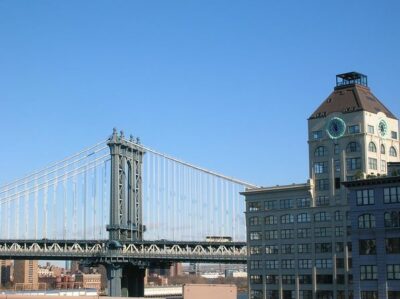 ★ 5.0Brooklyn Bridge & DUMBO Neighborhood Tour – from Manhattan to BrooklynFrom $49826 reviews
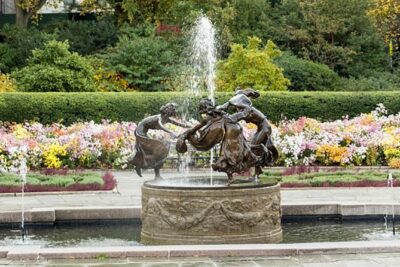 ★ 5.0Central Park Guided Walking TourFrom $44774 reviews
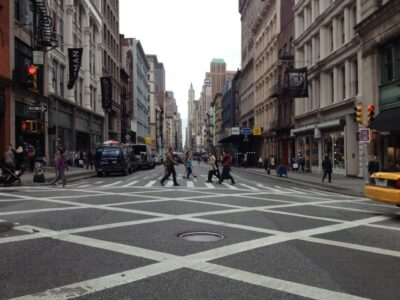 ★ 4.6Private Walking Tour with a LocalFrom $55771 reviews
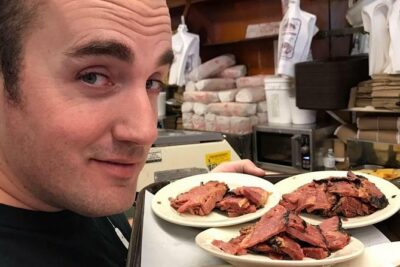 ★ 5.0NYC Lower East Side Walking and Food TourFrom $94646 reviews
Browse the lists this tour appears in