
Reviewed · NYC FOOD TOURS
New York City’s Hell’s Kitchen: Walking Food Tour
Five stops, one neighborhood, and big stories.
This Hell’s Kitchen walking food tour is a fun way to eat around the world while you learn how this area got its nickname and why it’s tied to West Side Story. I love the 5 food stops that keep changing flavor and mood, and I love how the walk connects what you taste to what the neighborhood went through—Irish roots, ethnic tension, and the gritty-era reputation that shaped the place. One thing to consider: some tastings can be a little hands-on and communal, which may feel awkward if you prefer everything plated for you.
You’ll meet at Gyu-Kaku on W 44th Street, then spend about 150 minutes on your feet. With a small group capped at 8, the pace stays human-sized, and you’ll have time to ask questions instead of shouting over a crowd. Bring good shoes and come hungry—you’ll likely leave too full for a big dinner plan.
In This Review
- Key points to look forward to
- Where the tour starts: Gyu-Kaku on W 44th Street
- How food and history fit together on this walk
- Stop by stop: Japanese, Georgian, Indian-Mexican fusion, meatballs, cookies
- 1) A Japanese-first tasting near the start
- 2) Georgian flavors with khinkali on the menu
- 3) Indian-spice heat meets Mexican-style comfort
- 4) Meatballs: the Midtown classic in Hell’s Kitchen form
- 5) Cookie time with a side of neighborhood stories
- A note on shared-food moments (the one thing to plan for)
- Meeting the guide: stories, pacing, and what to ask
- Food, pacing, and how to not overbook your evening
- Vegetarian option: what you can and can’t request
- Price and value: is $129 really fair for NYC?
- Who this tour fits best (and who should skip it)
- Quick practical tips before you go
- Should you book this Hell’s Kitchen walking food tour?
- FAQ
- How much does the Hell’s Kitchen walking food tour cost?
- How long is the tour?
- Where do I meet for the tour?
- How many food stops are included?
- Is there a vegetarian option?
- Can the tour accommodate vegan, kosher, gluten-free, or nut allergies?
- Are pets allowed?
- What language is the tour conducted in?
- What is the group size?
- Can I get a full refund if plans change?
Key points to look forward to
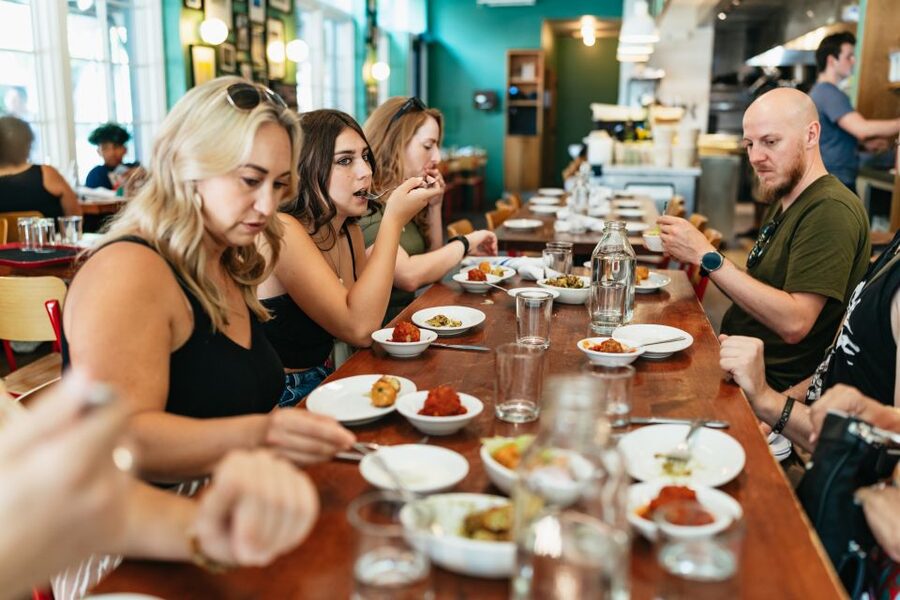
- 5 restaurant stops across Hell’s Kitchen, so you’re not stuck eating the same style all evening
- Hell’s Kitchen origin stories, including how the neighborhood got its name
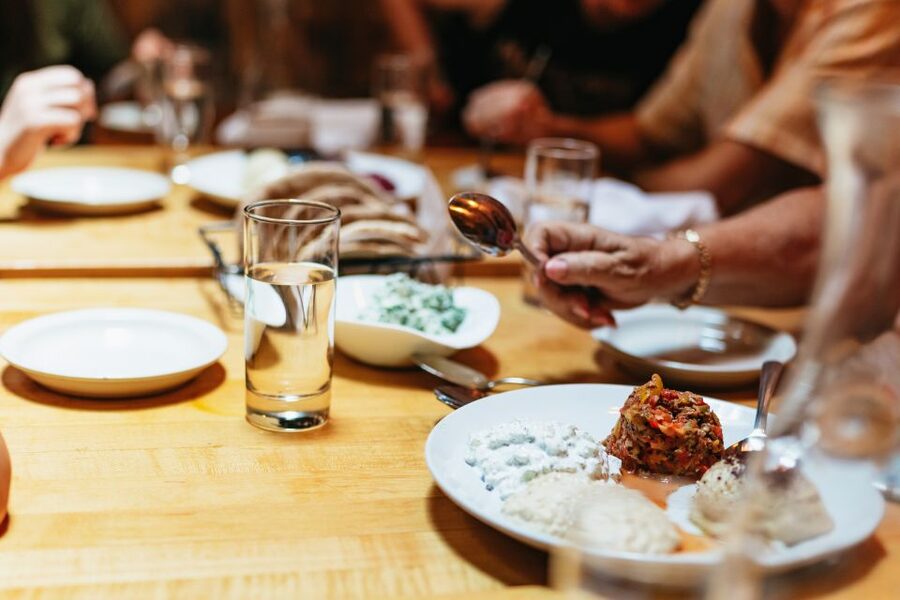
- Global menu variety, from Japanese dishes to Georgian flavors to Indian-Mexican fusion and more
- Sit-down tastings at several stops, so it’s not just snack-in-the-street
- Small group energy (max 8), which makes the history talk and Q&A feel personal
- Plan for comfort, since you may encounter shared food-style moments at certain tastings
Still hungry? More New York City food tours
- NYC: Chinatown & Little Italy Food Tour with 7 Flavorful Tastings
★ 5.0 · 2,733 reviews - Original NYC Guided Food Tour of Chinatown and Little Italy
★ 5.0 · 2,194 reviews - NYC: Greenwich Village Food Tour with 6 Locals Favorites Dishes
★ 5.0 · 1,812 reviews - Greenwich Village Walking and Food Tasting Tour
★ 5.0 · 1,572 reviews
Where the tour starts: Gyu-Kaku on W 44th Street
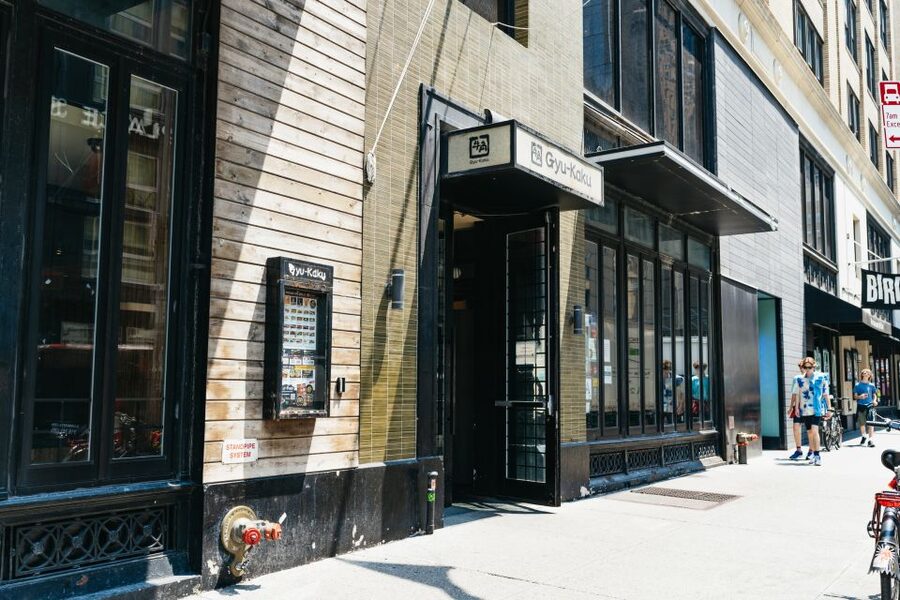
Your day begins at Gyu-Kaku, 321 W 44th Street, between 8th and 9th Avenues. It’s a convenient Midtown landmark area, easy to reach if you’re already exploring the Theater District zone.
I like this start because it sets expectations fast: you’re in the right pocket of Hell’s Kitchen for walking, and the tour’s focus stays tight. You’re not crossing the city for distant food—you’re sampling what this neighborhood actually offers, step by step.
How food and history fit together on this walk
This tour isn’t only about eating. The guide links each tasting to the neighborhood’s identity—immigrant waves, competition for space, and the reputation Hell’s Kitchen built over time.
The tour covers three big themes you’ll hear along the way:
- how Irish Americans were part of the early neighborhood story
- how the notorious nickname came to be
- how the area’s rise, trouble, and reinvention feed into pop culture like West Side Story
That combo matters because it changes your mindset while you eat. Instead of just going, That’s tasty, you’ll also notice why these businesses exist now—and why Hell’s Kitchen became a magnet for different communities and food styles.
Guides on this experience rotate, but the pattern is consistent: storytelling drives the walk. People often mention guides such as Alex, Jake, Cale, Claire, Jonathan, Dave, David Tuck, and Nicky, and what they have in common is a friendly, talk-to-you pace that makes questions feel welcome.
Stop by stop: Japanese, Georgian, Indian-Mexican fusion, meatballs, cookies
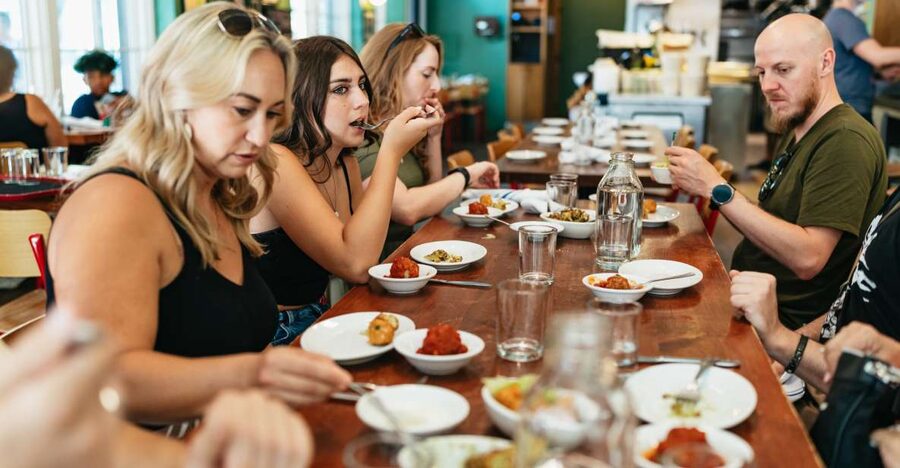
You’ll hit five distinct eateries. The exact order can vary by day, but the menu variety is the point: you’ll get a real cross-section of what Hell’s Kitchen serves, not just one safe category.
New York City at street level, a few more walks


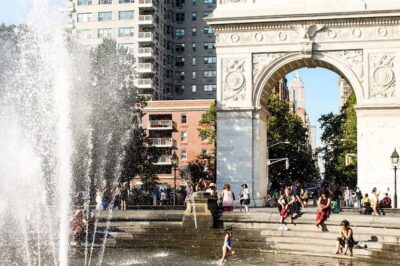
1) A Japanese-first tasting near the start
Because you meet at Gyu-Kaku, you’ll begin the tour with Japanese food energy right away. Expect flavors that feel different from the classic NYC fast bites—something warmer, more savory, and often built around shareable dishes.
This is a smart opening. Japanese food tends to reset your palate, so when you move into Georgian and fusion options later, it feels like a bigger journey rather than repeating the same tastes.
2) Georgian flavors with khinkali on the menu
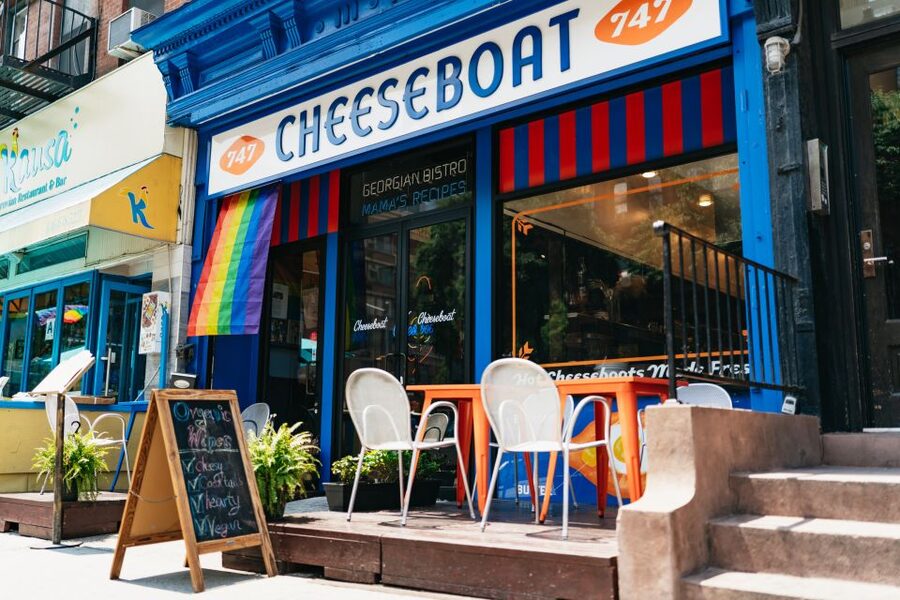
One stop centers on Georgian food, including khinkali—those dumplings that are as much about ritual as they are about flavor. Georgian cuisine brings bold aromatics and comfort in the same bite, and it’s a great choice on a tour like this because most people don’t seek it out on their own.
If you’re the type who likes learning while you eat, this stop gives you that. You’ll get context for why such dishes show up in a place like Hell’s Kitchen: immigrant foodways don’t stay in one lane, and the neighborhood has always been ready to adopt what works.
3) Indian-spice heat meets Mexican-style comfort
Another stop leans into Indian spices with a Mexican-leaning angle, sometimes described as Indian-Mexican fusion. Think about it as the best kind of overlap: familiar formats with unfamiliar spices that make you sit up and pay attention.
This is one of those tastings where you might discover you like spice more than you thought. And even if you don’t call yourself a spicy-food person, the flavors tend to be memorable without needing extreme heat.
4) Meatballs: the Midtown classic in Hell’s Kitchen form
You’ll also visit a famous meatball spot often called The Meatball Shop. Meatballs are a good anchor dish because they’re comforting and easy to compare across cuisines and styles.
This stop also tends to be a crowd-pleaser in the best way: even if you came for the history, you’ll likely end up glad you didn’t skip the savory classic.
5) Cookie time with a side of neighborhood stories
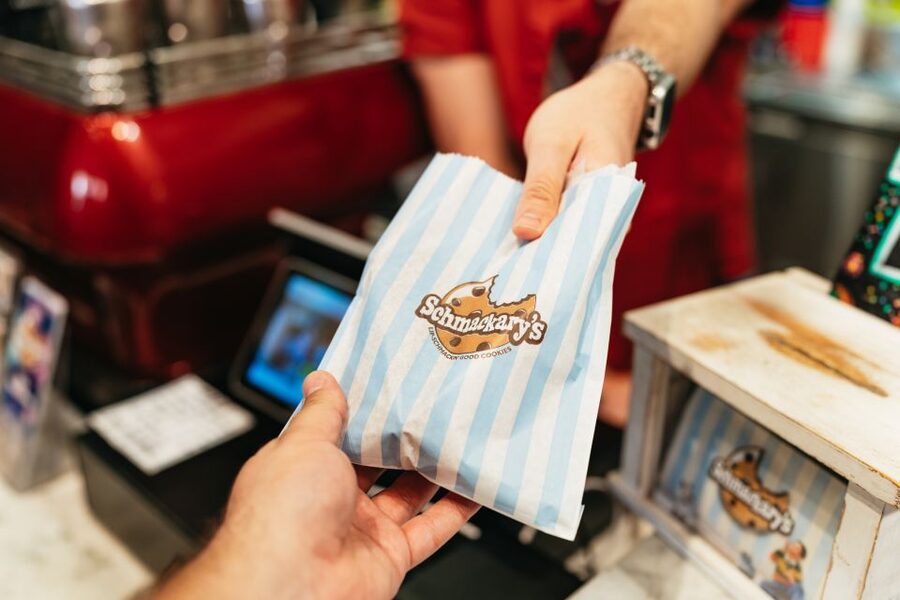
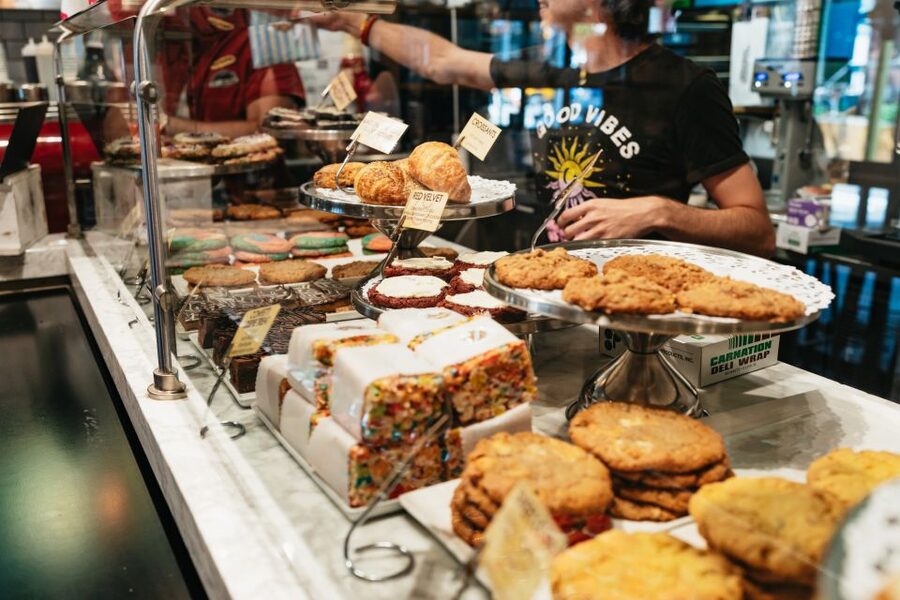
The tour includes a stop for freshly baked cookies, plus some of the fun backstory people remember long after the last bite. This is your sweet payoff—and it also slows you down just enough to enjoy the walk instead of rushing to the next tasting.
If you’re planning desserts later, I’d adjust expectations. Between savory stops and cookie time, your stomach will have its own itinerary.
A note on shared-food moments (the one thing to plan for)
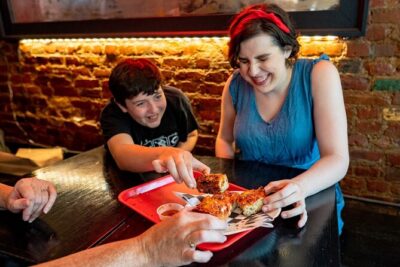
One review mentioned an awkward feeling when food is shared from the same dish. That kind of setup can happen on food tours, especially when the tasting is designed to feel communal.
If you’re picky about utensils, portion control, or not reaching into shared food, you might want to go in with a flexible mindset. The tour style is friendly and social, but it’s still worth knowing that it isn’t always plated one-person-one-portion.
Meeting the guide: stories, pacing, and what to ask
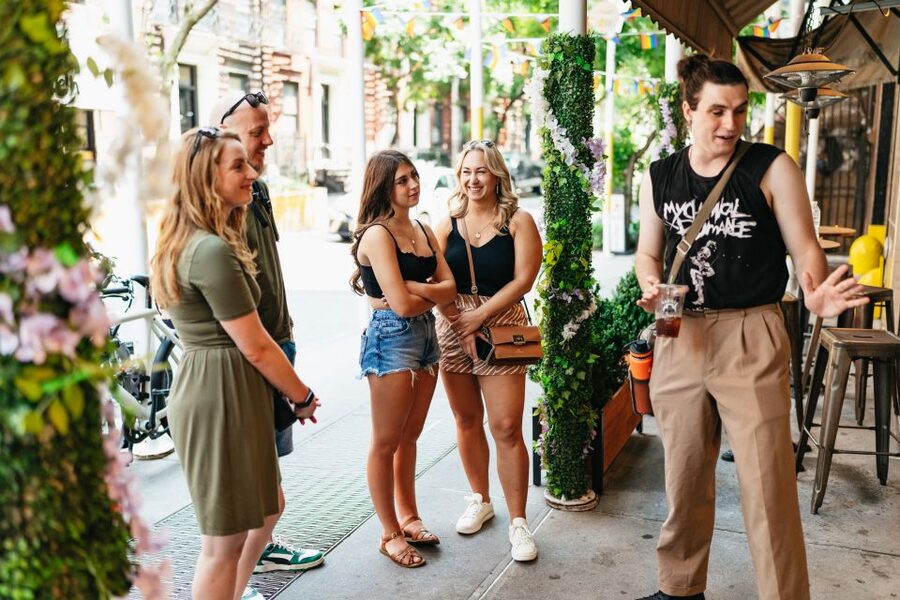
You’re with a guide for the whole walk, and you get more than facts. You get the why behind the facts—how neighborhoods earn reputations, how they change, and how pop culture latches onto real streets.
People often call out guides for being approachable and energetic. One recurring detail is that the guide doesn’t just talk and walk—they answer questions, keep the group engaged, and offer practical ideas for the rest of your day in NYC. Some guests even mention getting extra help with show plans and food recommendations.
What should you ask? Three questions that make the tour click:
- How did Hell’s Kitchen’s nickname connect to daily life, not just crime headlines?
- What part of the immigrant story most shaped the food you’re tasting today?
- After West Side Story, what changed in the area—and what didn’t?
You’ll get more out of the history if you treat it like a conversation, not a lecture.
Food, pacing, and how to not overbook your evening
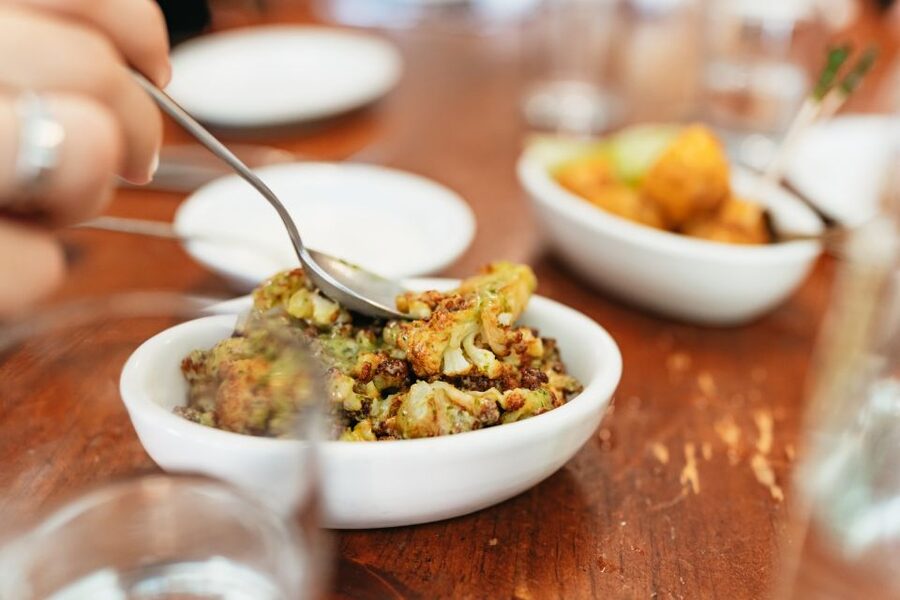
This is a 150-minute walking tour, and it’s set up so you’re eating steadily across the neighborhood. At 5 stops, the goal is full flavor variety, not a few token bites.
A few practical notes I’d stick to:
- Plan your schedule so you don’t also need a big dinner after. Many people come away so full that they skip dinner plans.
- Bring good shoes. You’re walking in Midtown, and the pace is part of the experience.
- If you get seated at restaurants, enjoy that time. Several stops include indoor seating, which makes the tour feel more like a food crawl than a parade.
The group stays small—max 8 participants—so the tour doesn’t turn into a sprint. You still should expect some walking, though, and you’ll want comfortable socks.
Vegetarian option: what you can and can’t request
Here’s the big planning piece: the tour offers a vegetarian option. You need to inform the local supplier at booking if you want it.
Anything beyond that has limits. The tour data states they cannot accommodate vegan, kosher, nut allergies, dairy free, or gluten-free diets. So if your needs are more specific than vegetarian, you’ll need a different plan for food safety and comfort.
This is one reason I suggest you match your expectations to the offering. If you’re vegetarian, you’re in luck. If you’re dealing with allergies or strict dietary restrictions, the tour isn’t designed for those requests.
Price and value: is $129 really fair for NYC?
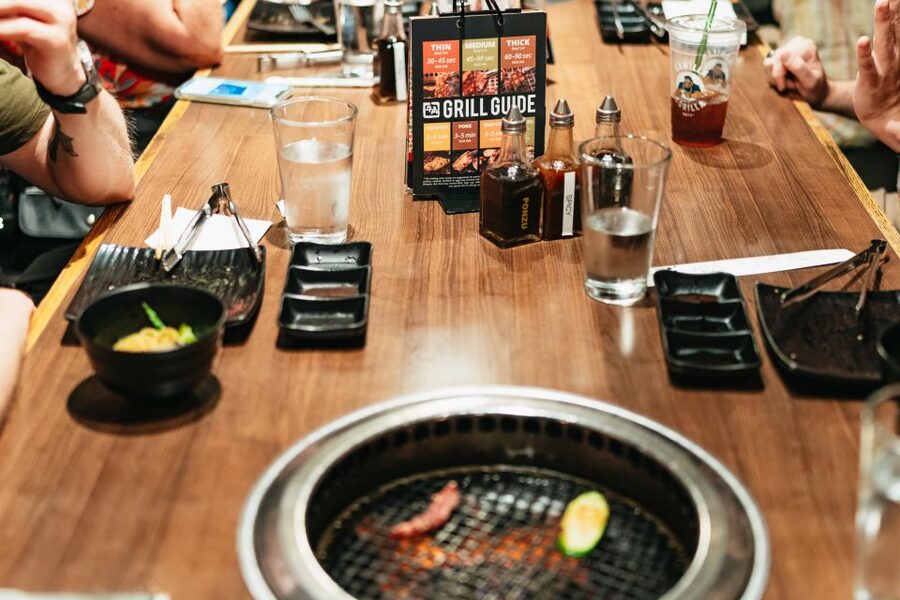
At $129 per person for about 150 minutes and 5 food stops, the price isn’t bargain-basement. But in NYC terms, it often pencils out because you’re getting:
- a live guide for the full walk
- multiple restaurant tastings (not just a couple bites)
- a structured neighborhood story that adds meaning to each stop
- a small group experience (max 8), which reduces waiting and makes it more enjoyable
The best way to judge value is to think about what you’d pay if you visited these kinds of places solo. Even if you don’t order full meals, tasting across multiple restaurants costs money fast in Midtown.
Also, consider what you save. If the tour leaves you full, you may skip or downsize the next meal. That small decision can offset a chunk of the tour cost.
Who this tour fits best (and who should skip it)
This tour is a great fit if you want a practical NYC experience with two payoffs: food variety plus neighborhood context. I also think it works well if you like asking questions and learning while you walk, not after.
It’s especially good for:
- first-time Hell’s Kitchen explorers who want orientation fast
- food lovers who want more variety than a single cuisine tour
- couples and small groups that prefer talking with a guide instead of competing with crowds
It may not fit as well if:
- you need strict dietary accommodations beyond vegetarian
- you strongly dislike any shared or hands-on tasting moments
- you want a very light, snack-only experience (this one is designed to fill you up)
Quick practical tips before you go
- Wear good shoes. Expect steady walking.
- Come hungry. Seriously. The tour is built around multiple stops.
- If you’re vegetarian, book with that request early.
- If you’re bringing a service animal, it’s allowed; regular pets aren’t.
One more small strategy: keep some notes mentally. The tour covers how Hell’s Kitchen got its name and its cultural ties. Those details help you recognize what you’re seeing later when you’re just wandering the streets.
Should you book this Hell’s Kitchen walking food tour?
If you want one activity that combines five different tastings with a clear picture of Hell’s Kitchen’s transformation, I’d say yes. The format is efficient: you cover a lot of ground, eat a lot of variety, and leave with stories that make the neighborhood feel real.
Book it if you’re vegetarian or you can eat the range of cuisines. Skip it if you need strict dietary accommodations beyond vegetarian or if you’re bothered by shared-food-style tasting moments.
In short: this is a solid way to turn a couple hours in Midtown into both a meal and a mini history lesson—without wasting time on guesswork.
FAQ
How much does the Hell’s Kitchen walking food tour cost?
The price is $129 per person.
How long is the tour?
The duration is 150 minutes.
Where do I meet for the tour?
You meet at Gyu-Kaku, 321 W 44th Street, between 8th and 9th Avenues.
How many food stops are included?
The tour includes food stops at 5 different locations.
Is there a vegetarian option?
Yes, a vegetarian option is available. You need to inform the local supplier at the time of booking.
Can the tour accommodate vegan, kosher, gluten-free, or nut allergies?
No. Other dietary needs cannot be accommodated on this tour, including vegan, kosher, nut allergies, dairy free, or gluten-free diets.
Are pets allowed?
Pets are not allowed, but assistance dogs are allowed.
What language is the tour conducted in?
The tour is conducted in English.
What is the group size?
The tour is a small group limited to 8 participants.
Can I get a full refund if plans change?
You can cancel up to 24 hours in advance for a full refund.
More Tour Reviews in New York City
- NYC: SUMMIT One Vanderbilt Tickets★ 4.7 · 51,195 reviews
- NYC: Empire State Building Tickets – Observatory & Museum★ 4.7 · 25,757 reviews
- New York City: Statue of Liberty & Ellis Island with Ferry★ 4.6 · 18,683 reviews
- New York City: American Museum of Natural History Ticket★ 4.5 · 15,447 reviews
- Statue of Liberty and Ellis Island Tour: All Options★ 5.0 · 13,571 reviews
New York City, One Block at a Time
- SoHo, Little Italy, and Chinatown Walking Tour in New York★ 5.0 · 3,153 reviews
- Secrets of Grand Central Station Walking Tour New York City★ 5.0 · 1,796 reviews
- Greenwich Village Walking and Food Tasting Tour★ 5.0 · 1,572 reviews
- Artistic, Alternative Greenwich Village Walking Tour★ 5.0 · 971 reviews
- Brooklyn Bridge & DUMBO Neighborhood Tour – from Manhattan to Brooklyn★ 5.0 · 826 reviews
Eat Your Way Through New York City
- NYC: Chinatown & Little Italy Food Tour with 7 Flavorful Tastings★ 5.0 · 2,733 reviews
- Original NYC Guided Food Tour of Chinatown and Little Italy★ 5.0 · 2,194 reviews
- NYC: Greenwich Village Food Tour with 6 Locals Favorites Dishes★ 5.0 · 1,812 reviews
- Greenwich Village Walking and Food Tasting Tour★ 5.0 · 1,572 reviews
- New York City Mafia and Local Food Tour led by NYPD Guides★ 5.0 · 1,197 reviews
Just in: the newest New York City reviews on our desk





NYC Food Tours, compared.
 ★ 5.0Chinatown & Little Italy Food Tour with 7 Flavorful TastingsFrom $992,733 reviews
 ★ 5.0Original NYC Guided Food Tour of Chinatown and Little ItalyFrom $1302,194 reviews
 ★ 5.0Greenwich Village Food Tour with 6 Locals Favorites DishesFrom $971,812 reviews
 ★ 5.0Greenwich Village Walking and Food Tasting TourFrom $941,572 reviews
 ★ 5.0New York City Mafia and Local Food Tour led by NYPD GuidesFrom $1091,197 reviews
 ★ 5.0Lower East Side Food Tour: Taste NYC’s American DreamFrom $541,031 reviews
 ★ 5.0True Crime NYC: Mafia Walk w/Ret. NYPD Detective and Local FoodFrom $75848 reviews
Browse the lists this tour appears in