
Reviewed · NYC WALKING TOURS
New York: Rock and Roll History and Culture Walking Tour
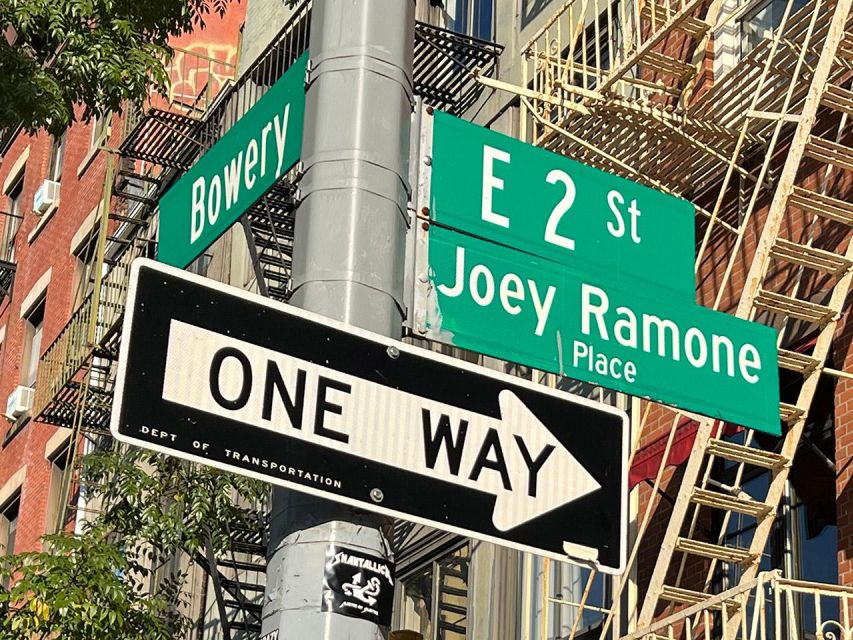
Rock history, mapped block by block. I like how this 3-hour Greenwich Village walk strings together Bob Dylan and CBGB into one easy-to-follow route, with stops tied to album-cover moments. It’s the kind of tour that turns a neighborhood you think you know into a set of street-level music facts you’ll remember.
My favorite part is the pacing: you spend enough time at key spots to hear context, not just point-and-shoot photos. The one thing to consider is that it covers about 3 miles and isn’t set up for people with mobility impairments.
In This Review
- Key Things You’ll Enjoy on This New York Rock Tour
- Entering the Rock Scene: Why Greenwich Village Works So Well
- Meeting at 101 Astor Place: Your First Win Is Getting Oriented
- East Village Stories: Dylan and Hendrix, Not Just Big Names
- CBGB: The Punk Birthplace Stop You’ll Actually Remember
- Greenwich Village to Washington Square: Album-Cover Physics in Real Life
- West Village: Art, Music, and the Stuff Between the Headlines
- Album-Cover Stops: The Side Quest That Makes Photos Worth It
- White Horse Tavern Finish: The Tragic Ending That Sticks
- Price and Value: Is $45 Fair for a 3-Hour Rock Walk?
- Who Should Book This (and Who Should Skip It)?
- Should You Book This New York Rock and Roll History Walking Tour?
- FAQ
- How long is the New York Rock and Roll History and Culture Walking Tour?
- How far is the tour walking distance?
- Where do I meet the guide?
- What is the maximum group size?
- Is the tour suitable for people with mobility impairments?
- What should I bring, and are pets allowed?
Key Things You’ll Enjoy on This New York Rock Tour
- Small group (max 6) means you’re not shouting over a crowd and questions actually get answered
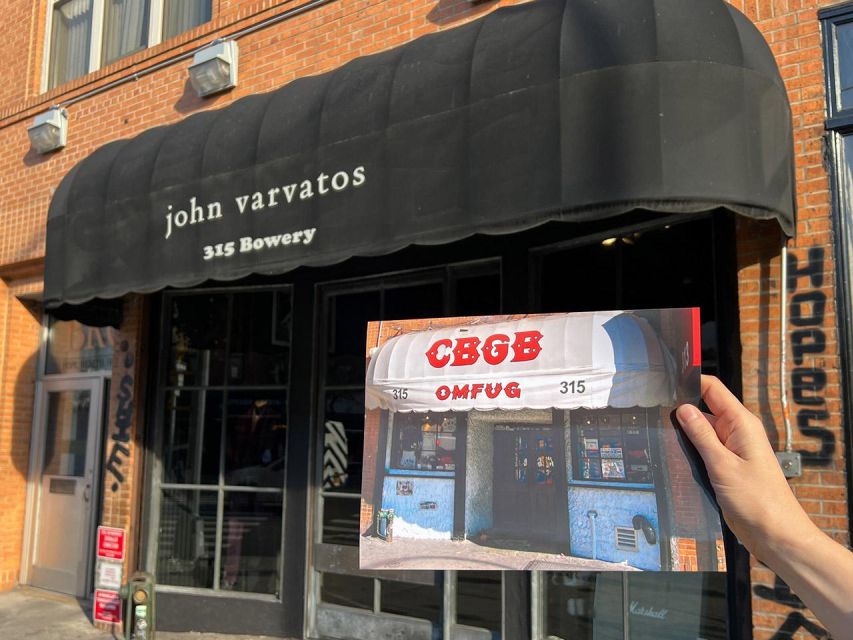
- CBGB plus surrounding punk-era context, including Ramones, Talking Heads, and Blondie
- Classic album-cover sight lines, including stops tied to Bob Dylan, Ramones, and Led Zeppelin
- Major music eras in one route, from late-1960s rock venues to 1980s art-and-music crossover
- Long-story stops where you get anecdotes, not just names and dates
New York City at street level, a few more walks
- SoHo, Little Italy, and Chinatown Walking Tour in New York
★ 5.0 · 3,153 reviews - Secrets of Grand Central Station Walking Tour New York City
★ 5.0 · 1,796 reviews - Greenwich Village Walking and Food Tasting Tour
★ 5.0 · 1,572 reviews - Artistic, Alternative Greenwich Village Walking Tour
★ 5.0 · 971 reviews
Entering the Rock Scene: Why Greenwich Village Works So Well
Greenwich Village is where New York’s music story feels personal. You’re not touring a museum display behind glass. You’re walking actual blocks where artists built momentum, tested sounds, and—sometimes—ended chapters in dramatic ways.
This tour focuses on rock and roll history through the lens of places. That matters, because music history is messy. It’s not just who was famous; it’s where the energy came from, how scenes formed, and which rooms gave people a first shot.
I also like that the route is designed for short attention spans and real-life walking. It’s only 3 miles (4.5 km), and the stops are paced so you can stay engaged without turning the day into a marathon.
Meeting at 101 Astor Place: Your First Win Is Getting Oriented
You start at 101 Astor Place, right by the green Keith Haring statue of a man, on the corner of 3rd Avenue. The guide is easy to spot: look for a white cap outside the meeting point.
Arrive about 10 minutes early. These tours start promptly, and once the group is rolling, you won’t be able to jump in midstream. If you’re the type who likes a buffer for subways, crowds, or coffee lines, build that cushion now.
This meeting point works well because it puts you immediately into East Village energy, before the day turns into a string of iconic stops. It’s a practical way to get your bearings fast.
East Village Stories: Dylan and Hendrix, Not Just Big Names
The route kicks off in the East Village for about 40 minutes, and that’s where the tour sets its tone: music legends are connected to specific corners and venues, not just trivia.
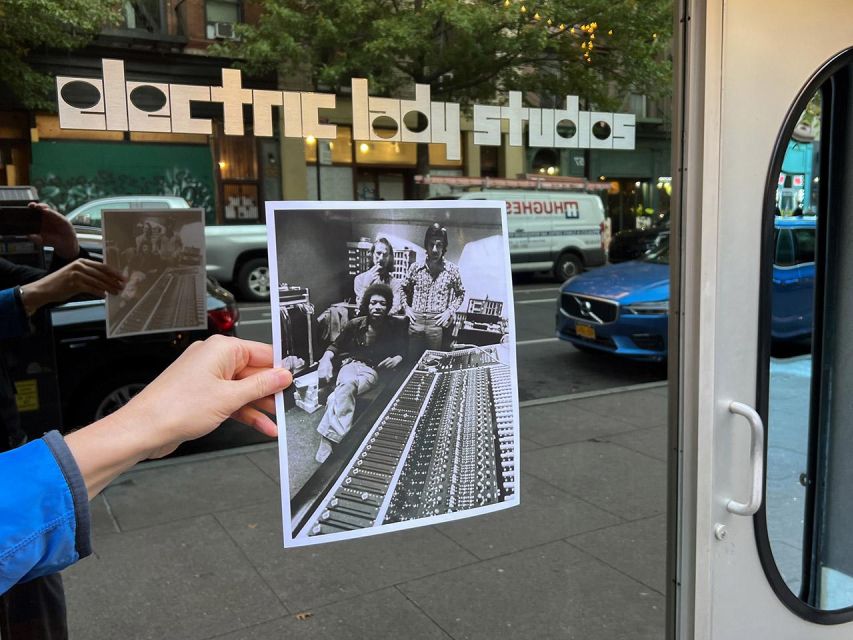
This is where you’ll visit places tied to Bob Dylan and Jimi Hendrix launching their careers. I like this approach because it keeps the “legend” from floating in the abstract. Instead of hearing names like they belong to a history book, you get the sense of momentum: young artists, local rooms, and the feeling that something could break open any night.
East Village stops also help you understand why this area became a magnet. In one compact stretch, you get the vibe of a scene that mixed ambition with grittiness. And because the walking pace is steady, you can take in the streetscape while the guide explains how different waves of rock took shape.
New York City on foot, a few more routes

CBGB: The Punk Birthplace Stop You’ll Actually Remember

Next up is CBGB, about a 10-minute guided stop. Even if you know the basics, this is the moment where the tour becomes more than a general sightseeing loop. You’re standing at a central point in punk mythology.
The guide connects CBGB to the bands that made it matter: Ramones, Talking Heads, and Blondie. That’s not just a list. It’s a way to understand punk as a building process, not a single lightning strike. The same walls, different sounds, and the audience energy that gave bands permission to be rougher, faster, and more direct.
A practical note: CBGB-style landmark stops can feel quick if you’re only hunting for photos. This one is short by design, but it’s timed so you don’t lose momentum. If you want extra time for pictures, do it respectfully during the guide’s wrap-up, not by dragging the group.
Greenwich Village to Washington Square: Album-Cover Physics in Real Life
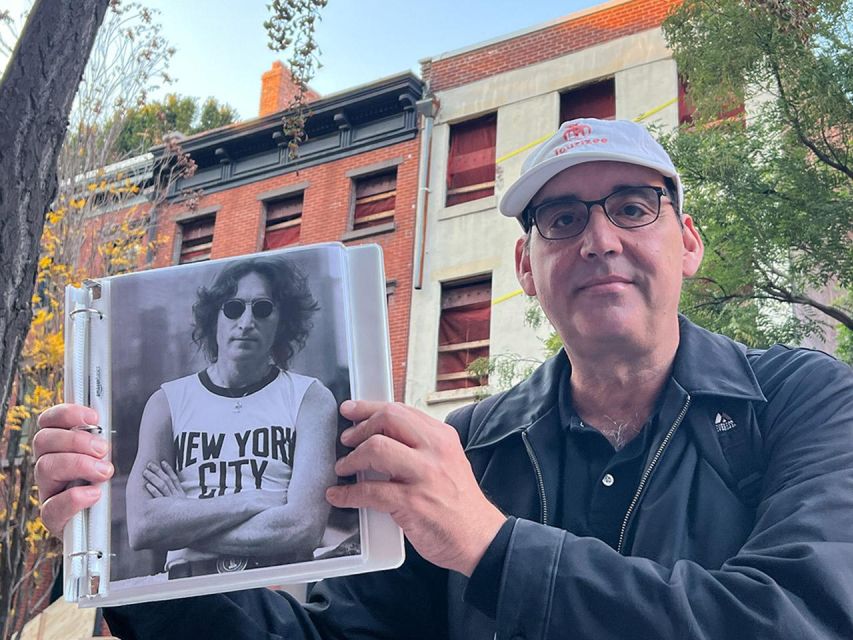
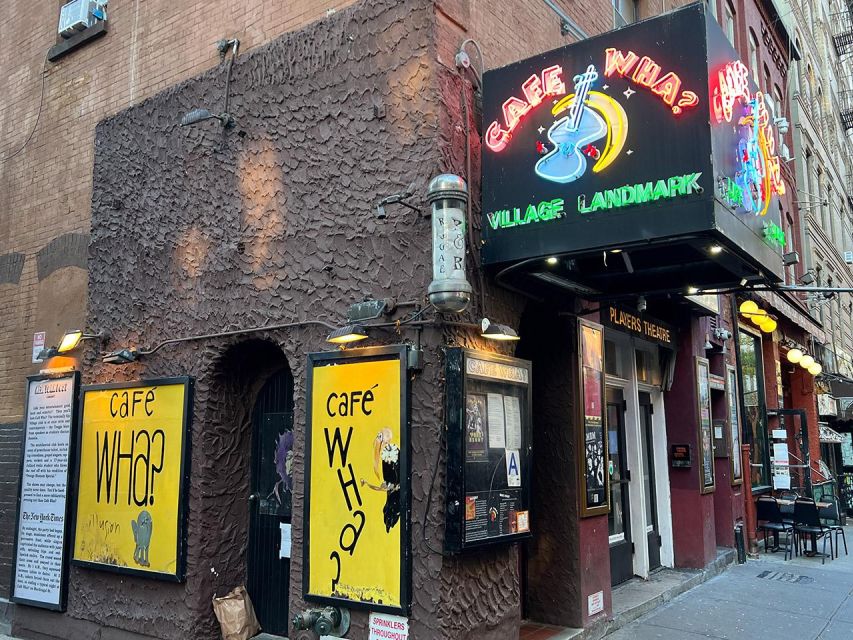
After CBGB, the tour spends time in Greenwich Village (about 30 minutes), then continues through key nearby spots like Cafe Wha? and Washington Square Park. These are the kinds of places that can feel like generic New York scenery if you don’t have a story lens. On this walk, you do.
Cafe Wha? is there for a reason: it’s tied to the performance circuit that kept artists moving between rooms and crowds. You’ll also get context for the shifting music landscape—how the “early legend” era turned into something broader as decades changed.
Washington Square Park is a great break point in the itinerary, and you’ll feel it. This stretch gives your legs a chance to recover a little while the guide keeps the narrative moving. It’s also a smart spot for people-watching because you can see how the neighborhood’s mix of personalities still fits the creative story.
West Village: Art, Music, and the Stuff Between the Headlines
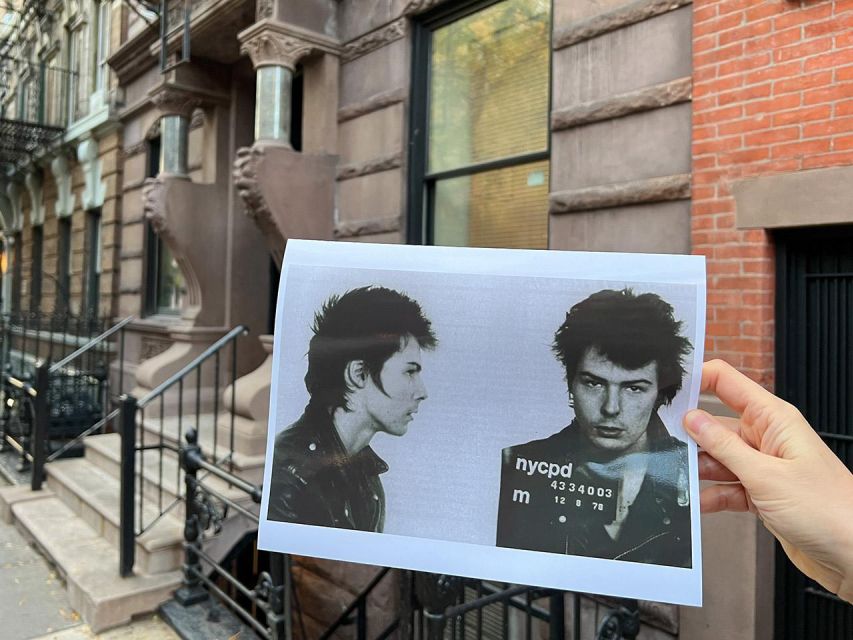
The biggest chunk after that is the West Village segment (about 40 minutes). This is where the tour leans into how rock and roll didn’t live alone. It connected to art, nightlife, and the city’s willingness to experiment.
You’ll hear about the Fillmore East, nicknamed the Church of Rock and Roll in the late 1960s. That kind of nickname isn’t just marketing fluff. It signals a venue that had a full-scale cultural mission—music as a community ritual, not just entertainment.
You’ll also encounter the Pyramid Club, where music and art converged in the 1980s. That’s a valuable perspective shift for you, because it explains why rock history in New York isn’t a straight line from one band to the next. It’s cross-pollination: artists, visual culture, and performance spaces feeding each other.
In this part of the walk, you’ll also hear about:
- Buddy Holly, connected to the home where he recorded his last songs before his death
- Andy Warhol and Exploding Plastic Inevitable, tied to the Velvet Underground’s indelible mark on the music scene
- John and Yoko and the humble apartment where they made their first New York home
Even when you don’t know every name on sight, these details help you connect the dots. You start noticing how much of music history is about the same things you chase today: collaboration, place, and timing.
Album-Cover Stops: The Side Quest That Makes Photos Worth It
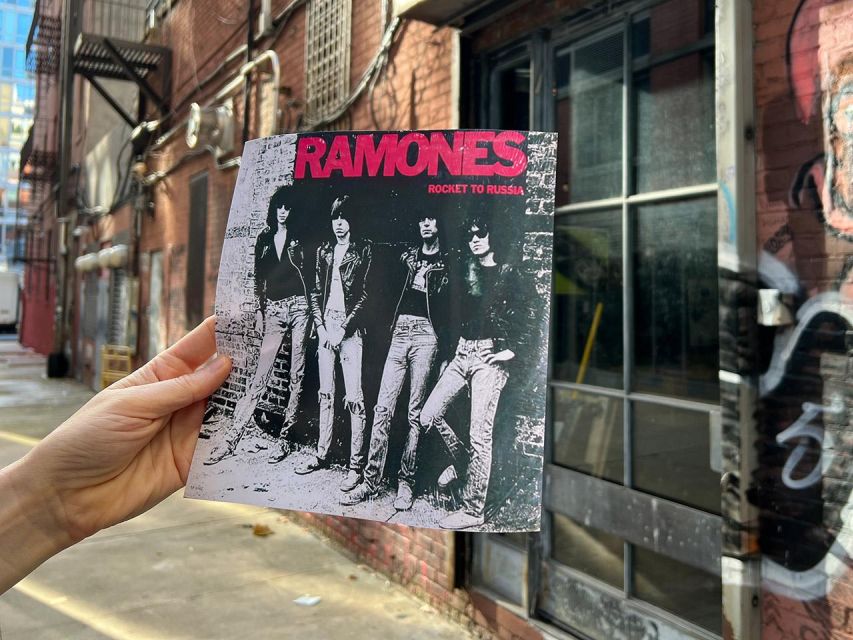
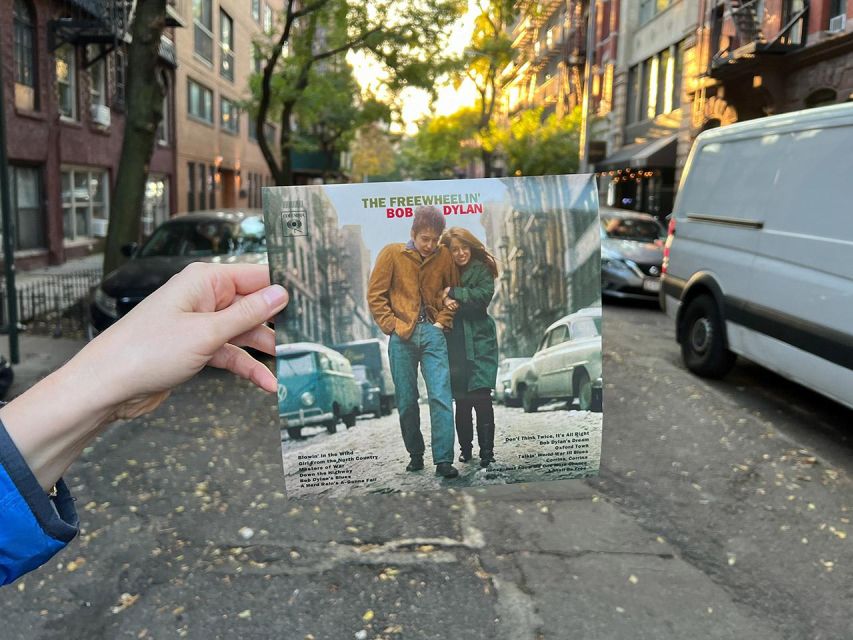
One of the tour’s smartest tricks is treating classic album covers as a route guide. You’ll see spots tied to album covers for Bob Dylan, the Ramones, and Led Zeppelin.
This matters because album covers are often the only “map” people have of older music eras. When you connect the cover image to a real building or corner, you get a tiny moment of awe that doesn’t require deep prior knowledge. You’re not memorizing dates; you’re recognizing visual memory.
It’s also a fun way to keep the tour from becoming all talk. When you know a photo might be possible, you pay attention to angles, streets, and distances. It turns history into something you can frame.
White Horse Tavern Finish: The Tragic Ending That Sticks
The walk ends at the White Horse Tavern, with a final short guided stop. This is around a 10-minute segment at the end, and it lands with a heavy beat in the story: the poet Dylan Thomas infamously drank himself to death there.
I’m glad the tour includes this ending, even if it’s grim, because it reflects what makes rock culture feel real. The story includes glamour, art, community, and also self-destruction. Without the hard edges, the legends can feel like sanitized movie versions.
There’s also another small-story layer running through the whole tour: the stop tied to Sid Vicious of the Sex Pistols meeting his demise, plus the earlier mentions of dramatic personal timelines. The guide doesn’t treat these as gossip. The point is to show how rock scenes can create intense lives, and how those lives leave physical traces in the city.
By the time you reach the tavern, you’ve walked through decades without needing a single transit transfer. You leave with a stronger sense of place—and that’s what you want from a walking tour.
Price and Value: Is $45 Fair for a 3-Hour Rock Walk?
At $45 per person for a 3-hour, 3-mile small-group walk, the value depends on what you want from the day.
Here’s what you’re paying for:
- A live guide who connects multiple eras and venues into one story you can follow
- Small group size (max 6), which makes questions realistic instead of annoying
- Time at landmark stops like CBGB, plus additional moments for context at spots like Cafe Wha? and Washington Square Park
- Album-cover sight lines that turn the walk into something visually memorable
If your goal is to see New York locations faster than reading a book, this can feel like a bargain. You get the narrative glue that makes these sites click.
If you just want casual walking with no historical framing, you might not love the structure. But if you enjoy facts, anecdotes, and the way the guide handles questions, the price is in line with what a quality small-group urban history experience costs.
Also, the tour may be cancelled due to inclement weather or not enough bookings. That’s the tradeoff for a small group: you’re more sensitive to weather and turnout.
Who Should Book This (and Who Should Skip It)?
This tour is a good fit for you if:
- you’re a music fan who wants street-level context
- you like learning how different rock eras connect—60s rock to punk to 80s crossover
- you enjoy photo stops with a story behind them, especially album-cover locations
- you want a guide who works to answer questions and keep the pace flowing
I’d think twice if you:
- need wheelchair-friendly access, since it’s not suitable for mobility impairments
- expect a super long sit-down museum-style experience, because this is built around walking and brief guided stops
- plan to wear uncomfortable shoes, because the day is 3 miles and you’ll be on your feet
Should You Book This New York Rock and Roll History Walking Tour?
Yes—if you want a compact, high-impact way to learn New York’s rock and roll culture using real locations. This is the kind of tour that turns famous names into lived-in places: CBGB for punk roots, East Village stops tied to Bob Dylan and Jimi Hendrix, and the album-cover and venue trail that makes photos mean something.
I’d book it if you’re spending limited time in Manhattan and you want to get more out of a neighborhood walk than just wandering. You’ll get a clean arc: major venues, scene-building context, and an ending at White Horse Tavern that leaves an emotional punch.
Just do yourself a favor: wear comfortable shoes, show up early at 101 Astor Place, and come with at least a little curiosity about how music scenes form in physical spaces.
FAQ
How long is the New York Rock and Roll History and Culture Walking Tour?
The tour lasts 3 hours.
How far is the tour walking distance?
You’ll walk about 3 miles (4.5 km).
Where do I meet the guide?
Meet by the green Keith Haring statue of a man outside 101 Astor Place on the corner of 3rd Avenue. Look for the guide in a white cap.
What is the maximum group size?
The tour is limited to 6 participants.
Is the tour suitable for people with mobility impairments?
No. It is not suitable for people with mobility impairments.
What should I bring, and are pets allowed?
Bring comfortable shoes. Pets are not allowed, but assistance dogs are allowed.
If you tell me your dates and what music eras you love most, I can suggest a smart “build-your-day” plan around this walk (before or after) so you get the most out of Greenwich Village.
More Tours in New York City
- Statue of Liberty and Ellis Island Tour: All Options★ 5.0 · 13,571 reviews
- New York in One Day Guided Sightseeing Tour★ 5.0 · 13,166 reviews
- Central Park Pedicab Guided Tours★ 5.0 · 7,108 reviews
- New York City: Manhattan Helicopter Tour★ 4.7 · 7,076 reviews
- Private Central Park Pedicab Tour★ 5.0 · 6,981 reviews
More Tour Reviews in New York City
- NYC: SUMMIT One Vanderbilt Tickets★ 4.7 · 51,195 reviews
- NYC: Empire State Building Tickets – Observatory & Museum★ 4.7 · 25,757 reviews
- New York City: Statue of Liberty & Ellis Island with Ferry★ 4.6 · 18,683 reviews
- New York City: American Museum of Natural History Ticket★ 4.5 · 15,447 reviews
- Statue of Liberty and Ellis Island Tour: All Options★ 5.0 · 13,571 reviews
New York City, One Block at a Time
- SoHo, Little Italy, and Chinatown Walking Tour in New York★ 5.0 · 3,153 reviews
- Secrets of Grand Central Station Walking Tour New York City★ 5.0 · 1,796 reviews
- Greenwich Village Walking and Food Tasting Tour★ 5.0 · 1,572 reviews
- Artistic, Alternative Greenwich Village Walking Tour★ 5.0 · 971 reviews
- Brooklyn Bridge & DUMBO Neighborhood Tour – from Manhattan to Brooklyn★ 5.0 · 826 reviews
Just in: the newest New York City reviews on our desk





NYC Walking Tours, compared.
 ★ 5.0SoHo, Little Italy, and Chinatown Walking Tour in New YorkFrom $393,153 reviews
 ★ 5.0Secrets of Grand Central Station Walking Tour New York CityFrom $391,796 reviews
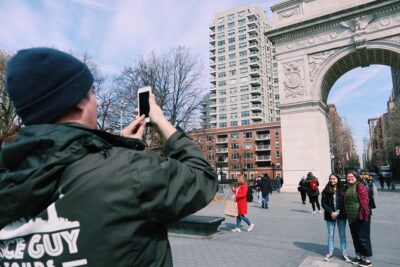 ★ 5.0Greenwich Village Walking and Food Tasting TourFrom $941,572 reviews
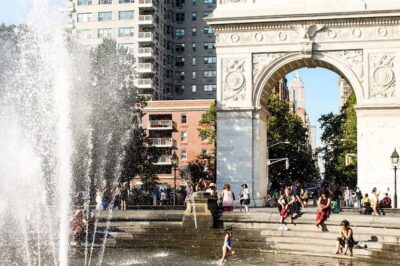 ★ 5.0Artistic, Alternative Greenwich Village Walking TourFrom $39971 reviews
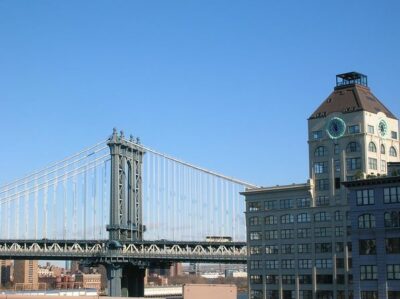 ★ 5.0Brooklyn Bridge & DUMBO Neighborhood Tour – from Manhattan to BrooklynFrom $49826 reviews
 ★ 5.0Central Park Guided Walking TourFrom $44774 reviews
 ★ 4.6Private Walking Tour with a LocalFrom $55771 reviews
 ★ 5.0NYC Lower East Side Walking and Food TourFrom $94646 reviews
Browse the lists this tour appears in