
Reviewed · NYC WALKING TOURS
NYC: Fifth Ave Gilded Age Mansions Guided Walking Tour
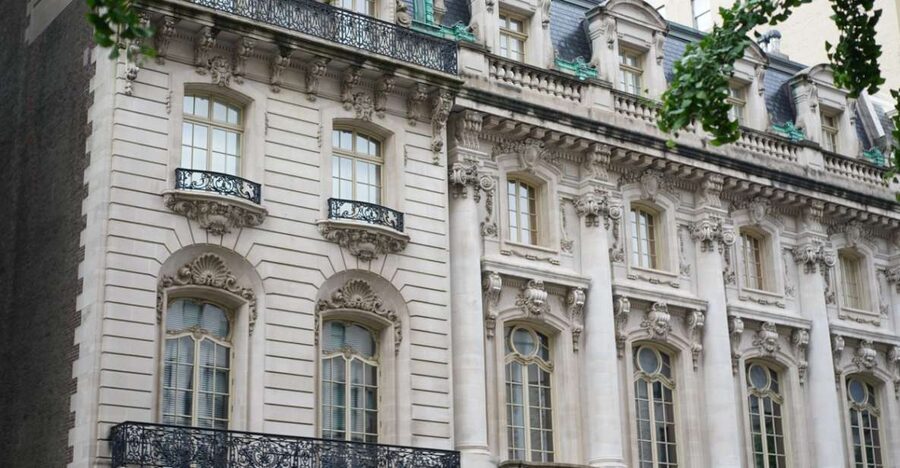
Fifth Avenue can feel like a blur. This tour slows it down and points out the homes, clubs, and cultural buildings that grew out of Gilded Age power. You get a guided walk paced for real listening, with headsets so the story stays clear even from a distance.
What I like most is the combo of big-scope architecture and human drama. You’re not just looking at fancy façades; you’re learning why these residences were built, how wealth shaped the skyline, and how certain famous names and institutions connect to what you see outside. The second strong plus is the chance to step inside a Gilded Age mansion, which you simply won’t get from a typical “photo-only” walk.
One thing to consider: this is mostly outdoors and you’ll walk about 1.3 miles rain or shine. If bad weather or lots of sidewalk time isn’t your thing, wear sturdy shoes and plan to go slow on the uphill-and-downhill rhythm of Midtown and the Upper East Side.
In This Review
- Key things you will notice on this tour
- A 2-hour walk that turns Fifth Avenue into a storybook
- Meeting at Sherman and hearing every word with headsets
- Grand Army Plaza to the Plaza Hotel: where power begins
- Millionaire’s Row clubs and the Arsenal’s surprising age
- Richard Morris Hunt memorial to the Frick Collection: class, art, and the art of storytelling
- Albertine inside a Gilded Age mansion: the most fun stop
- Consulates, institutes, and the Duke House: the largest single residence footprint
- Finishing by the Met: how to keep the momentum
- What to watch for: pace, questions, and the reality of walking
- Price, value, and who this tour really fits
- Should you book this Fifth Avenue mansions tour?
- FAQ
- How long is the NYC Fifth Avenue Gilded Age Mansions Guided Walking Tour?
- What is the price per person?
- Where does the tour start?
- Where does the tour end?
- Is the tour mostly outdoors?
- Does it run in bad weather?
- What’s included in the tour price?
- What languages is the tour offered in?
- Is wheelchair accessibility available?
- Is gratuity included?
- What should I bring?
Key things you will notice on this tour
- Headsets for every stop: you’ll hear the guide clearly even when you’re not right next to them
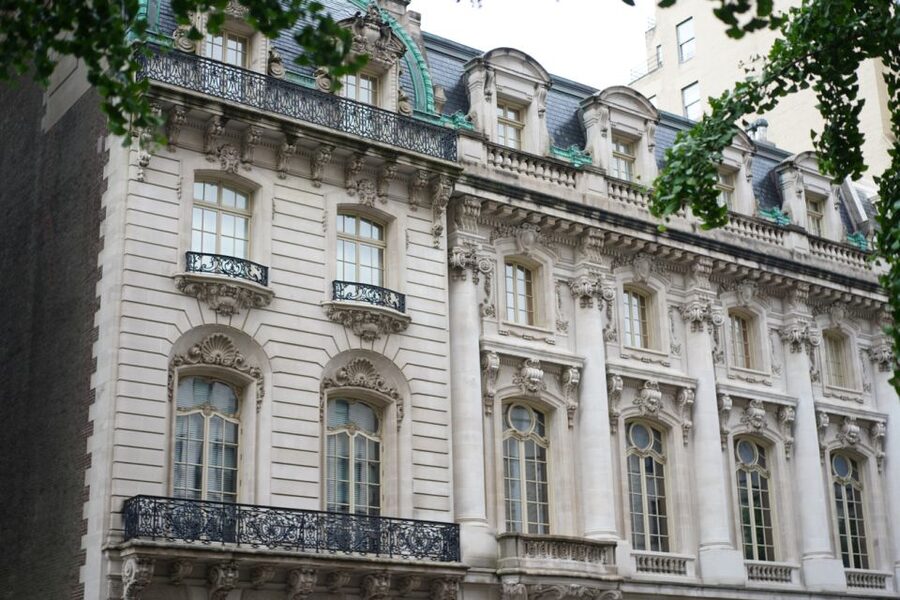
- A real interior visit: you get inside a Gilded Age mansion, not just peeks from the curb
- Millionaire’s Row context: you’ll connect clubs, embassies, and museums to the wealth that built them
- The Duke House footprint: learn about what’s considered the largest single residence in Manhattan
- Albertine bookstore inside a mansion: see how old wealth can become modern culture
- Photo stops plus guided pauses: you’ll get both quick looks and moments to absorb details
New York City at street level, a few more walks
- SoHo, Little Italy, and Chinatown Walking Tour in New York
★ 5.0 · 3,153 reviews - Secrets of Grand Central Station Walking Tour New York City
★ 5.0 · 1,796 reviews - Greenwich Village Walking and Food Tasting Tour
★ 5.0 · 1,572 reviews - Artistic, Alternative Greenwich Village Walking Tour
★ 5.0 · 971 reviews
A 2-hour walk that turns Fifth Avenue into a storybook
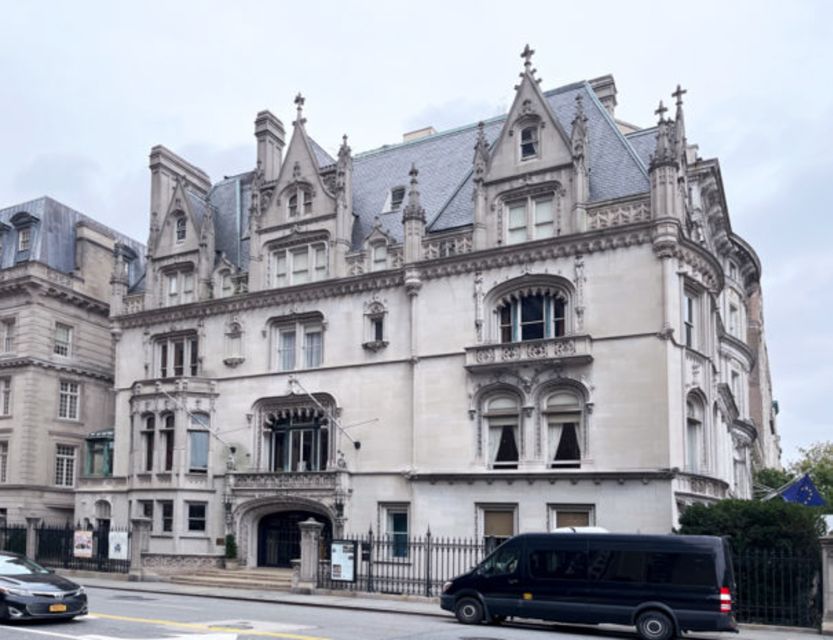
For most people, Fifth Avenue is a shopping street with an impressive skyline. For this tour, it becomes something else: a “timeline you can walk,” where the buildings around you explain how the Gilded Age built its idea of status.
At $39 per person for about 2 hours, the value is in the structure. You’re paying for guided interpretation (and the audio gear), not just your own wandering. In a city where you can easily spend two hours moving from block to block without learning much, a guide who can connect architectural details to personal stories is a big deal.
I also like that the tour is built around what’s still standing. A lot of Gilded Age mansion stock in Manhattan didn’t survive. So when you see a remaining example—or even a related building that survived and changed use—you’re looking at a rare slice of what used to dominate this stretch.
Meeting at Sherman and hearing every word with headsets
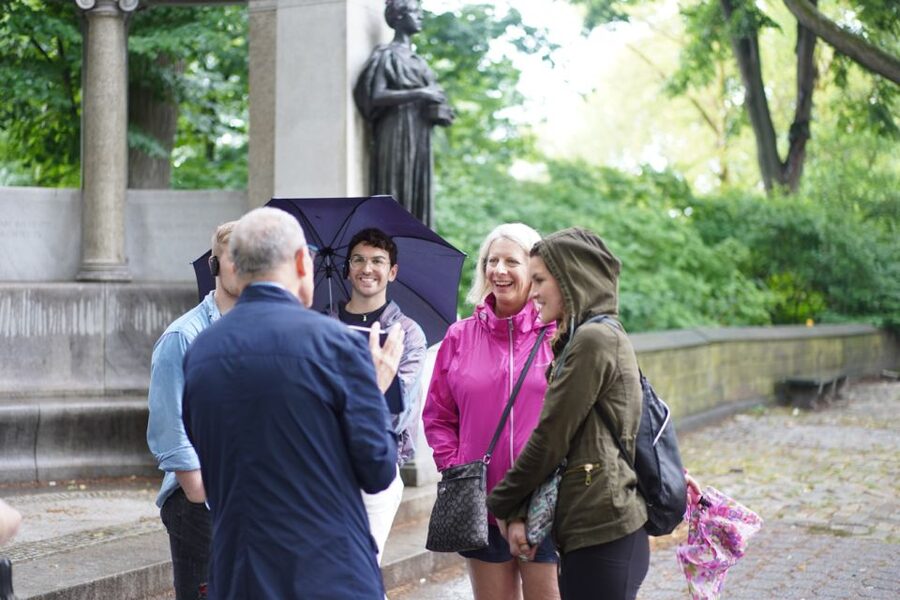
The meeting point is easy to find: the General William T. Sherman monument on 5th Ave between 59th and 60th St. Your guide will be holding an Untapped New York sign.
From the start, the experience leans on clarity. You’ll get headsets, which matters more than it sounds in NYC. Fifth Avenue is loud, and guides often end up competing with traffic. Here, that’s handled, and it shows in the overall pace. People can ask questions without the group turning into a whisper-fest, and you don’t have to keep your body glued to the guide to follow the story.
Expect a mostly outdoor format. You’ll dress like you’re going for a real walk—comfortable shoes first, weather-appropriate clothing second. And since it’s rain or shine, plan to tolerate a little dampness rather than waiting for perfect conditions.
Grand Army Plaza to the Plaza Hotel: where power begins
After you gather at Sherman, the route quickly lands at Pulitzer Fountain in Grand Army Plaza. This is a great early “reset” stop. The fountain gives you a visual landmark and a sense of the ceremonial city planning that surrounds wealth in Manhattan. Even if you’ve passed through the area before, a guide can help you see it as more than a pretty monument.
Then it’s onward with quick photo stops and pass-bys: the tour moves you past major landmarks and landmark-adjacent buildings, including the Plaza Hotel. The trick with stops like this is that they set the tone for what comes next. These are places where architecture, location, and reputation mattered as much as interior comfort. You’re learning that Fifth Avenue wealth wasn’t only about living rooms—it was about visibility.
You’ll also make your way toward the cluster of social institutions and clubs that used to function as private stages for elite life. The guide helps you understand what those clubs meant, who used them, and how they fit into the broader story of Millionaire’s Row.
New York City on foot, a few more routes

Millionaire’s Row clubs and the Arsenal’s surprising age
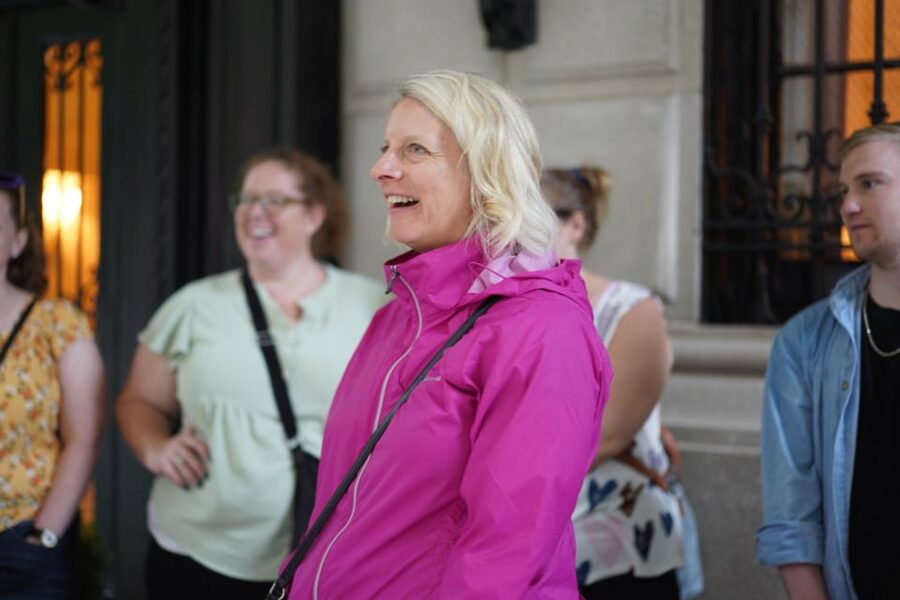
A big part of the charm here is the mix: some buildings are grand residences, some are institutions, and some are club spaces that carry the “private world” feel even today.
You’ll pass or stop for photos at places like the Metropolitan Club and the Knickerbocker Club. These are not just pretty exteriors. They’re useful anchors for understanding how wealth operated in public-but-private settings. In the Gilded Age mindset, being near the right people mattered. So the architecture wasn’t only decorative. It was a boundary and a signal.
One stop that adds real perspective is The Arsenal. The highlights for this tour specifically point it out as the oldest building on Millionaire’s Row. Even if the word “mansion” makes you expect only residences, this is a reminder that the timeline doesn’t start with the mansions. It starts with what was already here—and what survived when other structures didn’t.
Richard Morris Hunt memorial to the Frick Collection: class, art, and the art of storytelling
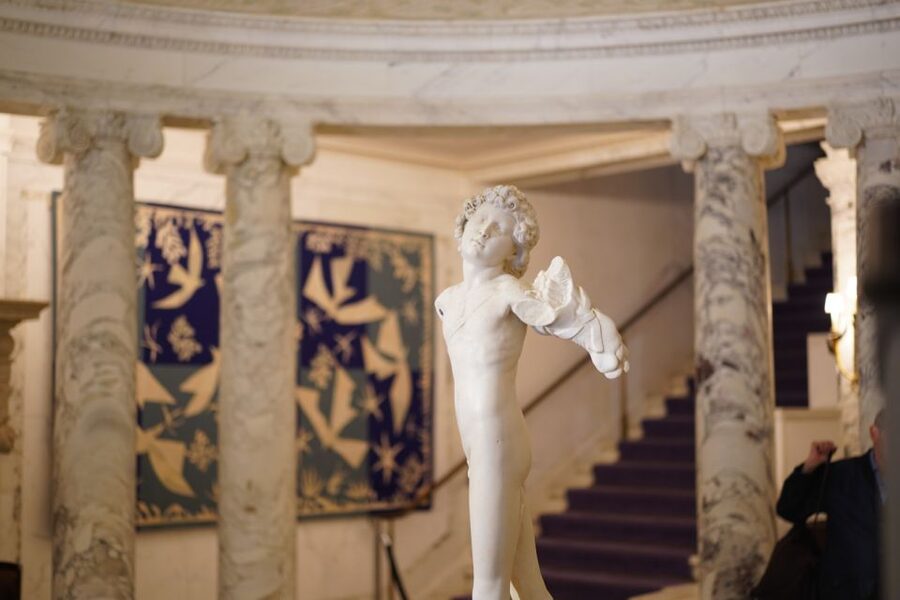
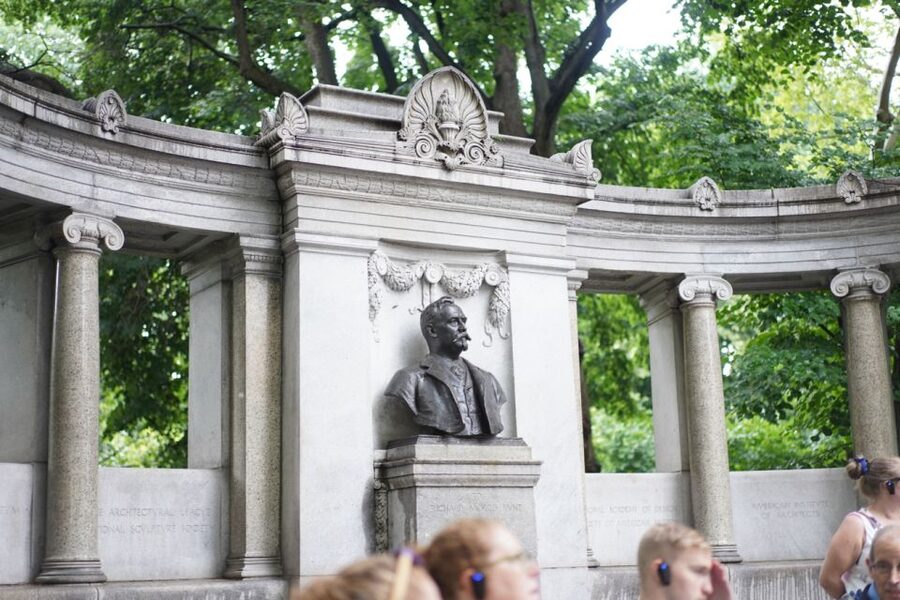
Next you’ll pause at the Richard Morris Hunt Memorial. Hunt is the kind of figure who helps explain why Gilded Age buildings look the way they do. When you’re walking, a memorial sounds like a quick stop. On a tour like this, it becomes a bridge between names you might recognize and the buildings you’re actually seeing.
Then you move toward the Frick Collection area. The tour is set up to help you “read” the Frick from outside—using it as a springboard into secrets and stories tied to the family behind it. You’ll get a sense of how art collecting, estate life, and personal power braided together at the top of society.
This part works especially well if you enjoy art museums but don’t love museum lecture fatigue. You’re standing in the neighborhood that created the museum’s logic. The guide’s job is to connect the vibe of the collection to the original status project—so when you later visit an institution like the Frick, you’ll already understand the why.
Albertine inside a Gilded Age mansion: the most fun stop
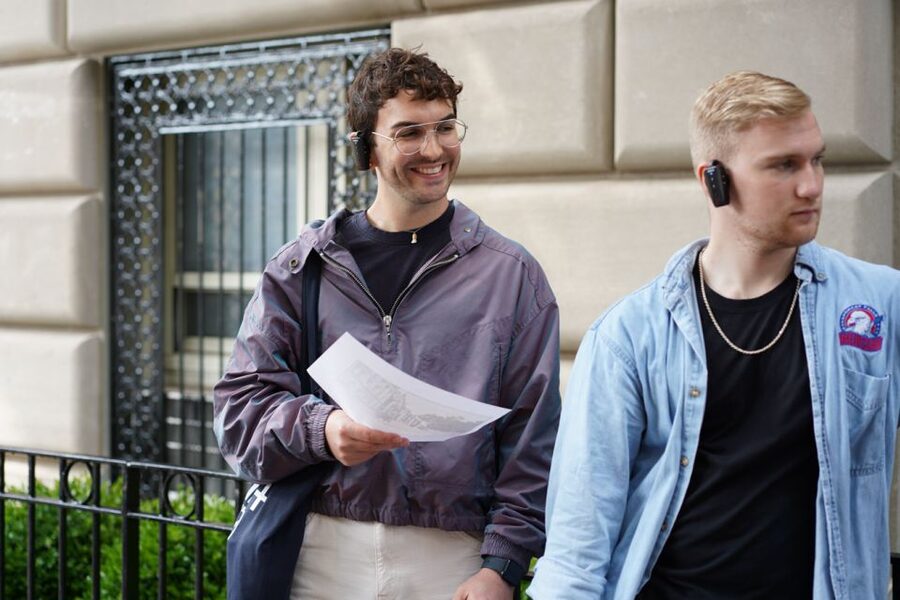
Here’s where the tour shifts from “look and learn” to “step inside.” The route includes a stop at Albertine, with time to visit. This is the charming bookstore highlighted as being hidden into a Gilded Age mansion.
That’s the kind of Manhattan twist I love: a building originally designed for privacy and prestige now welcomes you for browsing. You’re not only seeing architecture—you’re experiencing how it can be repurposed without losing its sense of occasion.
If you’re the type who likes quiet breaks during walking tours, this is your moment. It gives you a temperature change (from street to interior), a chance to slow down, and a different way to look at history: not as a distant “then,” but as something that still shapes how we move through spaces today.
Consulates, institutes, and the Duke House: the largest single residence footprint
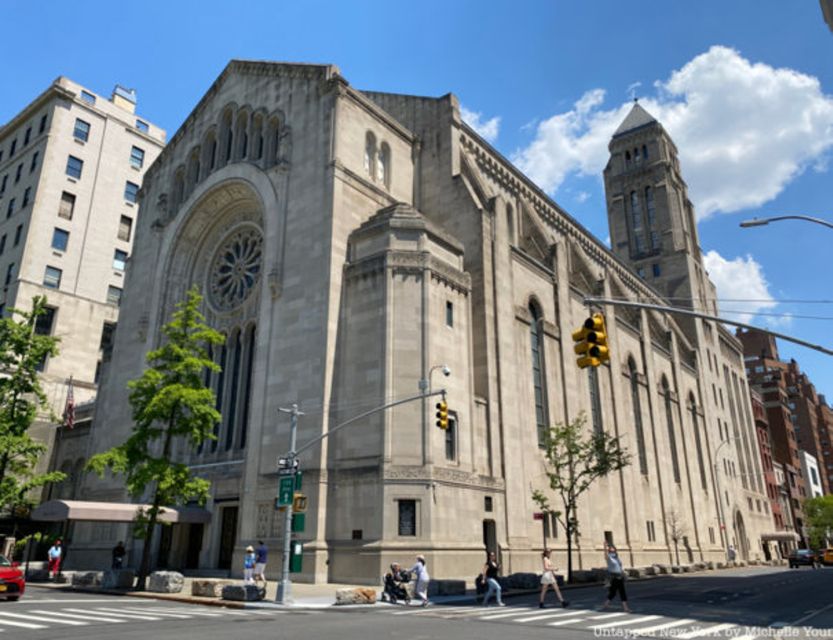
After Albertine, the route continues with photo stops and pass-bys that show how former mansion zones have become a patchwork of cultural and diplomatic buildings—like the Consulate General of France and the Ukrainian Institute of America.
This is where the tour quietly answers a key question: what happens to Gilded Age architecture as the neighborhood changes? Many original private homes became clubs, institutions, or public-facing organizations. Even when you can’t tour every residence, the street keeps the story alive.
One of the tour’s headline highlights is the Benjamin N. Duke House, pointed out as one of the last single residence mansions on Fifth Avenue, and also tied to the idea of the largest single residence ever built in Manhattan. This stop is worth paying close attention to because it reframes “mansion” into “scale.” Gilded Age wealth wasn’t just high-end taste. It could be measured in real footprint and ambition.
This is also where the guide’s “stories that feel bigger than life” approach can land best. When the exterior is dramatic, you understand why the people who lived there needed a lot more than just rooms. They needed theater—for hosting, signaling, negotiating alliances, and staying socially visible.
Finishing by the Met: how to keep the momentum
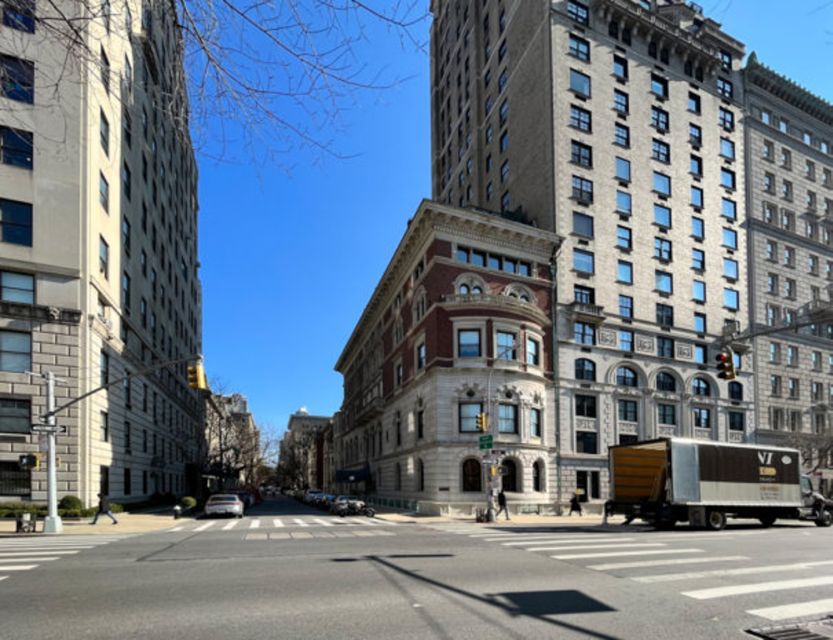
The tour ends at the Metropolitan Museum of Art on 5th Ave and 80th St. That’s a smart finish point. If you’re already in museum mode, the day doesn’t have to stop when the tour ends—you can transition into a longer browse. If you’re not a museum person, at least you’ve landed at a walkable, recognizable destination with easy transit options.
More than anything, ending at the Met encourages one last “street reading” habit. Before you go in, look back at the building line and notice how the avenue gradually blends residences, institutions, and modern Midtown life. You’ll start seeing how Fifth Avenue stays Fifth Avenue by constantly changing what it houses.
What to watch for: pace, questions, and the reality of walking
This tour is described as almost entirely outdoors, and your walking distance is about 1.3 miles over 2 hours. That’s a comfortable pace for many people, but it’s still real street walking. Take breaks when your guide offers them, and keep your water handy if it’s warm.
One small practical tip: use the headsets the whole way. It’s tempting to take one off when you’re near a quieter corner. Don’t. Even a short stretch with traffic noise can break your attention, and the best stories often come with the architectural detail.
I also like the way many guides on this type of route tend to create room for questions. In this tour style, you’re not stuck listening for two hours without interaction. You can ask about families, architecture, or the “why” behind what you’re seeing, and the guide can point you toward what to look for next.
If you’re sensitive to audio equipment issues (like losing the mic clip), keep an ear open to your own setup. A couple of visitors noted small technical hiccups with microphones or interference, so treat the headset like a key piece of gear, not a disposable extra.
Price, value, and who this tour really fits
At $39 for 2 hours, this is priced like a “serious guided walk” with added value: guided interpretation, headsets, and access inside a Gilded Age mansion. If you enjoy architecture but struggle with remembering details from self-guided walks, this is where the money goes.
This tour fits you best if:
- you like architectural storytelling tied to real people and real locations
- you want Fifth Avenue context beyond postcards
- you enjoy short interior stops (like a bookstore in a historic mansion)
- you’re okay walking about a mile and change outside
It might be less ideal if:
- you want a low-walking, mostly indoor experience
- you dislike rain (the tour runs anyway)
- you’re traveling with very young kids who may not handle a long attention span outdoors
Should you book this Fifth Avenue mansions tour?
Yes—if you’re craving a Fifth Avenue experience that feels specific, not generic. The combination of headsets, a real interior visit at Albertine, and stops tied to major names and building-types (clubs, institutions, and the Duke House) makes it a strong use of two hours.
I’d book it especially if you’re the type who often passes beautiful buildings without understanding them. After this tour, you’ll recognize more than façades. You’ll understand why these mansions mattered, how the neighborhood evolved, and which surviving structures carry the most weight—including the Duke House story and the older anchor buildings like The Arsenal.
If you tell me your travel dates and whether you prefer architecture, art, or scandal-level stories, I can help you decide if this is the right pacing for your trip—or pair it with a nearby museum visit at the Met.
FAQ
How long is the NYC Fifth Avenue Gilded Age Mansions Guided Walking Tour?
The tour duration is 2 hours.
What is the price per person?
The price is $39 per person.
Where does the tour start?
Meet your guide at the gold statue of General William T. Sherman on 5th Ave between 59th and 60th St. The exact address provided is 764 Doris C Freedman Pl.
Where does the tour end?
The tour ends by the Metropolitan Museum of Art at 5th Ave and 80th St.
Is the tour mostly outdoors?
Yes, it is almost entirely outdoors, and you’ll walk around 1.3 miles.
Does it run in bad weather?
Yes, the tour takes place rain or shine.
What’s included in the tour price?
Included are a guided walking tour led by a local New Yorker, headsets to hear clearly, and access inside a Gilded Age mansion.
What languages is the tour offered in?
The tour guide and audio are in English.
Is wheelchair accessibility available?
Yes, the tour is wheelchair accessible.
Is gratuity included?
No, gratuity is not included.
What should I bring?
Bring comfortable shoes and weather-appropriate clothing.
More Tours in New York City
- Statue of Liberty and Ellis Island Tour: All Options★ 5.0 · 13,571 reviews
- New York in One Day Guided Sightseeing Tour★ 5.0 · 13,166 reviews
- Central Park Pedicab Guided Tours★ 5.0 · 7,108 reviews
- New York City: Manhattan Helicopter Tour★ 4.7 · 7,076 reviews
- Private Central Park Pedicab Tour★ 5.0 · 6,981 reviews
More Tour Reviews in New York City
- NYC: SUMMIT One Vanderbilt Tickets★ 4.7 · 51,195 reviews
- NYC: Empire State Building Tickets – Observatory & Museum★ 4.7 · 25,757 reviews
- New York City: Statue of Liberty & Ellis Island with Ferry★ 4.6 · 18,683 reviews
- New York City: American Museum of Natural History Ticket★ 4.5 · 15,447 reviews
- Statue of Liberty and Ellis Island Tour: All Options★ 5.0 · 13,571 reviews
New York City, One Block at a Time
- SoHo, Little Italy, and Chinatown Walking Tour in New York★ 5.0 · 3,153 reviews
- Secrets of Grand Central Station Walking Tour New York City★ 5.0 · 1,796 reviews
- Greenwich Village Walking and Food Tasting Tour★ 5.0 · 1,572 reviews
- Artistic, Alternative Greenwich Village Walking Tour★ 5.0 · 971 reviews
- Brooklyn Bridge & DUMBO Neighborhood Tour – from Manhattan to Brooklyn★ 5.0 · 826 reviews
Just in: the newest New York City reviews on our desk





NYC Walking Tours, compared.
 ★ 5.0SoHo, Little Italy, and Chinatown Walking Tour in New YorkFrom $393,153 reviews
 ★ 5.0Secrets of Grand Central Station Walking Tour New York CityFrom $391,796 reviews
 ★ 5.0Greenwich Village Walking and Food Tasting TourFrom $941,572 reviews
 ★ 5.0Artistic, Alternative Greenwich Village Walking TourFrom $39971 reviews
 ★ 5.0Brooklyn Bridge & DUMBO Neighborhood Tour – from Manhattan to BrooklynFrom $49826 reviews
 ★ 5.0Central Park Guided Walking TourFrom $44774 reviews
 ★ 4.6Private Walking Tour with a LocalFrom $55771 reviews
 ★ 5.0NYC Lower East Side Walking and Food TourFrom $94646 reviews