

Reviewed · SOHO, CHINATOWN & LITTLE ITALY TOURS
NYC | French guided tour Greenwich Village through Chinatown
Four neighborhoods, one French guide. That’s the appeal of this 3.5-hour walk: you move through Greenwich Village and end in Chinatown, with plenty of street-level stories along the way. You’ll also hear how these areas shifted over time, from bohemian hangouts to the wave of Chinese immigration.
I especially like the small group format (up to 10 people). It makes it easier to ask questions and keeps the pace comfortable while you’re covering a lot of ground. I also like the practical extras—group photos sent by email and a list of recommended addresses in each neighborhood.
One thing to plan for: it runs rain or shine, so bring comfortable shoes you can handle on wet sidewalks and keep your layers ready.
In This Review
- Key highlights worth your time
- Starting Under the Washington Square Arch: how the tour actually works
- Greenwich Village streets: bohemians, rock roots, and screen-time corners
- SoHo and the SoHo-Cast Iron Historic District: cobblestones, cast iron, and boutique energy
- Little Italy: old New York vibe, cannoli cravings, and mafia footprints
- Chinatown: the city within a city and where to go next
- The guide and small-group vibe: why it feels personal in a big city
- Price and value: is $79 worth 4 neighborhoods?
- What I’d pack and how to pace yourself
- Who should book this French walking tour, and who might skip it
- Should you book? My quick decision guide
- FAQ
- Where does the tour start?
- When does it end?
- How long is the walking tour?
- Is the guide French?
- Is food included?
- Does the tour run in bad weather?
- Is it wheelchair accessible?
Key highlights worth your time

- 4 historic neighborhoods in one loop: Greenwich Village, SoHo, Little Italy, and Chinatown
- Street film and TV locations you can actually point to as you walk
- SoHo-Cast Iron Historic District architecture and cobblestone streets
- Mafia-era storytelling in the Little Italy area
- A mid-tour break in a good spot, plus guide tips for what to do next
Not sold yet? Here is how this one lines up against other Manhattan picks:
- Central Park Tandem Bike Rentals
★ 3.8 · 31 reviews - LaGuardia Airport Private Transfer to/from Manhattan
★ 4.3 · 29 reviews - NYC | French guided tour Greenwich Village through Chinatown
★ 4.7 · 23 reviews
Starting Under the Washington Square Arch: how the tour actually works
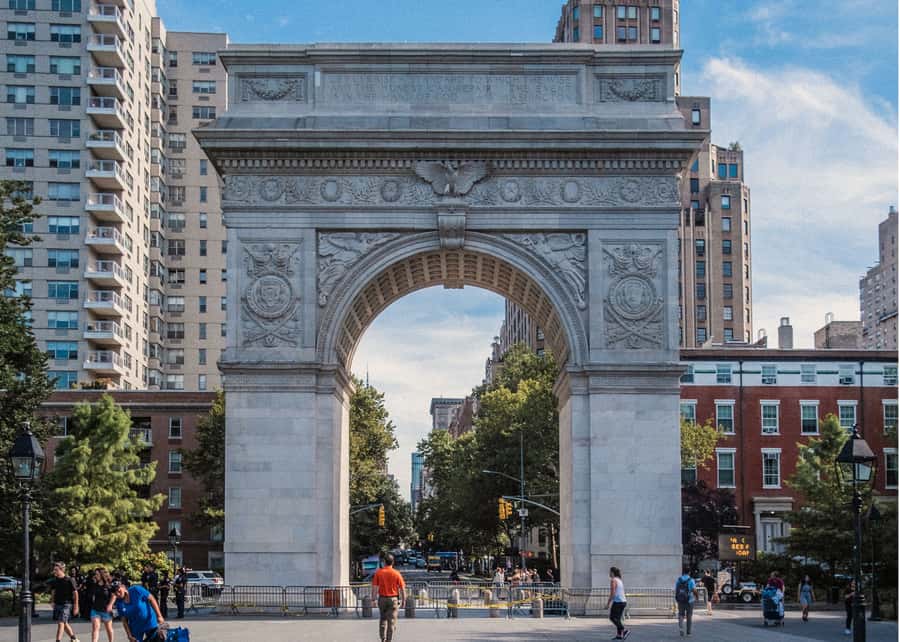
The walk kicks off under the Washington Square Arch in Greenwich Village. It’s a great starting choice because you’re already in a neighborhood that feels theatrical—tree-lined streets, lively corners, and plenty of places to slow down. The tour also returns you to the meeting point at the end, which is convenient if you’re continuing your day on foot (or if you’re planning dinner nearby).
You’re looking at about 3.5 hours of guided walking. That’s long enough to feel like you covered real neighborhoods, but short enough that you won’t feel stuck on a single theme. The tour is run by a local French guide, and it stays intentionally small—limited to 10 participants—which matters in New York. When a group is larger, you spend more time navigating crowds than learning the city.
Two practical details that affect your experience: you’ll want comfortable shoes, and the tour doesn’t include food or drinks (though you can buy them). Also, the guide provides group photos by email and a list of the best addresses for each area. That turns the tour into more than an hour of walking. It becomes a shortcut for planning the next steps on your own.
Greenwich Village streets: bohemians, rock roots, and screen-time corners
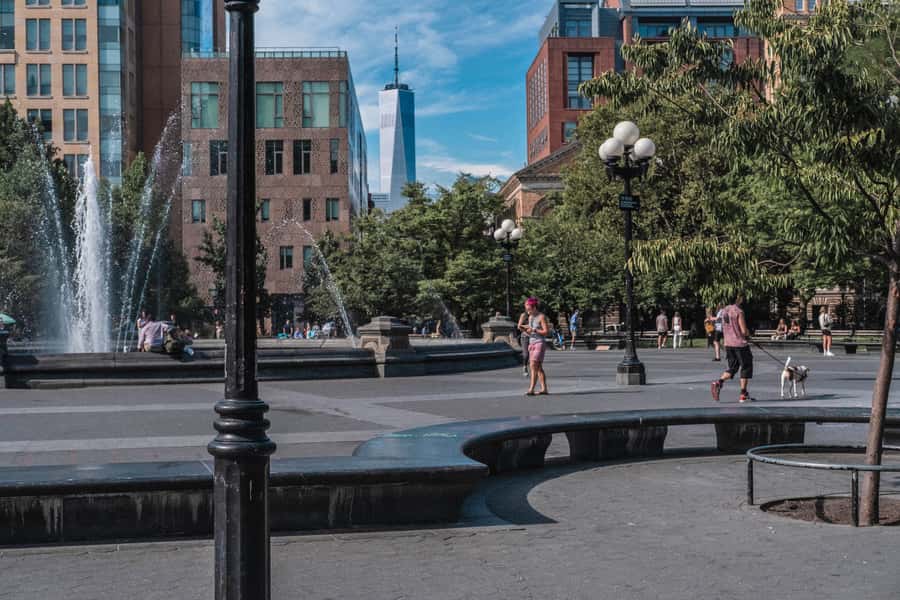
Greenwich Village is where the tour sets its tone. You’ll walk through tree-lined streets and historical Lower Manhattan blocks that have shown up in films and television over the years. What I like about this kind of setup is simple: you’re not just hearing vague facts. You’re standing near the same streets and building types where stories have played out on screen.
The tour also leans into Village identity. The guide explains why the area became a magnet for bohemians and how it’s tied to the idea of the birthplace of rock and great artists. That matters because it helps you interpret what you see. If you look at the Village today and wonder why it feels creative and slightly rebellious, the guide’s context makes it click.
You’ll also hear how the Village has evolved and where you can go today to catch live shows or gigs. That’s more useful than it sounds. New York has countless music and performance options, but without local guidance you can waste time guessing. This is the tour’s way of turning history into a plan.
If you’re the kind of traveler who enjoys street photography, this first section is your warm-up: you get architecture, sidewalks with character, and enough stops to slow down. The downside? Village streets can be busy, and your comfort level will depend on your tolerance for foot traffic while you look up and listen. Go in expecting a lively walking experience.
SoHo and the SoHo-Cast Iron Historic District: cobblestones, cast iron, and boutique energy
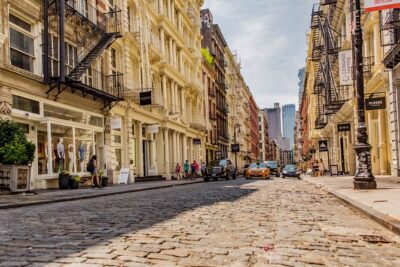
Next you head into SoHo, where the mood shifts. The cobblestone streets and the mix of storefronts and cast iron architecture change the visual texture fast. You’ll pass through the SoHo-Cast Iron Historic District area, and the guide points out the architectural character that made SoHo a landmark. Even if you’re not an architecture nerd, you can still see why cast iron mattered: it’s part of the neighborhood’s distinctive look.
The tour also mentions luxury boutiques along the streets. That’s a key point for your expectations. This isn’t a thrift-shop crawl or a “best value” shopping route. It’s more about seeing the neighborhood’s style and understanding how it became the place it is today.
What I like here is the way the guide ties physical details to the bigger picture. If you only look at the shopping, you miss why SoHo feels like a place with a strong visual identity. If you only listen to history, you miss the “why” that comes from walking past the buildings themselves. This section does both, and that’s why it works.
Potential drawback: if you’re easily distracted by crowds and storefront displays, SoHo can feel like sensory overload. Keep your phone away for a few minutes at each stop and focus on what the guide is pointing out. You’ll get more from the explanation, and your photos won’t just be random storefront shots.
Little Italy: old New York vibe, cannoli cravings, and mafia footprints
Then the tour shifts to what remains of Little Italy. This is where the atmosphere turns more “old New York” in a way that’s visible right on the sidewalks. You’ll hear about where the mafia used to reign in this area, which adds a sharp edge to the otherwise romantic feeling of the neighborhood.
I appreciate that the guide doesn’t treat it like a theme park. The story helps you understand how neighborhoods overlap and how “old” identities don’t vanish overnight—they get absorbed, reshaped, and sometimes reduced to a smaller footprint. That’s why Little Italy’s vibe is both charming and a little bittersweet. You’re walking through a remnant that still carries weight.
The tour also talks food, specifically pointing you toward places to sample cannoli and gelato. Since food is not included, this part of the tour is basically a cheat code. You’ll get a short list of directions for where to go, instead of wandering and hoping you land on something good in the middle of tourist density.
One consideration: if you’re expecting Little Italy to feel large and fully intact, manage your mental picture. The tour emphasizes what remains, so your experience will be about atmosphere and story, not a huge “district” you can explore for hours. Still, if you like walking with a narrative thread—mood, people, and power dynamics—this stop gives you plenty to think about.
Chinatown: the city within a city and where to go next
Finally, you arrive in Chinatown, described as a city within a city. The guide covers how it began with Chinese immigrants and how, over time, it grew and absorbed much of Little Italy. That history matters because it explains the shift you’ll see in signage, storefronts, and street rhythm as you move through the final stretch of the walk.
This part of the tour ends in Chinatown, which is smart. Instead of sending you back to another neighborhood where you still have to plan dinner from scratch, the tour hands you the next step. You’ll get recommendations for where to try some of the best Asian food in the city. Even if you don’t eat during the tour itself, you can use the guide’s suggestions right afterward.
What I like about ending here is the natural payoff. Chinatown is the kind of place where you can’t fully “get it” in one look, but you can start it quickly. Walking out of the tour with neighborhood context helps you filter what you see and makes it easier to choose a place that fits your mood.
One last practical note: Chinatown can be busy and loud. If you get overstimulated easily, pace yourself after the tour ends. Use the guide’s suggestions to pick one or two stops, not ten. It’s better to enjoy fewer things than try to do everything in a chaotic final hour.
The guide and small-group vibe: why it feels personal in a big city
A big part of the tour’s success is the guide’s communication. The feedback highlights guides like Samuel and Flora for strong knowledge of the neighborhoods and a warm, attentive relationship with the group. That’s exactly what you want from a guided walk in New York: someone who can explain what you’re seeing, not just recite dates.
The tour is also designed to keep your energy up. There’s a mid-visit pause at a well-chosen place, which makes the 3.5 hours feel more realistic. It’s a small detail, but it changes everything. Without a break, long walking tours start to blur together. With a planned pause, you remember the points the guide made and you’re ready for the next neighborhood.
You also get group photos sent by email and a list of the best addresses in each neighborhood. I think this is more valuable than it sounds. In New York, “good places” are everywhere, but the exact right ones are the difference between an okay meal and a great one. The address list turns the guide’s local knowledge into something you can use long after the walk ends.
Language is French. If you speak only English, you might still enjoy the experience for the visuals and general storytelling, but you’ll get more if you’re comfortable with French or okay following a spoken narrative at walking pace.
Price and value: is $79 worth 4 neighborhoods?
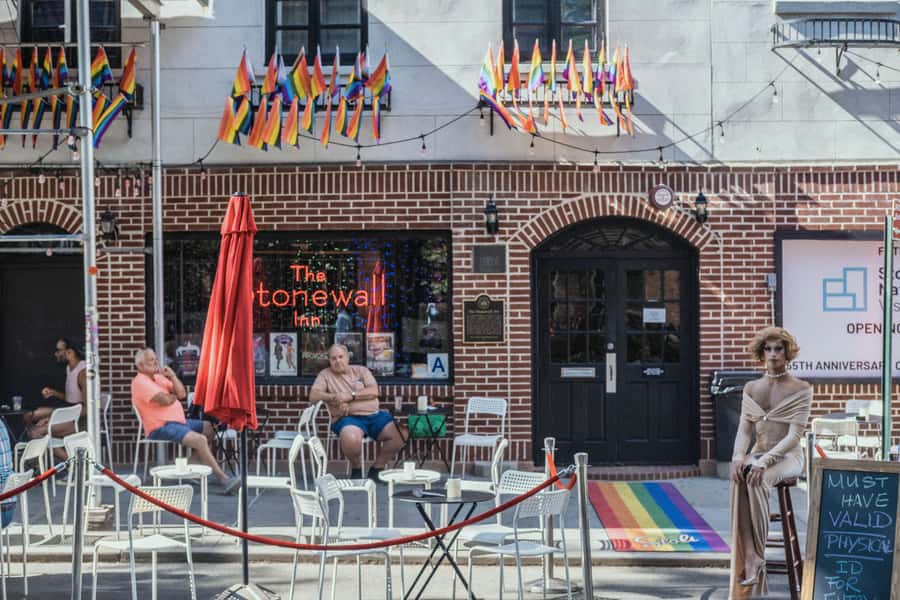
At $79 per person for roughly 3.5 hours, this tour isn’t “cheap,” but it can be good value given what you get. You’re paying for a local French guide, a small group (up to 10), and structured time in four different neighborhoods—plus extra deliverables like emailed group photos and an address list.
In practical terms, the value comes from time. In New York, walking yourself through Greenwich Village, SoHo, Little Italy, and Chinatown can take most of a day—and you still might not understand what you’re looking at. This tour compresses that understanding into a single afternoon plan.
You should factor in what’s not included. Food and drinks are available for purchase, not included in the price. That means you’ll want to budget for at least one snack or meal plan on your own afterward. Still, the guide’s food suggestions help you spend that money wisely.
If you’re traveling with limited time and you want an organized way to see Lower Manhattan’s most distinctive zones, $79 for a guided loop is a reasonable trade. If you already know these areas well or you prefer self-guided wandering with no narrative, you may feel you could do it cheaper on your own.
What I’d pack and how to pace yourself
This is a walking tour, so the basics matter. Bring comfortable shoes. You’ll also want cash. The tour doesn’t include food or drinks, and you may want to purchase something along the way or right after.
Then set a simple expectation: you’ll be listening and looking at the same time. That’s how you get the full benefit. If you spend the whole tour speed-scrolling or focusing only on photos, you’ll miss the connections between film locations, neighborhood identity, and the stories behind architecture and street life.
Your best move is to pace your attention. Take photos when the guide stops, not while you’re moving. Drink water before you start if you can. And if crowds thicken—especially in SoHo and Chinatown—keep your focus on the stop you’re at. The tour’s design depends on you being present for each neighborhood’s “why.”
Who should book this French walking tour, and who might skip it
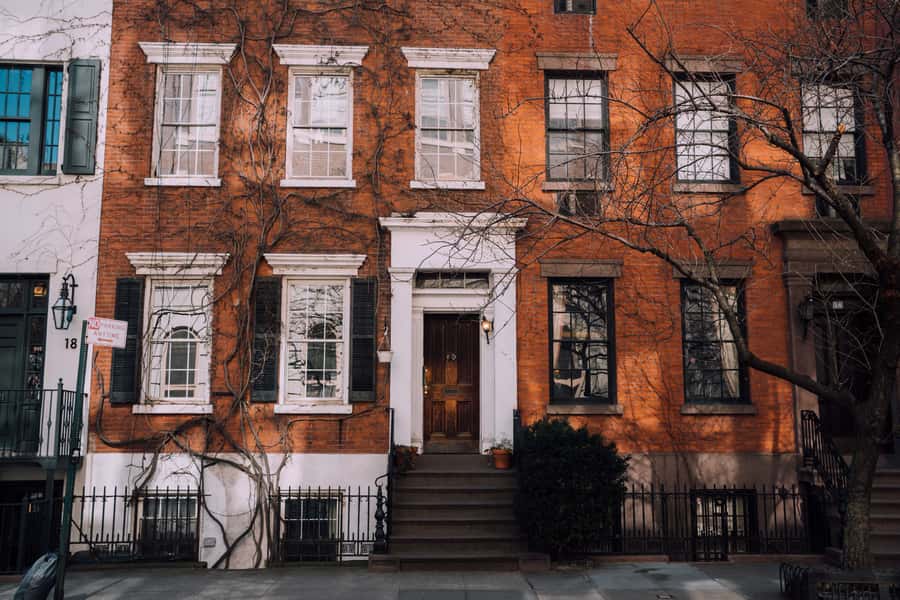
This tour is a strong fit if you want a structured Lower Manhattan experience without committing to a full day. It’s also ideal if you like history explained through what you can see right now: street corners, building styles, and the feeling of each district.
You’ll especially enjoy it if:
- You want film and TV location context while walking
- You like neighborhoods with distinct identity, like Greenwich Village and Chinatown
- You want food recommendations you can use immediately afterward
- You prefer small-group guidance with a local who can answer questions
You might skip it if:
- You only want museums or indoor stops (this is a walking format)
- You’re not comfortable walking for 3.5 hours at a steady pace
- French narration is a barrier for you and you don’t feel comfortable catching details on the go
Should you book? My quick decision guide
If your goal is to understand what makes Greenwich Village, SoHo, Little Italy, and Chinatown feel the way they do—and you want someone to connect the dots—you should book this tour. The mid-tour pause, the small group size, and the guide-led storytelling are the difference between a random stroll and a meaningful one.
I’d book it even if you’re only passing through for a weekend. It’s efficient, practical, and ends where you’ll likely want dinner anyway. Just come prepared for real city walking, and plan to spend a bit of money on snacks or a meal after the tour so you can use the food suggestions while the experience is fresh.
FAQ
Where does the tour start?
It starts under the Washington Square Arch in Greenwich Village.
When does it end?
It ends back at the meeting point under the Washington Square Arch.
How long is the walking tour?
The duration is about 3.5 hours.
Is the guide French?
Yes, the live tour guide speaks French.
Is food included?
No. Food and drinks are not included, though you can purchase them.
Does the tour run in bad weather?
Yes, it takes place rain or shine.
Is it wheelchair accessible?
Yes, it is wheelchair accessible with a circuit adapted for wheelchair users.
More Tour Reviews in Manhattan
- From Manhattan: 4-Hour Brooklyn Christmas Magic Tour★ 4.4 · 606 reviews
- Central Park Tandem Bike Rentals★ 3.8 · 31 reviews
- LaGuardia Airport Private Transfer to/from Manhattan★ 4.3 · 29 reviews
Just in: the newest Manhattan reviews on our desk



SoHo, Chinatown & Little Italy Tours, compared.
 ★ 5.0SoHo, Little Italy, and Chinatown Walking Tour in New YorkFrom $393,153 reviews
 ★ 5.0Chinatown & Little Italy Food Tour with 7 Flavorful TastingsFrom $992,733 reviews
 ★ 5.0Original NYC Guided Food Tour of Chinatown and Little ItalyFrom $1302,194 reviews
 ★ 4.7Chinatown and Little Italy Food TourFrom $80703 reviews
 ★ 4.7SoHo, Little Italy, and Chinatown Guided TourFrom $30614 reviews
 ★ 4.6SoHo, Little Italy, and Chinatown 2-Hour Guided WalkFrom $39566 reviews
 ★ 5.0SoHo, Little Italy, and Chinatown NYC Guided Walking TourFrom $36443 reviews
Browse the lists this tour appears in