
Reviewed · SOHO, CHINATOWN & LITTLE ITALY TOURS
SoHo, Little Italy, and Chinatown NYC Guided Walking Tour
Three neighborhoods in one down-to-earth walk. You get street-level history plus big-name downtown views, and it ends up feeling like a smart way to learn NYC fast. I love the small-group feel (max 15) because the guide can slow down when questions pop up. The other win is how many worthwhile stops are built around real landmarks you can actually see, not just pass by. One thing to weigh: the schedule is tight, and the best food moments cost extra.
If you like starting with your bearings, this route helps. It begins at City Hall and finishes near the Museum of Ice Cream, so you’re not stuck backtracking across town when the tour ends. It runs in English, uses a mobile ticket, and keeps the pace as a walking loop through three iconic areas.
This is a solid choice when you want culture, architecture, and immigrant-story context without committing to a full day. Still, you’ll do real walking time in the middle of the city, so wear comfy shoes and plan for weather—especially on windy or cold days.
In This Review
- Key highlights worth marking on your map
- How the $36 price works (and what you’re really paying for)
- City Hall start and a finish near the Museum of Ice Cream
- Woolworth Building views: the skyline story you can spot instantly
- Park Row: Newspaper Row and how the city shaped media
- Brooklyn Bridge viewpoints plus courthouses on the same route
- Mosco Street dumpling moment and Chinatown energy
- Mulberry Street Little Italy: immigrants, shops, and the street heart
- Cannoli King stop: a sweet break, not a budget-trick
- SoHo cast-iron streets and the Haughwout Building elevator story
- What the walking pace feels like (and what to bring)
- Guides make or break the feel: what you can expect
- Who should book this SoHo, Little Italy, and Chinatown walking tour
- So should you book? My practical take
- FAQ
- How long is the tour?
- What is the price per person?
- What’s included in the tour ticket?
- Are food or drinks included?
- Where do I meet the tour?
- Where does the tour end?
- Is the tour offered in English, and is there a mobile ticket?
Key highlights worth marking on your map
- Max 15 travelers for a more personal pace and easier photo stops
- Woolworth Building, Park Row, and Brooklyn Bridge stops that give you NYC scale fast
- Chinatown and Little Italy street immersion focused on history you can spot outside
- Food suggestions are optional (you control what you buy, including cannoli)
- SoHo cast-iron architecture and the Haughwout Building elevator story
- Small windows to explore while still staying on the main route
Keep tasting downtown: SoHo, Chinatown and Little Italy
- SoHo, Little Italy, and Chinatown Walking Tour in New York
★ 5.0 · 3,153 reviews - NYC: Chinatown & Little Italy Food Tour with 7 Flavorful Tastings
★ 5.0 · 2,733 reviews - Original NYC Guided Food Tour of Chinatown and Little Italy
★ 5.0 · 2,194 reviews - NYC Food Tour: Chinatown and Little Italy
★ 5.0 · 1,090 reviews
How the $36 price works (and what you’re really paying for)
$36 for about two hours is mainly paying for a professional local guide and a structured route that hits three neighborhoods people often struggle to connect in their head. You’re not buying museum entry cards here. You’re buying context: why this corner looks like this, how these streets evolved, and what to notice while you walk.
The tour also builds in multiple photo moments—skyline angles, courthouse exteriors, and neighborhood streets—so you’re getting more than a lecture. And because the group is capped at 15, you’re less likely to get swallowed by a crowd.
Just know where the money goes. Food and drinks are not included. The tour mentions famous local foods in each neighborhood as optional, and the cannoli stop is also not included. So if you want to eat along the way, plan to add your snack budget.
City Hall start and a finish near the Museum of Ice Cream
The walk starts at City Hall (New York, NY 10007). That’s a smart starting point because you’re already near major subway connections, and you begin with classic downtown sightlines.
The tour ends by the Museum of Ice Cream on Broadway (558 Broadway, Manhattan). I like that finish because it’s easy to continue your day in one area instead of heading back toward midtown. The route also has the practical advantage of staying near public transportation most of the time.
Woolworth Building views: the skyline story you can spot instantly
One of the early stops is a view of the Woolworth Building. The guide frames it with fun facts about its history, and even if you’ve seen it in photos, it lands differently when you’re standing close enough to feel how tall and detailed it is.
Why it matters: starting with a landmark like this sets a theme for the whole walk—downtown New York wasn’t just one thing. It was finance and ambition, then it became media power around Park Row, then engineering and migration stories kicked in as you move toward Chinatown and Little Italy.
If you’re the type who likes architecture, this is a good “warm-up” before the neighborhoods start getting louder and more street-focused.
New York City at street level, a few more walks
Park Row: Newspaper Row and how the city shaped media
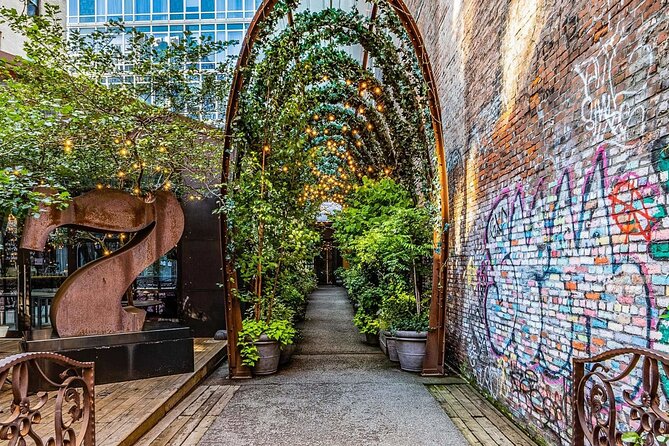
Next up is Park Row, a street once known as Newspaper Row. The guide shares the way major papers called it home and how the area became a core part of America’s journalism story.
This stop works well for two reasons:
- You learn the context behind what you’re walking past (not just names).
- You pick up a “why” for the downtown layout—why some streets feel built for crowds, presses, and movement.
And even if you’re not a history buff, the idea of a media hub right next to where Manhattan’s power buildings rose is easy to grasp on the sidewalk.
Brooklyn Bridge viewpoints plus courthouses on the same route
After Park Row, you get an iconic view of the Brooklyn Bridge from Manhattan. The guide talks about its construction era and why it’s remained one of the most recognizable NYC symbols. Standing there is a reminder that this city built big connections—literally—long before social media made everything feel instant.
Then the route passes some of New York’s famous courthouses. You’ll hear short history notes and the role courts play in the city’s legal system. This isn’t a deep legal seminar. It’s a street-level way to understand how New York’s public power shows up in architecture.
Practical takeaway: these stops keep the tour varied. You’re not stuck in only one “vibe” of the city. You’re seeing engineering, then civic buildings, then shifting gears into neighborhood cultures.
Mosco Street dumpling moment and Chinatown energy
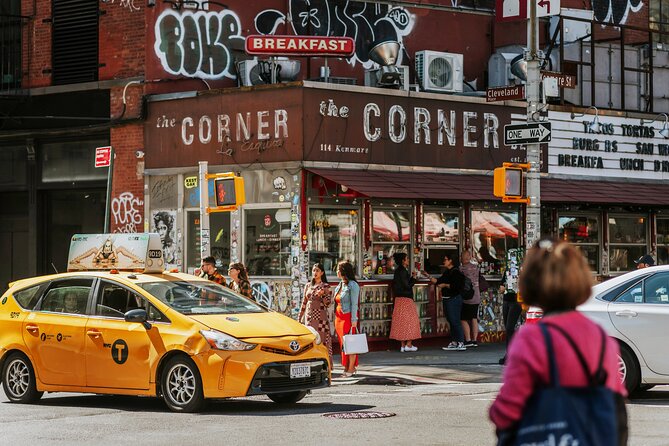
The walk heads toward Mosco Street for some of the best dumplings in Chinatown. The guide points out a spot or two where you can grab dumplings that locals like.
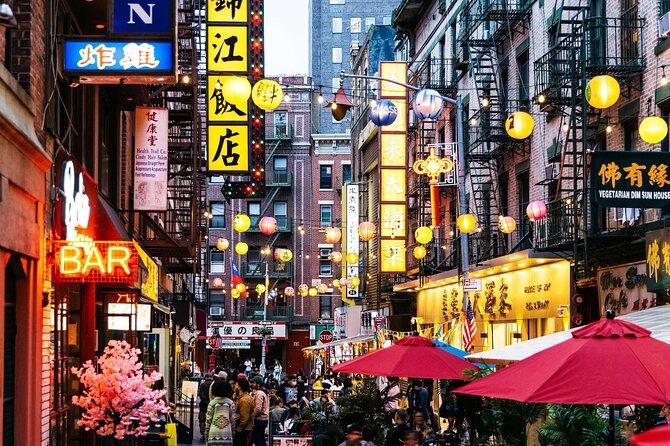
Then you spend time in Chinatown, with a chance to experience markets, shops, and layers of history in the street scene. You also learn how the area became one of the largest Chinese communities in the world. That’s the kind of context that changes the way you read signs and storefronts while walking.
Next comes Canal Street, known for its busy mix of street life and lots of knock-off goods. This is where the tour gets more “show me” than “tell me.” Even if you skip shopping, watching how the street operates helps you understand Chinatown’s role in the bigger downtown ecosystem.
One practical note: Chinatown is fun to explore, but it can feel like a sensory overload if you’re hungry or tired. If you’re the type who gets impatient, buy a small snack early in the Chinatown block so you can enjoy the walking and the sights without feeling rushed.
Mulberry Street Little Italy: immigrants, shops, and the street heart
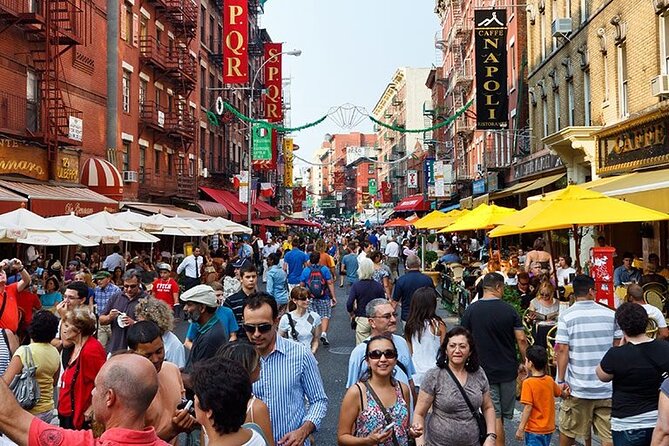
From Chinatown, you head toward Mulberry Street, described as the heart of Little Italy. This is where Italian culture shows up in restaurant life, shops, and the overall street character.
The guide shares the story of Italian immigrants who made the neighborhood their home and how it became a cultural hotspot. What I like about this stop is that it doesn’t pretend Little Italy is one frozen moment in time. It’s about why the neighborhood formed, how it changed, and why it became recognizable.
You’ll also get that small pocket of time to look around instead of only standing and listening. That makes a big difference if you like taking photos, reading menus from the sidewalk, or popping into a shop to compare what you see to what you just learned.
Cannoli King stop: a sweet break, not a budget-trick
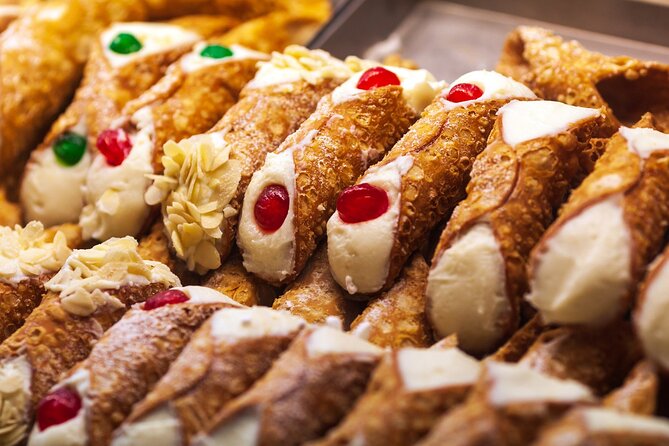
There’s a quick stop at Cannoli King for pastries and the classic cannoli. The tour gives you a chance to treat yourself, but the cannoli stop is not included in the price.
If you want a smooth experience here, plan for cash or card at the counter and keep your expectations simple: this is a short sweet break, not a long sit-down dessert experience. One tip from the vibe of the tour: if you like buying small snacks along the way, bring a little extra money so you’re not deciding on the fly.
This also keeps the tour balanced for different tastes. If you’re not hungry for a full meal, you can still participate in the food part without committing to a restaurant reservation.
SoHo cast-iron streets and the Haughwout Building elevator story
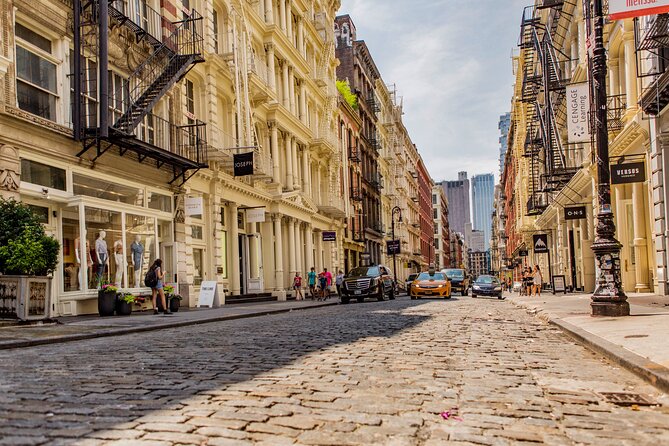
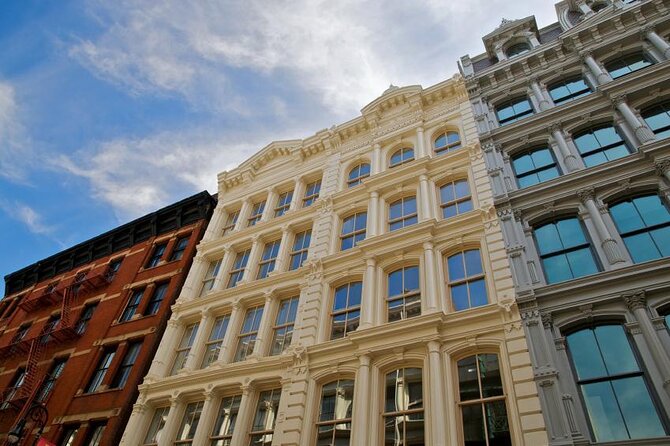
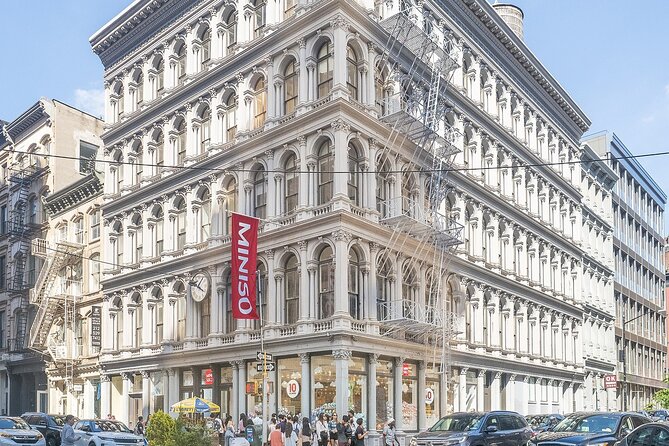
Finally, you head into SoHo, the art and fashion district known for cobblestones and cast-iron buildings. The guide frames SoHo’s transformation from industrial to stylish, and you’ll see why the architecture matters to the neighborhood’s look today.
A key stop is the Haughwout Building. The story here is the big one: it’s where the world’s first passenger elevator was installed. Standing in that area makes the point that SoHo isn’t just trendy. It’s also tied to how technology and city growth changed daily life.
Why this part of the route works: you end with a neighborhood that’s visually “easy” to photograph, then you get a specific fact that turns the street design into something more meaningful. It’s the kind of ending that makes the whole tour feel connected—from downtown power buildings to neighborhoods built by immigrants and communities, ending with design that grew out of industrial transformation.
What the walking pace feels like (and what to bring)
This is a 2-hour walking tour with time included for walking between stops. Some people have measured the total walk around about 2 miles, which lines up with the idea that you’re moving steadily but not doing a full marathon across Manhattan.
Since the tour includes multiple transitions—courthouses to Chinatown, Chinatown to Little Italy, then to SoHo—wear shoes that won’t punish you. Also bring layers. Weather matters downtown. Cold wind around bridges and open streets can turn a “quick walk” into a slow shiver.
For planning your day:
- If you’re hungry, decide what you want to spend on snacks ahead of time. Food is optional and at your own expense.
- Use the time blocks wisely. You’ll have short windows to explore each neighborhood, so it helps to know what you want: photos, window-shopping, or a quick bite.
Guides make or break the feel: what you can expect
This tour is led by a professional local guide, and the group is small enough that you actually hear the stories while standing near the sights. The guide style varies from person to person, but the best ones bring extra context and keep the walk lively.
Some guides have used tools like an iPad to show photos during the walk, which is a huge help when you’re trying to picture how a building or street used to look. And you’ll likely appreciate guides who tailor the pacing to the group—especially if you’re mixing families, solo travelers, and teens.
There’s one consideration to keep in mind: because the route is structured, the tour can feel rushed if the group is moving slower than planned. If you know you’ll need breaks, it’s worth building in that buffer in your mindset.
Who should book this SoHo, Little Italy, and Chinatown walking tour
Book it if you want:
- A fast downtown intro that stitches together three iconic neighborhoods
- Landmark context beyond the usual “walk, look, take a photo” routine
- A small-group walking experience that’s built around explanation and street-level sights
- Optional food stops you can customize to your own budget and cravings
Skip it (or choose a different format) if you want:
- A long sit-down meal experience included in the price
- Large blocks of free time in each neighborhood for heavy shopping
- A tour designed for very slow pacing without any schedule pressure
So should you book? My practical take
I’d book this tour if your goal is to get oriented in Lower Manhattan and leave with a clearer sense of how architecture, media, law, and immigrant communities all show up on the same map. For $36, the value is strongest when you’ll actually use the guide’s context and take advantage of the photo moments.
If your priority is eating lots of food with zero extra spending, or if you’re hoping for long neighborhood hang time, you may feel like something’s missing. In that case, think of this as a guided walk with optional snacks—not an all-in-one food tour.
FAQ
How long is the tour?
It’s approximately 2 hours, and the total duration includes walking time.
What is the price per person?
The price is $36.00 per person.
What’s included in the tour ticket?
You get a professional local tour guide and a guided walking tour, plus multiple photo ops. Famous local foods in each neighborhood are mentioned as optional.
Are food or drinks included?
No. Food and drinks are not included. Any food stops (like the cannoli stop) are extra.
Where do I meet the tour?
The meeting point is City Hall, New York, NY 10007, USA.
Where does the tour end?
The tour ends near the Museum of Ice Cream, 558 Broadway, Manhattan, NY 10012, USA.
Is the tour offered in English, and is there a mobile ticket?
Yes, it’s offered in English, and you’ll receive a mobile ticket. Service animals are allowed, and it’s near public transportation.
More Tour Reviews in New York City
- NYC: SUMMIT One Vanderbilt Tickets★ 4.7 · 51,195 reviews
- NYC: Empire State Building Tickets – Observatory & Museum★ 4.7 · 25,757 reviews
- New York City: Statue of Liberty & Ellis Island with Ferry★ 4.6 · 18,683 reviews
- New York City: American Museum of Natural History Ticket★ 4.5 · 15,447 reviews
- Statue of Liberty and Ellis Island Tour: All Options★ 5.0 · 13,571 reviews
New York City, One Block at a Time
- SoHo, Little Italy, and Chinatown Walking Tour in New York★ 5.0 · 3,153 reviews
- Secrets of Grand Central Station Walking Tour New York City★ 5.0 · 1,796 reviews
- Greenwich Village Walking and Food Tasting Tour★ 5.0 · 1,572 reviews
- Artistic, Alternative Greenwich Village Walking Tour★ 5.0 · 971 reviews
- Brooklyn Bridge & DUMBO Neighborhood Tour – from Manhattan to Brooklyn★ 5.0 · 826 reviews
Downtown Bites: SoHo to Little Italy
- SoHo, Little Italy, and Chinatown Walking Tour in New York★ 5.0 · 3,153 reviews
- NYC: Chinatown & Little Italy Food Tour with 7 Flavorful Tastings★ 5.0 · 2,733 reviews
- Original NYC Guided Food Tour of Chinatown and Little Italy★ 5.0 · 2,194 reviews
- NYC Food Tour: Chinatown and Little Italy★ 5.0 · 1,090 reviews
- NYC: Chinatown and Little Italy Food Tour★ 4.7 · 703 reviews
Just in: the newest New York City reviews on our desk





SoHo, Chinatown & Little Italy Tours, compared.
 ★ 5.0SoHo, Little Italy, and Chinatown Walking Tour in New YorkFrom $393,153 reviews
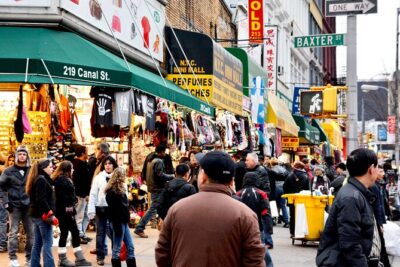 ★ 5.0Chinatown & Little Italy Food Tour with 7 Flavorful TastingsFrom $992,733 reviews
 ★ 5.0Original NYC Guided Food Tour of Chinatown and Little ItalyFrom $1302,194 reviews
 ★ 4.7Chinatown and Little Italy Food TourFrom $80703 reviews
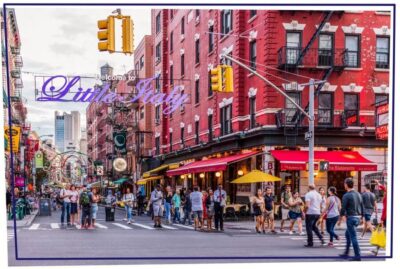 ★ 4.7SoHo, Little Italy, and Chinatown Guided TourFrom $30614 reviews
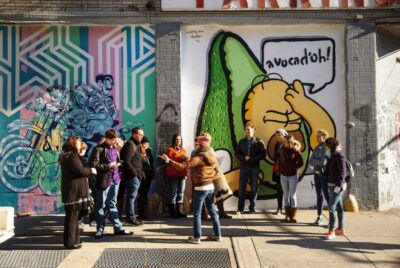 ★ 4.6SoHo, Little Italy, and Chinatown 2-Hour Guided WalkFrom $39566 reviews
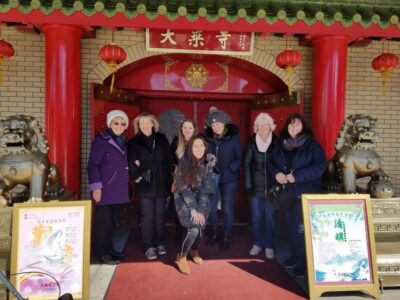 ★ 4.53 Neighborhoods Tour: Soho, Chinatown & Little ItalyFrom $39275 reviews
Browse the lists this tour appears in