
Reviewed · GREENWICH VILLAGE TOURS
NYC: Greenwich Village Jazz Crawl
Jazz in the Village hits fast. I like how this crawl mixes live jazz with street-level NYC jazz history so the songs feel tied to real corners, not just a playlist.
I also love the pacing: you walk at an easy, social speed and land in two different rooms for performances, with an expert jazz guide steering you toward the right vibe for the night. It’s a small group format (limited to 6), which makes it easier to ask questions and keep things relaxed.
One consideration: the clubs are mostly built for music, not meals. You’ll want dinner before you go, since most places don’t have kitchens and many spots expect you to buy at least one drink.
In This Review
- Key things I’d plan around
- Jazz crawl basics: what “4 hours in the Village” really means
- Where history shows up: Cafe Society, Billie Holiday, and the Village’s early influence
- The route remembers Cafe Bohemia: when Mingus, Blakey, and Miles tested new ideas
- Two live clubs in one evening: how the hopping keeps the music fresh
- Tuesday-night Trad and late jams: what you’re aiming for
- Your guide and the small-group advantage (with Gordon in the spotlight)
- Practical stuff that makes or breaks your comfort
- Price and value: why $127 can make sense here
- Where the night ends: using the tour to keep going
- Who should book this jazz crawl (and who might want a different plan)
- Should you book this NYC Greenwich Village Jazz Crawl?
- FAQ
- What is the duration of the Greenwich Village Jazz Crawl?
- How many people are in the group?
- Where do I meet for the tour?
- What’s included in the price?
- What should I do about food and drinks?
- Is there a dress code?
- Can I take photos?
- Is the tour in English?
Key things I’d plan around
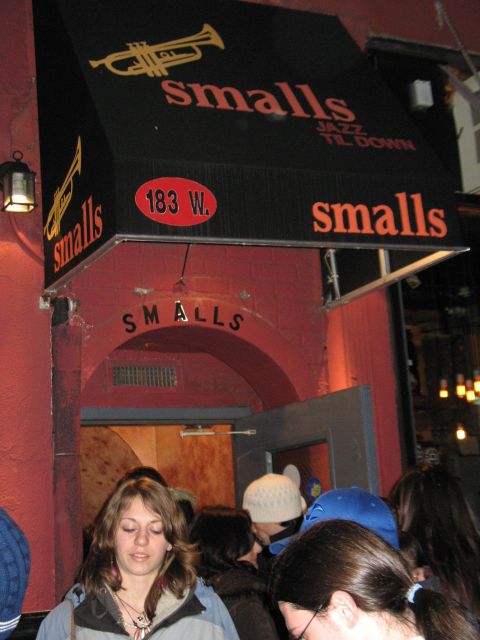
- Two clubs, one night rhythm: move from venue to venue and catch live music in different styles.
- Billie Holiday’s Village moment: the route calls out where she made her downtown debut at Cafe Society.
- Old-school names, even when the clubs are gone: you’ll hear stories tied to places like The Village Gate and Sweet Basil’s.
- A history stop that also points forward: Cafe Bohemia is framed with how Mingus, Art Blakey, and Miles Davis shared new ideas there.
- Tuesday nights can turn into Trad jazz late jams: you may hear a jam session with surprise guests.
- Small-group conversation with a guide: up close enough to learn what to listen for and where to go next.
More laps around the Village
- NYC: Greenwich Village Food Tour with 6 Locals Favorites Dishes
★ 5.0 · 1,812 reviews - Greenwich Village Walking and Food Tasting Tour
★ 5.0 · 1,572 reviews - Artistic, Alternative Greenwich Village Walking Tour
★ 5.0 · 971 reviews - NYC Greenwich Village Italian Food Guided Walking Tour
★ 5.0 · 627 reviews
Jazz crawl basics: what “4 hours in the Village” really means
This is a leisurely walking tour of Greenwich Village built around jazz in the real world—small rooms, tight stages, and the kind of audience energy that doesn’t translate on video.
The tour runs about 4 hours and is designed as a simple loop: you start near a legendary landmark, get a short history orientation from your guide, then keep moving to two different clubs per night to hear live performances. You’re not stuck in one place waiting for the music to happen. Instead, you get the “Village jazz crawl” feeling: different sounds, different rooms, and different crowds, all in one evening.
That structure matters for your enjoyment. If you’ve only got one night in NYC, this keeps you from wasting time trying to guess which club is the right fit. And if you’re a first-timer, it gives you a map of how the scene works—where the stories are, where the jams happen, and how to follow the music after the tour ends.
Where history shows up: Cafe Society, Billie Holiday, and the Village’s early influence
One of the strongest parts of this tour is how it anchors jazz history to specific Village locations and turning points. You’re not just hearing facts. You’re learning what those moments meant for the downtown scene.
Cafe Society is a key stop on this route. Your guide points out where Billie Holiday made her downtown debut, and that single fact reframes everything you hear later that night. It’s easier to listen with your ears instead of just your knowledge. You start connecting vocal style, storytelling, and the way audiences gathered around jazz before it became “classic.”
From there, the guide also brings up clubs that shaped careers but aren’t still operating the way they once did—like The Village Gate and Sweet Basil’s. Even if you can’t walk into those rooms today, hearing what happened there helps you understand why modern Village jazz still feels personal and slightly daring. Jazz here grew in neighborhoods that weren’t trying to be theme parks.
The route remembers Cafe Bohemia: when Mingus, Blakey, and Miles tested new ideas
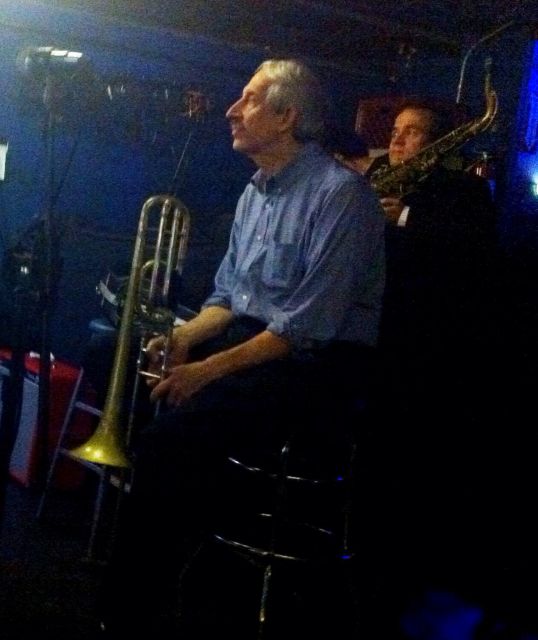
Cafe Bohemia is another standout in the story the guide tells. This stop isn’t framed as a museum piece. It’s framed as a place where big names were actively working through what they were creating next.
Your guide points to Cafe Bohemia as a site where Charles Mingus, Art Blakey, and Miles Davis once introduced new compositions. That detail is gold for anyone who hears jazz and wonders what “innovation” actually looks like in the early stages. It tells you this wasn’t only about performances for an established audience. It was also about experimenting in front of people who came to listen, react, and move with the music.
Even if you’re not a hardcore jazz analyst, this part changes your mindset. Instead of treating the night like separate gigs, you start hearing the bigger thread: the Village as a place where musicians tested ideas and audiences showed up ready to respond.




Two live clubs in one evening: how the hopping keeps the music fresh
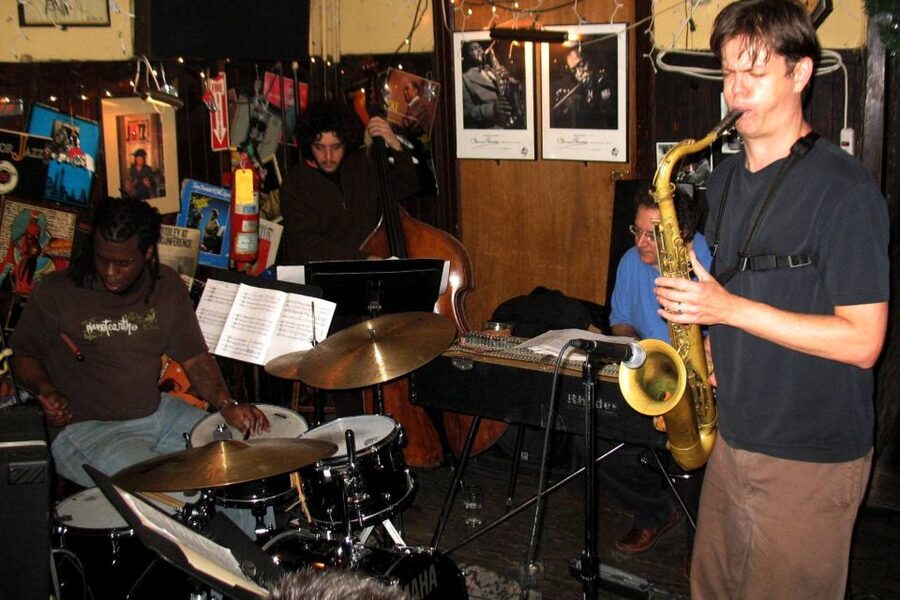
The tour is built to get you into two different clubs. That’s not a gimmick. It’s the whole point.
Each club has its own sound and room feel: acoustics, stage distance, how the band interacts with the audience, and how the crowd settles in. By the time you’ve been seated and learned how a specific band is communicating, you then move on—so your attention stays awake and your ears don’t get bored.
There’s also a practical upside: you’re not gambling your entire night on one venue. Jazz nights can shift. Musicians can change the set shape, and the energy in the room matters. With two clubs, you increase your odds of hearing something you’ll remember.
One thing to watch: many Village clubs are small and you’ll be walking between them. The tour includes some stairs and walking (up to about 10 city blocks at a time), and you’ll be moving in and out of spaces that can feel very different temperature-wise. Plan for that, and you’ll enjoy the music more.
Tuesday-night Trad and late jams: what you’re aiming for
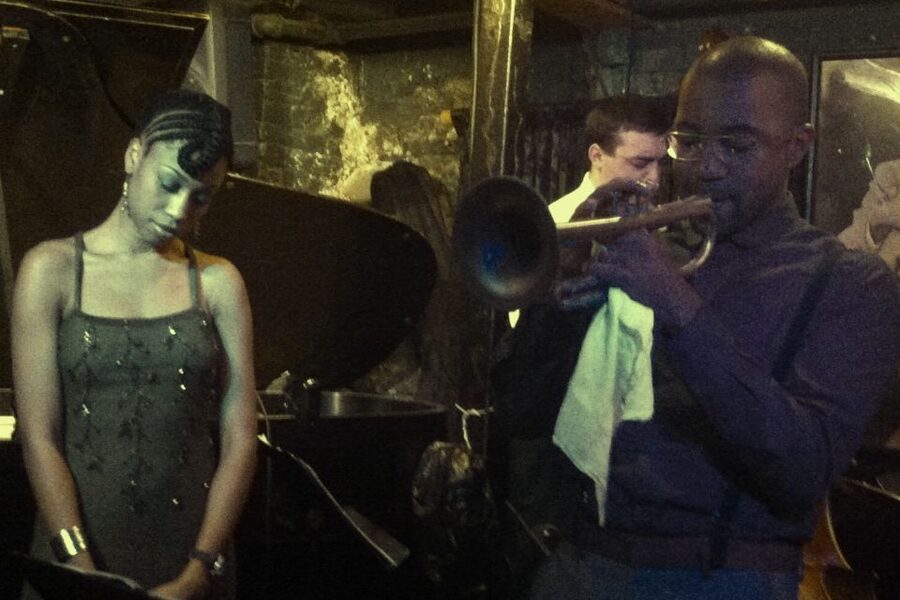
If you book a Tuesday night, you’re signing up for a specific type of energy. The tour can include Trad jazz performed in a late-night jam session, with surprise guests showing up along the way.
This is a different flavor than a standard staged set. Jam sessions are about listening first and learning how musicians talk to each other in real time. You’ll often hear guests join and the music shift on the fly—sometimes in ways that feel spontaneous but still grounded in tradition.
If you like jazz for the human part—the call and response, the small risks, the moments when someone decides to take the next chorus somewhere new—this is the night style to target.
If you prefer highly structured shows with a predictable set list, you still might enjoy it, but I’d go in knowing that jam formats can be looser. The upside is that the room can feel extra alive.
Your guide and the small-group advantage (with Gordon in the spotlight)
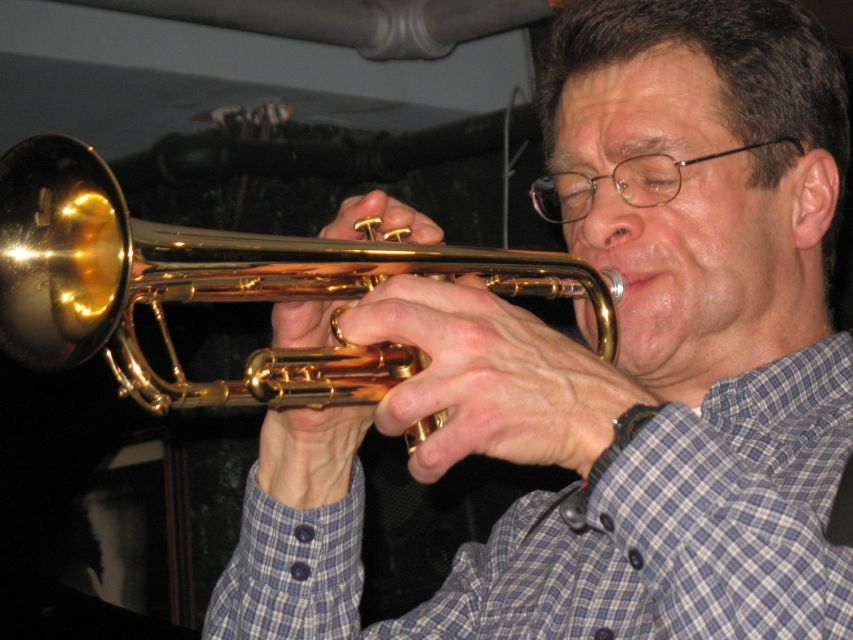
The tour’s quality leans heavily on your guide. The experience is led by an expert jazz guide, and the best part is how they connect the dots between what you’re hearing and what you’re standing on.
In reviews, the guide Gordon shows up again and again for a reason: the sets feel deliberately chosen, not random. People describe him as relaxed, passionate, and good at picking both places and musicians that fit the moment.
The small group also helps. Limited to 6 participants, it doesn’t feel like you’re being moved through a checklist. Instead, it’s easier to ask questions, learn what to listen for, and get suggestions for what to do after the tour.
One practical bonus from the guide’s approach: you may get pointing-and-direction help for other places to catch music or join jam sessions later. That kind of advice can be the difference between a “cool night” and a “now I know how to keep this going in NYC.”
Practical stuff that makes or breaks your comfort
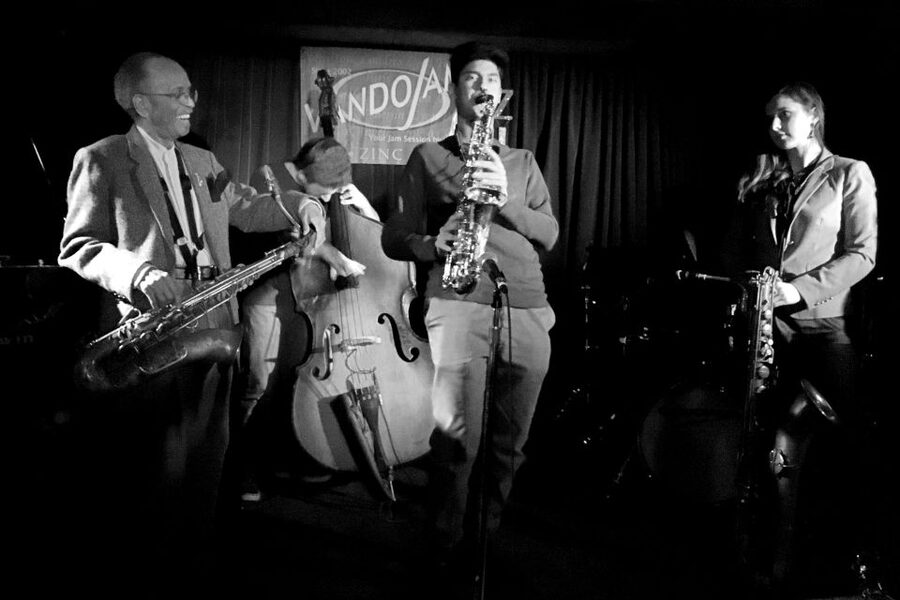
This tour doesn’t require a costume or fancy shoes. There’s no dress code. Still, dress for comfort—because you’re walking outdoors and then sitting in clubs that can run hot or cold.
Plan your food smart. Most Village jazz clubs don’t have kitchens. That means you should eat dinner before the tour starts. You’ll likely want a full stomach when you’re settling in for live sets.
Drinks are part of the reality here. Drinks are available at all clubs, and many places require a 1-drink minimum (alcoholic and non-alcoholic options). Drinks aren’t included in the price, so bring a simple budget mindset for that first drink.
Photography rules are also worth knowing. Photography is encouraged, but it should be focused on the musicians, not other patrons or neighbors. Basically: respect the room, and get the shots that won’t make people feel caught on camera.
Price and value: why $127 can make sense here
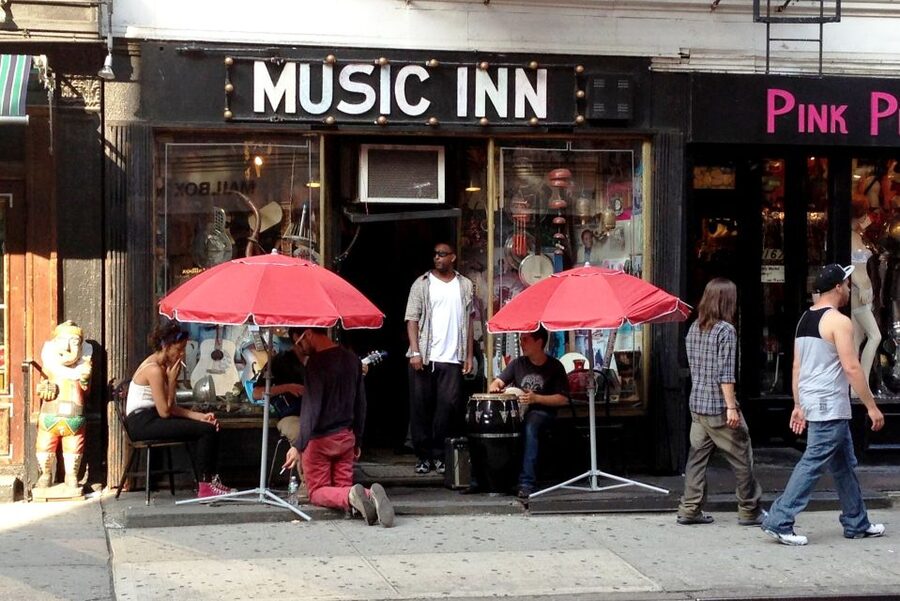
At $127 per person for a 4-hour night, this isn’t a bargain snack. But the value story is clear: the tour price includes cover charges for the clubs.
In NYC, cover charges can add up fast—especially when you’re moving between venues. By bundling those into the ticket, you get a smoother experience with fewer “wait, how much is this one?” moments.
You’re also paying for the structure and selection. Someone is doing the hard part: navigating the Village, matching you to the right clubs for the night, and turning the scene into something you understand while you’re there.
There’s one more value lever: the tour includes the chance to perform if circumstances permit. Even if that doesn’t happen every time, it signals the tour isn’t only about watching. It’s about participating in the culture when the moment allows it.
Finally, the small group limit (up to 6) adds value. You get the benefit of expert guidance without feeling like you’re in a herd.
Where the night ends: using the tour to keep going
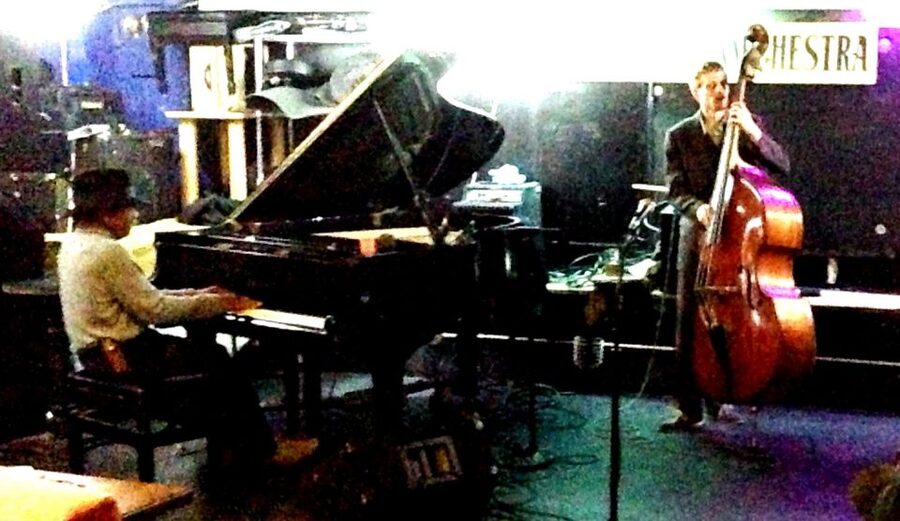
The tour finishes smack in the middle of the best jazz scene in New York, and your guide helps you get to the next club on your own—or back to your hotel if you’re calling it a night.
That ending matters. Many tours leave you standing on a corner with no plan. Here, you leave with direction. You can use that to extend your evening based on what you heard and liked in the two clubs you visited.
If you’re the type who likes to follow the sound—rather than force one “last stop” that might not fit—this structure helps. It keeps you in the rhythm of the Village instead of breaking it.
Who should book this jazz crawl (and who might want a different plan)
This is a great fit if:
You want live jazz in two clubs without spending your whole evening searching.
You love hearing the story behind the music—especially the Village trail from classic names to modern scenes.
You want a guide to help you pick what to listen for, not just where to walk.
It may be less ideal if:
You hate walking and stairs, since the route involves moving between venues and can include subway or club staircases.
You want food included, since you’ll be expected to eat dinner before you go.
You prefer large-group party energy. This is small-group and music-focused.
If you’re visiting NYC with limited time and want a night that feels both fun and meaningful, this one checks a lot of boxes.
Should you book this NYC Greenwich Village Jazz Crawl?
I’d book it if you want a guided night that turns Greenwich Village into a jazz map. The combination of two live club experiences, history callouts like Cafe Society and Cafe Bohemia, and cover charges included makes it a solid value for what you get. Add in the small group size, and you’re much more likely to leave feeling like you understood the scene—not just watched it.
I’d also book it if you want to be set up for a second night of music. The guide can point you toward jam options and the right next step, which is the kind of local help that pays off after the tour ends.
If you’re picky about meals or hate club rules like minimum drink requirements, just plan around those realities in advance. Eat first, budget for drinks, and you’ll have room to enjoy the music.
FAQ
What is the duration of the Greenwich Village Jazz Crawl?
It runs for about 4 hours.
How many people are in the group?
The group is small and limited to 6 participants.
Where do I meet for the tour?
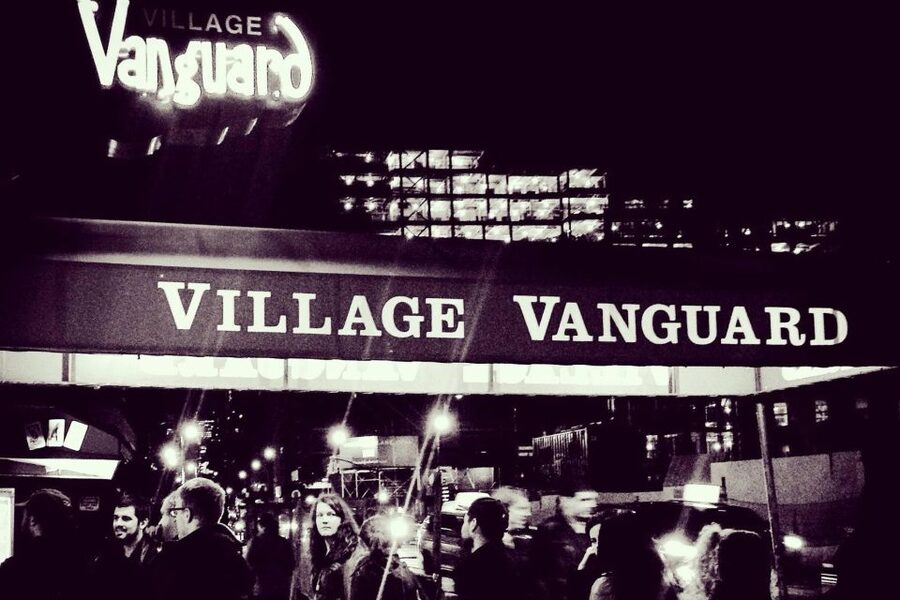
You meet next door to the Village Vanguard, near the front door of Spa Jolie. Arrive on time.
What’s included in the price?
Cover charges for all clubs are included, along with a friendly, knowledgeable, and flexible live guide. The chance to perform may be possible if circumstances permit.
What should I do about food and drinks?
Most Village jazz clubs don’t have kitchens, so eat dinner before the tour. Drinks are available at the clubs, and many require a 1-drink minimum. Food and drinks aren’t included.
Is there a dress code?
No. Dress for comfort because you’ll be outdoors and inside clubs that can feel hot or cold.
Can I take photos?
Photography is encouraged, but you should photograph the musicians, not other patrons and neighbors.
Is the tour in English?
Yes, the live tour guide provides the tour in English.
More Tour Reviews in New York City
- NYC: SUMMIT One Vanderbilt Tickets★ 4.7 · 51,195 reviews
- NYC: Empire State Building Tickets – Observatory & Museum★ 4.7 · 25,757 reviews
- New York City: Statue of Liberty & Ellis Island with Ferry★ 4.6 · 18,683 reviews
- New York City: American Museum of Natural History Ticket★ 4.5 · 15,447 reviews
- Statue of Liberty and Ellis Island Tour: All Options★ 5.0 · 13,571 reviews
Still in the Village
- NYC: Greenwich Village Food Tour with 6 Locals Favorites Dishes★ 5.0 · 1,812 reviews
- Greenwich Village Walking and Food Tasting Tour★ 5.0 · 1,572 reviews
- Artistic, Alternative Greenwich Village Walking Tour★ 5.0 · 971 reviews
- NYC Greenwich Village Italian Food Guided Walking Tour★ 5.0 · 627 reviews
- Greenwich Village Food Tour | Tasty Tours NYC★ 5.0 · 549 reviews
Just in: the newest New York City reviews on our desk





Greenwich Village Tours, compared.
 ★ 5.0Greenwich Village Food Tour with 6 Locals Favorites DishesFrom $971,812 reviews
 ★ 5.0Greenwich Village Walking and Food Tasting TourFrom $941,572 reviews
 ★ 5.0Artistic, Alternative Greenwich Village Walking TourFrom $39971 reviews
 ★ 5.0NYC Greenwich Village Italian Food Guided Walking TourFrom $89627 reviews
 ★ 5.0Greenwich Village Food Tour | Tasty Tours NYCFrom $79549 reviews
 ★ 4.5New York City Ghost Tour of Greenwich VillageFrom $39466 reviews
 ★ 5.0High Line Park and Greenwich Village Food TourFrom $159398 reviews
 ★ 4.8Greenwich Village Guided Walking TourFrom $39300 reviews
Browse the lists this tour appears in