
Reviewed · NYC WALKING TOURS
NYC: History of Slavery & Underground Railroad Walking Tour
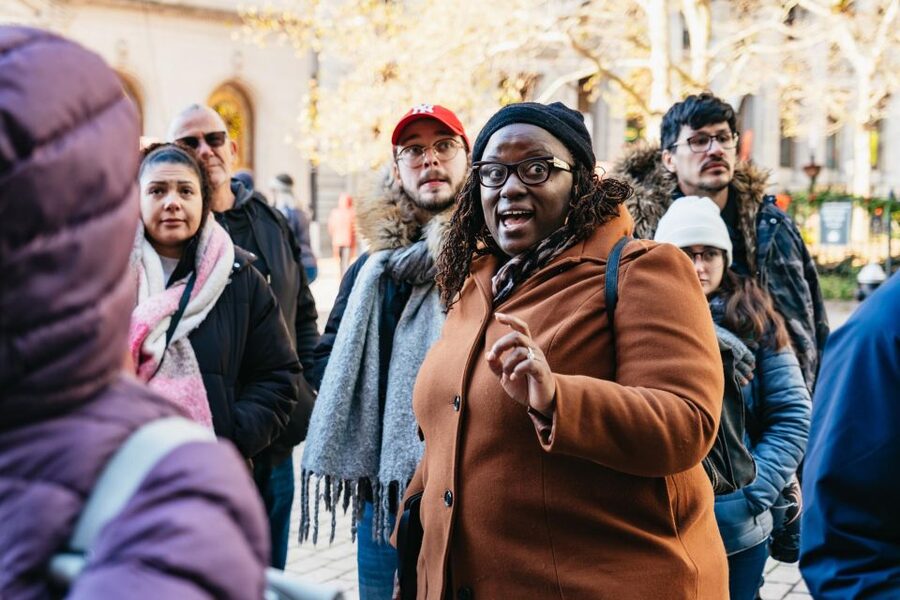
New York’s past hides in plain sight. On this walking tour, you trace how African Americans shaped the city’s foundations, from the earliest colonial era to the Underground Railroad. You start at a memorial for enslaved Africans and then connect the dots to nearby landmarks like Fraunces Tavern, Trinity Church, and Wall Street—so the story is right in front of you, not trapped in a textbook.
I love that the tour keeps both the big arc and the human stakes in view. You’ll hear how escape efforts worked through clandestine routes and safe houses, plus the revolts, kidnappings, and escapes that shaped what was possible. I also like the way the guides handle a heavy subject with care and honesty, with real-space context and room for your questions.
One drawback to plan for: this is a direct slavery-focused tour, so the material can feel emotionally intense, even when it’s presented with empathy. Also, it’s a walking tour, so comfortable shoes matter.
In This Review
- Key highlights worth planning for
- Starting at the American Indian Museum area, then honoring the enslaved
- African-American history meets Wall Street landmarks you thought you knew
- Underground Railroad on the ground: routes, safe houses, and risk
- The people behind the help: courage in a city that could retaliate
- How the tour handles slavery on a difficult emotional scale
- Pace, timing, and what 150 minutes feels like
- Price and value: what $49 buys you in the real world
- Who this tour is best for (and who might want to think twice)
- Should you book this slavery and Underground Railroad walking tour?
- FAQ
- Where does the tour meet?
- How long is the walking tour?
- How much does it cost?
- What’s included in the price?
- Is hotel pickup included?
- What language is the tour conducted in?
- What should I bring?
- Can I cancel and get a full refund?
Key highlights worth planning for
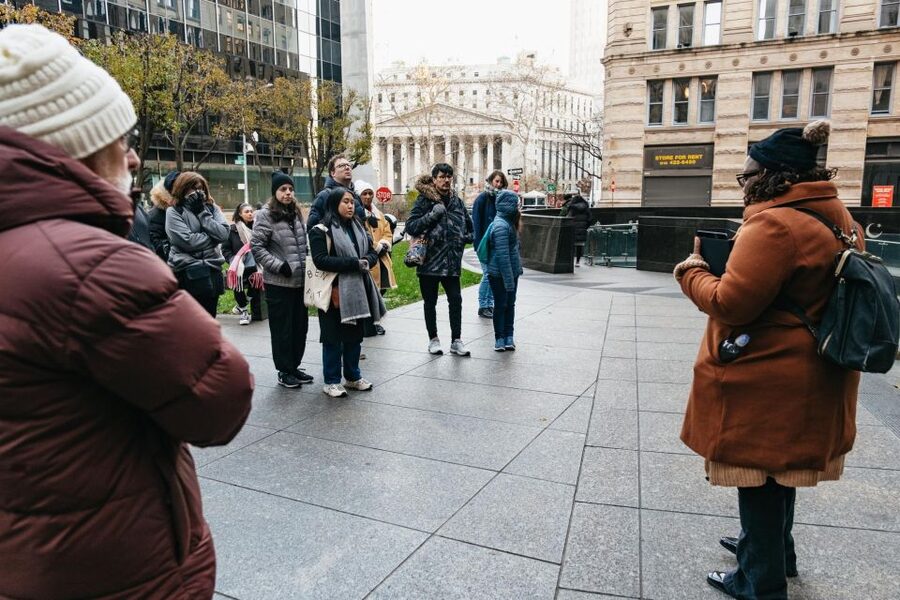
- African Burial Ground National Memorial first: you begin with the people enslaved in colonial America, not “after the fact.”
- Underground Railroad mechanics, explained: not just legends—how escape networks functioned with secrecy.
- Big-name NYC stops with added meaning: places like Fraunces Tavern and Trinity Church get reframed through Black history.
- Guides who answer awkward questions: multiple guides are praised for clarity and patience on sensitive topics.
- Manageable pace for a 150-minute walk: reviews repeatedly note it’s walking, but not punishing.
- A humane, respectful tone: slavery’s impact is treated with empathy, not spectacle.
New York City at street level, a few more walks
- SoHo, Little Italy, and Chinatown Walking Tour in New York
★ 5.0 · 3,153 reviews - Secrets of Grand Central Station Walking Tour New York City
★ 5.0 · 1,796 reviews - Greenwich Village Walking and Food Tasting Tour
★ 5.0 · 1,572 reviews - Artistic, Alternative Greenwich Village Walking Tour
★ 5.0 · 971 reviews
Starting at the American Indian Museum area, then honoring the enslaved
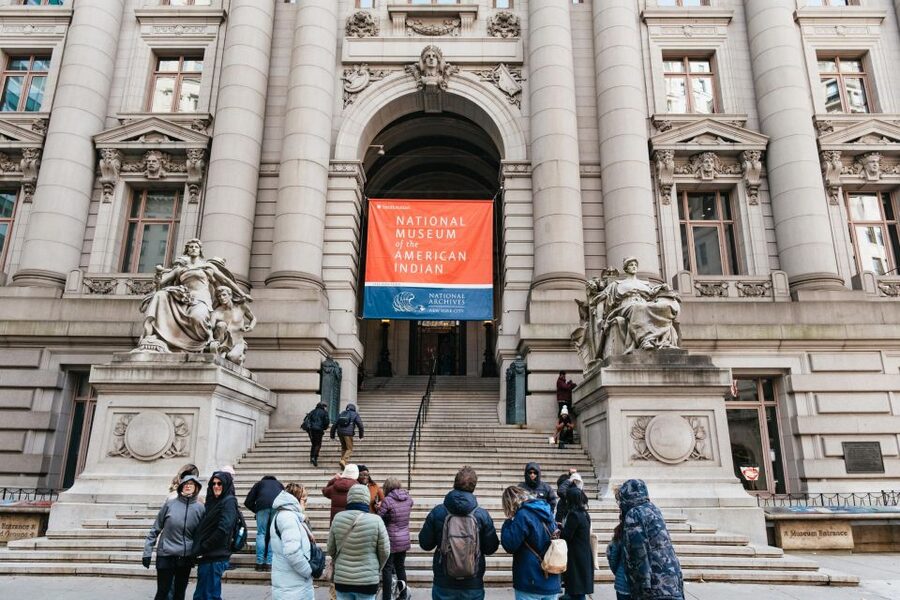
The meeting point is straightforward: meet in front of the American Indian Museum. That’s a useful anchor, because you’re about to shift from modern Midtown ease into colonial-era reality with no time to “warm up” with casual sightseeing.
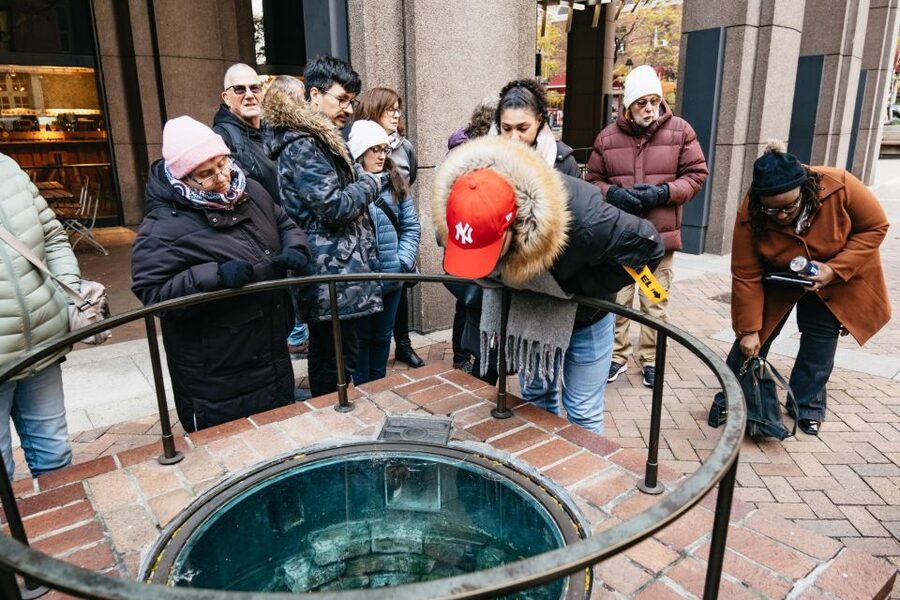
From there, the tour leads you to an archaeological site and memorial dedicated to enslaved Africans in colonial America. This is one of the strongest parts of the experience because it changes the way you see the neighborhood. Before you hear about escape networks and abolition, you’re reminded that people were bought, sold, and buried here—and that those remains deserve respect.
If you’re someone who likes your history grounded in place, you’ll appreciate how the story begins at a memorial rather than at a convenient “wow” building. It sets the emotional tone early: this isn’t only about famous abolitionists. It’s about people whose lives were forced into the machinery of slavery.
African-American history meets Wall Street landmarks you thought you knew
Once you’re oriented, the walk moves through major downtown sights, including Fraunces Tavern and Trinity Church, plus Wall Street and other notable nearby stops. On a typical sightseeing day, these spots feel like architecture and dates. Here, the same places become evidence.
What you get is context that makes the city’s power feel more accurate. You start seeing how wealth, institutions, and politics intersected with slavery and the struggle against it. The landmarks don’t replace the hard parts of the story. They help explain how that hard system sat alongside everyday “business as usual.”
Fraunces Tavern, in particular, is a place people recognize for its name. On this tour, it functions more like a portal: you learn why the surrounding era matters to African-American history in New York, not just American Revolutionary lore.
You’ll also spend time on what the city looked like to enslaved and free Black New Yorkers across different periods. That shift in perspective is one of the best “value adds” of a guided walk: the guide connects dots you’d likely miss on your own.
Underground Railroad on the ground: routes, safe houses, and risk
The most central theme is the Underground Railroad—and not as a vague metaphor. You hear how escape efforts relied on a network of clandestine routes and safe houses, and how secrecy wasn’t optional. It was survival.
The tour includes stops at former locations associated with Underground Railroad activity, where your guide explains how the system worked in practice. Expect discussions of the dangers involved—revolts, kidnappings, and the constant threat of being caught. You’ll also learn how escapes were shaped by timing, geography, and the willingness of people to help at tremendous personal cost.
This is the part that feels most “real.” Instead of only hearing about heroic figures in hindsight, you understand the steps and the risks that had to line up for anyone to reach relative safety. And because the stops are physical, you can look at a street corner and picture how a network could operate without leaving a trail.
One more thing I appreciate: the tour doesn’t treat the Underground Railroad as a straight line toward freedom. It’s portrayed as something people fought for under pressure, with setbacks and fear baked into every choice.
More dark corners and cold cases

The people behind the help: courage in a city that could retaliate
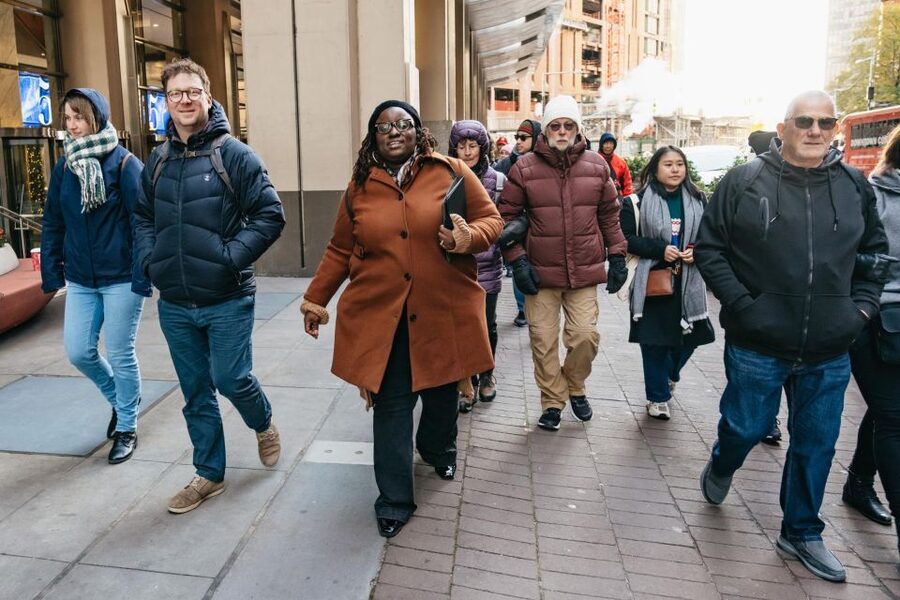
Along the way, the tour focuses on real New Yorkers who risked their lives and property to help people escape slavery. That emphasis matters because it shifts the story away from “history made by one famous person” and toward history made by many ordinary (and not-so-ordinary) decisions.
You’ll hear tales of courage and triumph, but with the reality that helping could be punished severely. This is also where the guide quality really shows. Several guides are praised for being patient and for answering questions without talking down to anyone.
Names that come up repeatedly include Ludie, Maia/Maya, Sean/Shaun/Shawn, and Ms Damaras/Damaras (spelled slightly different across participants). Even if your guide isn’t one of these, the pattern matters: guides are often described as clear, thoughtful, and able to keep the discussion grounded.
This also tends to be where your brain asks practical questions: Who knew what? How did information move? What did “safe” actually mean? The tone of the tour supports that curiosity while still holding space for the difficult emotions.
How the tour handles slavery on a difficult emotional scale
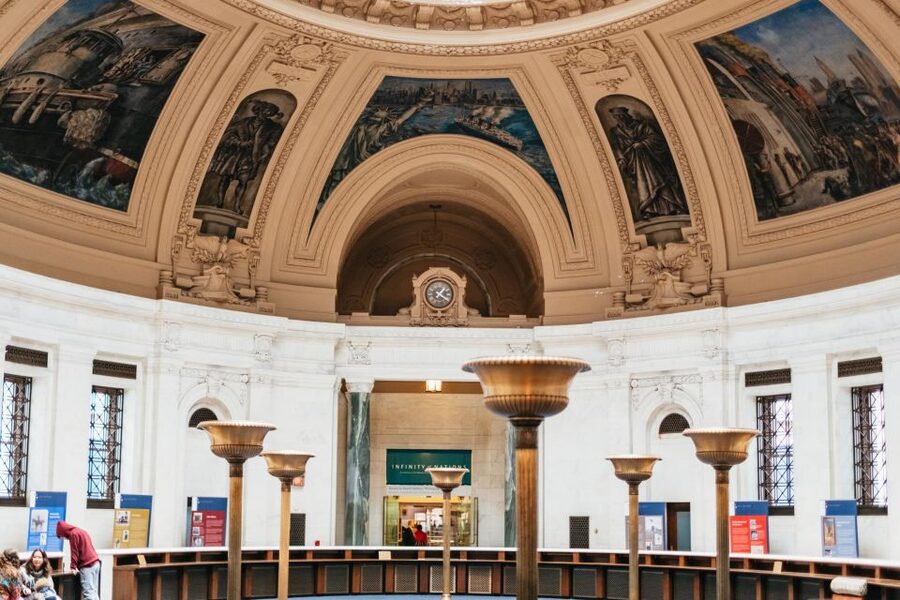
Let’s be honest: slavery is brutal, and this tour doesn’t pretend otherwise. What makes it worth your time is the balance—historical clarity plus empathy for the people affected.
One review highlight that matches what the tour promises: the guides address the impact of slavery and connect it forward, then handle the subject with grace. They also tend to encourage you to listen closely, even if the topic makes you uncomfortable. That’s not to shame you. It’s to help you stay present.
I also like that this isn’t packaged as sensational tragedy. The tour gives you the “why it matters” thread, so you leave with a better sense of how the foundations of NYC were built while people endured forced labor and violence.
If you’re choosing this for a first-time visitor, this is a strong way to get a more honest picture of New York—because the city’s public memory often skips over the people who paid the cost.
Pace, timing, and what 150 minutes feels like
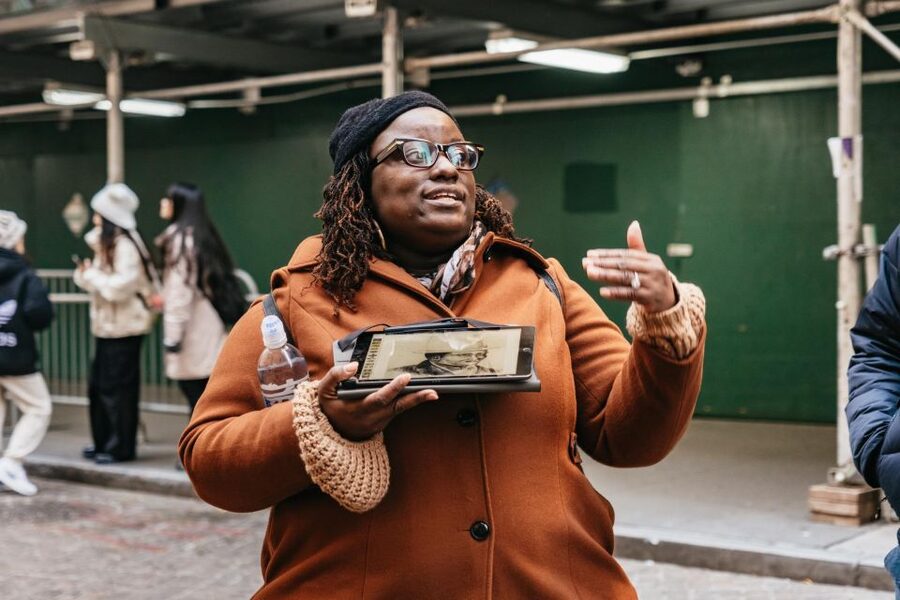
The tour runs about 150 minutes, so think roughly two and a half hours. It’s walking, but multiple participants note it isn’t an overwhelming distance. You’ll still want comfortable shoes, especially if you’re visiting in rainy or hot weather.
The stops are close enough that you can absorb each location without sprinting between points. And because the guide is actively talking through the scenes, the time doesn’t feel like dead air. It feels like moving through a set of lessons.
Weather matters in any outdoor city walk. Wear weather-appropriate clothing, and if it’s cold or wet, layer up. You’ll be outside long enough that you’ll notice discomfort.
One practical note from past groups: sometimes the tour can be quite small. There was a mention of an intimate group of three, which is a nice sign that you may get more personalized conversation depending on day and turnout.
Price and value: what $49 buys you in the real world
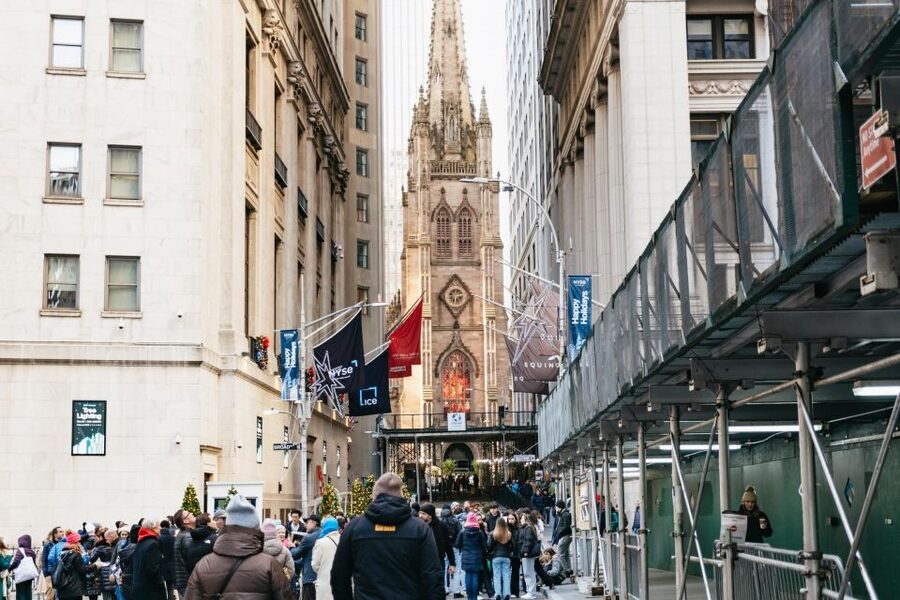
At $49 per person, this is not a budget freebie, but it also isn’t priced like a premium private tour. For that money, you’re paying for two things that matter most on history walks: a licensed guide and a structured route connecting multiple major sites.
You’re also paying for interpretation. You could stand at Trinity Church or stroll past Wall Street on your own, but you likely wouldn’t naturally connect those landmarks to enslaved Africans, Underground Railroad networks, or the risks faced by people trying to help others escape.
This is where guided value is easiest to see. The tour turns architecture and street names into cause-and-effect. It also gives you a chance to ask questions in real time, which is especially useful on a complex, sensitive topic like slavery.
If you care about New York beyond the postcard version, $49 can make sense fast—because you’re getting a two-and-a-half-hour education that you can’t replicate as cleanly by wandering alone.
Who this tour is best for (and who might want to think twice)
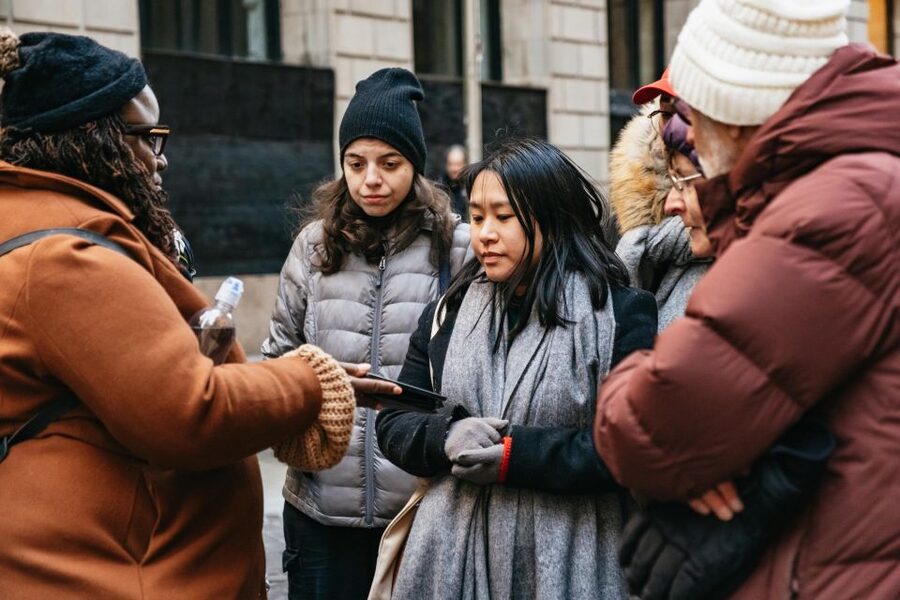
This is a great match if you:
- want African-American history tied directly to specific NYC locations
- like guided walking tours that explain the “how” and “why,” not just dates
- enjoy asking questions and getting straight answers from your guide
- want a respectful, empathetic tone while still learning tough material
It may be a tougher fit if you:
- don’t want an in-depth slavery-focused experience
- prefer lighter sightseeing only (this is not that kind of tour)
- get emotionally overwhelmed by intense historical topics
That said, the guide approach is consistently described as careful and human. So even if the subject is heavy, the tour aims to keep it grounded and respectful.
Should you book this slavery and Underground Railroad walking tour?
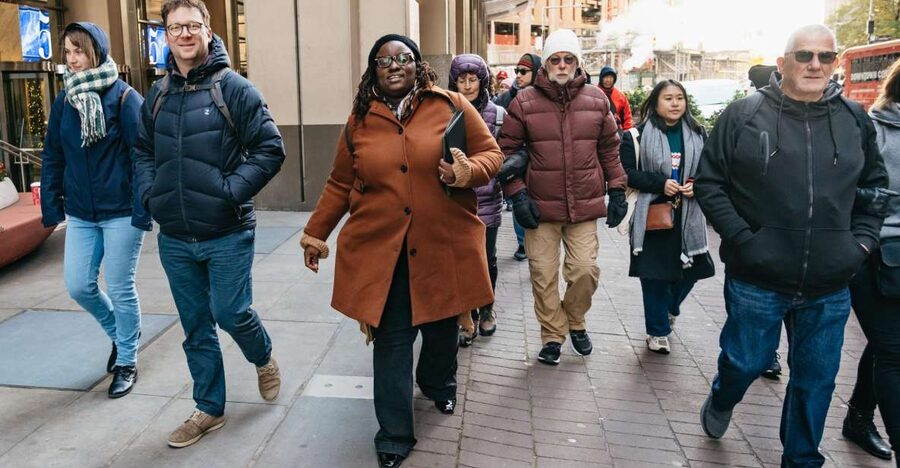
My take: yes, you should book it if you want your NYC history to feel honest and place-based. Starting at the memorial for enslaved Africans, then connecting to Underground Railroad sites and major landmarks like Fraunces Tavern and Trinity Church is an efficient way to build a fuller picture of how New York became what it is.
If you can handle emotionally intense history—and you’re ready for a real guided lesson rather than surface sightseeing—you’ll likely come away with stronger context and a clearer sense of how African Americans shaped the city’s foundations. Just come prepared: comfortable shoes, weather-ready clothes, and a mindset that’s open to learning.
FAQ
Where does the tour meet?
Meet in front of the American Indian Museum.
How long is the walking tour?
The tour lasts about 150 minutes.
How much does it cost?
It’s $49 per person.
What’s included in the price?
You get the walking tour and a licensed New York tour guide.
Is hotel pickup included?
No, hotel pickup and drop-off are not included.
What language is the tour conducted in?
The tour is in English with a live tour guide.
What should I bring?
Bring comfortable shoes and weather-appropriate clothing.
Can I cancel and get a full refund?
Yes. You can cancel up to 24 hours in advance for a full refund.
More Tour Reviews in New York City
- NYC: SUMMIT One Vanderbilt Tickets★ 4.7 · 51,195 reviews
- NYC: Empire State Building Tickets – Observatory & Museum★ 4.7 · 25,757 reviews
- New York City: Statue of Liberty & Ellis Island with Ferry★ 4.6 · 18,683 reviews
- New York City: American Museum of Natural History Ticket★ 4.5 · 15,447 reviews
- Statue of Liberty and Ellis Island Tour: All Options★ 5.0 · 13,571 reviews
After Dark: Ghosts and Cold Cases
- New York Catacombs by Candlelight★ 4.5 · 2,863 reviews
- New York City Mafia and Local Food Tour led by NYPD Guides★ 5.0 · 1,197 reviews
- Gangsters and Ghosts Tour New York City★ 5.0 · 905 reviews
- True Crime NYC: Mafia Walk w/Ret. NYPD Detective and Local Food★ 5.0 · 848 reviews
- New York City Ghost Tour of Greenwich Village★ 4.5 · 466 reviews
New York City, One Block at a Time
- SoHo, Little Italy, and Chinatown Walking Tour in New York★ 5.0 · 3,153 reviews
- Secrets of Grand Central Station Walking Tour New York City★ 5.0 · 1,796 reviews
- Greenwich Village Walking and Food Tasting Tour★ 5.0 · 1,572 reviews
- Artistic, Alternative Greenwich Village Walking Tour★ 5.0 · 971 reviews
- Brooklyn Bridge & DUMBO Neighborhood Tour – from Manhattan to Brooklyn★ 5.0 · 826 reviews
Just in: the newest New York City reviews on our desk





NYC Walking Tours, compared.
 ★ 5.0SoHo, Little Italy, and Chinatown Walking Tour in New YorkFrom $393,153 reviews
 ★ 5.0Secrets of Grand Central Station Walking Tour New York CityFrom $391,796 reviews
 ★ 5.0Greenwich Village Walking and Food Tasting TourFrom $941,572 reviews
 ★ 5.0Artistic, Alternative Greenwich Village Walking TourFrom $39971 reviews
 ★ 5.0Brooklyn Bridge & DUMBO Neighborhood Tour – from Manhattan to BrooklynFrom $49826 reviews
 ★ 5.0Central Park Guided Walking TourFrom $44774 reviews
 ★ 4.6Private Walking Tour with a LocalFrom $55771 reviews
 ★ 5.0NYC Lower East Side Walking and Food TourFrom $94646 reviews
Browse the lists this tour appears in