
Reviewed · NYC WALKING TOURS
NYC: Remnants of Dutch New Amsterdam Guided Walking Tour
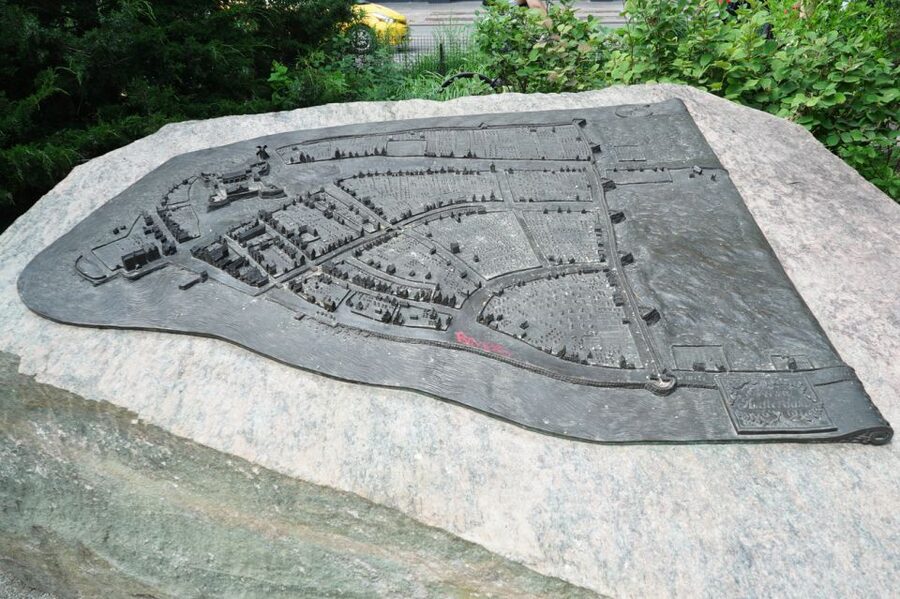
Touch the oldest Manhattan walls today. This Remnants of New Amsterdam walk makes early Lower Manhattan feel real fast, with stops along the original coast line and a guide who helps you connect the story to the exact ground you’re standing on. The walk is built around a 1667 city map in hand, which turns the usual history lesson into a literal street-by-street trace.
I especially like the hands-on moments, including the chance to physically touch history at Bowling Green and learn how the name stuck. I also like the mix of tangible leftovers you get to see, from the foundations of Manhattan’s first City Hall to the battery area and long-forgotten cannon pieces. One consideration: it’s rain or shine and you’ll be on your feet for the full 2 hours, so comfortable shoes really matter.
In This Review
- Key things that make this tour worth your time
- Walking the original coast line, not just the tourist version
- Tracing 1667 streets with a map in your hands
- Manhattan’s first City Hall: foundations, plus the tavern twist
- Dutch fort, windmill, and the battery wall: defense you can almost see
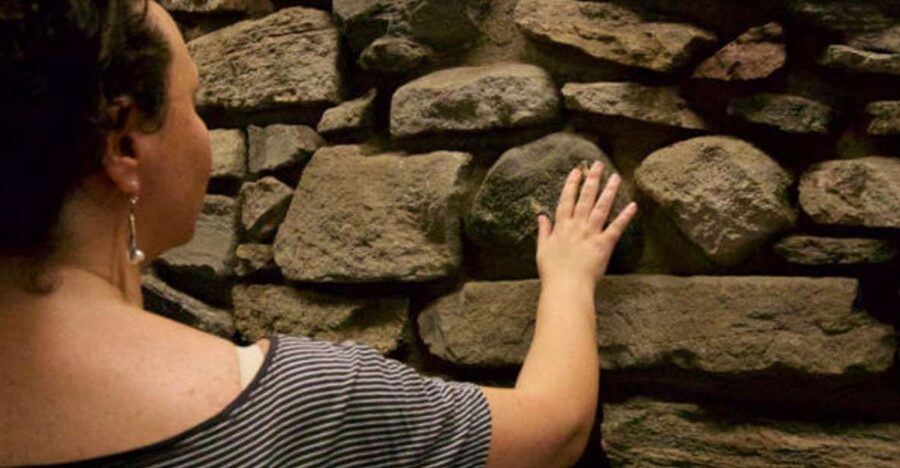
- The Bowling Green stop: history you can physically touch
- Small group pacing, clear audio, and local guidance that matters
- What 2 hours feels like in real life
- Price and value: what $39 gets you
- Who should book this tour (and who might not)
- Practical tips before you meet at 1 Bowling Green
- Should you book the NYC Remnants of New Amsterdam tour?
- FAQ
- How long is the Remnants of New Amsterdam guided walking tour?
- How much does the tour cost?
- Where is the meeting point?
- Is the tour wheelchair accessible?
- Does the tour run in the rain?
- What language is the live guide?
- Are headsets included?
- What should I bring?
- Are tripods allowed?
- Can I get a refund if I cancel?
Key things that make this tour worth your time
- Follow the original coastline where New York’s story started south of Wall Street
- Use a 1667 map in your hands to trace Manhattan’s streets as they looked in 1667
- See the remains of Manhattan’s first City Hall, including its earlier tavern life
- Spot Dutch military and defense clues, including the fort, windmill, and battery wall
- Bowling Green becomes personal, with a chance to touch history and learn the name’s origin
- Hear every detail clearly, thanks to headsets for a small-group pace
New York City at street level, a few more walks
- SoHo, Little Italy, and Chinatown Walking Tour in New York
★ 5.0 · 3,153 reviews - Secrets of Grand Central Station Walking Tour New York City
★ 5.0 · 1,796 reviews - Greenwich Village Walking and Food Tasting Tour
★ 5.0 · 1,572 reviews - Artistic, Alternative Greenwich Village Walking Tour
★ 5.0 · 971 reviews
Walking the original coast line, not just the tourist version
Lower Manhattan is full of plaques and photos, but this is different because you’re walking the shape of the place before it became the grid you recognize today. The tour takes you along the original coast line, so you’re not just learning dates in the abstract. You’re understanding why people built where they did—near the edge of the water, where trade and arrivals mattered.
You’ll also spend time south of Wall Street, where the “New York you know” overlaps with the New York that existed long before skyscrapers. That contrast is the point. You look up at modern towers, then turn and look at foundations, walls, and physical traces of the Dutch era right where they belonged.
This is also a nice way to reframe your first day in the Financial District. Instead of treating it like a place you rush through, you slow down and see it as a layered city—one shoreline at a time.
Tracing 1667 streets with a map in your hands
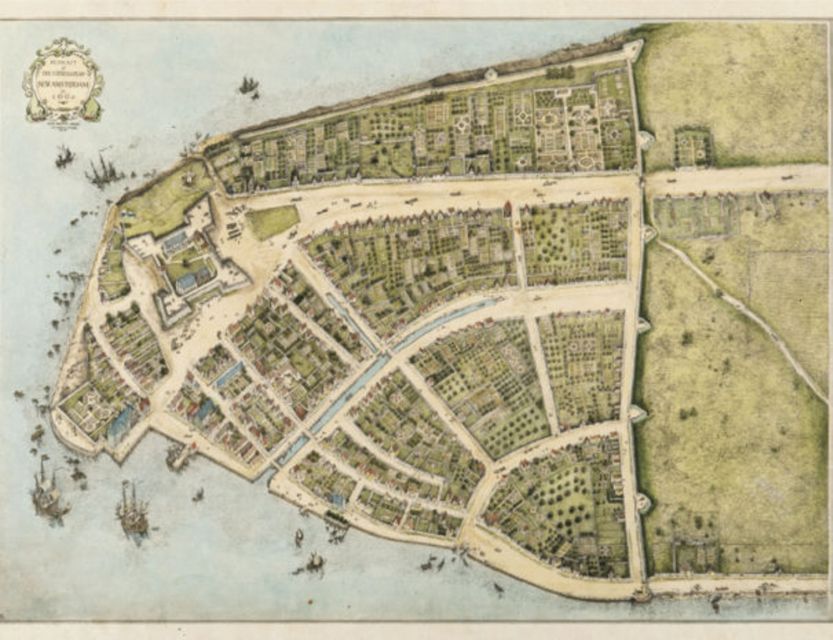
One of my favorite “how-to-see-this-better” tools is exactly what this tour gives you: Manhattan’s first map in hand, reflecting what people understood in 1667. The result isn’t just a lecture. You’re actively following the lines—what matched, what shifted, and how early layouts relate to what’s around you now.
I like this approach because it helps you stop thinking of history as a timeline you memorize. It becomes geography you can picture. You start asking better questions while you walk:
- Where would people have turned?
- Which blocks were part of the everyday street life?
- How did the coast shape movement and settlement?
And since the tour is designed as a guided walking experience, the map is used while you’re standing in the right locations. That means you’re not trying to hold the city’s past in your head—you’re literally placing it onto today’s streets.
Manhattan’s first City Hall: foundations, plus the tavern twist
Not every early building survives, but the tour gives you something more useful than a postcard. You get to see the foundations of Manhattan’s first City Hall, and you’ll also learn that it served as a tavern too. That tavern detail is a reminder that political life wasn’t separated from everyday life the way it often is now.
In practical terms, this is the kind of stop that helps you “read” what you’re looking at. You’re not just told a site existed—you’re guided through what it represents and why it mattered. Foundations can feel ambiguous if you’re on your own. With a guide, they turn into a real structure you can imagine, including the busy mixed-use reality of early New York.
I also like that this stop anchors the rest of the walk. After City Hall and its tavern role, the story naturally connects to defense, settlement patterns, and how the Dutch organized the early community south of Wall Street.
New York City on foot, a few more routes

Dutch fort, windmill, and the battery wall: defense you can almost see
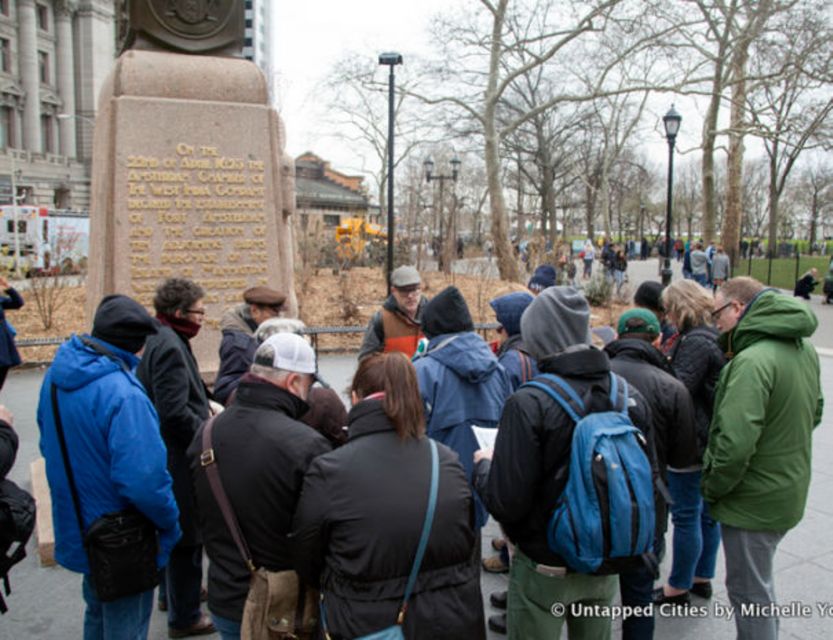
This tour doesn’t stop at civic buildings. You also get to explore the Dutch defensive footprint: an original Dutch fort, a wind mill, and the battery area. Even without big dramatic reconstructions, the guide helps you connect the dots between what you’re seeing today and what was built for protection back then.
The battery wall is a key piece. It’s the kind of location where you naturally start thinking: How would people have protected the settlement? What would they worry about? Where would threats come from? Why does the city’s early shape make sense when you consider safety and control?
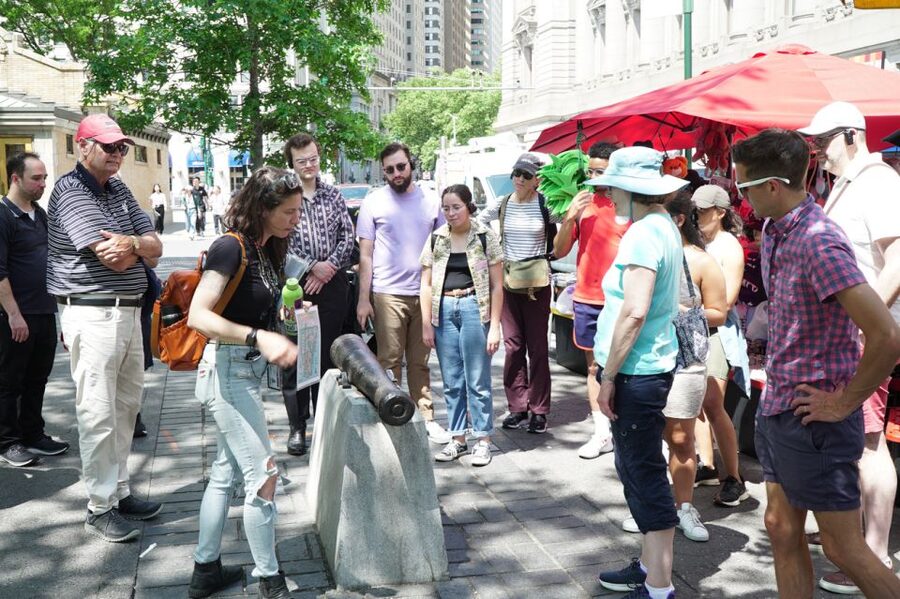
There’s also mention of the long-forgotten oyster pasty cannon and other relic elements connected with the fort/battery story. That kind of quirky detail is useful, too. It gives you a stronger mental hook than “military stuff happened here.” You remember it because it’s specific—and because it connects daily life to defense in a small-town, early-city way.
The Bowling Green stop: history you can physically touch
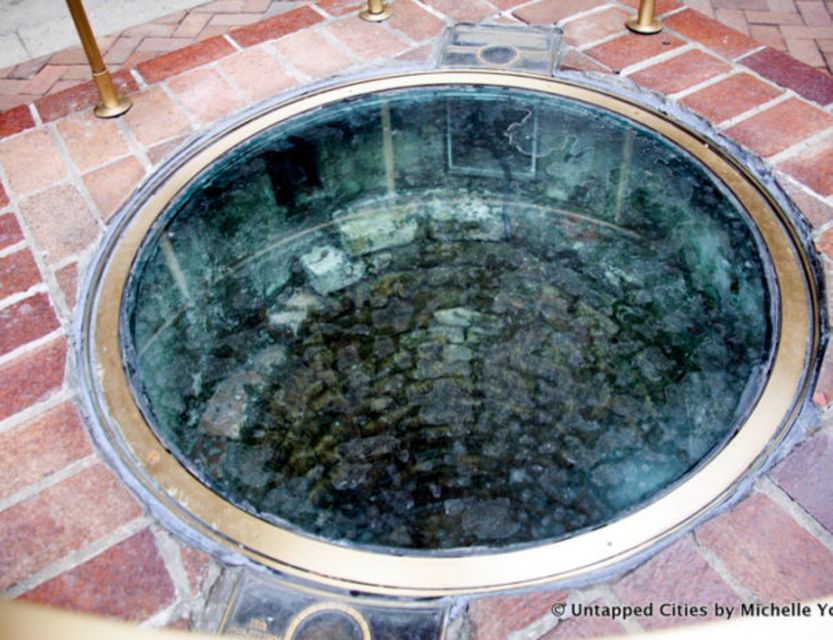
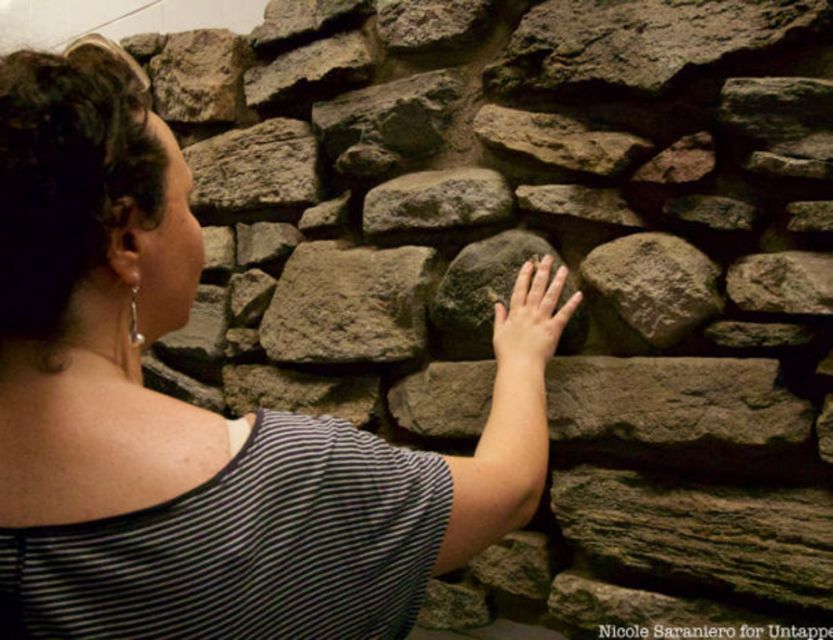
If you want one moment that turns the tour from interesting to memorable, it’s Bowling Green. This is where you spend time finding out how Bowling Green got its name and why the place has been important in the city’s history. The big difference is that you don’t just hear about it. You get time to physically touch history as you learn the story.
Touching an object or surface in a place that’s tied to the early city does something mental. You stop treating the past like a distant idea. It becomes tactile. That’s also why Bowling Green works so well as a mid-tour emotional anchor: after tracing streets and viewing foundations, this is the stop that feels personal and grounded.
Bowling Green also ties back to the tour’s bigger theme: New York was built on waterfront logic, defense needs, and community life all happening close together. This stop helps you feel that closeness in a way that’s hard to get from indoor exhibits.
Small group pacing, clear audio, and local guidance that matters

This is a small-group walking tour led by an expert from the Untapped New York team. What you’ll notice quickly is the pace. The tour isn’t rushed, and it uses headsets so you can hear clearly even if you’re a little behind the group.
Headsets matter more than people think. In dense areas like Lower Manhattan, voices vanish fast behind street noise and building echo. With headsets, you can actually follow the guide’s thread. That’s especially helpful when the story includes specific locations like first City Hall foundations, battery walls, and map-tracing instructions.
In past bookings connected to this tour, guides such as Richard and Mandy have been praised for clear explanations and a good sense of timing. While you can’t plan for your exact guide, it’s a good sign of how the experience is run: the tour tries to keep the information understandable, not just fact-heavy.
What 2 hours feels like in real life
The duration is 2 hours, which is a sweet spot for a walking story of early New York. Long enough to cover multiple sites and learn the connections, short enough that you’re not stuck doing this while your feet revolt.
You should plan for steady walking, standing at outdoor sites, and brief moments to focus on map details and physical relic points. If you’re the type who likes to ask questions, a shorter tour can actually feel better because the guide can keep the flow moving without losing the thread.
Bring comfortable shoes and dress for the weather, since the tour runs rain or shine. You’ll also want to skip any tripods—those are not allowed.
Price and value: what $39 gets you
At $39 per person, this is positioned as an affordable deep-to-the-streets experience. What makes the value feel real isn’t just the cost. It’s what’s included:
- A guided walking tour with a local New Yorker
- Headsets so you can follow without straining your ears
For me, that combo is what turns a “see the area” walk into a “learn the area” walk. Without headsets and guidance, you’d likely miss parts of the story or struggle to interpret foundations and relics on your own.
So the value equation looks like this: you’re paying for interpretation and for the time it takes to connect Dutch-era details to specific spots you can’t easily identify without help. In a city where self-guided tours can turn into staring at plaques, this offers a more direct payoff for the price.
Who should book this tour (and who might not)
I think this is a great fit if you:
- Want a Lower Manhattan orientation that goes beyond the obvious landmarks
- Like history that connects to places you can stand on and look at
- Enjoy map-based learning, especially when it helps you “trace” street logic
- Want a small-group experience with clear communication through headsets
You might want a different type of activity if you:
- Hate being outdoors for extended periods (it’s rain or shine)
- Prefer museum-only pacing with lots of seating and indoor context
- Are traveling with a very limited willingness to walk and stand for the full time
Practical tips before you meet at 1 Bowling Green
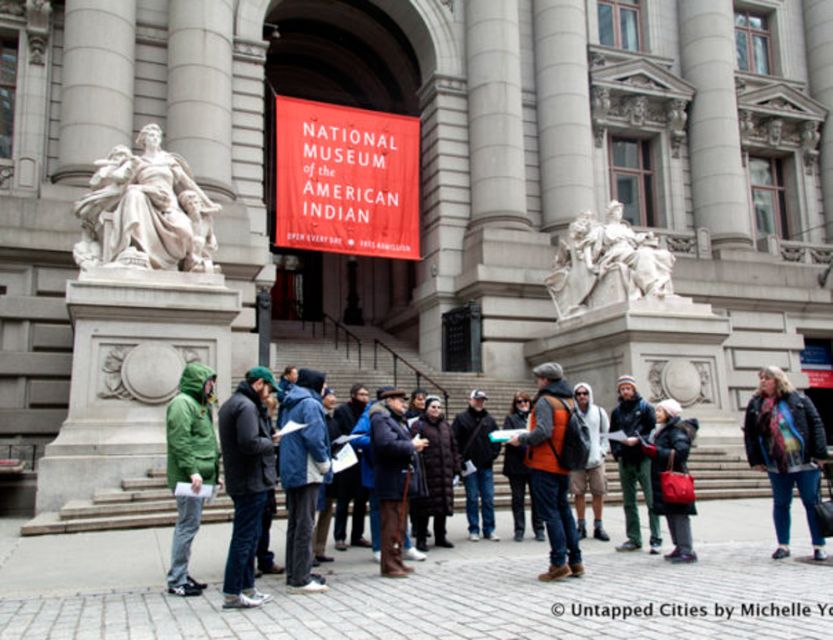
The tour starts on the steps of the National Museum of the American Indian at 1 Bowling Green, New York, NY 10004. That’s an easy anchor point because it’s a real address and a clear meeting spot.
Before you go, keep it simple:
- Wear comfortable shoes you can trust for uneven outdoor surfaces
- Dress in weather-appropriate clothing since the tour runs rain or shine
- Don’t bring tripods (they’re not allowed)
- Plan to use the headsets to stay fully in the story, even when the group spacing changes
If you’re sensitive to cold or rain, bring a rain layer you can move in. Since you’ll be walking and standing, bulky gear can slow you down, so go for practical weather protection.
Should you book the NYC Remnants of New Amsterdam tour?
Yes, I’d book it if you want Dutch New York to feel grounded in actual streets, not just facts you read later. The combination of shoreline walking, the 1667 map tracing, first City Hall foundations, and the Bowling Green “touch history” moment makes this more memorable than the typical quick stop-and-go downtown tour.
Skip it only if you’re looking for mostly indoor stops or you can’t handle rain-or-shine outdoor walking. Otherwise, this is a strong use of a morning or afternoon in Lower Manhattan—short, focused, and designed to make early New York click in your head and on the sidewalk.
FAQ
How long is the Remnants of New Amsterdam guided walking tour?
It lasts 2 hours.
How much does the tour cost?
The price is $39 per person.
Where is the meeting point?
The tour meets on the steps of the National Museum of the American Indian at 1 Bowling Green, New York, NY 10004.
Is the tour wheelchair accessible?
Yes, it is wheelchair accessible.
Does the tour run in the rain?
Yes, it takes place rain or shine.
What language is the live guide?
The tour is conducted in English.
Are headsets included?
Yes. Headsets are included so you can hear the guide clearly even from a distance.
What should I bring?
Bring comfortable shoes and weather-appropriate clothing.
Are tripods allowed?
No, tripods are not allowed.
Can I get a refund if I cancel?
Yes. You can cancel up to 24 hours in advance for a full refund.
More Tours in New York City
- Statue of Liberty and Ellis Island Tour: All Options★ 5.0 · 13,571 reviews
- New York in One Day Guided Sightseeing Tour★ 5.0 · 13,166 reviews
- Central Park Pedicab Guided Tours★ 5.0 · 7,108 reviews
- New York City: Manhattan Helicopter Tour★ 4.7 · 7,076 reviews
- Private Central Park Pedicab Tour★ 5.0 · 6,981 reviews
More Tour Reviews in New York City
- NYC: SUMMIT One Vanderbilt Tickets★ 4.7 · 51,195 reviews
- NYC: Empire State Building Tickets – Observatory & Museum★ 4.7 · 25,757 reviews
- New York City: Statue of Liberty & Ellis Island with Ferry★ 4.6 · 18,683 reviews
- New York City: American Museum of Natural History Ticket★ 4.5 · 15,447 reviews
- Statue of Liberty and Ellis Island Tour: All Options★ 5.0 · 13,571 reviews
New York City, One Block at a Time
- SoHo, Little Italy, and Chinatown Walking Tour in New York★ 5.0 · 3,153 reviews
- Secrets of Grand Central Station Walking Tour New York City★ 5.0 · 1,796 reviews
- Greenwich Village Walking and Food Tasting Tour★ 5.0 · 1,572 reviews
- Artistic, Alternative Greenwich Village Walking Tour★ 5.0 · 971 reviews
- Brooklyn Bridge & DUMBO Neighborhood Tour – from Manhattan to Brooklyn★ 5.0 · 826 reviews
Just in: the newest New York City reviews on our desk





NYC Walking Tours, compared.
 ★ 5.0SoHo, Little Italy, and Chinatown Walking Tour in New YorkFrom $393,153 reviews
 ★ 5.0Secrets of Grand Central Station Walking Tour New York CityFrom $391,796 reviews
 ★ 5.0Greenwich Village Walking and Food Tasting TourFrom $941,572 reviews
 ★ 5.0Artistic, Alternative Greenwich Village Walking TourFrom $39971 reviews
 ★ 5.0Brooklyn Bridge & DUMBO Neighborhood Tour – from Manhattan to BrooklynFrom $49826 reviews
 ★ 5.0Central Park Guided Walking TourFrom $44774 reviews
 ★ 4.6Private Walking Tour with a LocalFrom $55771 reviews
 ★ 5.0NYC Lower East Side Walking and Food TourFrom $94646 reviews