
Reviewed · NYC WALKING TOURS
NYC: Traditional Immigrant Foods Guided Walking Tour
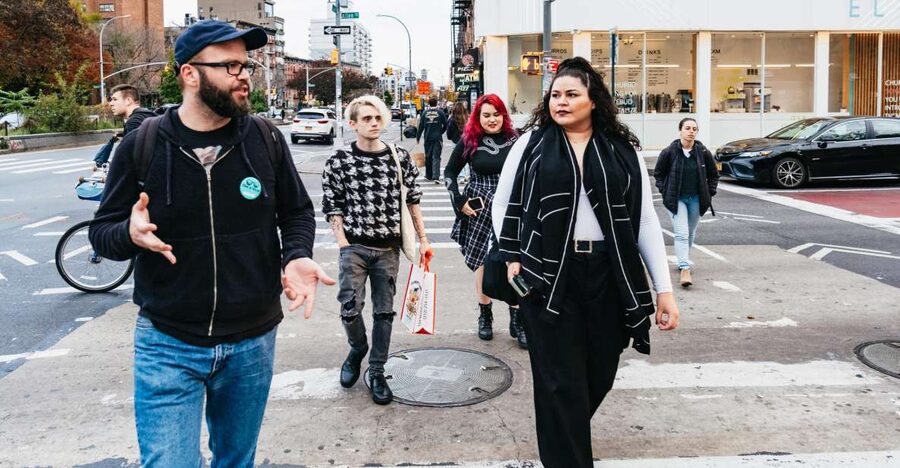
First bite of New York, explained. This traditional immigrant foods tour is built around 3 neighborhoods and the people who shaped them, with tastings that help the stories make sense in your mouth. I especially like how the guide connects the food to the immigrant communities behind it, and I like the lineup of classic stops like Kossar’s Bagels & Bialys and Ferrara Bakery, mixed with smaller local favorites. One watch-out: it can feel like slightly more walking than you expect, and a few tastings may be split among the group.
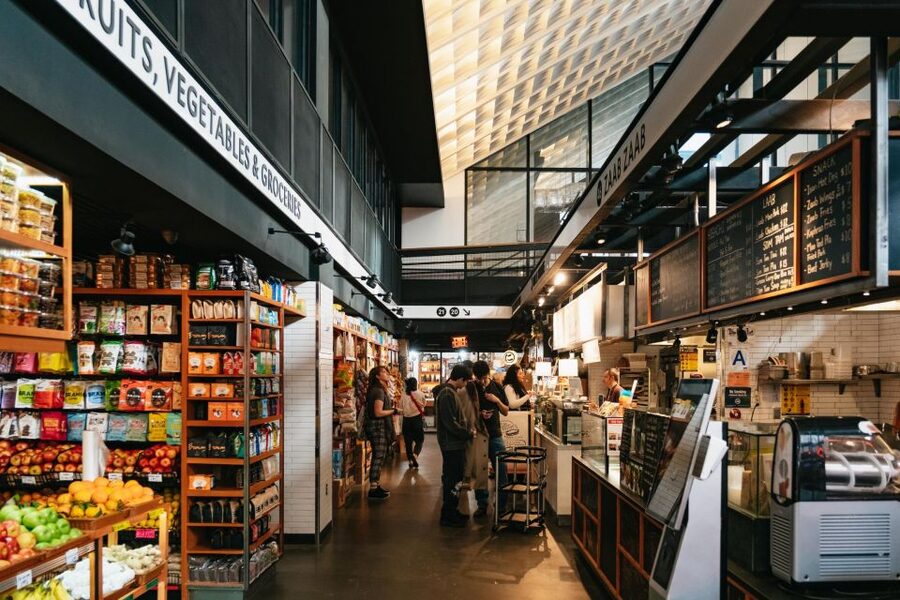
I also like that the meeting point at Essex Market keeps things grounded in real local commerce, not just a parade of tourist counters. Your route stays close on foot (under a mile total), but the payoff is that you move through Lower East Side to Chinatown to Little Italy in one coherent loop instead of bouncing around on your own.
In This Review
- Key Highlights Worth Your Attention
- Why This Tour Feels Different From a Generic Food Walk
- Starting at Essex Market: Where the Route Makes Sense
- Rebecca’s Cake Pops: Sweet Food as a City Habit
- The Pickle Guys: Crunch, Brine, and Street-Level Flavor
- Kossar’s Bagels & Bialys: A Classic That Has Real Weight
- Economy Candy: The Stop Between Neighborhoods
- Nolita Pizza: One More Italian Anchor, Done on Foot
- Ferrara Bakery & Café: A Sweet Finish Built Into the Middle
- The Waterfront Skyline Photo Moment
- Final Stop at Mei Lai Wah: Closing the Loop
- What You’ll Learn (Without It Feeling Like a Lecture)
- Price and Value: Is $88 Fair for 3 Hours?
- Who This Tour Best Fits
- Should You Book It?
- FAQ
- Where does the tour start?
- How long is the walking tour?
- How far do you walk?
- What foods are included in the tastings?
- What’s included in the price?
- What should I bring?
- Is the guide in English?
Key Highlights Worth Your Attention
- A guide who tells the why behind each bite, including strong history context from Morgan
- Classic immigrant-food stops plus supporting players you’re less likely to find solo
- Under-a-mile route, designed to be walkable while still feeling like a real neighborhood circuit
- Lower East Side to Chinatown to Little Italy, so you see how tastes and communities change block by block
- Food tastings and water included, with extra drinks and souvenirs on top
New York City at street level, a few more walks
- SoHo, Little Italy, and Chinatown Walking Tour in New York
★ 5.0 · 3,153 reviews - Secrets of Grand Central Station Walking Tour New York City
★ 5.0 · 1,796 reviews - Greenwich Village Walking and Food Tasting Tour
★ 5.0 · 1,572 reviews - Artistic, Alternative Greenwich Village Walking Tour
★ 5.0 · 971 reviews
Why This Tour Feels Different From a Generic Food Walk
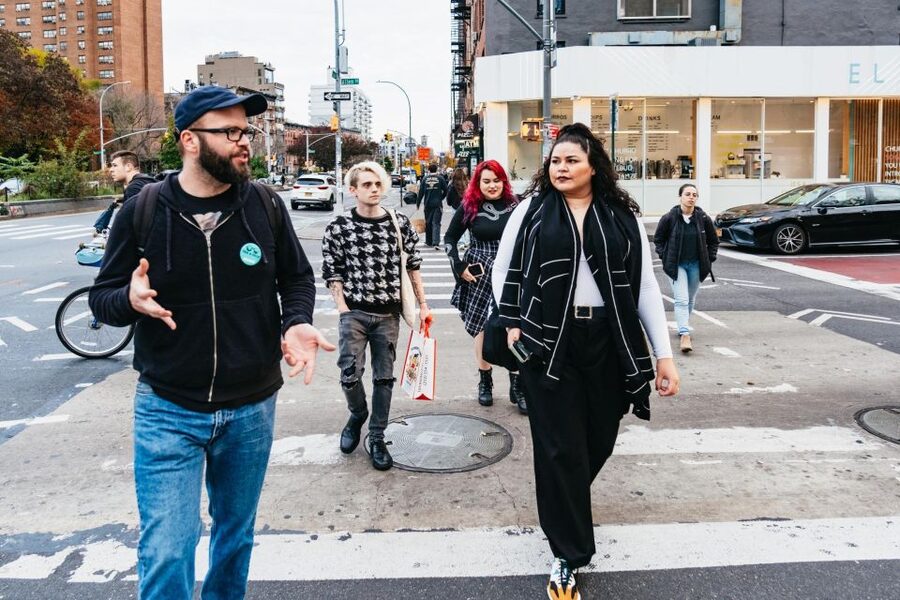
There are food tours that list snacks and food tours that make you understand the city. This one aims for understanding first. You’re tasting across Chinese and Italian traditions, but the point isn’t just variety. It’s learning how different immigrant waves built neighborhoods—and how their food habits evolved once New York started remixing everything.
What makes it worth your time at $88 is the structure. A 3-hour walk with multiple tastings and a live guide can be a blur if you don’t get context. Here, the stops are arranged so you get a quick pattern: you see a place, you taste something traditional, then you hear how that food traveled and changed. That turns “snack sampling” into something you can remember.
Starting at Essex Market: Where the Route Makes Sense
You meet outside the Essex Market entrance at 88 Essex St, right by Essex St & Broome St. That’s a smart start for a couple reasons. First, Essex Market is a local anchor; you’re beginning in the kind of place that feeds everyday life, not just sightseeing.
Second, it sets you up for the tour’s theme: immigrant culture as something lived daily. The tour also builds in small businesses and community impact as part of the experience, with tastings happening through local makers along the way. If you like your food tourism to include a sense of who benefits and how, this approach will feel more grounded.
Tip: bring cash because you’ll likely want to buy something extra at one or more stops. Also, wear comfortable shoes—the route is short, but the time spent on your feet adds up.
Rebecca’s Cake Pops: Sweet Food as a City Habit
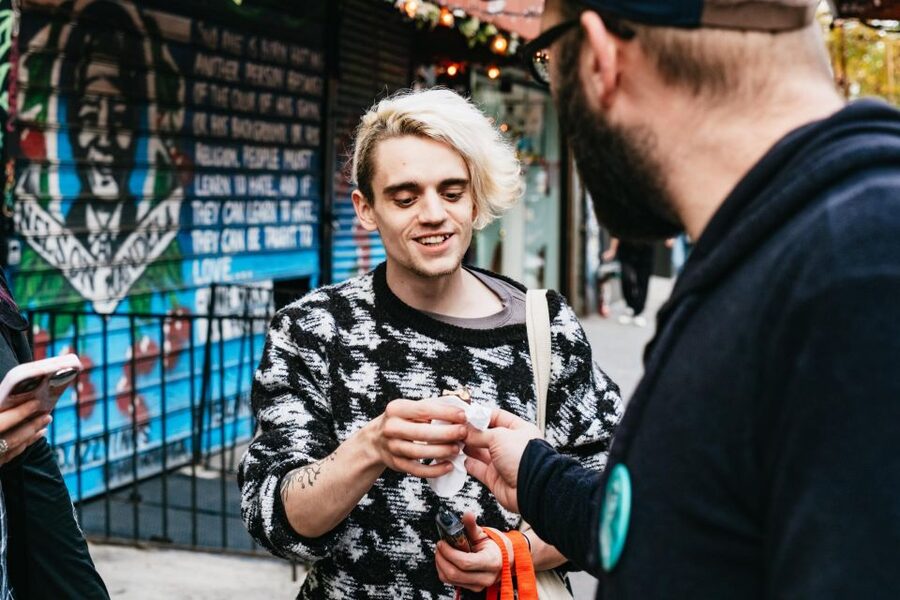
The tour kicks off at Rebecca’s Cake Pops. The name tells you what you’re getting—small, handheld sweet bites—but the cultural angle is in how New York adopted and reworked convenient desserts. On a walking tour, these early tastes matter because they help you settle into the pace and get warmed up before the more savory stops.
This is also a useful moment for your senses. You’re not just eating; you’re paying attention to texture, sweetness level, and how different shops handle portioning. Later on, you’ll notice how the tour mixes heavier tastes (like bagels and bialys) with lighter or snack-sized items.
New York City on foot, a few more routes

The Pickle Guys: Crunch, Brine, and Street-Level Flavor

Next up is The Pickle Guys. Pickles may sound like a side quest, but they’re perfect for this kind of neighborhood walk. Fermented and preserved foods have always been practical in immigrant communities—long storage, strong flavor, and easy pairing with other foods.
On this tour, this stop also helps you understand how New York keeps a tradition while updating the delivery. Even if the concept is old, the packaging and presentation often show how shops speak to modern customers. It’s one of those bites that hits fast and keeps you moving.
Kossar’s Bagels & Bialys: A Classic That Has Real Weight
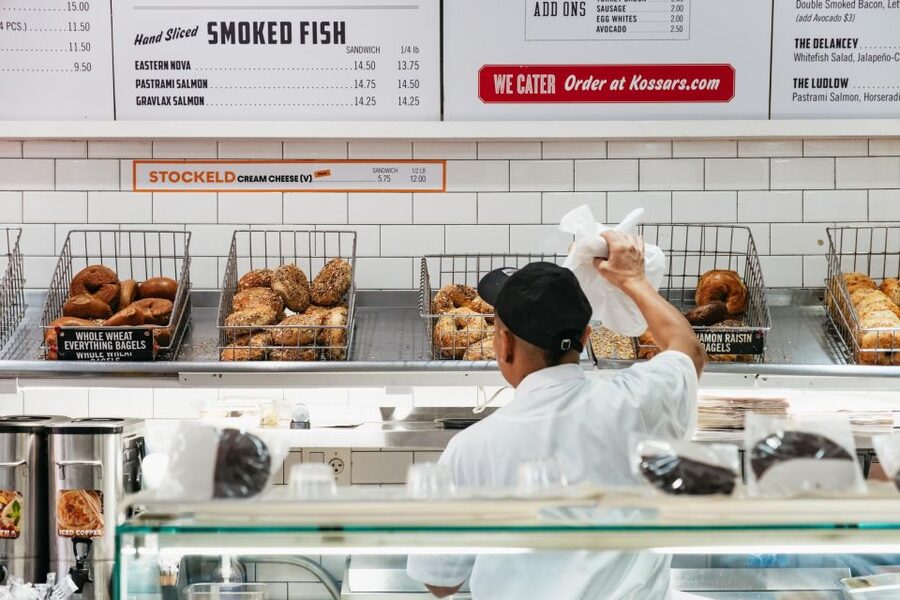
Then you hit Kossar’s Bagels & Bialys. This stop is a highlight in the sense that it’s the kind of place you can’t fully replicate on your own without stumbling into the right dough, the right crust, and the right balance.
A bagel tour without explanation can become repetitive. What I like here is that the guide’s storytelling keeps you from treating the bagel like just another starch. You learn how these foods became staples—why they stuck around, how they spread, and how a city of immigrants creates demand for familiar comforts.
Practical note: bagels are filling. If you tend to get hungry fast, don’t wait too long to pace yourself after this stop.
Economy Candy: The Stop Between Neighborhoods

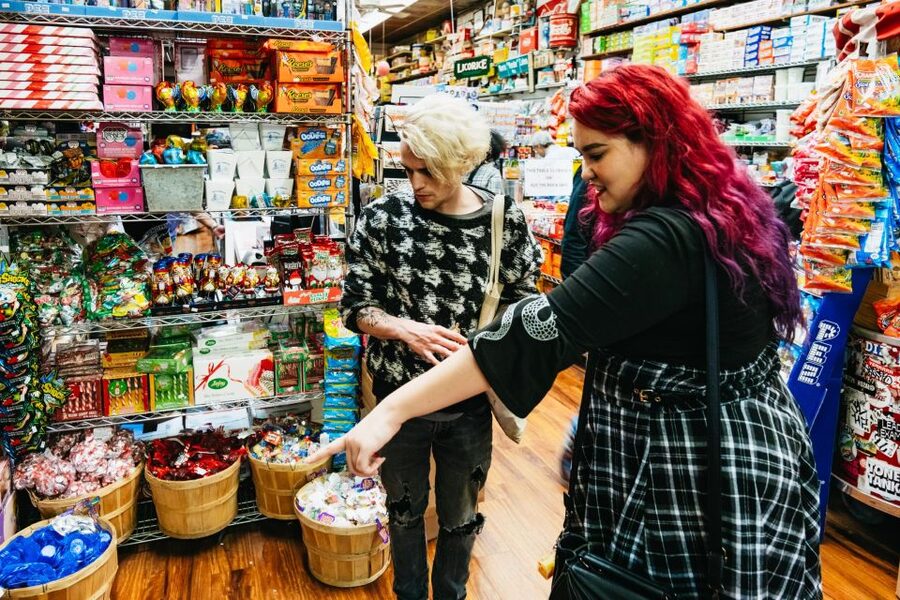
At Economy Candy, you’re in candy territory—shopping plus tasting. This kind of break works well on a walking food tour because it resets your appetite and gives you something you can carry, share, or save for later.
It also fits the theme of immigrant-influenced New York because sweets are one of the quickest ways communities pass down comfort. What you’re looking for isn’t just sugar—it’s the shop experience and the feel of a place that serves locals.
If you love taking photos, this is also a good checkpoint. The tour moves through dense streets, and Economy Candy offers that “pause and look” moment.
Nolita Pizza: One More Italian Anchor, Done on Foot
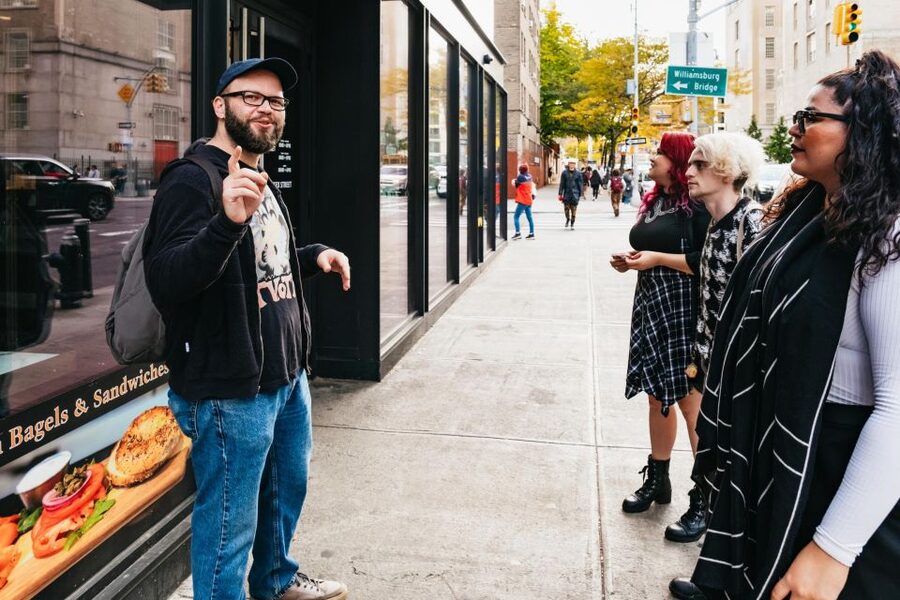
Then you roll into Nolita Pizza for another tasting. Pizza on a tour like this isn’t just about the slice—it’s about Italian identity as New York living. You get the comfort-food side, but you also get the neighborhood logic: how Italian culinary habits fit into the city’s daily rhythm.
Because the route is relatively short overall (under a mile), each stop matters more than you’d think. Nolita Pizza is one of the places that helps the tour feel like a journey through neighborhoods rather than a checklist of random eateries.
Ferrara Bakery & Café: A Sweet Finish Built Into the Middle
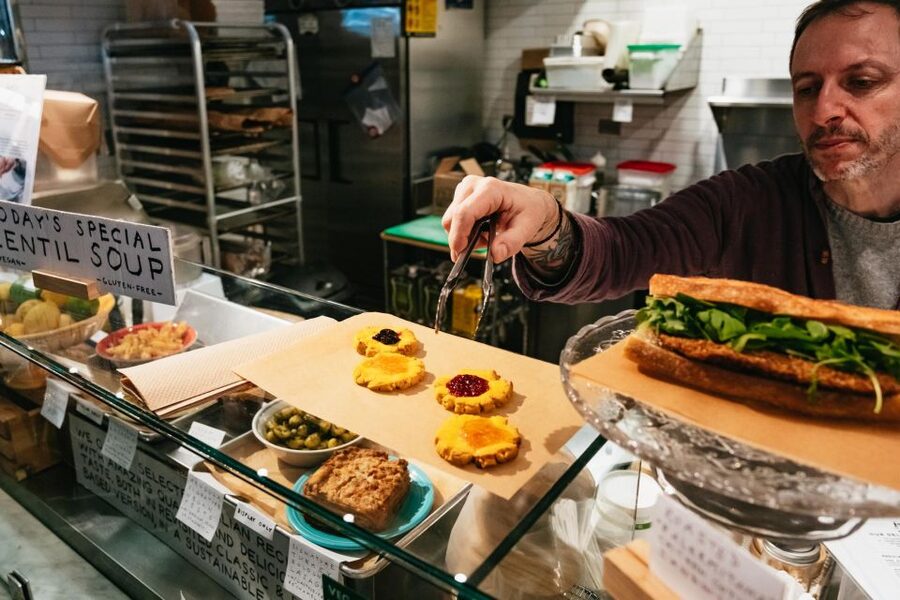
Ferrara Bakery & Café is next, and this is where you’ll probably notice the pattern: the tour keeps weaving in classics you can recognize, while still giving you enough guidance to understand them.
Ferrara is a name that carries weight, and on this route it works like a bridge—between the savory momentum and the final leg. If you have a sweet tooth, this is likely one of your favorite moments. If you don’t, it’s still worth it because baked goods and coffee-style breaks are part of how New Yorkers actually take meals.
Also, it’s a good time to slow down for a minute. The guide’s pace is part of what keeps the story thread intact.
The Waterfront Skyline Photo Moment
One of the tour highlights is a photo stop on a waterfront pier with a great view of the iconic NYC skyline. This is smart planning. Food tours can start and end with streets and storefronts, and a skyline moment breaks up the block-to-block intensity.
Even if you’re not a big photographer, you’ll enjoy this because it gives you a sense of place. You’re learning about immigrant neighborhoods built far from the postcard skyline, and then you see the bigger city picture above the rooftops.
Final Stop at Mei Lai Wah: Closing the Loop
The tour finishes at Mei Lai Wah. By this point, you’ve moved through the Lower East Side, Chinatown, and Little Italy in one continuous route, with tastings that helped each neighborhood feel connected instead of separate.
This last stop is useful for two reasons. First, it gives you one final taste before you break off on your own. Second, it leaves you in an area where you can keep exploring if you want to extend the night—especially if you like wandering and looking for small places beyond the main streets.
What You’ll Learn (Without It Feeling Like a Lecture)
The best part of this tour is how the guide turns food into a story. In particular, Morgan stands out from the experience because the explanation of the place history was clear and easy to follow, not just a bunch of dates.
You’ll hear how:
- immigrant communities shaped neighborhood identity,
- food traditions adapted after arrival,
- and community businesses stayed important even as the city changed.
That’s valuable for you because it makes the next time you eat something similar much more meaningful. Instead of thinking, This is just a pastry, you start thinking, This is a tradition carried forward and altered by New York.
Price and Value: Is $88 Fair for 3 Hours?
At $88 per person, you’re paying for more than snacks. You’re paying for a live guide, a structured walking route through 3 neighborhoods, multiple food tastings, and water. If you were doing this solo, you’d still pay for several bites across different shops—and you’d likely miss the “why” that connects them.
The only value snag is portion expectations. One balancing note from the experience is that the tastings can be shared, so you may want a hearty appetite plan. If you’re someone who needs full-size meals, treat this as a taste-heavy tour, not a replacement for dinner.
Who This Tour Best Fits
This works especially well if:
- you want a guided route through Lower East Side, Chinatown, and Little Italy,
- you like learning through food rather than museum-style information,
- you enjoy classic names like bagels and Italian bakeries but also want stops you’re less likely to find alone,
- you’d rather have a short walk (under a mile) than a long city hike.
If you hate walking, this may still be too much because the time is 3 hours even though the distance stays short. If you hate sweets, plan your pacing around the bakery stops.
Should You Book It?
Yes, if your goal is a guided neighborhood story with real tastings and a skyline photo payoff. I’d book it if you want your New York food time to include history and community—not just eating and moving.
But I’d think twice if you’re the type who needs lots of food volume per stop. The tour is structured around tastings, and portions may be shared. Also, keep in mind that you may walk more than you assume from the short distance—3 hours of stops adds up.
If you want an evening where you come away with both flavors and context, this is a strong choice.
FAQ
Where does the tour start?
Meet your guide outside the Essex St & Broome St entrance to Essex Market at 88 Essex St, New York, NY 10002.
How long is the walking tour?
It lasts 3 hours.
How far do you walk?
The walking tour covers less than a mile.
What foods are included in the tastings?
You’ll sample items such as Chinese dumplings, Italian pastries, and other traditional foods along the route, with tastings at the listed stops.
What’s included in the price?
The tour includes a walking tour, guide, food tastings, and water.
What should I bring?
Bring comfortable shoes and cash.
Is the guide in English?
Yes, the tour is conducted in English.
More Tours in New York City
- Statue of Liberty and Ellis Island Tour: All Options★ 5.0 · 13,571 reviews
- New York in One Day Guided Sightseeing Tour★ 5.0 · 13,166 reviews
- Central Park Pedicab Guided Tours★ 5.0 · 7,108 reviews
- New York City: Manhattan Helicopter Tour★ 4.7 · 7,076 reviews
- Private Central Park Pedicab Tour★ 5.0 · 6,981 reviews
More Tour Reviews in New York City
- NYC: SUMMIT One Vanderbilt Tickets★ 4.7 · 51,195 reviews
- NYC: Empire State Building Tickets – Observatory & Museum★ 4.7 · 25,757 reviews
- New York City: Statue of Liberty & Ellis Island with Ferry★ 4.6 · 18,683 reviews
- New York City: American Museum of Natural History Ticket★ 4.5 · 15,447 reviews
- Statue of Liberty and Ellis Island Tour: All Options★ 5.0 · 13,571 reviews
New York City, One Block at a Time
- SoHo, Little Italy, and Chinatown Walking Tour in New York★ 5.0 · 3,153 reviews
- Secrets of Grand Central Station Walking Tour New York City★ 5.0 · 1,796 reviews
- Greenwich Village Walking and Food Tasting Tour★ 5.0 · 1,572 reviews
- Artistic, Alternative Greenwich Village Walking Tour★ 5.0 · 971 reviews
- Brooklyn Bridge & DUMBO Neighborhood Tour – from Manhattan to Brooklyn★ 5.0 · 826 reviews
Just in: the newest New York City reviews on our desk





NYC Walking Tours, compared.
 ★ 5.0SoHo, Little Italy, and Chinatown Walking Tour in New YorkFrom $393,153 reviews
 ★ 5.0Secrets of Grand Central Station Walking Tour New York CityFrom $391,796 reviews
 ★ 5.0Greenwich Village Walking and Food Tasting TourFrom $941,572 reviews
 ★ 5.0Artistic, Alternative Greenwich Village Walking TourFrom $39971 reviews
 ★ 5.0Brooklyn Bridge & DUMBO Neighborhood Tour – from Manhattan to BrooklynFrom $49826 reviews
 ★ 5.0Central Park Guided Walking TourFrom $44774 reviews
 ★ 4.6Private Walking Tour with a LocalFrom $55771 reviews
 ★ 5.0NYC Lower East Side Walking and Food TourFrom $94646 reviews