
Reviewed · NYC WALKING TOURS
NYC Underground Subway Private Walking Tour
The subway is the city’s underground time machine. This private walking tour strings together old-school stations, big-name landmarks, and subway lore. I like that it stays in publicly accessible areas while still feeling like you’re seeing the New York “you miss while commuting.”
Two things I particularly like: the focus on the system’s origins around City Hall, and the long ride on the 6 train where history turns into something you can actually watch pass by. A possible drawback: there’s quite a bit of standing, and the underground portion can feel warm in summer.
If you’re looking for deep subway architecture and human stories—plus a guide who gets excited (Justin and Richard both show up in the best feedback)—this tour makes a strong case for itself.
In This Review
- Key Points Worth Knowing
- City Hall Park Starts the Subway Story Where It Belongs
- What to watch for
- Brooklyn Bridge to Tweed Courthouse: Surface Landmarks, Subway Mindset
- Municipal Building and the Quiet Power of a Short Stop
- Practical note
- Union Square Station: Where the Story Meets Commuter Reality
- The 6 Train Segment: Most of the Tour’s Value Is the Ride
- What you can realistically expect
- Chambers Street and Union Station Ghosts: Quick Sights, Not Illegal Entry
- If you want more time at abandoned spaces
- What’s Included (and What You’ll Pay For on Your Own)
- Value check: $156 for 2 hours
- Getting Around Underground: Standing Time, Heat, and How to Handle It
- A smart expectation-setting tip
- Who This Private NYC Subway Tour Is Best For
- Should You Book This NYC Underground Subway Private Walking Tour?
- FAQ
- How long is the NYC Underground Subway Private Walking Tour?
- What is the price per person?
- Is this tour private?
- How do I get the ticket?
- Where do you meet?
- Do I need to pay for subway fare during the tour?
- Are the tour stops inside stations?
- What does the tour include?
- Is the tour offered at different times?
- Are service animals allowed?
Key Points Worth Knowing
- You’ll spend most of the time on the 6 train, not just walking streets.
- All stops are in stations you can access publicly, so you’re not stuck outside peeking through grates.
- City Hall Park anchors the story with how the first subway station came to be.
- Chambers Street and Union Station leftovers show up as “ghost” clues, not full-on visits.
- It’s private, so your group can move and ask questions at your pace.
- Budget extra for one subway ride (Metro Card swipe cost isn’t included).
New York City at street level, a few more walks
- SoHo, Little Italy, and Chinatown Walking Tour in New York
★ 5.0 · 3,153 reviews - Secrets of Grand Central Station Walking Tour New York City
★ 5.0 · 1,796 reviews - Greenwich Village Walking and Food Tasting Tour
★ 5.0 · 1,572 reviews - Artistic, Alternative Greenwich Village Walking Tour
★ 5.0 · 971 reviews
City Hall Park Starts the Subway Story Where It Belongs
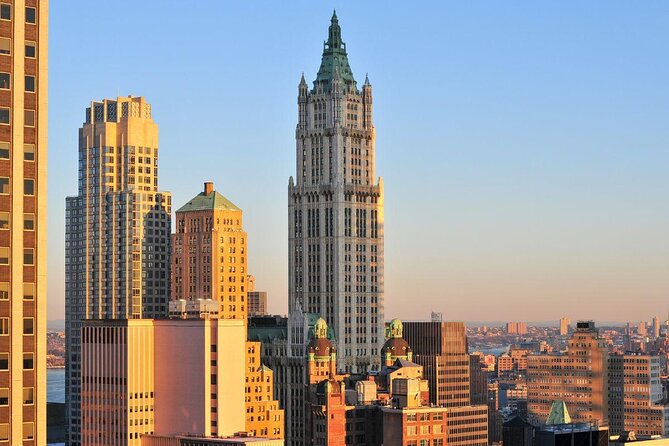
The tour’s meeting point is at 200 Broadway, and it kicks off at the base of what was once the world’s tallest building. That’s a good warm-up moment: New York likes to stack its eras on top of each other, and the route you take is basically that idea in motion.
Then you hit City Hall Park, where the big theme starts: how the very first NYC subway station came to life. This is one of the tour’s best “soft skills” moments. You’re not just learning facts—you’re getting oriented in place. Seeing the subway origins near the civic center helps you understand why the system expanded the way it did: decisions didn’t start underground; they started in government, planning, and politics.
From there, your guide connects the dots between City Hall’s importance and the subway’s birth. Even if you’ve ridden the subway for years, this section helps you stop thinking of the system as random lines and stations. Instead, it starts to feel like a designed network with an origin story you can actually point to.
What to watch for
In this opening phase, pay attention to the visible remnants and details your guide highlights. The value here is that someone is teaching you how to look—fast—without slowing the whole group down.
Brooklyn Bridge to Tweed Courthouse: Surface Landmarks, Subway Mindset
After City Hall Park, the tour shifts you toward Brooklyn Bridge, with a short stop-and-take-in vibe before you start threading through the transit geography nearby. You’ll see Tweed Courthouse along the way, which works as more than just a photo stop. It adds to the theme that the subway is tied to the city’s major institutions and its built “power map.”
This part also acts like a pace regulator. The tour isn’t just one long underground sprint; it mixes street context with station sightings. That matters because it keeps your brain in “city mode,” so the underground parts feel like a continuation—not a sudden tech switch.
If you’re prone to overpacking your itinerary with subway tours that only feel like trivia marathons, this is a nice middle ground. The walking segments give you landmarks that you’ll recognize later, and the guide’s stories give you reasons to care when you pass similar areas on your own.
New York City on foot, a few more routes

Municipal Building and the Quiet Power of a Short Stop
The Municipal Building stop is brief, but that’s part of why it works. You learn why it matters to the creation of the NYC subway system, and you don’t lose the thread while moving between larger “sets” of the tour.
I like short stops like this when they’re done well, because they force focus. Your guide isn’t dumping a timeline on you. Instead, you get a specific civic anchor, you connect it to subway development, and you move on before boredom can set in.
Practical note
Since many parts of the tour involve waiting and walking in-between station access points, comfy shoes matter more than you’d think. This isn’t a stroll through a park.
Union Square Station: Where the Story Meets Commuter Reality
Next comes Union Square and the 14th St Union Square Subway Station. This is where the tour starts feeling more like what you actually use the subway for: moving through a hub that’s alive with commuters.
The advantage here is timing and context. Early on, you learn why the subway exists. Then you stand in one of the system’s major intersections of movement and you start recognizing how the historical story ties to the modern one. Even a short stop can do a lot if your guide points out the right cues.
Union Square also helps you mentally reset. You get to the station in a place that’s familiar for many visitors, and your guide reframes it with history and design-minded observations.
The 6 Train Segment: Most of the Tour’s Value Is the Ride
The heart of this experience is the long stretch on the Subway 6, about 1 hour 30 minutes. This is where the tour stops being purely “walking history” and becomes something closer to a moving museum.
Why that matters: subway history isn’t only about old photos and old plans. It’s about how lines connect, how stations function, and how New Yorkers shaped the system over time. Riding the 6 line gives you a real sense of scale and rhythm—plus it’s time-efficient. You aren’t spending the full two hours just standing still.
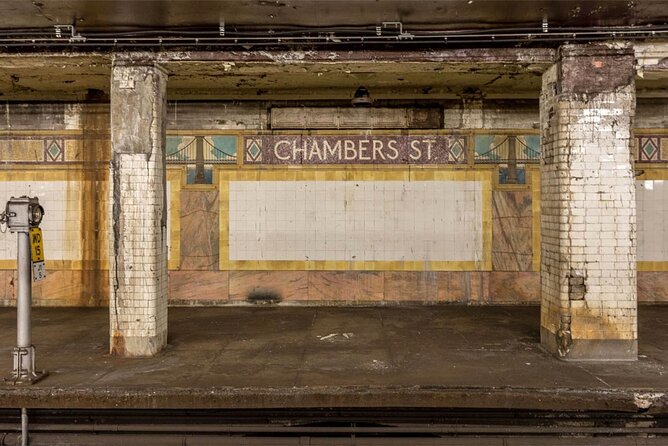
This ride segment is also where the tour’s most dramatic “ghost” element can show up. The experience includes glimpses and references to the nearly forgotten, partially abandoned Chambers Street station and remnants connected to Union Station. The key word is glimpses. You’re not promised a secret door or a long slow look inside shuttered spaces.
What you can realistically expect
One of the most helpful pieces of tour feedback is the reminder that abandoned-station access is limited by law. So when you see those architectural ghosts, it tends to be brief—often the view lasts only a short moment as you pass through.
That can be disappointing if you’re imagining a long, inside-the-structure exploration. But if you treat it like a quick, meaningful sighting—like spotting a historical marker while driving—you’ll likely enjoy it more.
Chambers Street and Union Station Ghosts: Quick Sights, Not Illegal Entry
Let’s talk straight about the “abandoned station” part. You’ll get visual impressions and stories, but you won’t be going through restricted areas.
The best way to set expectations is this: you’re seeing remnants and passing views from lawful, publicly accessible spaces. That’s still valuable. Abandoned systems and altered stations are a huge part of New York’s transit identity, and even a short look can spark your curiosity for what else is hiding in plain sight.
If you’re a history buff, you’ll probably appreciate the restraint. It turns the tour into a “how it used to be” narrative rather than a fantasy of breaking rules.
If you want more time at abandoned spaces
This is the one area where the tour may not match your imagination. Some people want more time in a single spot. Here, the structure is built around public access plus a lot of the 6-train ride, so you’ll be moving often.
What’s Included (and What You’ll Pay For on Your Own)
The tour includes a guided walking experience with a native New Yorker. Based on the strongest feedback, guides like Justin and Richard can bring the details to life, with a mix of enthusiasm, patience, and station-by-station storytelling.
What’s not included is where most practical budgeting happens:
- You’ll need to cover the cost of a subway ride.
- A Metro Card swipe (1 swipe) isn’t included.
That means your total cost is really the tour price plus one transit swipe. Plan for that when you compare value against other NYC experiences.
Value check: $156 for 2 hours
At $156 per person for about two hours, this isn’t a “cheap and cheerful” activity. It only feels like a smart buy if you fit the sweet spot:
- You want a private format (only your group).
- You care about subway history, not just checking off a landmark.
- You’re okay spending time underground.
- You’ll get something from a guide telling you what to notice, not just walking from stop to stop.
If you’re just trying to ride a line and get photos, you might get more for less money elsewhere. If you’re the type who reads station plaques and wonders how old systems become new systems, this price can make sense.
Getting Around Underground: Standing Time, Heat, and How to Handle It
Even with a tight two-hour format, expect some waiting. Early on there can be more standing than you’d guess from the name “walking tour.” That’s not a deal-breaker, but it can be for folks who hate lingering.
Also, the underground environment can get warm, especially in summer. One piece of feedback called out heat as a genuine issue—down there and around waiting points. That’s not something you can fully control, so your best move is preparation:
- wear breathable layers
- plan for a humid environment
- bring water if you need it (food and drinks aren’t included)
A smart expectation-setting tip
Treat this tour as a history-focused ride-and-look experience. If you go in expecting nonstop sprinting, you’ll probably feel trapped. If you go in expecting a mix of walking, station time, and a long train ride, it’ll feel more natural.
Who This Private NYC Subway Tour Is Best For
This tour is a great fit for:
- history buffs who like civic and transportation stories
- people who ride the subway often and want a new lens
- visitors who want a guided format that stays in public station areas
- anyone who prefers a private group dynamic over crowded, stop-at-every-corner tours
It may be less ideal if:
- you hate standing in stations
- you strongly dislike warm underground spaces
- you want access to abandoned stations for long periods inside restricted areas (you won’t get that)
Should You Book This NYC Underground Subway Private Walking Tour?
I’d book it if you want a focused, guide-led subway history experience that stays lawful and public, with a meaningful ride on the 6 train and a strong start around City Hall. It’s especially appealing when you find yourself wishing someone would explain what you’re seeing—fast—while you’re already there.
I’d skip it if your goal is mostly photo spots, or if the idea of a lot of station waiting and underground heat sounds miserable. At that point, you might do better with a more lightweight subway plan and only pay for a short guided segment.
In a city where the subway is everywhere, this tour helps you notice the parts that usually pass by.
FAQ
How long is the NYC Underground Subway Private Walking Tour?
It runs for about 2 hours (approx.).
What is the price per person?
The price is $156.00 per person.
Is this tour private?
Yes. It’s a private tour/activity, so only your group participates.
How do I get the ticket?
You use a mobile ticket.
Where do you meet?
You meet at 200 Broadway, New York, NY 10038, USA, and the tour ends back at the meeting point.
Do I need to pay for subway fare during the tour?
Yes. You’ll need to cover the cost of a subway ride, and a Metro Card swipe (1 swipe) isn’t included.
Are the tour stops inside stations?
Yes. All the stops are in stations that are publicly accessible.
What does the tour include?
It includes a guided walking tour with a native New Yorker.
Is the tour offered at different times?
Yes. You can choose from several tour times throughout the day.
Are service animals allowed?
Yes, service animals are allowed.
More Tours in New York City
- Statue of Liberty and Ellis Island Tour: All Options★ 5.0 · 13,571 reviews
- New York in One Day Guided Sightseeing Tour★ 5.0 · 13,166 reviews
- Central Park Pedicab Guided Tours★ 5.0 · 7,108 reviews
- New York City: Manhattan Helicopter Tour★ 4.7 · 7,076 reviews
- Private Central Park Pedicab Tour★ 5.0 · 6,981 reviews
More Tour Reviews in New York City
- NYC: SUMMIT One Vanderbilt Tickets★ 4.7 · 51,195 reviews
- NYC: Empire State Building Tickets – Observatory & Museum★ 4.7 · 25,757 reviews
- New York City: Statue of Liberty & Ellis Island with Ferry★ 4.6 · 18,683 reviews
- New York City: American Museum of Natural History Ticket★ 4.5 · 15,447 reviews
- Statue of Liberty and Ellis Island Tour: All Options★ 5.0 · 13,571 reviews
New York City, One Block at a Time
- SoHo, Little Italy, and Chinatown Walking Tour in New York★ 5.0 · 3,153 reviews
- Secrets of Grand Central Station Walking Tour New York City★ 5.0 · 1,796 reviews
- Greenwich Village Walking and Food Tasting Tour★ 5.0 · 1,572 reviews
- Artistic, Alternative Greenwich Village Walking Tour★ 5.0 · 971 reviews
- Brooklyn Bridge & DUMBO Neighborhood Tour – from Manhattan to Brooklyn★ 5.0 · 826 reviews
Just in: the newest New York City reviews on our desk





NYC Walking Tours, compared.
 ★ 5.0SoHo, Little Italy, and Chinatown Walking Tour in New YorkFrom $393,153 reviews
 ★ 5.0Secrets of Grand Central Station Walking Tour New York CityFrom $391,796 reviews
 ★ 5.0Greenwich Village Walking and Food Tasting TourFrom $941,572 reviews
 ★ 5.0Artistic, Alternative Greenwich Village Walking TourFrom $39971 reviews
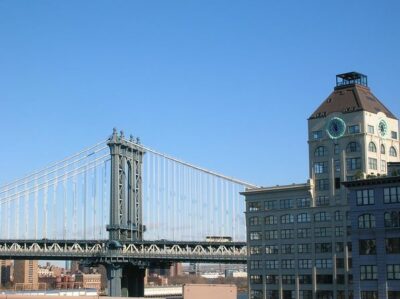 ★ 5.0Brooklyn Bridge & DUMBO Neighborhood Tour – from Manhattan to BrooklynFrom $49826 reviews
 ★ 5.0Central Park Guided Walking TourFrom $44774 reviews
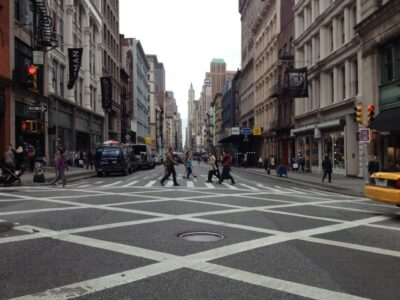 ★ 4.6Private Walking Tour with a LocalFrom $55771 reviews
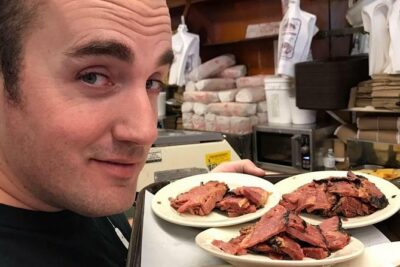 ★ 5.0NYC Lower East Side Walking and Food TourFrom $94646 reviews