
Reviewed · CENTRAL PARK TOURS
Official Central Park Walking Tour
Central Park can feel huge. This guided walk gives you a smart route through the park’s most photo-friendly landmarks. You’ll hear how the designers turned difficult land into a place people fall in love with fast, with a mobile ticket that keeps the hassle low.
I really like two parts: the Manhattan skyline views from Sheep Meadow, and the movie-like finish at Bethesda Terrace with lake-and-boathouse views. One possible drawback: you’ll need to pay attention to the meeting point so you’re not late getting the group started.
In This Review
- Key highlights to look for
- A 90-minute Central Park route that makes sense
- Columbus Circle to Greyshot and Pinebank Arches: the park’s structure
- Heckscher Ballfields: history you can feel in the grass
- Sheep Meadow: skyline views that make the whole park click
- Bethesda Terrace and the Lake: the end point that feels like a movie scene
- How Central Park went from rocky and swampy to art
- Price and value: why $33 makes sense for a guided icon walk
- Timing, group size, and tickets: the practical stuff that saves stress
- Who should book this tour (and who might want another option)
- Should you book the Official Central Park Walking Tour?
- FAQ
- Where does the tour start?
- Where does the tour end?
- How long is the walking tour?
- How much does the tour cost?
- Do I need to pay admission for the stops?
- Is the tour near public transportation?
- How big are the groups?
- What happens if the weather is poor?
Key highlights to look for
- A tight 1.5-hour route that hits classic icons without turning your day into a marathon
- All major stops are admission-free during the walk, so you’re paying for guidance, not extra entry fees
- Arches and bridges early on that make you see the park’s engineering as well as its beauty
- Sheep Meadow skyline moments that make Central Park feel like a viewpoint, not just a park
- Bethesda Terrace at the perfect end point for photos over the Lake and Boathouse
- Small group cap (max 25) for a more relaxed pace than you’d get on busier tours
More ways to see Central Park
- Central Park Pedicab Guided Tours
★ 5.0 · 7,108 reviews - Private Central Park Pedicab Tour
★ 5.0 · 6,981 reviews - NYC: Central Park Bike Rentals
★ 4.2 · 2,528 reviews - Official NYC Horse Carriage Rides in Central Park since 1979 ™
★ 5.0 · 2,365 reviews
A 90-minute Central Park route that makes sense
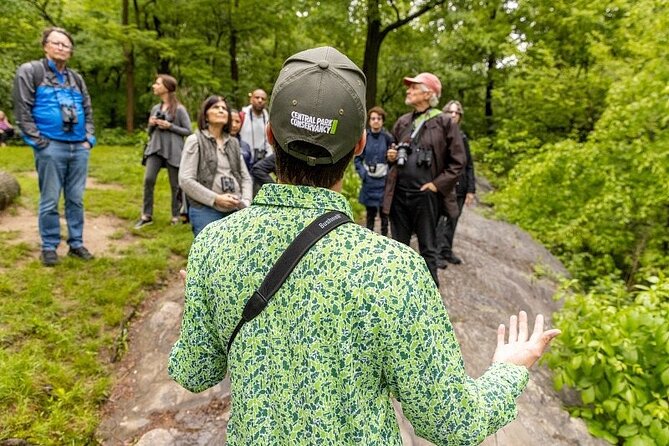
If Central Park is your “must-see” list, this tour is built for that exact moment. You’re walking with the Central Park Conservancy, so the focus isn’t just where to stand for a picture. It’s how the park works, and why these specific landmarks matter.
The value is that you get an efficient chunk of the park in about 1 hour 30 minutes. That means you still have time afterward to wander on your own, but you’ll start with the right bearings. And because it uses a mobile ticket, you won’t lose time juggling paper tickets or figuring out extra check-in steps.
My favorite part of this style of walk is the way it turns scenery into understanding. You’re not just looking; you’re learning why the park looks the way it does.
Columbus Circle to Greyshot and Pinebank Arches: the park’s structure
You start at Maine Monument West Side near Central Park South, by Columbus Circle. This is a strong choice because Columbus Circle gives you that “city-to-park” contrast right away: Manhattan all around, then suddenly you’re inside a designed world.
From there, the route moves into the park’s stone-and-iron details, where Central Park shows off its architecture. You’ll pass Greyshot Arch, one of the many arches and bridges that break up the pathways in a way that feels intentional, not random. Even if you’ve walked here before, it helps to have someone point out these “in-between” structures that shape how you experience the park.
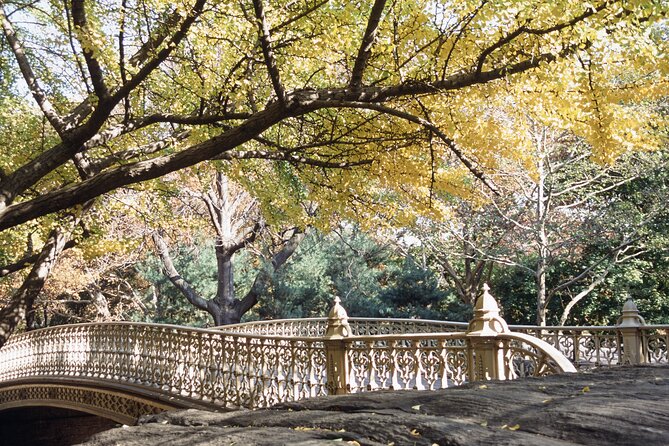
Next comes Pinebank Arch, described as an elegant cast-iron bridge and one of the most distinctive ornamental elements in the southern end. This is a great stop because it’s close enough to appreciate quickly, but detailed enough to make you slow down. If you’re the type who likes noticing materials—ironwork, stone, the way curves guide sightlines—this portion can be unexpectedly fun.
What I like here for practical reasons: the early stops set a theme. Instead of treating Central Park like a postcard parade, you start seeing it as a built environment with design choices you can read while you walk.
Heckscher Ballfields: history you can feel in the grass
After the arches, you’ll visit Heckscher Ballfields. This is one of those stops that sounds ordinary until someone frames it correctly. You learn that these areas were reserved for playing field games since the park’s creation.
That matters because it shows how Central Park balances two jobs at once:
- it’s a scenic retreat
- and it’s also a working recreational space
So when you look at the open areas, you’re not just thinking about views. You’re thinking about how the park has served real needs—sports, gathering, play—for a very long time.
If you’re visiting with kids or you just like the “human” side of the park (not only the landscaping), this stop gives that balance. If you’re only chasing the most famous-looking scenery, you may breeze through it, but it’s still a useful piece of context.
New York City at street level, a few more walks


Sheep Meadow: skyline views that make the whole park click
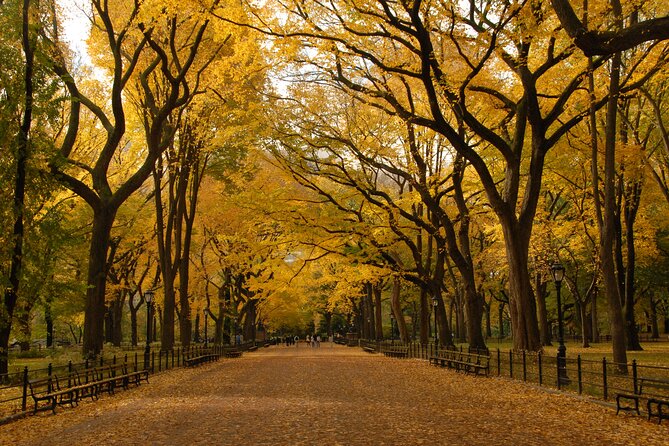
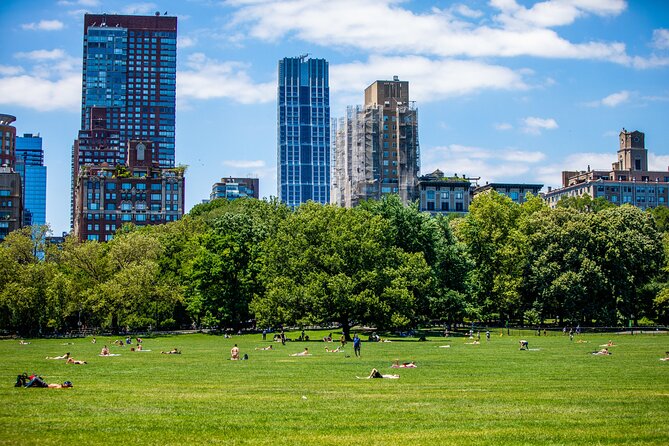
Then comes the payoff: Sheep Meadow. You get to see the Manhattan skyline from inside the park, which is one of those Central Park experiences that feels bigger than it should. The scale surprises people every time.
This stop works well because it’s a viewpoint break. You’re moving from detailed structures (arches, ornamental elements) into open space. It gives your eyes and your brain a rest. Even if you don’t stop for a long time, just knowing where this vista fits in the park’s design helps you appreciate the “why” behind the sightline.
If you want a quick photo, this is a good moment to do it. If you want to linger, Sheep Meadow is also where you can slow down and breathe for a bit without feeling like you’ve left the main story of the walk.
Bethesda Terrace and the Lake: the end point that feels like a movie scene
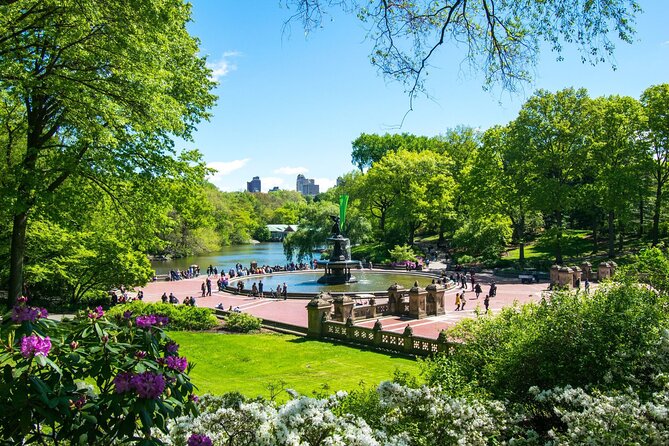
The tour finishes at Bethesda Terrace, mid-park at 72nd Street. This is a smart place to end because it’s iconic and photo-friendly, but it’s also a natural pivot back into exploring.
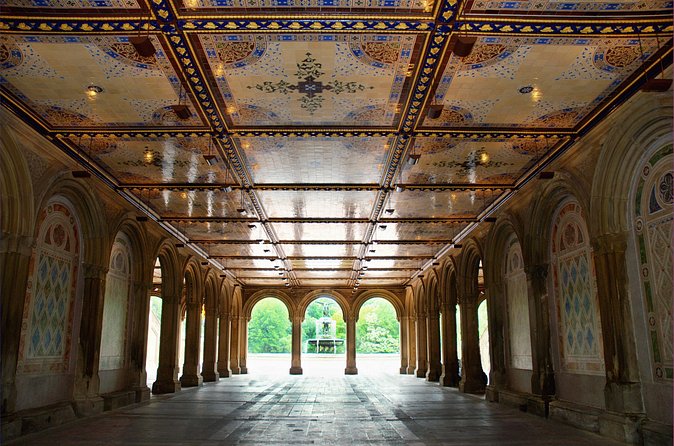
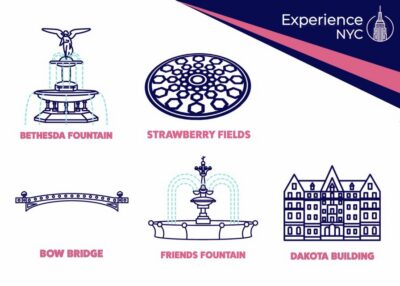
Bethesda Terrace is famous for its fountain, and it’s also where your view opens toward the Lake and the famed Boathouse. This is the kind of spot where a guide does real work: they help you frame what you’re seeing so you notice more than just the obvious landmark.
If you’re planning your day after the tour, this matters. Ending here sets you up to keep walking toward the lake side, or to loop back into other park areas with a clearer mental map. A lot of people leave Central Park feeling like they saw it. This tour helps you leave feeling like you understood it.
Also, Bethesda Terrace is memorable in a way that’s hard to describe until you’re standing there. Even if you’ve scrolled past photos before, seeing it in person hits different—especially with the lake and boathouse in the same line of sight.
How Central Park went from rocky and swampy to art
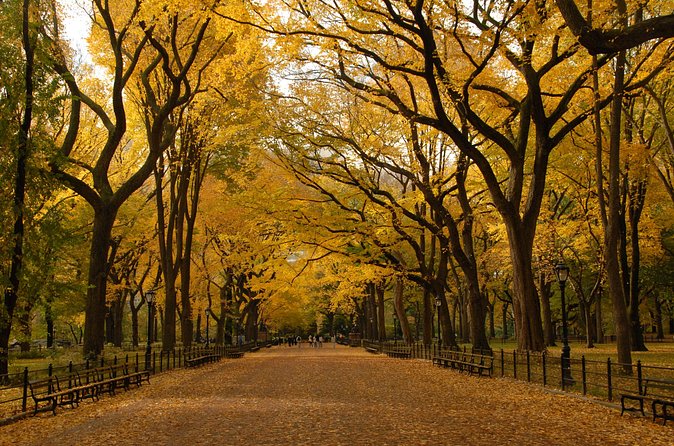
One of the best things you’ll hear during the walk is how Central Park designers and architects transformed difficult terrain into the park you know today. The guide explains the bigger design problem: the land wasn’t an easy blank slate.
Instead of smooth, ready-to-build ground, the park required serious transformation—turning rocky and swampy land into a carefully shaped public space. That kind of story changes how you look at the park. Suddenly, the curves, elevations, paths, and water views feel less like decoration and more like problem-solving.
This also explains why the route matters. You’re not only seeing beautiful spots. You’re walking through the places that helped solve the park’s biggest challenges, then ending where that work pays off visually.
If you like architecture, urban design, or just want the “how did they pull this off” angle, this portion is one of the main reasons the tour is worth your time.
Price and value: why $33 makes sense for a guided icon walk
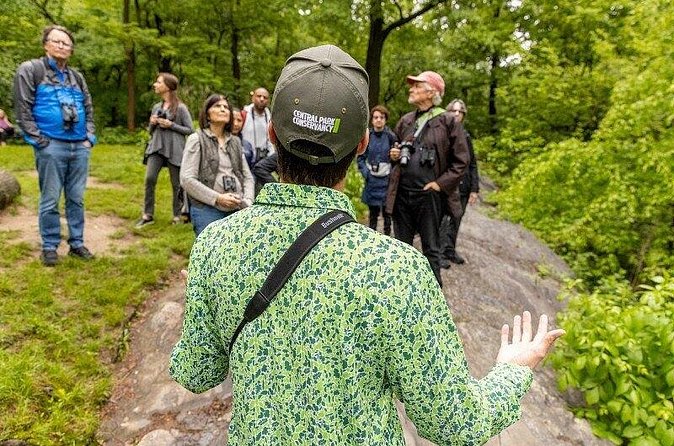
At $33 per person, this tour is in the “reasonable for a guided experience” range for New York. The key point is what’s included: you’re paying for a guided route that hits many of the park’s best-known features in about 90 minutes.
It’s also important that each listed stop has admission free noted. In other words, you’re not facing surprise paid entry fees just to enjoy the sights while the guide is moving you along. That keeps the cost predictable.
For value, think of it like this:
- If you’d spend the same time wandering alone and still feel a little lost, you’re paying to get structure
- If you want context for what you’re seeing, a guide is what turns a walk into a memorable experience
And because the group size is capped at 25, you’re less likely to feel swallowed by a crowd. That can matter a lot when you’re trying to hear details while walking.
If your day in Manhattan is tight, the tour’s efficiency is the big win. You’ll spend your energy on the park instead of time figuring out what to prioritize.
Timing, group size, and tickets: the practical stuff that saves stress
Here’s what to expect on the logistics side:
- Duration is about 1 hour 30 minutes
- It’s a mobile ticket experience
- Confirmation is received at time of booking
- It runs in a group up to 25 travelers
- It’s near public transportation
A practical tip: the tour starts at Maine Monument West Side at Central Park South, and it ends at Bethesda Terrace near 72nd Street. The meeting point detail matters. Guides can only wait so long, and the walk depends on getting the group moving cleanly.
Also, the average booking window is 18 days in advance. That suggests it’s popular enough that you’ll want to reserve sooner rather than later, especially if you have a narrow travel schedule.
If you prefer smaller-group energy, keep in mind the maximum is 25. On some dates, groups can feel small, which makes questions easier and the pace more comfortable.
Who should book this tour (and who might want another option)
This is a great match if you’re:
- a first-time visitor who wants the classic Central Park highlights without wasting time
- someone who likes to understand what you’re looking at—design, architecture, planning, and the logic of the park’s layout
- a photographer who wants a guided route to the most recognizable viewpoints like Sheep Meadow and Bethesda Terrace
You might choose differently if you:
- already know Central Park well and don’t care about a guided design story
- want a longer, deeper exploration of less-famous areas
- prefer fully independent wandering with zero structure
But if your goal is to feel confident in Central Park quickly, this tour hits that target.
Should you book the Official Central Park Walking Tour?
I’d book it if you want a smart, efficient way to experience Central Park’s headline sites—especially the Sheep Meadow skyline view and the Bethesda Terrace finish. The price feels fair because you’re buying a guided narrative plus a route that saves time, and the stops are set up to be enjoyable without extra entry costs.
Skip it only if you’re already a Central Park pro and you don’t need the design context. For most people, though, this is one of the best ways to turn “I saw Central Park” into “I get why it’s special.”
FAQ
Where does the tour start?
The tour meets at Maine Monument West Side at Central Park South in New York, NY 10019.
Where does the tour end?
The tour ends at Bethesda Terrace in the middle of the park at 72nd Street in New York, NY 10024.
How long is the walking tour?
It’s about 1 hour 30 minutes.
How much does the tour cost?
The price is $33.00 per person.
Do I need to pay admission for the stops?
Admission is listed as free at each of the tour’s stops.
Is the tour near public transportation?
Yes, it’s listed as near public transportation.
How big are the groups?
The tour has a maximum of 25 travelers.
What happens if the weather is poor?
This experience requires good weather. If it’s canceled due to poor weather, you’ll be offered a different date or a full refund.
More Tour Reviews in New York City
- NYC: SUMMIT One Vanderbilt Tickets★ 4.7 · 51,195 reviews
- NYC: Empire State Building Tickets – Observatory & Museum★ 4.7 · 25,757 reviews
- New York City: Statue of Liberty & Ellis Island with Ferry★ 4.6 · 18,683 reviews
- New York City: American Museum of Natural History Ticket★ 4.5 · 15,447 reviews
- Statue of Liberty and Ellis Island Tour: All Options★ 5.0 · 13,571 reviews
New York City, One Block at a Time
- SoHo, Little Italy, and Chinatown Walking Tour in New York★ 5.0 · 3,153 reviews
- Secrets of Grand Central Station Walking Tour New York City★ 5.0 · 1,796 reviews
- Greenwich Village Walking and Food Tasting Tour★ 5.0 · 1,572 reviews
- Artistic, Alternative Greenwich Village Walking Tour★ 5.0 · 971 reviews
- Brooklyn Bridge & DUMBO Neighborhood Tour – from Manhattan to Brooklyn★ 5.0 · 826 reviews
More of Central Park
- Central Park Pedicab Guided Tours★ 5.0 · 7,108 reviews
- Private Central Park Pedicab Tour★ 5.0 · 6,981 reviews
- NYC: Central Park Bike Rentals★ 4.2 · 2,528 reviews
- Official NYC Horse Carriage Rides in Central Park since 1979 ™★ 5.0 · 2,365 reviews
- NYC: Central Park Bike Rental★ 4.1 · 1,651 reviews
Just in: the newest New York City reviews on our desk





Central Park Tours, compared.
 ★ 5.0Central Park Pedicab Guided ToursFrom $387,108 reviews
 ★ 5.0Private Central Park Pedicab TourFrom $386,981 reviews
 ★ 4.2Central Park Bike RentalsFrom $92,528 reviews
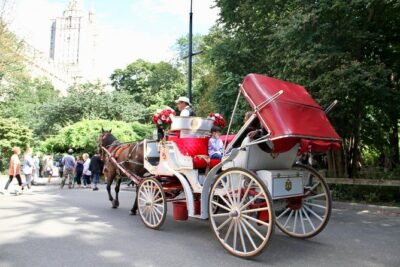 ★ 5.0Official NYC Horse Carriage Rides in Central Park since 1979 ™From $992,365 reviews
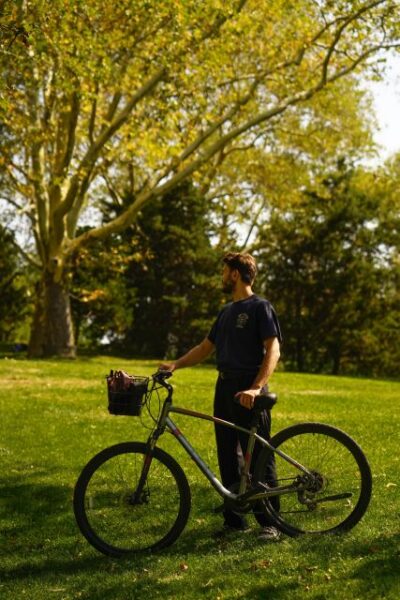 ★ 4.1Central Park Bike RentalFrom $81,651 reviews
 ★ 4.9Private Central Park Pedicab TourFrom $401,637 reviews
 ★ 4.7Central Park Bike RentalFrom $91,509 reviews
 ★ 4.0Carriage Ride in Central Park (VIP – PRIVATE) Since 1964™From $141,074 reviews
Browse the lists this tour appears in