
Reviewed · NYC WALKING TOURS
Oppenheimer in New York: Upper West Side Walking Tour
Oppenheimer meets real New York street corners. This tour turns the Upper West Side into a personal timeline, with a small group capped around 13–15 people. You’ll walk real blocks tied to J. Robert Oppenheimer’s life, then watch those street stories connect to the atomic era.
I especially like how the guide, Krombie, links Oppenheimer’s upbringing to the ideas and philosophies circulating through the neighborhood. The result feels focused, not like a long lecture that forgets you’re outside on Broadway and Riverside Drive.
The only drawback is pacing: it’s a 2.5-hour walk with multiple exterior stops, so you’ll want moderate walking stamina and to dress for weather.
In This Review
- Quick hits before you go
- Meeting on Broadway, then turning the Upper West Side into a timeline
- Price and value for a 2.5-hour guided history walk
- Stop 1 and Stop 2: Ella Oppenheimer’s home and Oppenheimer’s birth site
- Stop 3 and Stop 4: Edwin R. A. Seligman, Ethical Culture School, and Hearst’s Clarendon
- Stop 5 and Stop 6: Riverside Drive childhood and the Soldiers’ and Sailors Monument
- Stop 7: Master Apartments and the New Deal ideologies that shaped young thinking
- Stop 8: New York Buddhist Church and the Shinran Statue on atomic cause and effect
- Stop 9: Isidor Rabi’s former home and the scientist-friend thread
- How Krombie makes the story click without turning it into trivia
- Who this tour is best for
- Should you book Oppenheimer in New York: Upper West Side Walking Tour?
- FAQ
- How much does the Oppenheimer in New York: Upper West Side Walking Tour cost?
- How long is the tour?
- Where do I meet, and where does the tour end?
- What language is the tour offered in?
- How many people are in the group?
- Do the stops require paid admission tickets?
Quick hits before you go
- Small-group feel with a cap around 13–15, so you can ask questions while you’re moving
- Family-to-future storyline that follows Oppenheimer from childhood addresses toward the atomic bomb topic
- Neighborhood context on the same route (Broadway, Riverside Drive, and nearby stops) with little idle time
- Big names, not just scientists including William Randolph Hearst and the circles around him
- Clear thematic stops tying education, politics, and cause-and-effect thinking into one narrative
- No paid entry at stops—the exterior visits are ticket-free
New York City at street level, a few more walks
- SoHo, Little Italy, and Chinatown Walking Tour in New York
★ 5.0 · 3,153 reviews - Secrets of Grand Central Station Walking Tour New York City
★ 5.0 · 1,796 reviews - Greenwich Village Walking and Food Tasting Tour
★ 5.0 · 1,572 reviews - Artistic, Alternative Greenwich Village Walking Tour
★ 5.0 · 971 reviews
Meeting on Broadway, then turning the Upper West Side into a timeline
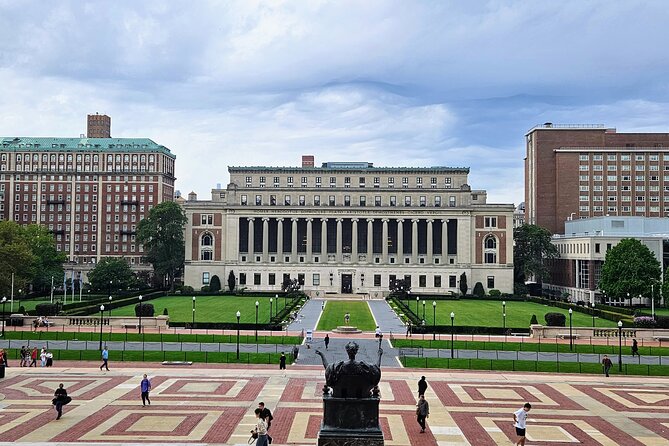
You start at 94 Corner Cafe (2518 Broadway, New York, NY 10025) at 1:00 pm. The tour ends at Columbia University Plaza, around 116th and Broadway (so you finish where you can easily grab a subway, walk, or continue exploring).
The basic rhythm is practical: you get a short walk, then a compact stop that’s timed for discussion. Most visits are around 10–15 minutes, so you’re not stuck watching one person talk while the day passes you by.
This is also one of those tours that works well even if you’re not a total Oppenheimer superfan. The story moves through people, schools, and local landmarks, and the guide keeps bringing it back to how ideas shaped a young man growing up in New York.
Price and value for a 2.5-hour guided history walk
The cost is $42 per person for about 2 hours 30 minutes. On its face, that’s not “cheap,” but you’re paying for a focused, guided interpretation—not just a self-guided route on your phone.
Here’s what makes it feel like good value:
- You get a historian-style guide (Krombie) who connects multiple threads into one story.
- The group is small enough to keep the tone conversational.
- All stops are admission ticket free, so you’re not hit with extra entry fees mid-walk.
It’s also a format that’s low stress. You don’t need reservations for museum timed tickets. And with mobile tickets offered, you’re usually able to show up with your phone (not a pile of paperwork).
One timing note: this tour averages being booked about 10 days in advance. If you’re traveling at a busy time, I’d pick your slot early rather than hoping something opens up last-minute.
Stop 1 and Stop 2: Ella Oppenheimer’s home and Oppenheimer’s birth site
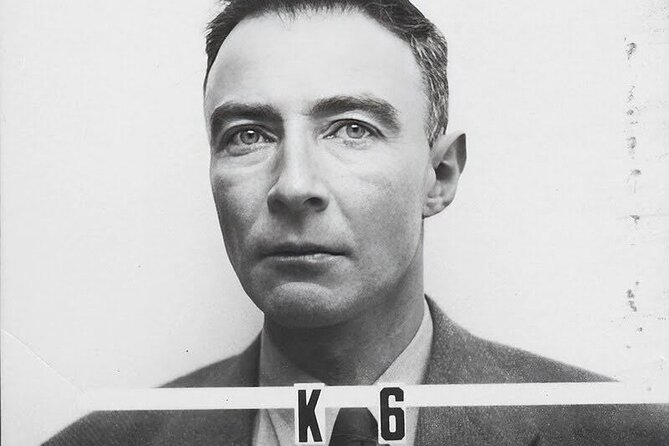
The story starts on the Upper West Side with Ella Oppenheimer, Robert Oppenheimer’s mother. You visit her premarital home, and the discussion frames how J. Robert Oppenheimer’s immigrant ancestry shaped the family’s early life.
Then you move to the site of Oppenheimer’s birth. This stop is brief but pointed: you’re not just looking at a location for its own sake. You’re using it to understand how Oppenheimer’s parents lived in New York before his later path, including the idea that a city can shape a person long before they’re famous.
Why I like these opening stops: they keep you from jumping straight to the Manhattan Project era. Instead, you get grounding—family origins first—so the rest of the tour has context, not just name recognition.
New York City on foot, a few more routes

Stop 3 and Stop 4: Edwin R. A. Seligman, Ethical Culture School, and Hearst’s Clarendon
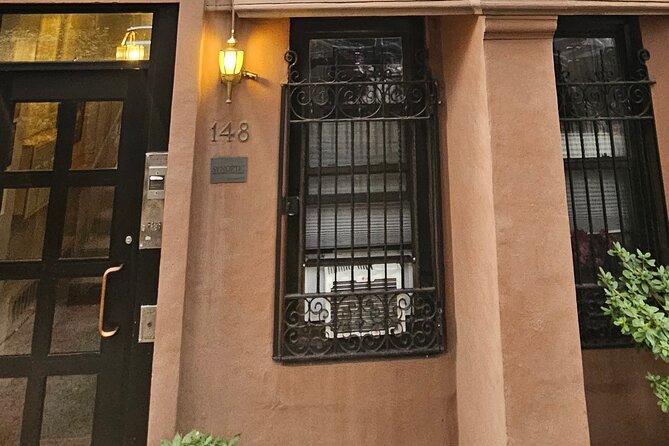
Next up is the former home of Edwin R. A. Seligman. The tour connects this address to Oppenheimer’s education at the Ethical Culture School. It’s a smart pivot: you go from family roots to school environment, then to the kinds of thinking young Oppenheimer would have encountered.
After that, you head to the Clarendon, the former home of William Randolph Hearst. This isn’t treated as a random celebrity stop. The discussion ties Hearst’s presence to Oppenheimer’s childhood neighborhood and to the world leaders whose paths would later be linked through World War II and the atomic age.
What to expect here: you’ll get the sense that Oppenheimer grew up in a place where different worlds rubbed shoulders—wealth and influence nearby, but also ideas and institutions that shaped how people argued about morality, society, and responsibility.
Stop 5 and Stop 6: Riverside Drive childhood and the Soldiers’ and Sailors Monument
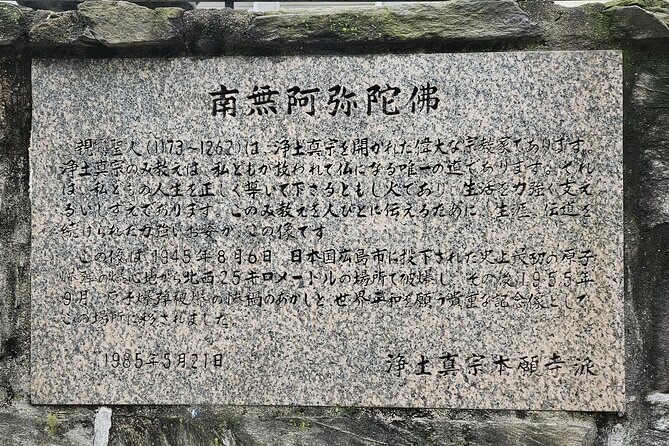
Once you’re on Riverside Drive, the tour shifts tone toward Oppenheimer’s early years. You visit his childhood home and talk through his childhood and adolescence—still tied to the same big question the guide keeps raising: how does a young person become the kind of adult who can handle complicated responsibilities?
Then comes the Soldiers’ and Sailors Monument stop. Instead of turning this into a generic monument story, the focus is on what Riverside Drive’s history meant during Oppenheimer’s formative years. It’s the kind of street-level context that makes the landscape feel like more than scenery.
A practical plus: these Riverside Drive stops help break up your attention. You go from the Upper West Side blocks to a longer-feeling stretch with different views, and the guide uses that change to keep the narrative moving.
Stop 7: Master Apartments and the New Deal ideologies that shaped young thinking
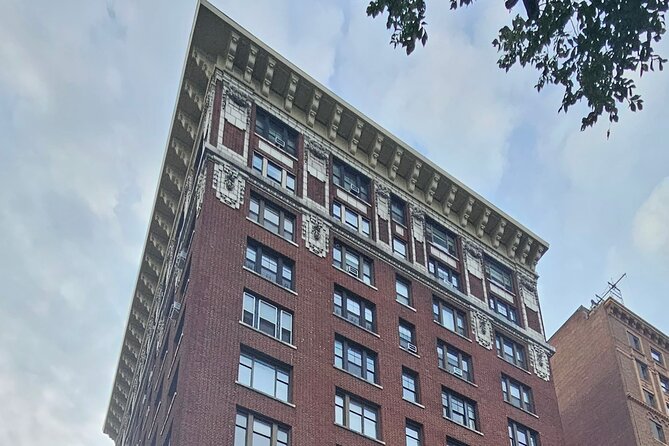
At the Master Apartments stop, the tour brings in FDR’s New Deal and the ideologies of that era that prospered and informed Oppenheimer as a young man.
This is where you’ll notice the guide’s style most clearly. Krombie doesn’t treat history like a list of dates. She treats it like cause-and-effect in the human world: social ideas, politics, and institutions all feed into how a person learns to think about power, ethics, and consequences.
I also appreciate that this stop is short. If you’ve done other walking tours that balloon into long lectures, this is less like that. You get the main thread, then you move.
Stop 8: New York Buddhist Church and the Shinran Statue on atomic cause and effect
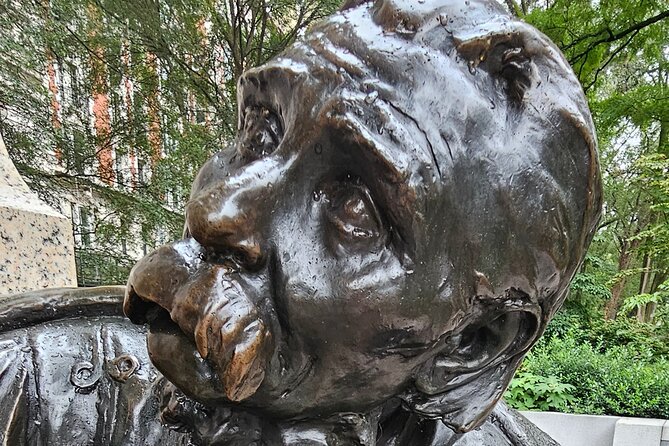
The New York Buddhist Church stop centers on the Shinran Statue and the cause and effect of the atomic bomb. This is one of the tour’s most memorable turns, because it forces you to think about the moral logic behind technology, not just the technology itself.
It’s also a good reminder that “atomic” doesn’t mean only physics. It means philosophy. It means what humans do with power once they have it.
If you’re coming to this tour expecting only a science biography, this stop may surprise you—in a good way. It connects Oppenheimer’s legacy to the kind of ethical thinking people used to process hard realities.
Stop 9: Isidor Rabi’s former home and the scientist-friend thread
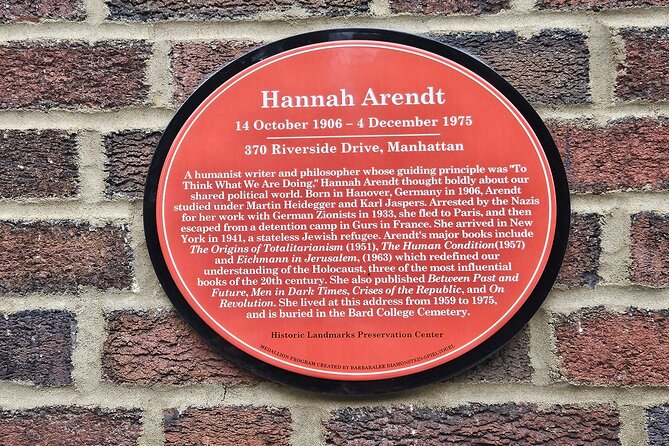
The final stop is the home of Isidor Rabi, described here as a pioneer in 20th-century physics, a Nobel Prize winner, and a close friend of Oppenheimer. This ending works well because it ties the story back to human relationships—friendships, collaborations, and the social networks that help ideas survive and grow.
It also helps land the tour’s overall message: Oppenheimer wasn’t shaped by one teacher or one event. He was shaped by the web of people and ideas around him, from early life in New York to the circles that formed the intellectual atmosphere of his later work.
How Krombie makes the story click without turning it into trivia
A lot of tours can sound like memorized facts. This one does something different. Krombie weaves connections between Oppenheimer’s personal life, the neighborhood’s institutions, and the political/philosophical movements of the era.
You also get a mix of “macro and micro” storytelling—big-picture themes like how society’s ideas influence individuals, plus street-level specifics like the particular kind of school connection a named figure represents.
And yes, there’s humor. It’s not slapstick; it’s more like good pacing and clear explanations that make dense material feel manageable. The best part is that she keeps the tour moving so you’re always walking toward the next piece of the argument, not just marking time.
One small caution: because the stops are close together and the discussion is dense, you’ll want to pay attention early. If you drift into phone-scrolling mode, you might miss the point of a stop that takes only 10 minutes but carries a key theme.
Who this tour is best for
This experience is a strong fit if you:
- Enjoy walking tours that tell a story with real locations, not just a sightseeing loop
- Want to understand Oppenheimer as a person shaped by school, politics, and ideas
- Like small groups where you can actually ask questions
- Appreciate a guide who connects science-era questions to ethics and society
You may not love it as much if you:
- Prefer indoor museum-style exhibits where you can linger in one place
- Want only the technical side of the Manhattan Project without the surrounding human context
- Have limited ability to keep up with a 2.5-hour outdoor pace
Should you book Oppenheimer in New York: Upper West Side Walking Tour?
I’d book it if you want a guided New York walk that explains why Oppenheimer’s life makes sense in the city that shaped him. The value isn’t only the destinations—it’s the way Krombie links family, school, political ideology, and even cause-and-effect moral thinking to the atomic age topic.
Go for it if you like tight route pacing, ticket-free stops, and a narrative that mixes big names (Hearst, Rabi) with less-famous influences (like the school connection and the neighborhood-era ideologies). And if you’re the type who enjoys understanding the why behind the headlines, this one has that in good measure.
FAQ
How much does the Oppenheimer in New York: Upper West Side Walking Tour cost?
It costs $42.00 per person.
How long is the tour?
The tour lasts about 2 hours 30 minutes.
Where do I meet, and where does the tour end?
You meet at 94 Corner Cafe, 2518 Broadway, New York, NY 10025. The tour ends at Columbia University Plaza, around 116th and Broadway.
What language is the tour offered in?
The tour is offered in English.
How many people are in the group?
The tour has a maximum of 15 travelers, and the format is described as a small group capped around 13.
Do the stops require paid admission tickets?
No. The stops listed for this experience are admission ticket free.
More Tours in New York City
- Statue of Liberty and Ellis Island Tour: All Options★ 5.0 · 13,571 reviews
- New York in One Day Guided Sightseeing Tour★ 5.0 · 13,166 reviews
- Central Park Pedicab Guided Tours★ 5.0 · 7,108 reviews
- New York City: Manhattan Helicopter Tour★ 4.7 · 7,076 reviews
- Private Central Park Pedicab Tour★ 5.0 · 6,981 reviews
More Tour Reviews in New York City
- NYC: SUMMIT One Vanderbilt Tickets★ 4.7 · 51,195 reviews
- NYC: Empire State Building Tickets – Observatory & Museum★ 4.7 · 25,757 reviews
- New York City: Statue of Liberty & Ellis Island with Ferry★ 4.6 · 18,683 reviews
- New York City: American Museum of Natural History Ticket★ 4.5 · 15,447 reviews
- Statue of Liberty and Ellis Island Tour: All Options★ 5.0 · 13,571 reviews
New York City, One Block at a Time
- SoHo, Little Italy, and Chinatown Walking Tour in New York★ 5.0 · 3,153 reviews
- Secrets of Grand Central Station Walking Tour New York City★ 5.0 · 1,796 reviews
- Greenwich Village Walking and Food Tasting Tour★ 5.0 · 1,572 reviews
- Artistic, Alternative Greenwich Village Walking Tour★ 5.0 · 971 reviews
- Brooklyn Bridge & DUMBO Neighborhood Tour – from Manhattan to Brooklyn★ 5.0 · 826 reviews
Just in: the newest New York City reviews on our desk





NYC Walking Tours, compared.
 ★ 5.0SoHo, Little Italy, and Chinatown Walking Tour in New YorkFrom $393,153 reviews
 ★ 5.0Secrets of Grand Central Station Walking Tour New York CityFrom $391,796 reviews
 ★ 5.0Greenwich Village Walking and Food Tasting TourFrom $941,572 reviews
 ★ 5.0Artistic, Alternative Greenwich Village Walking TourFrom $39971 reviews
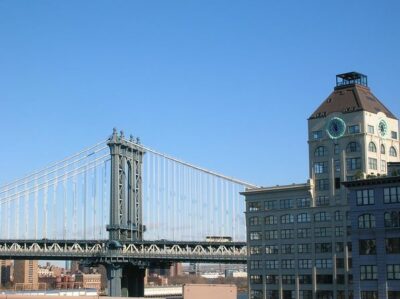 ★ 5.0Brooklyn Bridge & DUMBO Neighborhood Tour – from Manhattan to BrooklynFrom $49826 reviews
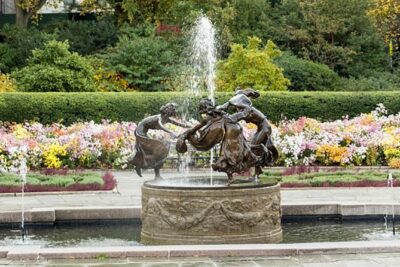 ★ 5.0Central Park Guided Walking TourFrom $44774 reviews
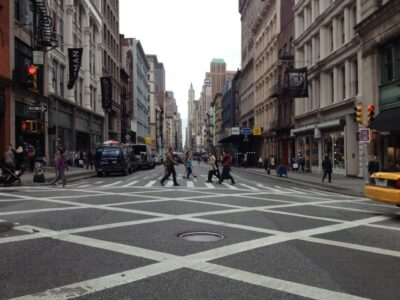 ★ 4.6Private Walking Tour with a LocalFrom $55771 reviews
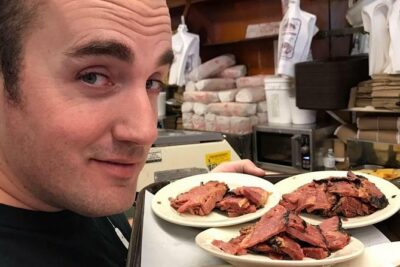 ★ 5.0NYC Lower East Side Walking and Food TourFrom $94646 reviews