
Reviewed · NYC WALKING TOURS
Rock and Roll History and Culture Walking Tour in New York City
Rock history in New York moves one block at a time. This 3-hour walking tour strings together the places where the city’s music scene pivoted in the ‘60s and ‘80s, using landmark storefronts and story-driven stops instead of museum walls.
What I like most is the private format (max 6), which means you can ask questions and get clear context on why these spots mattered. I also like that you’ll mix famous venues with visual pop-culture details—album cover locations, plus homes tied to artists like John Lennon.
One thing to plan around: you’ll do a lot of walking across several neighborhoods, and one stop (Cafe Wha?) has an admission cost that isn’t included. If the weather turns, the tour can be rescheduled or refunded.
In This Review
- Key Highlights You’ll Actually Remember
- Starting at Astor Place: A Rock Map Through 3 Neighborhoods
- East Village Stop #1: Fillmore East and Warhol’s Rock-Adjacent Art Theater
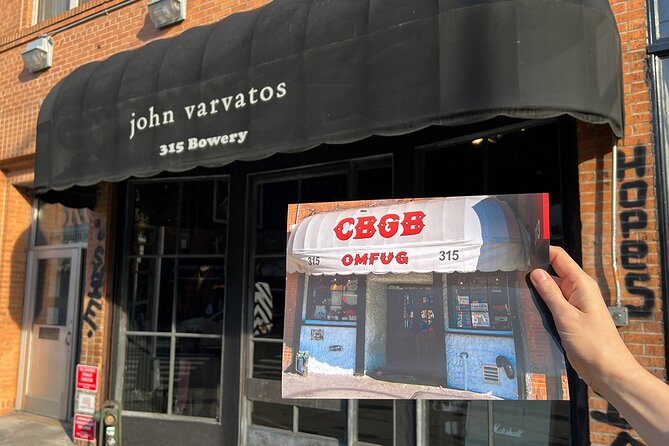
- East Village Stop #2: The “Punk Is Born Here” Moment at CBGB
- Greenwich Village Stop #3: Classic Album Covers as Street-Level Time Travel
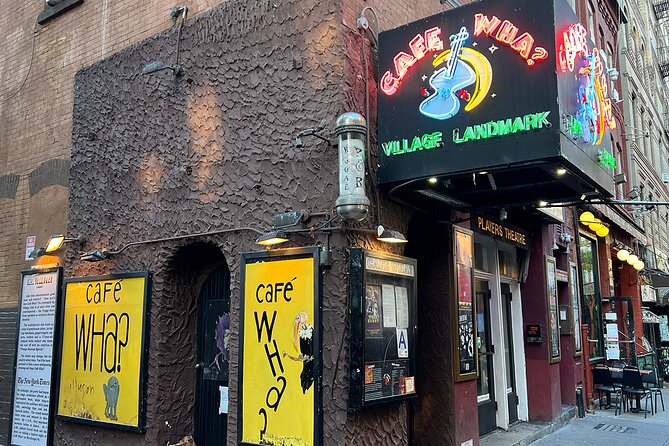
- Cafe Wha?: A Short Stop With Real Career Launch Energy
- Washington Square Park Audio Moment: Beats, Folk, and Buddy Holly’s Last Home
- West Village Stop #6: Sid Vicious and John & Yoko’s Early New York Home
- White Horse Tavern Ending: Dylan Thomas Goes Out Drinking
- What the Tour Style Means for Your Experience (And Your Time)
- Who This Tour Is Best For
- Value Check: Is $45 a Good Deal?
- Should You Book This Rock and Roll History and Culture Walk?
- FAQ
- How long is the Rock and Roll History and Culture Walking Tour?
- What does it cost?
- Where does the tour start and end?
- What time does it begin?
- Is this tour private, and how many people are allowed?
- What language is the tour offered in?
- Do I need to pay admission during the tour?
- Is the tour dependent on weather?
- What is the ticket format?
- What’s the cancellation policy?
Key Highlights You’ll Actually Remember
- Fillmore East as the late-‘60s Church of Rock and Roll, plus Andy Warhol’s Exploding Plastic Inevitable with the Velvet Underground
- CBGB site—a short stop that lands hard if you care about punk rock origins
- Album cover photo hunting for classic records tied to Bob Dylan, the Ramones, and Led Zeppelin
- Cafe Wha? as an early-stage launchpad for performers including Bob Dylan and Jimi Hendrix
- Washington Square Park as a magnet for beats, folk musicians, and local music lore
- White Horse Tavern to close, with the story of poet Dylan Thomas
New York City at street level, a few more walks
- SoHo, Little Italy, and Chinatown Walking Tour in New York
★ 5.0 · 3,153 reviews - Secrets of Grand Central Station Walking Tour New York City
★ 5.0 · 1,796 reviews - Greenwich Village Walking and Food Tasting Tour
★ 5.0 · 1,572 reviews - Artistic, Alternative Greenwich Village Walking Tour
★ 5.0 · 971 reviews
Starting at Astor Place: A Rock Map Through 3 Neighborhoods
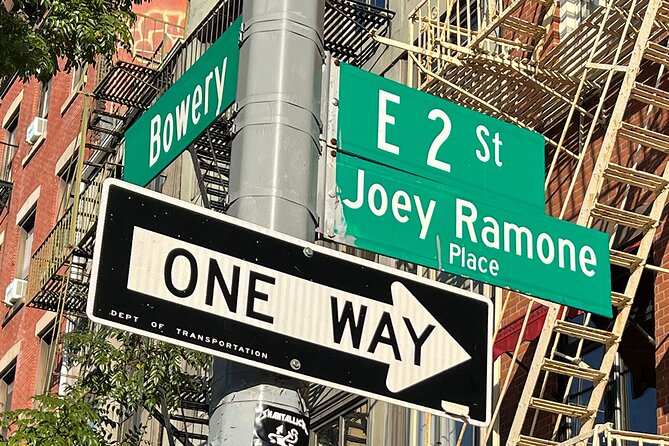
This tour starts at 101 Astor Pl and ends at White Horse Tavern, 567 Hudson St, with a 1:30 pm start. The route is built for people who want history you can see right on the street: you’ll move from the East Village into Greenwich Village, then finish in the West Village. It’s a smart way to connect music culture with the neighborhoods that shaped it.
Price-wise, at $45 per person for about 3 hours, the value mostly comes from how the tour is structured. It’s not just a list of famous names; it’s a guided walk timed to keep you moving while still giving context at each stop. Add in that it’s private (maximum 6 travelers) and you get a better conversation than the big-bus style of sightseeing.
The best part for me is the way the guide can turn street-level details into a storyline. In the reviews, the guide Tom is singled out for being super knowledgeable and using pictures to compare then-and-now views. That approach makes the whole thing feel less like trivia and more like a living timeline you can follow.
East Village Stop #1: Fillmore East and Warhol’s Rock-Adjacent Art Theater
Your first major anchor is the Fillmore East. In the late 1960s, it was called the Church of Rock and Roll, and the tour uses that nickname to frame what this venue represented: a place where rock wasn’t just entertainment—it was an event.
Right around this area, you’ll also hear about Andy Warhol’s Exploding Plastic Inevitable with the Velvet Underground. This is where the tour gets especially interesting if you like the crossover between music and visual culture. Warhol’s work wasn’t separate from the music scene; it interacted with it. Hearing those two threads side by side helps you see why New York’s music identity is so often tied to art-world thinking.
The stop also includes the Pyramid Club, where music and art converged in the 1980s. That’s a good reminder that New York scenes don’t just change once; they evolve and re-form around new venues and new creative communities.
What to watch for: this is a 45-minute stop with a lot packed in. If you’re the type who likes your questions answered, this is a great moment to ask. With a small group, you won’t get brushed off just because the schedule has to move.
East Village Stop #2: The “Punk Is Born Here” Moment at CBGB
Next you’ll visit the site of CBGB, where punk rock was born. It’s a shorter stop (about 20 minutes), but the point is clear: some music movements don’t need grand architecture to matter—they need cultural permission.
This is one of those locations where it helps to listen for the “why,” not only the “what.” The tour’s approach at CBGB is essentially to frame it as a turning point in the story of New York rock—an answer to the question of how the scene got louder, faster, and more confrontational.
Quick practical tip: even though this stop is brief, give yourself a moment to look around. You’re not just viewing a marker. You’re seeing the kind of streets where scenes form: walkable, clustered, and full of small spaces that can become big legends.
New York City on foot, a few more routes

Greenwich Village Stop #3: Classic Album Covers as Street-Level Time Travel
After the punk chapter, the tour shifts gears to Greenwich Village, where you’ll hunt down locations tied to classic album covers: Bob Dylan, the Ramones, and Led Zeppelin.
This is fun in a very specific way. Instead of just hearing about songs, you get to connect a cover image to a specific street corner. That turns music history into something you can photograph and remember. And it helps you understand how the city itself became part of how these bands and artists were presented to the world.
The stop runs about 35 minutes, which is enough time to slow down without feeling stuck. You’ll likely notice you’re not just learning names—you’re learning how New York helped shape the look and tone of the records people still talk about.
Possible downside for some people: if you’re not much of a photo person, you might prefer the more venue-heavy stops. But even then, the album-cover framing gives you a strong way to orient yourself in the neighborhood’s visual language.
Cafe Wha?: A Short Stop With Real Career Launch Energy
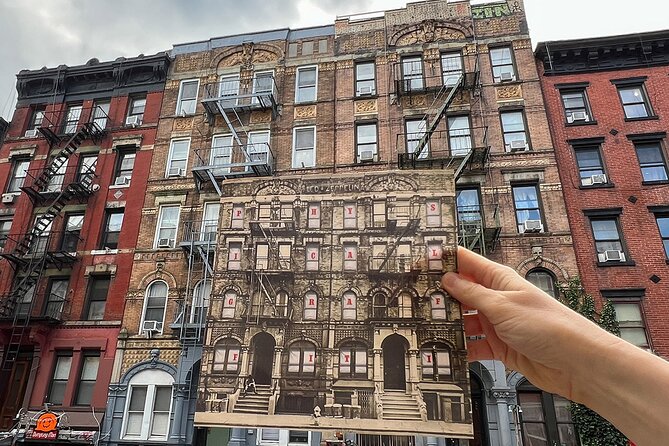
The tour then heads to Cafe Wha?, tied to the early careers of Bob Dylan and Jimi Hendrix. This stop is about 20 minutes.
One important note: admission is not included here. So if you plan to step inside or go deeper on site, budget extra. Still, even if you mainly keep it to the outside and the story, this stop is valuable because it spotlights the “before fame” phase—the quieter groundwork that becomes legendary later.
Why I think this stop matters: careers rarely start at headline venues. They start in rooms where artists test ideas and build an audience. Cafe Wha? fits that theme in the tour’s larger timeline.
Washington Square Park Audio Moment: Beats, Folk, and Buddy Holly’s Last Home
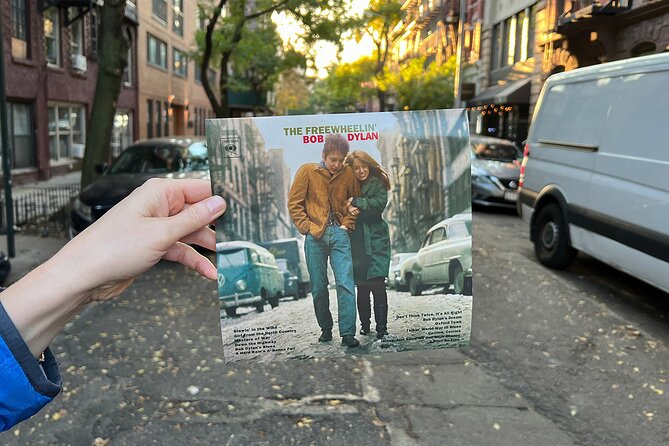
The tour includes an audio segment in Washington Square Park, taking about 20 minutes. This part focuses on the heart of Greenwich Village, where beats and folk musicians gathered, and it also includes the story of the last home of Buddy Holly.
Audio is a smart tool here. Parks are open and noisy. The walking tour format can’t always recreate everything you’d hear in a studio or a theater. Using audio helps make the environment more navigable and keeps the story from getting lost in the street noise.
This stop also helps connect dots. The tour is basically asking: how do different kinds of music scenes overlap? By placing beats and folk alongside a Buddy Holly link, you get a broader view than rock-only chronology.
Tip for you: bring headphones if your phone battery is low (the tour uses a mobile ticket, and audio segments can be easier when you control your playback).
West Village Stop #6: Sid Vicious and John & Yoko’s Early New York Home
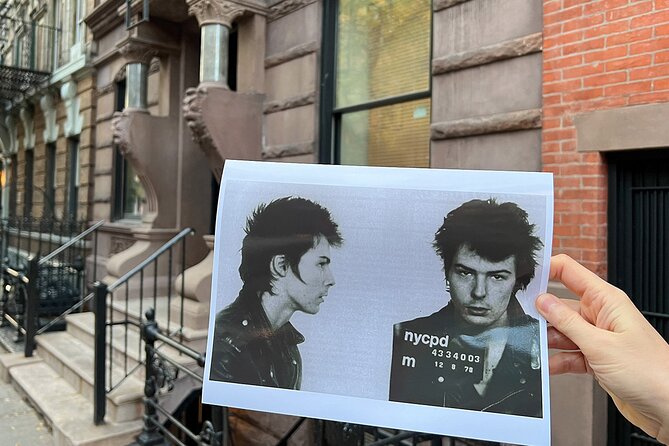
In the West Village, the tour covers two stops-in-one story: the place tied to where Sid Vicious died, and the first home of John and Yoko in New York.
This is one of the more emotionally charged parts of the walk. Punk history can be raw, but it’s also part of a chain of scenes that kept changing the city. Sid Vicious is often treated like a symbol, and the tour gives you the street-level anchor for that symbol—how the legend connects back to a place.
The John and Yoko connection adds another layer. It moves from shock-and-chaos to the kind of personal reinvention that also defined New York’s music culture. Seeing these two stories in one neighborhood makes the timeline feel less like a textbook and more like overlapping chapters of the city.
Practical note: this stop lasts about 30 minutes, so it’s long enough to hear the context behind the names and not just tick them off.
White Horse Tavern Ending: Dylan Thomas Goes Out Drinking
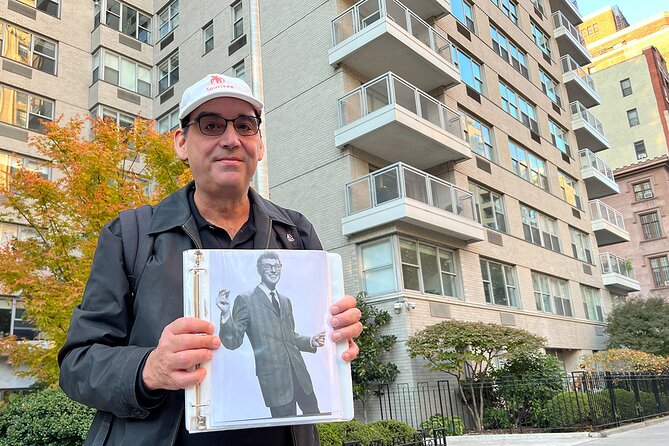
Your final stop is White Horse Tavern (about 10 minutes on the schedule). This is where poet Dylan Thomas is tied to a story of drinking himself to death.
Even though this isn’t a music-venue stop in the usual sense, it fits the tour’s theme: New York’s rock and its creative culture grew in the same orbit. Writers, singers, and performers crossed paths. Stories like this matter because they show how the city treated creative life like one big, messy event.
This ending works as a reset. After covering venues, album covers, and punk origins, you finish with a more human story—one that reminds you these scenes were made by people, not just bands.
What the Tour Style Means for Your Experience (And Your Time)
This is a mobile-ticket tour in English, designed for most travelers, and it runs about 3 hours. The route covers multiple neighborhoods, so you should expect a steady walking pace with stops built in.
The small group size (max 6) changes the feel. Big tours often rush and force you to listen from a distance. Here, the guide has room to explain and you have room to ask. In the reviews, Tom gets praised for being both knowledgeable and effective with pictures, including comparisons between past and present views. That matters more than it sounds, because it helps you build a mental image as you walk.
Also, one practical note: the tour is weather dependent. If it’s canceled due to poor weather, you’ll be offered another date or a full refund. For a walking tour focused on street locations, that’s exactly what you want to hear.
Who This Tour Is Best For
This walking tour is a strong match if:
- You love New York music lore and want it mapped to real places
- You’re interested in how scenes changed across eras, especially the ‘60s and ‘80s
- You like guided conversation more than “walk, read, move on”
- You want a focused way to see East and West Village without doing a self-guided scavenger hunt
It’s also a great first stop activity if you’re spending time in the area. You’ll leave with a better sense of where the neighborhood stories “live” on the map.
Value Check: Is $45 a Good Deal?
At $45 per person, I’d say it’s a fair value if you care about music history and you want it presented in a way that’s easy to follow on foot. Most stops don’t require paid admission—many are marked as free, while Cafe Wha? is the one called out as not included.
The cost works better than self-planning because the tour organizes the timeline for you. It’s not just a list of famous buildings. It’s a route that ties together venues, album visuals, and musician connections into a coherent story you can walk through.
Should You Book This Rock and Roll History and Culture Walk?
Yes, if you want a compact, street-level way to understand why New York rock culture looks the way it does. The small-group setup, the mix of music venues and art connections, and the inclusion of album cover locations make it more than a standard landmarks walk.
Book it especially if you like when a guide brings the past into view—especially with photo comparisons like the reviews mention about Tom. Just be realistic about the format: it’s a walking tour, and you may want to plan for the Cafe Wha? admission and for weather.
If you’re okay with streets, short stops, and a clear storyline, this is one of the more enjoyable ways to learn the city’s music timeline without spending a day inside.
FAQ
How long is the Rock and Roll History and Culture Walking Tour?
It lasts about 3 hours.
What does it cost?
The price is $45.00 per person.
Where does the tour start and end?
It starts at 101 Astor Pl, New York, NY 10003 and ends at White Horse Tavern, 567 Hudson St, New York, NY 10014.
What time does it begin?
The start time is 1:30 pm.
Is this tour private, and how many people are allowed?
The tour is limited to a maximum of 6 travelers, making it feel more private.
What language is the tour offered in?
The tour is offered in English.
Do I need to pay admission during the tour?
Most stops are free, but Cafe Wha? has admission that is not included.
Is the tour dependent on weather?
Yes. It requires good weather. If canceled due to poor weather, you’ll be offered another date or a full refund.
What is the ticket format?
You’ll receive a mobile ticket.
What’s the cancellation policy?
You can cancel for a full refund if you cancel at least 24 hours before the experience’s start time.
More Tours in New York City
- Statue of Liberty and Ellis Island Tour: All Options★ 5.0 · 13,571 reviews
- New York in One Day Guided Sightseeing Tour★ 5.0 · 13,166 reviews
- Central Park Pedicab Guided Tours★ 5.0 · 7,108 reviews
- New York City: Manhattan Helicopter Tour★ 4.7 · 7,076 reviews
- Private Central Park Pedicab Tour★ 5.0 · 6,981 reviews
More Tour Reviews in New York City
- NYC: SUMMIT One Vanderbilt Tickets★ 4.7 · 51,195 reviews
- NYC: Empire State Building Tickets – Observatory & Museum★ 4.7 · 25,757 reviews
- New York City: Statue of Liberty & Ellis Island with Ferry★ 4.6 · 18,683 reviews
- New York City: American Museum of Natural History Ticket★ 4.5 · 15,447 reviews
- Statue of Liberty and Ellis Island Tour: All Options★ 5.0 · 13,571 reviews
New York City, One Block at a Time
- SoHo, Little Italy, and Chinatown Walking Tour in New York★ 5.0 · 3,153 reviews
- Secrets of Grand Central Station Walking Tour New York City★ 5.0 · 1,796 reviews
- Greenwich Village Walking and Food Tasting Tour★ 5.0 · 1,572 reviews
- Artistic, Alternative Greenwich Village Walking Tour★ 5.0 · 971 reviews
- Brooklyn Bridge & DUMBO Neighborhood Tour – from Manhattan to Brooklyn★ 5.0 · 826 reviews
Just in: the newest New York City reviews on our desk




NYC Walking Tours, compared.
 ★ 5.0SoHo, Little Italy, and Chinatown Walking Tour in New YorkFrom $393,153 reviews
 ★ 5.0Secrets of Grand Central Station Walking Tour New York CityFrom $391,796 reviews
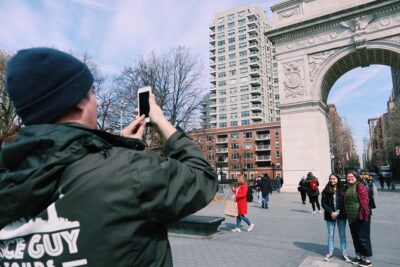 ★ 5.0Greenwich Village Walking and Food Tasting TourFrom $941,572 reviews
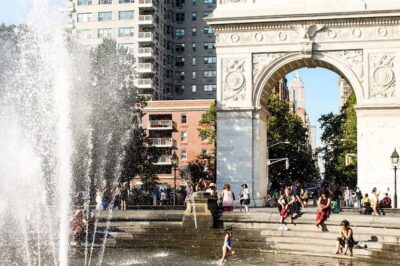 ★ 5.0Artistic, Alternative Greenwich Village Walking TourFrom $39971 reviews
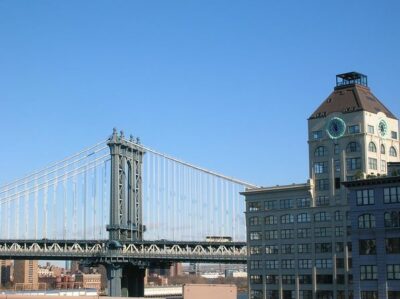 ★ 5.0Brooklyn Bridge & DUMBO Neighborhood Tour – from Manhattan to BrooklynFrom $49826 reviews
 ★ 5.0Central Park Guided Walking TourFrom $44774 reviews
 ★ 4.6Private Walking Tour with a LocalFrom $55771 reviews
 ★ 5.0NYC Lower East Side Walking and Food TourFrom $94646 reviews
Browse the lists this tour appears in