

Reviewed · NYC WALKING TOURS
TriBeCa Architecture & History Walking Tour
TriBeCa hides a whole city inside its blocks. In a 2.5-hour walk, you go south to north and watch farmland become a 19th-century industrial hub, then grow into one of New York’s richest zip codes. It’s architecture for real, not just pretty facades.
I love the focus on landmark buildings like the A. T. Stewart Building and the Frederick Hotel, with stories that explain why these addresses matter. I also like the built-in local guidance for food and fun, including brunch options that won’t drain your wallet, plus photo spots and speakeasy-style recommendations.
One possible drawback: this is a sidewalk-heavy experience, and the tour goes out rain or shine, so you’ll want to dress for the weather and keep moving. If you prefer lots of indoor time, plan to treat this as a streets-first kind of day.
In This Review
- Key things I’d prioritize on this tour
- TriBeCa’s Architecture: Why the Sidewalks Feel Like a Timeline
- How the 2.5-Hour Route Actually Works (Start South, Walk North)
- A. T. Stewart Building: When Commerce Shaped the Streets
- Frederick Hotel and the Industrial-to-Modern Shift
- Ghostbusters Firehouse: Pop Culture, Real Facades
- Staple Street Sky Bridge: The Kind of Stop You Don’t Guess
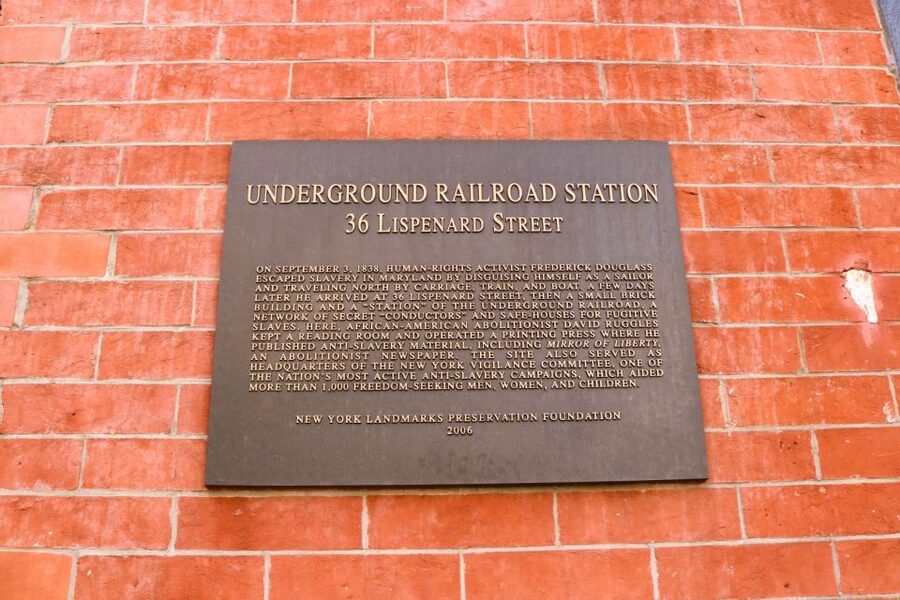
- TriBeCa’s Invisible History: Slavery Resistance in the 19th Century
- Neighborhood Recommendations: Brunch, Speakeasies, and Photo Stops
- Price and Value: Is $40 for 2.5 Hours Fair?
- When This Tour Fits Best (and When It Might Not)
- Getting Started: Where to Meet and What to Bring
- Should You Book the TriBeCa Architecture & History Walking Tour?
- FAQ
- How long is the TriBeCa Architecture & History Walking Tour?
- Where do I meet the guide?
- Is the tour wheelchair accessible?
- Does the tour run in bad weather?
- What should I bring for the walking tour?
- Is there free cancellation or a pay later option?
Key things I’d prioritize on this tour
- Northbound route from TriBeCa’s southern edge helps you “see the neighborhood grow” instead of hopping around randomly
- NYC-certified guide storytelling turns building details into neighborhood-level meaning
- Ghostbusters Firehouse connects pop culture to actual TriBeCa architecture
- Staple Street sky bridge gives you a rare, hard-to-find perspective on the area
- Invisible history stop includes TriBeCa’s role in the 19th-century fight against slavery
- Brunch, photos, and hidden speakeasies mean you leave with a plan for your next hours in Manhattan
New York City at street level, a few more walks
- SoHo, Little Italy, and Chinatown Walking Tour in New York
★ 5.0 · 3,153 reviews - Secrets of Grand Central Station Walking Tour New York City
★ 5.0 · 1,796 reviews - Greenwich Village Walking and Food Tasting Tour
★ 5.0 · 1,572 reviews - Artistic, Alternative Greenwich Village Walking Tour
★ 5.0 · 971 reviews
TriBeCa’s Architecture: Why the Sidewalks Feel Like a Timeline
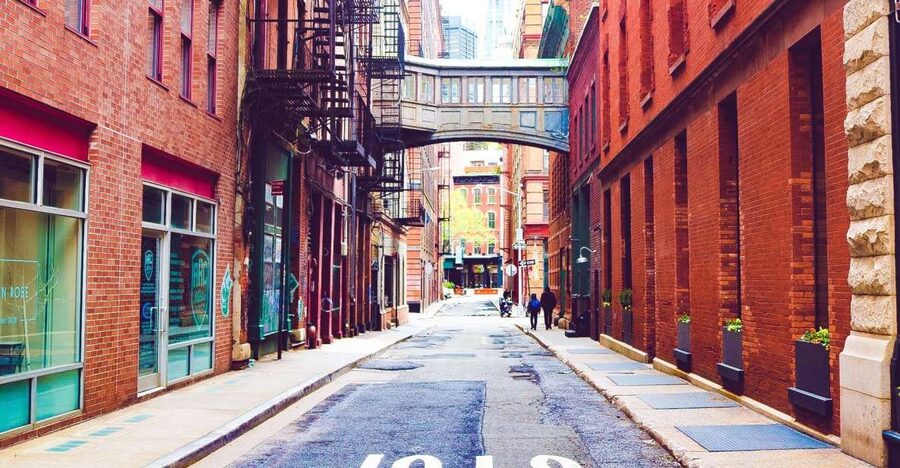
TriBeCa isn’t just “where filming happens” or “where the lofts are.” The neighborhood’s whole identity is shaped by how New York used to work—trade, factories, warehouses, and the kind of ambition that built upward and outward.
What I find smart about this tour is how it treats architecture like evidence. You’re not only looking at buildings; you’re learning the logic behind them. You’ll hear how TriBeCa went from sleepy countryside to a 19th-century industrial hub, and how that physical footprint later helped reshape the area into something wealthy and desirable. In other words: the neighborhood’s layout tells a story, and the guide points out the clues.
This is also why it works for first-timers and repeat visitors. First-timers get a framework for what they’re seeing. Repeat visitors get fresh reasons to notice details they might otherwise walk past.
How the 2.5-Hour Route Actually Works (Start South, Walk North)
You’ll cover the neighborhood on foot, moving from the southernmost point of TriBeCa and working your way north. That direction matters, because it matches the neighborhood’s “before and after” arc: early TriBeCa life and later growth show up as you go.
The format is built around a live, English-speaking NYC-certified tour guide. Expect stops where the guide explains what you’re looking at, why it was built, and what changed later. The pacing is steady enough to keep you oriented, which is important in a city where streets can blur fast.
A walking tour like this also means you’ll be able to pause when you need a breather and absorb street-level reality. If you like to keep your camera ready, you’ll also get guidance on where the best photo views tend to appear in TriBeCa.
A. T. Stewart Building: When Commerce Shaped the Streets
One of the first big reasons this tour is worth your time is that it names key sites that helped define New York City’s commercial identity. The A. T. Stewart Building is a centerpiece example.
You’ll learn how early commercial buildings and infrastructure set patterns for what “downtown life” looked like. Even if you already know the general idea of New York as a trading and retail city, it clicks differently when you see how TriBeCa’s industrial and dry-goods past connects to later urban style.
The payoff here is interpretation. Instead of treating buildings as isolated landmarks, you’ll understand them as part of a system: materials, business needs, and the way streets guided movement and commerce. That’s the kind of background that makes the rest of your trip feel easier.
New York City on foot, a few more routes

Frederick Hotel and the Industrial-to-Modern Shift
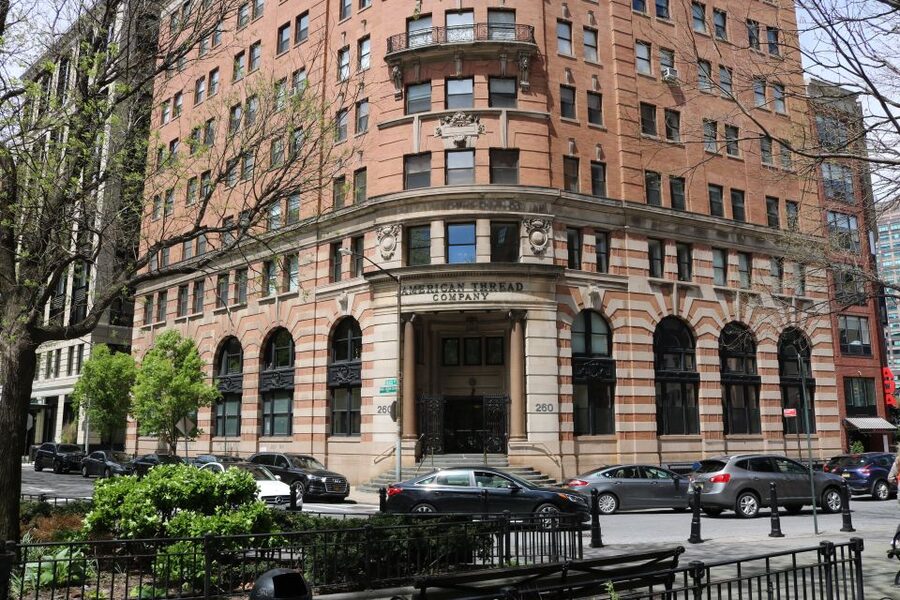
Another highlight is the Frederick Hotel, which the tour includes as part of its broader look at how TriBeCa developed. This neighborhood’s vibe didn’t appear overnight. It grew as older structures got new uses and as the area’s role in the city changed.
On this stop, the guide’s job is to help you read transitions. You’ll hear about the shift from industrial and warehouse functions toward more polished, residential, and luxury-oriented uses. The tour describes how buildings evolved from dry goods warehouses into later life as residences—this is where the “how” matters.
If you like architectural styles, this is where the tour helps you connect form to function. You start noticing the practical choices behind the shapes and details: how a building was meant to work, and how those features influence what it feels like today.
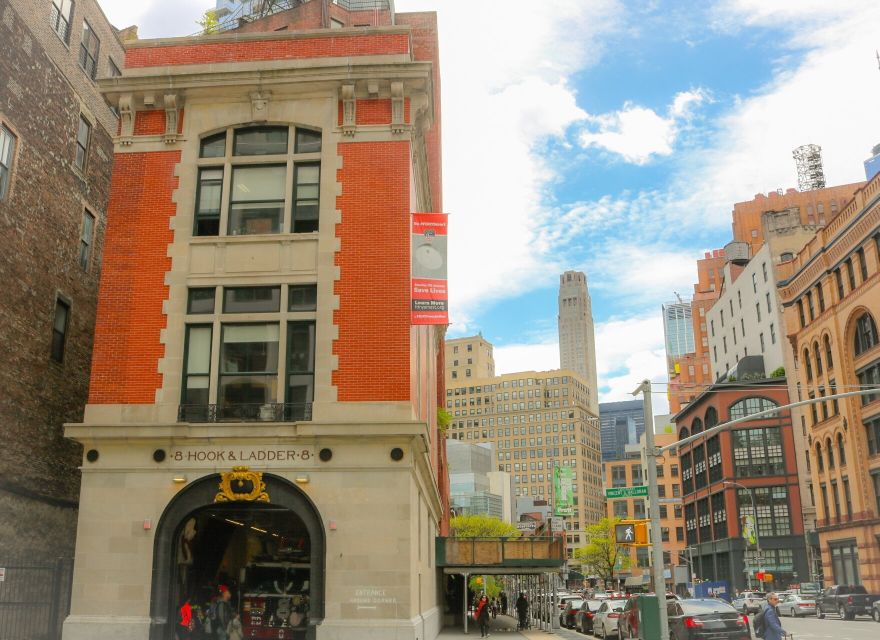
Ghostbusters Firehouse: Pop Culture, Real Facades
Yes, the Ghostbusters Firehouse is world-famous. But the smart angle here is that it’s not a detour for fans only. The tour uses the attraction as a doorway into TriBeCa’s identity and street character.
When you stand in the right spot and get the backstory from a guide, pop culture landmarks stop being just photo ops. They become part of the neighborhood’s living mythology—one that New Yorkers and visitors keep repeating.
This stop also helps break up the more historical moments. You still get context, but the mood gets lighter, and the street feels more like the New York you already know from movies and TV. It’s a nice reminder that history and present-day storytelling share the same sidewalks.
Staple Street Sky Bridge: The Kind of Stop You Don’t Guess
If you like “how do people find this?” attractions, the Staple Street sky bridge will land well. The tour calls it out as one of the hard-to-find elements of New York, and that’s exactly the point.
A sky bridge isn’t just a clever structure. It’s a clue about how the city manages movement between parts of a neighborhood. In a place like TriBeCa—where older blocks have been reworked and reused—elevated connectors often tell you where the city wanted efficiency, access, and protection from street-level chaos.
You’ll get a perspective you can’t fake from Google Maps alone. And because you’re walking, you can pair this view with surrounding architecture, so it feels like an actual part of the neighborhood rather than an odd standalone photo angle.
TriBeCa’s Invisible History: Slavery Resistance in the 19th Century
One of the most meaningful parts of the tour covers TriBeCa’s role in the fight against slavery in the 19th century. This isn’t about tacking on facts; it’s about connecting place to action.
What I like about including this topic is that it reminds you the city’s story isn’t only about money, buildings, and design. New York’s history also includes moral battles played out by people in real locations.
Even if you’re not deep into abolition history, the guide’s framing helps you understand why it belongs here. When you learn that a neighborhood’s story includes resistance and human rights, the architecture around you starts to feel heavier in a good way—more honest.
Neighborhood Recommendations: Brunch, Speakeasies, and Photo Stops
This tour doesn’t end when the walking stops. It includes neighborhood recommendations, including the best places to get a brunch that won’t break the bank, hidden speakeasies in Manhattan, and great spots for photos.
That kind of add-on is practical because TriBeCa is not just one simple block of sights. You’ll want choices for the next meal, the next hour, and the next “where should I go” moment. A guide who understands the neighborhood can steer you away from the most obvious tourist traps.
If you’re trying to keep costs under control, the brunch tip is especially useful. New York can be expensive fast, so even a small local suggestion can help your day feel more like a plan and less like a series of random decisions.
And if you care about photos, having the guide point you toward good angles saves time and avoids that “why does this look flat” problem. You’ll get the kind of guidance that makes your shots look like you knew what you were doing.
Price and Value: Is $40 for 2.5 Hours Fair?
At $40 per person for a 2.5-hour walking tour, you’re paying for two things: a live guide and a structured route that turns scattered buildings into a coherent story.
Is it a steal? Not necessarily. But it’s also not just paying for sightseeing. You’re paying for interpretation—how to connect the A. T. Stewart Building, the Frederick Hotel, the Ghostbusters Firehouse, the Staple Street sky bridge, and the slavery-resistance thread into one experience.
This value gets stronger if:
- you’re the type who likes learning how neighborhoods formed
- you want photo-ready spots without guessing
- you appreciate a guide who keeps the walk engaging and answers questions
It’s also a good deal for couples or friends who want a shared “we learned something” activity that still feels like exploring.
When This Tour Fits Best (and When It Might Not)
This tour is a strong match if you like:
- architecture with context, not only facts
- guided walking in one neighborhood instead of jumping around
- pop culture stops tied to real addresses
- deeper themes like TriBeCa’s 19th-century involvement in the fight against slavery
It might be less ideal if you want museums, indoor exhibits, or long seated time. Since it’s a walking format, you should expect the day to be active. Also, because it runs rain or shine, the weather can shape your comfort level a lot.
Getting Started: Where to Meet and What to Bring
Plan to meet at the meeting point by looking for the black Metro Tours umbrella.
For subway access, the closest options listed include 4/5/6/J/Z at Brooklyn Bridge–City Hall, R/W at City Hall, or 2/3 at Park Place. Those are all reasonable starting points, and you can choose based on where you’re coming from.
Bring comfortable shoes and dress for the weather. Tours go out rain or shine, so you’ll want sunscreen on sunny days and an umbrella or similar rain protection if the forecast calls for it.
Should You Book the TriBeCa Architecture & History Walking Tour?
I think you should book this tour if you want a guided, low-stress way to understand TriBeCa beyond the headlines. For $40, you get a route that covers major buildings, a hard-to-find sky bridge, a well-known pop culture stop, and a serious 19th-century topic, all with a guide who keeps the stories engaging and answers questions.
Book it especially if you love walking and learning as you go. You’ll finish with both a stronger sense of the neighborhood and practical next-step ideas like where to grab brunch and where to look for speakeasy-style nights.
If you hate walking in real weather or you want lots of indoor time, you might prefer a different style of NYC visit. But if you’re game for streets-first history, this one is a smart use of an afternoon.
FAQ
How long is the TriBeCa Architecture & History Walking Tour?
It lasts 2.5 hours.
Where do I meet the guide?
Meet at the location by looking for the black Metro Tours umbrella.
Is the tour wheelchair accessible?
Yes, the tour is wheelchair accessible.
Does the tour run in bad weather?
The tour goes out rain or shine. If conditions become too inclement, you’ll be notified by email, phone, or text with an option to rebook or receive a full refund.
What should I bring for the walking tour?
Bring comfortable shoes and weather-appropriate clothing (for example, sunscreen or an umbrella).
Is there free cancellation or a pay later option?
You get free cancellation up to 24 hours in advance for a full refund, and there is a reserve now & pay later option (you can book your spot and pay nothing today).
More Tours in New York City
- Statue of Liberty and Ellis Island Tour: All Options★ 5.0 · 13,571 reviews
- New York in One Day Guided Sightseeing Tour★ 5.0 · 13,166 reviews
- Central Park Pedicab Guided Tours★ 5.0 · 7,108 reviews
- New York City: Manhattan Helicopter Tour★ 4.7 · 7,076 reviews
- Private Central Park Pedicab Tour★ 5.0 · 6,981 reviews
More Tour Reviews in New York City
- NYC: SUMMIT One Vanderbilt Tickets★ 4.7 · 51,195 reviews
- NYC: Empire State Building Tickets – Observatory & Museum★ 4.7 · 25,757 reviews
- New York City: Statue of Liberty & Ellis Island with Ferry★ 4.6 · 18,683 reviews
- New York City: American Museum of Natural History Ticket★ 4.5 · 15,447 reviews
- Statue of Liberty and Ellis Island Tour: All Options★ 5.0 · 13,571 reviews
New York City, One Block at a Time
- SoHo, Little Italy, and Chinatown Walking Tour in New York★ 5.0 · 3,153 reviews
- Secrets of Grand Central Station Walking Tour New York City★ 5.0 · 1,796 reviews
- Greenwich Village Walking and Food Tasting Tour★ 5.0 · 1,572 reviews
- Artistic, Alternative Greenwich Village Walking Tour★ 5.0 · 971 reviews
- Brooklyn Bridge & DUMBO Neighborhood Tour – from Manhattan to Brooklyn★ 5.0 · 826 reviews
Just in: the newest New York City reviews on our desk



NYC Walking Tours, compared.
 ★ 5.0SoHo, Little Italy, and Chinatown Walking Tour in New YorkFrom $393,153 reviews
 ★ 5.0Secrets of Grand Central Station Walking Tour New York CityFrom $391,796 reviews
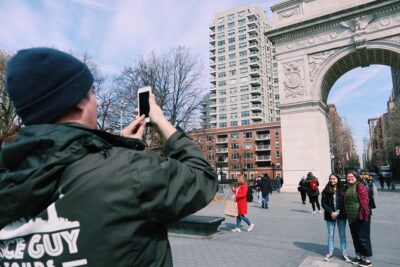 ★ 5.0Greenwich Village Walking and Food Tasting TourFrom $941,572 reviews
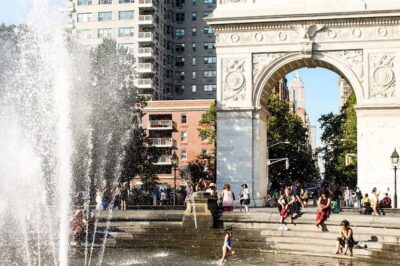 ★ 5.0Artistic, Alternative Greenwich Village Walking TourFrom $39971 reviews
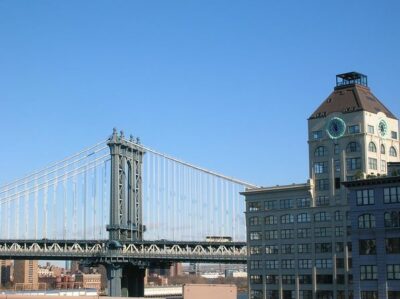 ★ 5.0Brooklyn Bridge & DUMBO Neighborhood Tour – from Manhattan to BrooklynFrom $49826 reviews
 ★ 5.0Central Park Guided Walking TourFrom $44774 reviews
 ★ 4.6Private Walking Tour with a LocalFrom $55771 reviews
 ★ 5.0NYC Lower East Side Walking and Food TourFrom $94646 reviews
Browse the lists this tour appears in