
Reviewed · GREENWICH VILLAGE TOURS
Village Nights: Greenwich Village Food Crawl
Food is the best map in Greenwich Village. This Village Nights crawl is a 3-hour, small-group evening that pairs tastings across cultures with neighborhood context as you walk from Astor Place toward the West Village.
I really like two things here: the route is flexible enough to feel like you are hanging with friends, and the guide keeps answering the questions you actually ask. In at least one recent tour, the guide Morgan made it feel personal, with conversation that ranged from food and pastries to neighborhood backstories and nightlife.
One fair warning: you will be doing a good chunk of walking. If you have heart problems, low fitness, or food allergies, this isn’t a good match.
In This Review
- Key takeaways before you go
- From Astor Place to the West Village: Why the Route Feels Right
- McSorley’s Beer: A Classic Start with Neighborhood Attitude
- Taqueria Diana Food Tasting: How Street Food Shapes the Neighborhood
- Triangle Shirtwaist Factory: When Place Names Do Real Work
- Washington Square Park and MacDougal Street: Stories While You Watch People
- Mamoun’s Falafel: Middle Eastern Comfort in a Walking-Friendly Portion
- Stonewall Inn: A Guided Photo Stop with City Significance
- Two Boots Pizza West Village: When the Slice Fits the Evening
- Taco Mahal and Bleecker Street: Finishing Strong with Late-Night Energy
- Price and Value: What $99 Buys in a 3-Hour Evening
- What You’ll Learn (Even If You Think You Don’t Care About History)
- Who Should Book This Village Nights Food Crawl
- Should You Book It?
- FAQ
- How long is the Village Nights Greenwich Village Food Crawl?
- What is the price per person?
- How many food stops are included?
- Does the price include alcohol?
- Where do we meet?
- Where does the tour end?
- Is the itinerary fixed?
- What language is the live guide in?
- Is the tour wheelchair accessible?
- Are pets allowed?
Key takeaways before you go
- Small group of up to 8: easier pacing, more chances to ask questions, and fewer awkward stops for the slowest person.
- 4-6 food stops in 3 hours: enough tastings to sample the neighborhood without turning the evening into a marathon.
- Flexible route based on group input: you may see more West Village focus or more cross-neighborhood variety depending on what your group cares about.
- History stops that connect to food culture: you get context tied to the neighborhood, not random trivia.
- Morgan-style guide energy: the best version feels like walking with an old friend who knows when to let you talk.
- End near a cozy bar and close to the subway: the night doesn’t just end—it hands you an easy next step.
More laps around the Village
- NYC: Greenwich Village Food Tour with 6 Locals Favorites Dishes
★ 5.0 · 1,812 reviews - Greenwich Village Walking and Food Tasting Tour
★ 5.0 · 1,572 reviews - Artistic, Alternative Greenwich Village Walking Tour
★ 5.0 · 971 reviews - NYC Greenwich Village Italian Food Guided Walking Tour
★ 5.0 · 627 reviews
From Astor Place to the West Village: Why the Route Feels Right
This tour starts at Astor Place, which is a smart choice because it gets you in the center of Manhattan’s daily motion without starting you in the most touristy corner of the Village. You’ll meet near the black cube sculpture, officially known as Alamo, which is a simple landmark once you spot it.
The big idea is that you see the Village at night like a local, not as a checklist. It also helps that the walking path can shift: you may range from the West Village to the East, depending on what your group wants that evening.
Practical note: you’ll want comfortable shoes and clothes you can move in. Also, this isn’t set up for strollers, luggage/large bags, or pets (assistance dogs are fine). If you like your dinner plans to stay light but your feet to do the work, this fits.
McSorley’s Beer: A Classic Start with Neighborhood Attitude
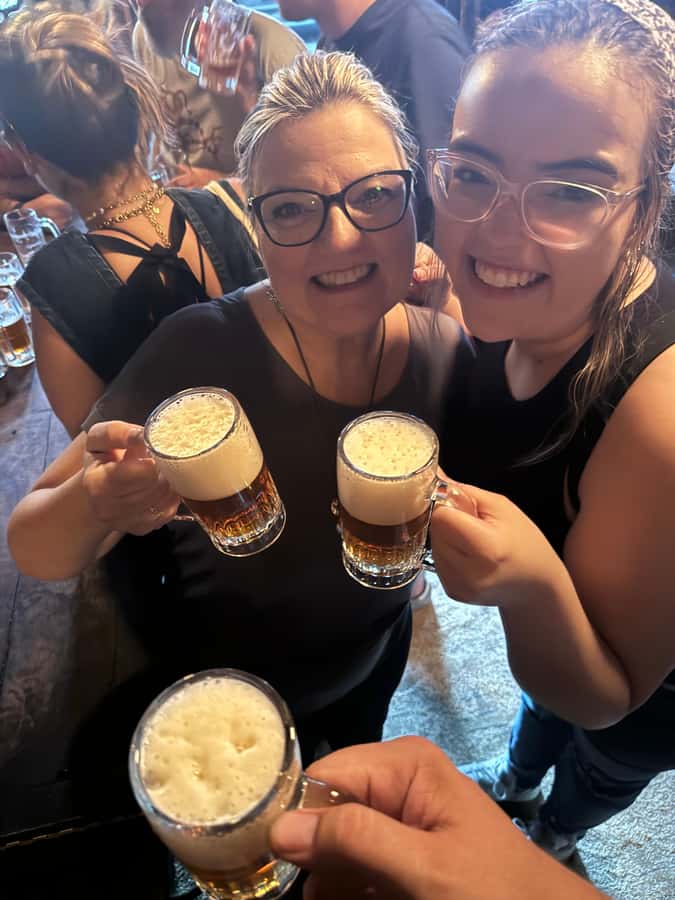
You kick off with a short stop at McSorley’s for beer, timed to about 20 minutes. Even if you don’t plan to make it a big drinking moment, this is a fun way to set the tone: old-school, local, and not trying too hard.
One practical detail matters for value: alcohol isn’t included in the tour price. So budget for any drinks separately if you want them, but don’t feel like the whole “beer stop” is required in order to enjoy the experience.
Why this stop works: it gives you a recognizable anchor before you start tasting across different cultures. It’s like loosening your shoulders before the evening gets busy—both in conversation and walking.
Taqueria Diana Food Tasting: How Street Food Shapes the Neighborhood
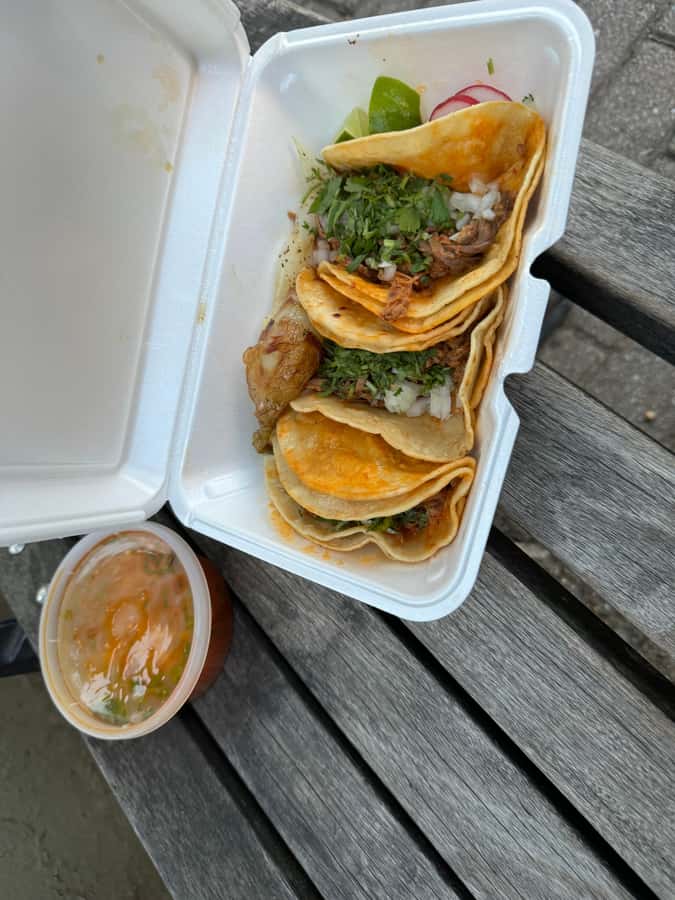
Next you head to Taqueria Diana for a food tasting (around 20 minutes). This is the moment where the tour’s theme becomes real: food influences city culture, and city culture influences what you eat.
In a neighborhood like Greenwich Village, you can feel how different communities leave their mark through what’s open late, what’s portable, and what people line up for. You’re not just sampling flavors—you’re learning why that spot fits the neighborhood story.
What I like about this kind of stop is the pace. The tasting format keeps you from feeling stuck with one heavy course, and it sets you up to compare tastes later as you move from one culture to another. It also makes it easier to ask your guide why that restaurant belongs here.
More plates and pours around New York City

Triangle Shirtwaist Factory: When Place Names Do Real Work
After your food start, you stop at the Triangle Shirtwaist Factory site for a short visit and guided tour (about 5 minutes), with sightseeing along the way. This is brief by design—enough time to connect the setting to the city’s broader story, not enough time to turn your night into a lecture.
The value here is how the guide connects the dots. Even though your focus is food, the neighborhood doesn’t make sense without the work that shaped it, the people who lived through it, and the changes that followed. You’ll leave with a sense that the Village’s food scene didn’t appear out of nowhere.
Potential drawback: since this stop is short, if you want a deep, long museum-style experience, you’ll probably want to follow up later on your own. But for a 3-hour crawl, it’s a strong “context snap,” not a detour.
Washington Square Park and MacDougal Street: Stories While You Watch People
Then you get Washington Square Park for sightseeing (about 20 minutes). It’s a built-in “pause button,” and it lets you see how the Village looks when it’s not daytime-shopping mode.
From there you move onto MacDougal Street for a guided visit (about 10 minutes). This is where the conversation often turns livelier: the guide can talk about how the neighborhood’s past shows up in its present—especially through its food, nightlife, and the kinds of places that become regular stops for locals.
In one recent experience with Morgan, the tour included nightclubs and even light references to celebrity homes as part of the neighborhood storytelling. Nothing feels forced, because you’re walking, stopping, and asking questions as the guide reads your group’s energy.
Tip for you: this is a great time to ask about what to order, what to avoid, or what to explore next week. You’ll likely get real suggestions, not generic answers.
Mamoun’s Falafel: Middle Eastern Comfort in a Walking-Friendly Portion
The next food stop is Mamoun’s Falafel (about 15 minutes). A quick tasting here is a smart move because falafel works well in a group setting: it’s filling, but it doesn’t slow you down like a full sit-down meal might.
Why this matters for the whole tour: you get a shift in flavor and food culture before you hit the pizza and tacos later. It keeps your palate awake and helps you notice differences in spice, texture, and how each cuisine fits the neighborhood rhythm.
Because the tour includes multiple tastings across different places, you get to compare what a community chooses for quick, late-night comfort. It’s also a nice reminder that the Village’s food identity isn’t one thing—it’s layers.
Stonewall Inn: A Guided Photo Stop with City Significance
You then visit Stonewall Inn for a guided tour and sightseeing (about 10 minutes). This is one of those stops that’s more about context than about the photo.
The guide’s job is to explain what the location means in the city’s larger story. Since the tour is built around connections—food and culture, culture and food—this fits the theme perfectly: you’re learning how a neighborhood’s identity shows up in everyday streets and gathering places.
Practical note: this is still walking time, so if you need frequent seating, plan on taking breaks only where the tour naturally pauses. It’s not set up as a slow stroll with long rest periods.
Two Boots Pizza West Village: When the Slice Fits the Evening
Next is Two Boots Pizza West Village for a food tasting (about 20 minutes). Pizza is a perfect “bridge” stop on a crawl because it’s universally recognizable, but you still get to taste what’s local about the place and how locals talk about it.
At this point in the tour, you’ve sampled at least one savory street-food option and one comfort classic. Pizza is your grounding point. It helps you slow down just enough to taste closely, but you’re still moving on schedule.
If you’re thinking about value, this is where the $99 starts to make sense as an experience, not just food. You’re not buying one meal—you’re getting multiple tastings plus guided interpretation that ties each stop to the neighborhood.
Taco Mahal and Bleecker Street: Finishing Strong with Late-Night Energy
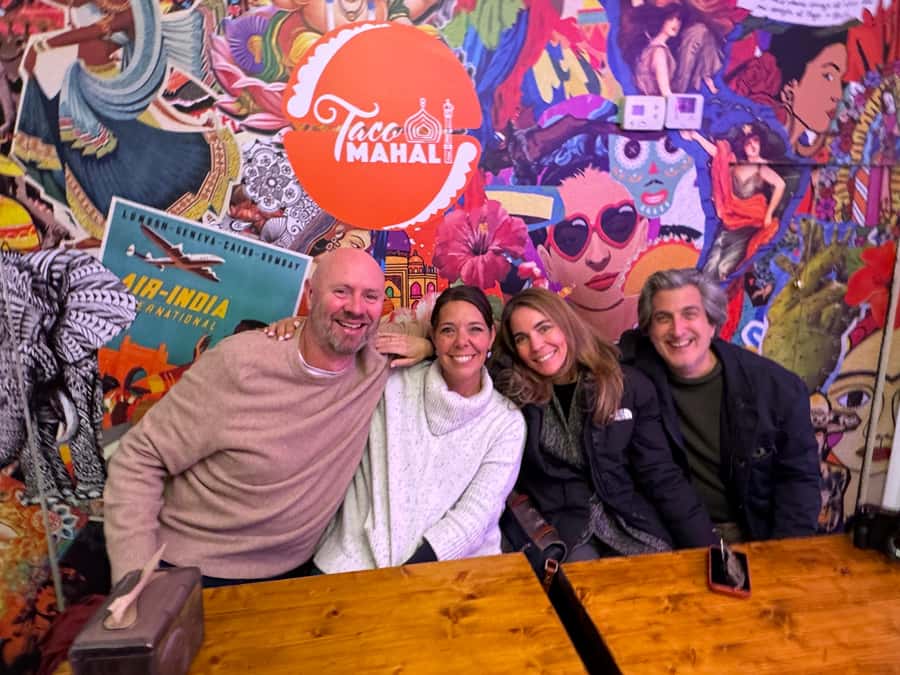
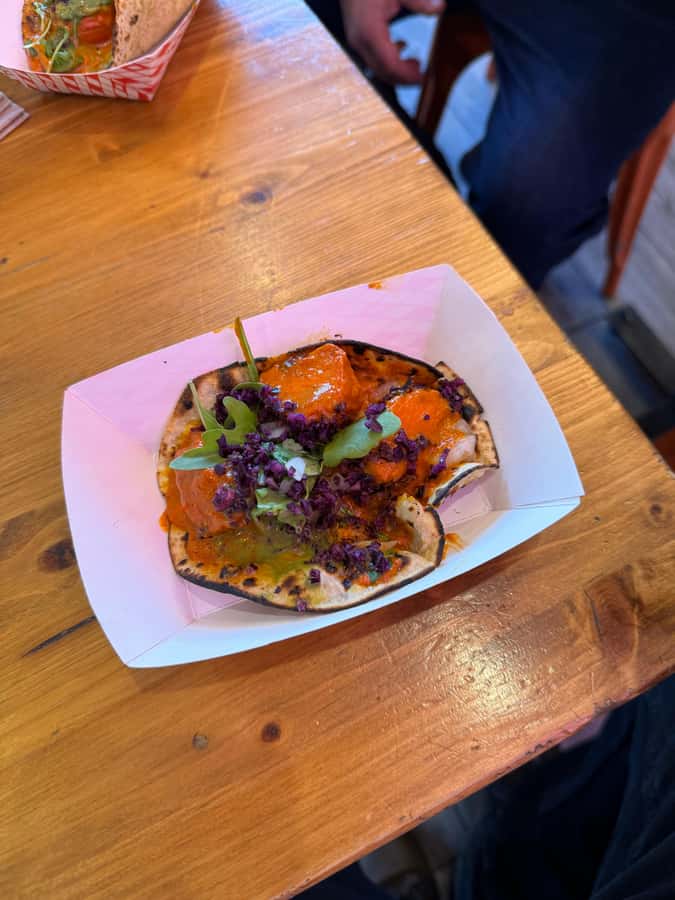
Then comes Taco Mahal for another tasting (about 20 minutes). Another food culture shift at the halfway-to-finish stage keeps the tour lively. You’ll likely finish feeling like you actually ate your way across the Village rather than just collected snacks.
After that you walk Bleecker Street for guided sightseeing (about 10 minutes). This is a good “wrap-up” stretch. The guide can point out how the streets themselves carry stories—through storefronts, the mix of old and new, and how people move through the blocks when the night is young.
The tour ends in the West Village near a cozy bar and close to the subway, so you can keep the night going without needing to plan your next move from scratch.
Price and Value: What $99 Buys in a 3-Hour Evening
At $99 per person for 3 hours, the biggest value driver is the combination: 4-6 tastings plus a guide who connects food to neighborhood stories. NYC meals can be pricey fast. Getting multiple samples spread across different cultures is often cheaper than paying for multiple full dinners.
Also, you’re not stuck on a rigid route. The tour is designed to be shaped by your group’s interests, which can be a real quality upgrade if you like learning while you walk. With a group capped at 8, you don’t waste half the time waiting at crowded spots.
Just remember alcohol isn’t included. If you plan to drink at any stop, treat it as an add-on. For many people, that keeps the core tour cost focused on food tastings and the guiding.
What You’ll Learn (Even If You Think You Don’t Care About History)
The tour promise isn’t abstract. It’s built around the idea that NYC culture and food culture talk to each other all the time.
Here’s how that usually plays out in a night like this:
- You learn what a neighborhood’s history has to do with where people gather and what they eat.
- You get to ask questions as they come up, rather than waiting until the end.
- You start noticing patterns: the kinds of comfort foods people return to, and how different communities shaped the street-level eating scene.
In Morgan’s experience, the tour went beyond food into hidden gems, nightlife, and stories that included requests like stopping at Carrie Bradshaw’s apartment. That’s a great example of the tour staying flexible for what your group actually wants to see.
Who Should Book This Village Nights Food Crawl
This tour is a strong match if you:
- want a small-group food experience instead of a big bus-and-brochure tour,
- enjoy walking with stops and conversation,
- like eating across cultures in a short time window,
- have real questions about the city and want answers from a guide who engages.
It’s not a good fit if you:
- have heart problems, low fitness needs, or require lots of resting time,
- have food allergies,
- are traveling with babies under 1 year,
- need strollers or are bringing luggage/large bags,
- want a completely fixed itinerary with no variation.
Should You Book It?
Yes, if you want a fun, social way to taste the Village while learning how the neighborhood’s past and present feed each other. The small group size, 4-6 tastings, and guided stops make the $99 feel like a guided experience rather than just a meal lineup.
If you’re someone who hates walking or has dietary restrictions that need strict control, skip this one and look for a different food experience with safer parameters. For everyone else, this is a solid way to get oriented fast and leave with a longer list of where to eat next.
FAQ
How long is the Village Nights Greenwich Village Food Crawl?
It lasts about 3 hours.
What is the price per person?
The price is $99 per person.
How many food stops are included?
You’ll visit 4-6 food stops, depending on the tour.
Does the price include alcohol?
No. Alcohol or other drinks may be available at some stops, but they aren’t included in the cost.
Where do we meet?
You meet near the black cube sculpture known as Alamo.
Where does the tour end?
It ends in the West Village near a cozy bar and close to the subway.
Is the itinerary fixed?
No. The itinerary may vary depending on the group’s desires, and not all stops listed may be visited.
What language is the live guide in?
The live tour guide is available in English and Spanish.
Is the tour wheelchair accessible?
Yes, it is wheelchair accessible.
Are pets allowed?
Pets are not allowed, but assistance dogs are allowed.
More Good Meals Around New York City
- NYC Bus Tour of Brooklyn, Bronx, Queens: Art, Food & Sports★ 5.0 · 3,805 reviews
- NYC: Chinatown & Little Italy Food Tour with 7 Flavorful Tastings★ 5.0 · 2,733 reviews
- Original NYC Guided Food Tour of Chinatown and Little Italy★ 5.0 · 2,194 reviews
- NYC: Greenwich Village Food Tour with 6 Locals Favorites Dishes★ 5.0 · 1,812 reviews
- Greenwich Village Walking and Food Tasting Tour★ 5.0 · 1,572 reviews
More Tour Reviews in New York City
- NYC: SUMMIT One Vanderbilt Tickets★ 4.7 · 51,195 reviews
- NYC: Empire State Building Tickets – Observatory & Museum★ 4.7 · 25,757 reviews
- New York City: Statue of Liberty & Ellis Island with Ferry★ 4.6 · 18,683 reviews
- New York City: American Museum of Natural History Ticket★ 4.5 · 15,447 reviews
- Statue of Liberty and Ellis Island Tour: All Options★ 5.0 · 13,571 reviews
Still in the Village
- NYC: Greenwich Village Food Tour with 6 Locals Favorites Dishes★ 5.0 · 1,812 reviews
- Greenwich Village Walking and Food Tasting Tour★ 5.0 · 1,572 reviews
- Artistic, Alternative Greenwich Village Walking Tour★ 5.0 · 971 reviews
- NYC Greenwich Village Italian Food Guided Walking Tour★ 5.0 · 627 reviews
- Greenwich Village Food Tour | Tasty Tours NYC★ 5.0 · 549 reviews
Just in: the newest New York City reviews on our desk



Greenwich Village Tours, compared.
 ★ 5.0Greenwich Village Food Tour with 6 Locals Favorites DishesFrom $971,812 reviews
 ★ 5.0Greenwich Village Walking and Food Tasting TourFrom $941,572 reviews
 ★ 5.0Artistic, Alternative Greenwich Village Walking TourFrom $39971 reviews
 ★ 5.0NYC Greenwich Village Italian Food Guided Walking TourFrom $89627 reviews
 ★ 5.0Greenwich Village Food Tour | Tasty Tours NYCFrom $79549 reviews
 ★ 4.5New York City Ghost Tour of Greenwich VillageFrom $39466 reviews
 ★ 5.0High Line Park and Greenwich Village Food TourFrom $159398 reviews
 ★ 4.8Greenwich Village Guided Walking TourFrom $39300 reviews
Browse the lists this tour appears in