
Reviewed · NYC WALKING TOURS
Walking Tour of 1970’s Music Venues of the East Village
Two hours in the East Village can feel like a rewind button. This walking tour strings together major 1970s music landmarks with the streets you can still stand on today. I really like how it turns well-known names into real places, so the stories stick to the sidewalks, not just to your screen.
I also like the small group setup capped at 12 people. That matters here, because you’re moving from stop to stop and you actually get time to ask questions instead of rushing past everything like a drive-by. You’ll hear about famous shows, too, not just band trivia.
One consideration: most of these venues are long gone, so you’re mostly viewing site locations and surroundings rather than stepping inside the original spaces. If you prefer a museum-style visit, this is more street-level storytelling than indoor viewing.
In This Review
- Key points worth knowing
- Why the East Village in the 1970s still feels close
- Meeting at 105 2nd Ave and finishing by Washington Square Park
- Fillmore East: how a venue location becomes a rock story
- CBGB’s: hearing Patti Smith’s era in the street locations
- The Bottom Line: from venue sites to Born to Run energy
- Smaller 1970s rooms: Club 82, On the Rocks, and Great Gildersleeves
- Infinity and disco: the 1979 fire that changed a club’s life
- Value check: is a $50, 2-hour East Village walk a good deal?
- How to get the most from the walk (and not miss the good parts)
- The one hiccup to know: a no-show report and what it means for you
- Who should book this East Village 1970s music venues tour
- Should you book it?
- FAQ
- How long is the Walking Tour of 1970’s Music Venues of the East Village?
- How much does the tour cost?
- What’s the group size limit?
- Where do I meet the tour, and where does it end?
- Is the tour offered in English, and do I get a mobile ticket?
- What if the weather is bad or I need to cancel?
Key points worth knowing
- Small-group cap (12 max) keeps the pace comfortable and interactive
- Major landmark run includes Fillmore East, CBGB’s, and The Bottom Line
- Bonus stops cover smaller rooms like Club 82 and Great Gildersleeves
- Disco history gets a turn via the Infinity site (tied to a 1979 fire)
- Mobile ticket + English make it easy to show up and go
- Good-weather tour means you’ll want to check the forecast before you head out
New York City at street level, a few more walks
- SoHo, Little Italy, and Chinatown Walking Tour in New York
★ 5.0 · 3,153 reviews - Secrets of Grand Central Station Walking Tour New York City
★ 5.0 · 1,796 reviews - Greenwich Village Walking and Food Tasting Tour
★ 5.0 · 1,572 reviews - Artistic, Alternative Greenwich Village Walking Tour
★ 5.0 · 971 reviews
Why the East Village in the 1970s still feels close
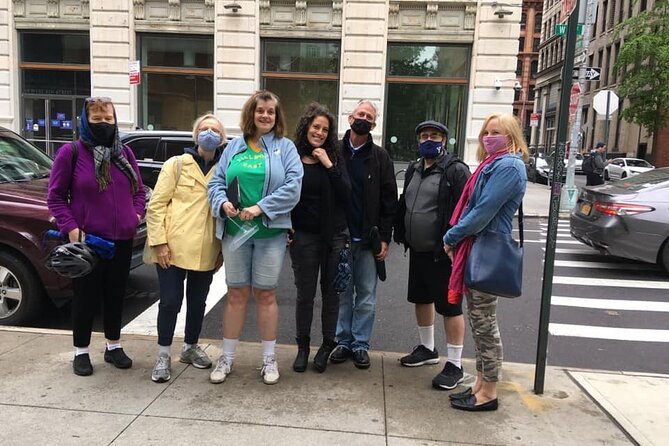
The East Village can seem like it changes faster than the rest of Manhattan. But music leaves fingerprints. On this walk, the city becomes a timeline: cheap apartments, crowded rooms, and the feeling that you had to show up in person to catch the next big thing. You’re not just reading names. You’re walking the geography that shaped them.
What makes this tour work is the mix of big-name venues and smaller rooms that mattered to working musicians. You’ll hear about stages where famous artists hit milestones, plus the lesser-known spots where bands cut their teeth and found their first momentum. That combination helps you understand how careers actually grow—one show, one crowd, one night at a time.
And because you’re walking, you get something you don’t get from a bus tour: quick turns, short distances, and the sense of how venues cluster in real neighborhoods. It’s an easy way to make the East Village feel understandable on day one.
Meeting at 105 2nd Ave and finishing by Washington Square Park
You’ll start at 105 2nd Ave at 11:00 am. The tour ends in front of what used to be The Bottom Line, down the block at 15 E 4th St. It’s right near Washington Square Park and close to the R/W trains, which is handy when you want to roll right into lunch or keep exploring after the walk.
The “two hours approx.” timing is realistic for a route that moves through several site locations. Expect a steady walking pace with stops for context and photos. Wear shoes you can move in for a couple hours—this is Manhattan, so even if the route isn’t long, the walking adds up.
If you’re planning dinner, I’d book something after your tour end time rather than right at it. The route finishes in a convenient area, but you’ll still want a little buffer.
Fillmore East: how a venue location becomes a rock story
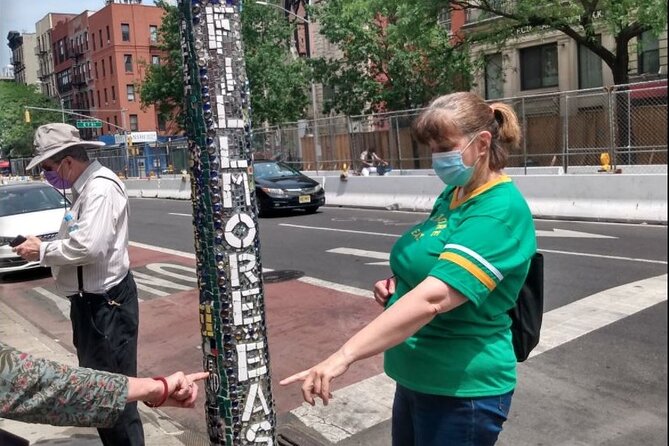
The walk begins with the legendary Fillmore East area. This is one of those places that’s famous enough to be name-checked everywhere, but the tour’s value is connecting the name to the street logic of the neighborhood. You get a sense of why certain rooms became targets for artists and fans: the density, the foot traffic, and the night-out culture that kept bringing people back.
You’ll also hear about major acts associated with Fillmore East. The tour highlights the kind of show energy that made rock feel bigger than a single band or a single chart moment. It’s not just that big artists played there—it’s that the venue helped shape expectations for live performance in New York.
What to watch for: when you’re on the sidewalk at a former venue site, take a minute to imagine the crowd flow. Even without a building you can enter, your brain fills in the gaps when the guide keeps the story grounded in what the neighborhood would have been doing at the time.
Possible drawback here: since the stop is about a site, not an operating venue, you won’t see the original stage doors or lobby layout. If you love architectural details, you may wish you could walk inside—though the tradeoff is that you get multiple stops and bigger context.
New York City on foot, a few more routes

CBGB’s: hearing Patti Smith’s era in the street locations
Another anchor on the route is the long-gone CBGB’s. This is where the tour goes beyond famous names and starts sounding more like a map of an actual scene. CBGB’s was a magnet for artists who wanted a room where the music came first, and the tour connects that vibe to the East Village’s larger creative ecosystem.
You’ll also get specific 1970s references—like the era around Patti Smith and the Horses moment—used as anchor points for what was happening culturally. Instead of telling you only that someone famous played there, the guide frames why those performances mattered, in terms of attention, momentum, and the way a scene can launch careers.
How to make this stop click: listen for how the guide talks about the room’s role in the broader music economy. These weren’t just concerts. They were milestones that changed what came next for artists and for fans deciding where to spend their nights.
The Bottom Line: from venue sites to Born to Run energy
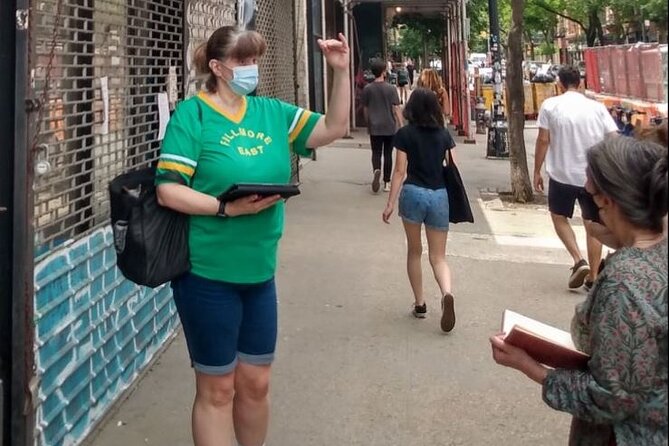
The tour includes The Bottom Line, and it’s also the endpoint, which is a nice way to let the story land. You’ll revisit the idea of a venue as a career catalyst—especially with the tour’s reference to Bruce Springsteen’s Born to Run breakthrough era.
That kind of detail helps you understand why the neighborhood mattered to people at the time. The East Village wasn’t only about famous headlines. It was about the moments when a new sound hits hard enough that the room feels like it’s changing the future in real time.
Because the tour ends by the former Bottom Line site, you’ll likely finish with a stronger sense of where you are in the neighborhood. If you want to keep exploring afterward, this stop is also a good “stand and think” moment before you head toward Washington Square Park or hop back on the subway.
One practical note: this is a walking tour, so you may not have long photo moments at every stop. Bring your phone camera, sure, but also be ready to listen first—some of the best details are the ones you hear while you’re standing there.
Smaller 1970s rooms: Club 82, On the Rocks, and Great Gildersleeves
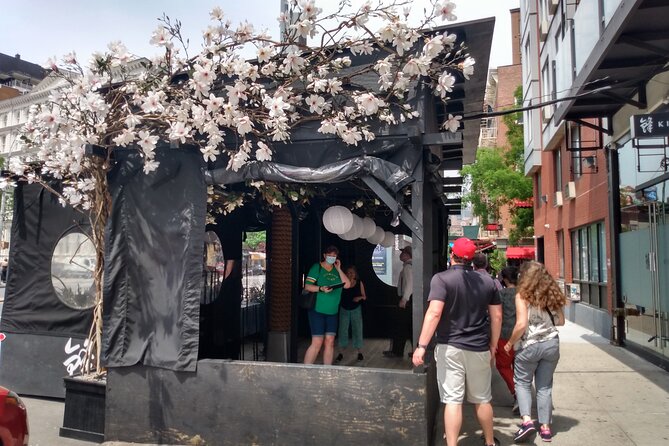
What I like most about this tour is that it doesn’t treat the East Village like a museum of only the biggest headlines. It includes stops tied to smaller (but meaningful) venues such as Club 82, On the Rocks, and Great Gildersleeves.
Those names matter because they represent the “in-between” stage of music careers. Big venues can be the payoff, but smaller rooms are where bands sharpen their craft, build a following, and test what works with real crowds. This tour uses those sites to show you that the path to stardom often has lots of rooms on it before the spotlight arrives.
Even if you’re not a hardcore music historian, these stops give you a more complete picture of the scene. You end up understanding the ecosystem: headline acts don’t appear out of nowhere; they connect to a network of stages where artists learn how to command a room.
Drawback to consider: if your main goal is only the ultra-famous venues, you might find some of the smaller stops feel like bonus context rather than main events. For me, that bonus context is the point, because it makes the neighborhood story more believable and more human.
Infinity and disco: the 1979 fire that changed a club’s life
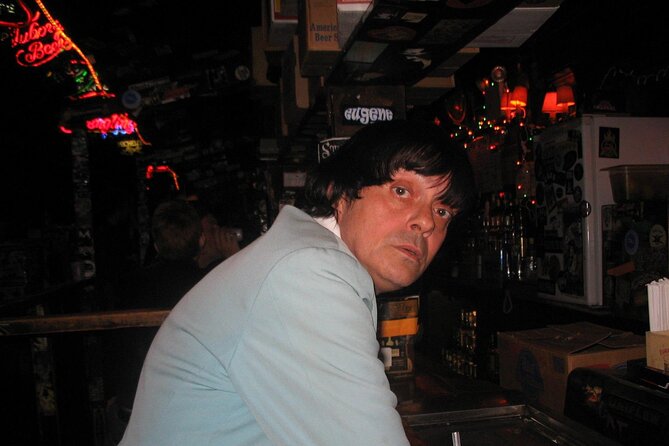
The tour also touches disco via the site of Infinity, a dance club destroyed by fire in 1979. That addition is more than a fun sidebar. It helps you see that 1970s music culture in New York wasn’t only rock guitar lore—it also had nightlife turns, fashion shifts, and dance-floor communities that mattered to the city’s soundscape.
The guide’s framing around the 1979 fire adds a note of reality: venues don’t last forever. That makes the site locations feel more poignant, because you’re not only seeing where music happened—you’re seeing where it ended.
What you’ll get here: a sense that different scenes overlapped in the same neighborhood, and that the nightlife economy could change quickly due to events outside anyone’s control.
Value check: is a $50, 2-hour East Village walk a good deal?
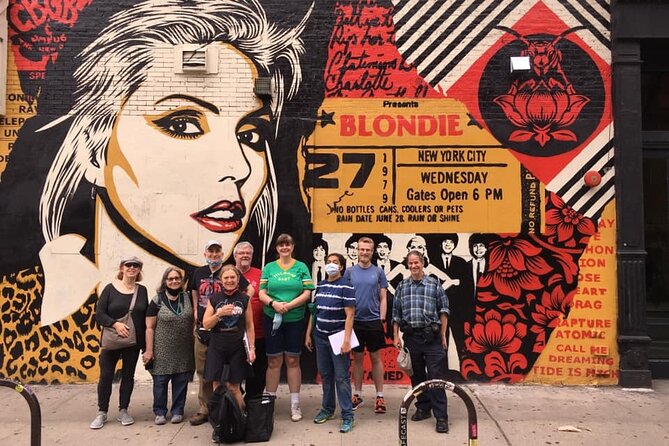
At $50 per person for roughly two hours, this isn’t a bargain-price free-for-all. You’re paying for structure and storytelling: a route with multiple recognizable music locations and a guide who can connect the dots between them.
Here’s how I judge the value. First, the 12-person cap keeps the experience personal. Second, the stops are packed: you get major venues (Fillmore East, CBGB’s, The Bottom Line) plus additional sites (Club 82, On the Rocks, Great Gildersleeves) and a disco-related location (Infinity). For a walking tour, that’s a lot of ground covered without turning into a sprint.
Also, the tour uses a mobile ticket, so you’re not dealing with printed passes or last-minute paperwork. That may sound small, but it reduces friction when you’re already trying to stay on schedule.
If you’re in New York for a short visit and you want one focused way to understand a specific corner of music history, this price can make sense. If you’re a traveler who prefers to wander on your own with maps and articles, you might feel this is more guided than you need.
How to get the most from the walk (and not miss the good parts)
This tour works best if you lean in while standing still for a moment. A lot of the payoff is in short bursts: one street location, one story thread, then moving on.
A few practical tips that help:
- Bring comfy shoes and plan for real sidewalk time, not museum pacing.
- Have a few artists/eras in mind (rock, punk-adjacent history, disco) so the references land faster.
- If you like photos, wait for the guide’s pause rather than snapping nonstop while moving.
- Ask questions. The small-group size is there for a reason, and the pace supports conversation.
If you’re the type of person who turns music history into a playlist, this walk can also help you connect the songs to places and time periods. That kind of mental “bookmarking” is what makes the route feel satisfying afterward.
The one hiccup to know: a no-show report and what it means for you
The rating is strong (about 4.7 out of 5) and the tour is recommended by 92% of people. That tells me the overall experience is generally positive: people like the idea, the route, and the way the music story gets told on foot.
Still, there’s one serious drawback noted: a reported no-show situation where no guide arrived and messages weren’t answered in time. The situation also included a later offer related to making it right, but it was described as too late to fully fix the trip timing for that person.
What should you do with that information? Don’t panic, but do be practical:
- Arrive a few minutes early at 105 2nd Ave.
- If anything seems off, try contacting the tour support quickly rather than waiting.
- If you’re traveling on a tight schedule, keep that in mind when you book other plans around the tour.
Most of the time, you can expect the tour to run smoothly. But this one report is a reminder that even well-rated tours can have an occasional mishap.
Who should book this East Village 1970s music venues tour
Book it if you want:
- A focused, walkable way to learn the East Village music scene without needing to research each stop yourself
- The chance to connect famous names to actual street locations
- A small-group format that supports questions rather than nonstop rushing
I think it’s especially good for first-time visitors who want a cultural “map” of the neighborhood. It also suits music fans who like hearing how different scenes overlapped—rock venues, punk-adjacent energy, and disco nightlife—all in one area.
If you don’t like walking, or you need a tour that includes inside-the-building access, you might find this more limiting. The value here is the outside sites and the stories tied to them.
Should you book it?
If your goal is to understand why the East Village mattered to 1970s music—using real venue sites like Fillmore East, CBGB’s, and The Bottom Line—this tour is a smart use of time. The small group cap, concentrated route, and the mix of famous and smaller rooms make it feel more complete than a single-venue walk.
I’d book it if you’re comfortable with a street-level experience and you can handle a little weather risk. The price is reasonable for a guided, two-hour route with multiple landmarks and context.
If you can’t be flexible on timing or weather, plan other backup activities. But otherwise, this is the kind of tour that makes you leave the neighborhood seeing it differently.
FAQ
How long is the Walking Tour of 1970’s Music Venues of the East Village?
The tour is about 2 hours.
How much does the tour cost?
It costs $50.00 per person.
What’s the group size limit?
The tour has a maximum of 12 travelers.
Where do I meet the tour, and where does it end?
You start at 105 2nd Ave, New York, NY 10003, and you end in front of what used to be The Bottom Line at 15 E 4th St, New York, NY 10003.
Is the tour offered in English, and do I get a mobile ticket?
Yes. The tour is offered in English, and you’ll receive a mobile ticket.
What if the weather is bad or I need to cancel?
The tour requires good weather. If it’s canceled due to poor weather, you’ll be offered a different date or a full refund. You can cancel for free up to 24 hours in advance for a full refund.
More Tours in New York City
- Statue of Liberty and Ellis Island Tour: All Options★ 5.0 · 13,571 reviews
- New York in One Day Guided Sightseeing Tour★ 5.0 · 13,166 reviews
- Central Park Pedicab Guided Tours★ 5.0 · 7,108 reviews
- New York City: Manhattan Helicopter Tour★ 4.7 · 7,076 reviews
- Private Central Park Pedicab Tour★ 5.0 · 6,981 reviews
More Tour Reviews in New York City
- NYC: SUMMIT One Vanderbilt Tickets★ 4.7 · 51,195 reviews
- NYC: Empire State Building Tickets – Observatory & Museum★ 4.7 · 25,757 reviews
- New York City: Statue of Liberty & Ellis Island with Ferry★ 4.6 · 18,683 reviews
- New York City: American Museum of Natural History Ticket★ 4.5 · 15,447 reviews
- Statue of Liberty and Ellis Island Tour: All Options★ 5.0 · 13,571 reviews
New York City, One Block at a Time
- SoHo, Little Italy, and Chinatown Walking Tour in New York★ 5.0 · 3,153 reviews
- Secrets of Grand Central Station Walking Tour New York City★ 5.0 · 1,796 reviews
- Greenwich Village Walking and Food Tasting Tour★ 5.0 · 1,572 reviews
- Artistic, Alternative Greenwich Village Walking Tour★ 5.0 · 971 reviews
- Brooklyn Bridge & DUMBO Neighborhood Tour – from Manhattan to Brooklyn★ 5.0 · 826 reviews
Just in: the newest New York City reviews on our desk




NYC Walking Tours, compared.
 ★ 5.0SoHo, Little Italy, and Chinatown Walking Tour in New YorkFrom $393,153 reviews
 ★ 5.0Secrets of Grand Central Station Walking Tour New York CityFrom $391,796 reviews
 ★ 5.0Greenwich Village Walking and Food Tasting TourFrom $941,572 reviews
 ★ 5.0Artistic, Alternative Greenwich Village Walking TourFrom $39971 reviews
 ★ 5.0Brooklyn Bridge & DUMBO Neighborhood Tour – from Manhattan to BrooklynFrom $49826 reviews
 ★ 5.0Central Park Guided Walking TourFrom $44774 reviews
 ★ 4.6Private Walking Tour with a LocalFrom $55771 reviews
 ★ 5.0NYC Lower East Side Walking and Food TourFrom $94646 reviews