
Reviewed · SOHO, CHINATOWN & LITTLE ITALY TOURS
3 Neighborhoods Tour: Soho, Chinatown & Little Italy
SoHo, Chinatown, and Little Italy in one route. This 3 Neighborhoods Tour connects Manhattan’s changing street life with architecture, food cues, and an especially memorable thread about queer artists, the Mob, and activists pushing back. I especially like how it mixes real street-level sights (Greene Street, landmark buildings, temple steps) with short tasting moments so the history sticks. One thing to keep in mind: it’s a compact, fairly paced walking tour, and food isn’t guaranteed to be available at every vendor.
You’ll cover three very different neighborhoods in just 2 hours, so the “value” is in the guidance and smart stop order—not in lingering. A possible drawback is that you’ll want to have cash on hand for the food tastings, and you should be comfortable moving through crowds and tight sidewalks.
In This Review
- Key highlights worth your attention
- Starting at Duarte Square: a tight 2-hour route with a big mix of stories
- SoHo’s Greene Street architecture, plus the neighborhood’s real-estate story
- A quick Nolita reset: local bakery tastings in the middle of the walk
- Little Italy on the Mulberry Street lane: heritage you can taste
- Chinatown’s Mahayana Buddhist Temple: the Golden Buddha moment
- The Original Chinatown Ice Cream Factory, Doyer Street, and bargaining energy
- Dumplings at the end, and a Five Points story you can’t unhear
- Price and what you actually get for $39
- Who this tour suits best (and who should skip it)
- Should you book this 3 Neighborhoods Tour?
- FAQ
- Where does the tour start?
- Where does the tour end?
- How long is the tour?
- What is included in the price?
- Are food and drinks included?
- What should I bring?
- What is the tour like in bad weather?
- Are there any places or items not allowed?
- What’s the policy if I cancel?
Key highlights worth your attention
- SoHo’s architectural hits: You’ll walk the Greene Street corridor and see landmark buildings tied to the neighborhood’s rise.
- Little Italy’s food-first vibe: The tour aims straight at the classic comfort foods and the people who still keep the area’s identity.
- Chinatown’s Mahayana Temple + Golden Buddha: A standout visual moment at the temple, plus more Chinatown texture afterward.
- Quirky, serious storytelling: The route includes the lives of queer artists and poets, then the Mob’s profits from queer nightlife and how activists fought back.
- Manhattan Bridge + Doyer Street context: You get a sense of how Chinatown’s streets changed over time.
- A dumpling finish at Columbus Park: The end point feels like a natural wrap-up, with one last taste and a historical tie-in.
Keep tasting downtown: SoHo, Chinatown and Little Italy
- SoHo, Little Italy, and Chinatown Walking Tour in New York
★ 5.0 · 3,153 reviews - NYC: Chinatown & Little Italy Food Tour with 7 Flavorful Tastings
★ 5.0 · 2,733 reviews - Original NYC Guided Food Tour of Chinatown and Little Italy
★ 5.0 · 2,194 reviews - NYC Food Tour: Chinatown and Little Italy
★ 5.0 · 1,090 reviews
Starting at Duarte Square: a tight 2-hour route with a big mix of stories
The tour starts at Duarte Square, then you move through SoHo, Little Italy, and Chinatown with a local guide leading you at a steady walking pace. The total time is about 2 hours, which means you won’t “see everything,” but you will get a clean cross-section of what makes each area distinct.
I like the way the stops are spaced for short attention spans: you’ll get landmark viewing, then a short break, then food-focused moments. It also helps that the tour is designed for all weather conditions, so you’re not left wondering what happens if clouds roll in.
You should expect a decent amount of walking. Bring comfortable shoes, and plan to stand on sidewalks for photos and quick orientation. If you hate walking tours or need long rests, this one may feel rushed.
SoHo’s Greene Street architecture, plus the neighborhood’s real-estate story
SoHo is the first act, and it’s chosen for a reason: the neighborhood looks like a live museum, but it’s also about money and change. You’ll spend about 50 minutes here, with time for sightseeing, shopping-window wandering, and the kind of building details most people miss when they just cut through.
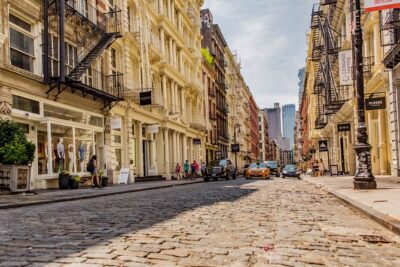
A big focus is architecture—you’ll walk Greene Street, where the streetscape helps you understand why SoHo became such a magnet. This tour also points out how the area’s real estate story shaped what you see today, which makes the neighborhood feel less like a postcard and more like a timeline.
Two specific stops anchor the walk:
- The Haughwout Building
- The Old Police Station
These aren’t just names to collect. They give you a sense of why SoHo’s physical look became part of its identity. And the guide also threads in cultural stories while you walk—so you’re not only looking at brick and iron. The tour’s highlight includes hearing about the lives of queer artists, poets, and radicals in the city, plus later details about how the Mob profited off queer nightlife and how activists fought back. It’s the kind of context that changes how you read a neighborhood’s vibe.
A quick Nolita reset: local bakery tastings in the middle of the walk
Right after SoHo, the tour makes a short food break. You’ll stop at a local bakery for about 5 minutes, then later there’s another break for tasting tied to a “hidden gem” moment (about 10 minutes).
One reason I like this pacing: it gives you a chance to cool down, grab something sweet or snack-sized, and reset your energy before Little Italy gets louder and smellier. There’s even a quick mention of sampling cheesecake during this stretch, which sets the tone for the tour’s pattern: short taste, quick story, then back on your feet.
Practical note: food tasting breaks are part of the experience, but food and drinks aren’t included in the price. That’s why having cash helps. Also, there’s no guarantee food vendors will be operating, so don’t build your day around one specific snack being available.



Little Italy on the Mulberry Street lane: heritage you can taste
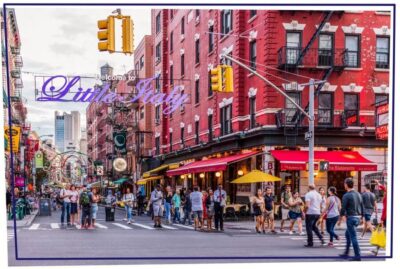
Little Italy is where the tour shifts from architecture to appetite. You’ll spend about 35 minutes here, with stops designed to show the area’s heritage and its classic flavors.
The tour route emphasizes street-level favorites like:
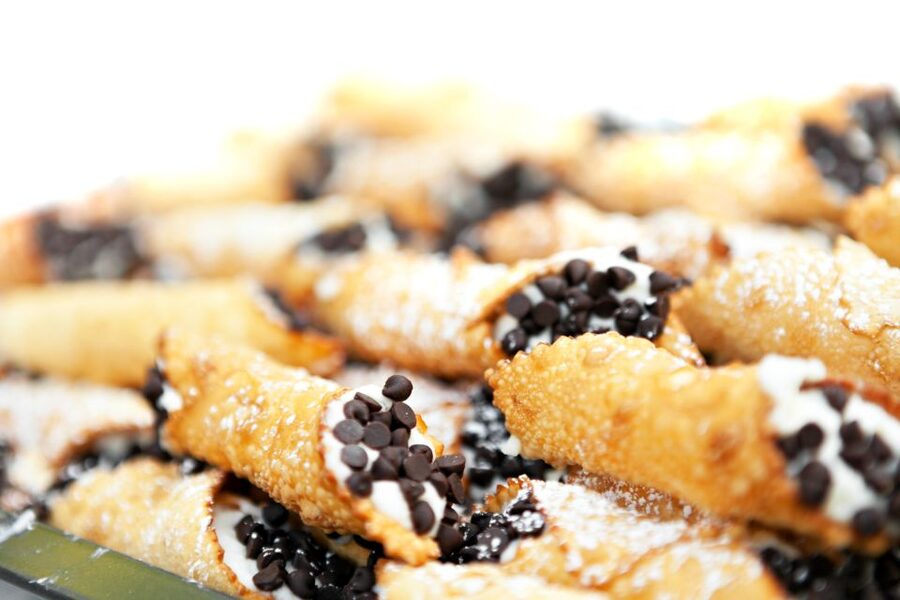
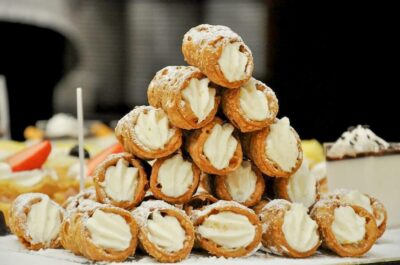
- cannolis
- gelato
- pizza
- and other local bites
You’ll also spend time around Mulberry Street, including a chance to mingle with locals and get the inside scoop on famous spots. That’s a key value point: you’re not just following a map—you’re learning what people actually point to when they’re showing friends around.
Little Italy’s atmosphere is often described as festive, but the tour makes it more concrete by connecting it to the neighborhood’s identity, not just its menus. And if you’re the type who likes a theme, this is where the tour’s bigger story line starts to feel complete. The guide’s narrative about queer nightlife, power, and activism doesn’t stay trapped in history books—it becomes part of how you understand why certain neighborhoods developed the way they did.
Chinatown’s Mahayana Buddhist Temple: the Golden Buddha moment
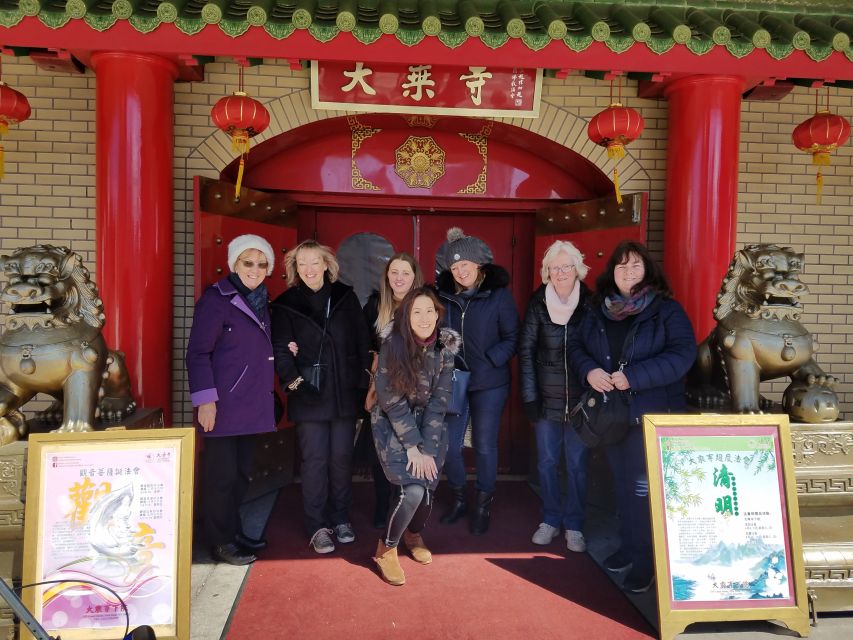
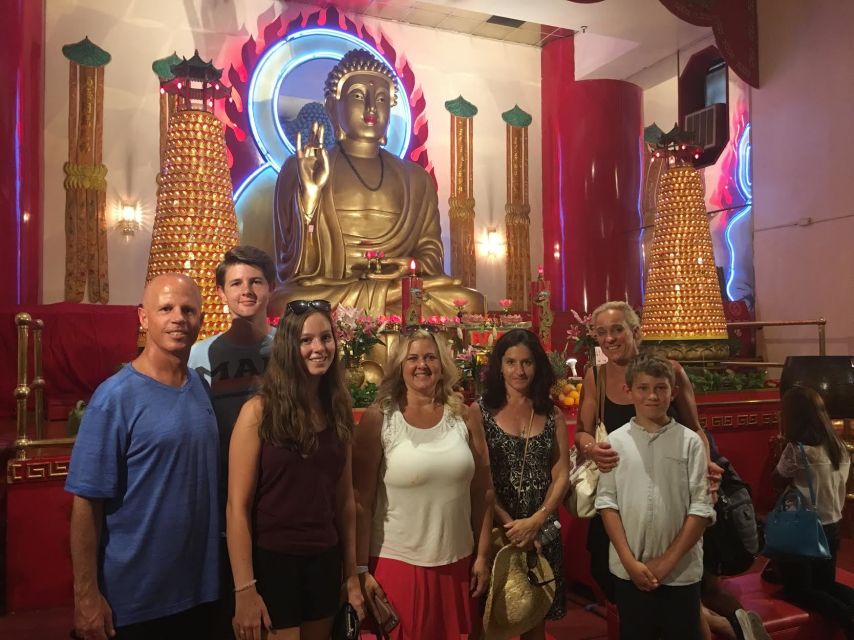
Chinatown is the last neighborhood on the route, and it starts with a strong visual anchor: the Mahayana Buddhist Temple. You’ll get a peek at the 16-foot Golden Buddha, which is the kind of stop that changes your whole perspective.
This is one of the easiest “wow” moments to appreciate even if your photo skills are average. Seeing something that large up close makes Chinatown feel more than just a food stop—it becomes a lived-in place with religious and cultural weight.
The walk then connects you to Chinatown’s street core. The tour includes a passage near the Manhattan Bridge, and then you’re guided into the neighborhood’s busy heart. If you’re coming in expecting a purely tourist lane, this part helps you understand why locals still rely on these streets for daily rhythms.
The Original Chinatown Ice Cream Factory, Doyer Street, and bargaining energy
Chinatown’s pace picks up, and the tour uses that energy well. You’ll enjoy treats from The Original Chinatown Ice Cream Factory, then walk down Doyer Street to see where Chinatown’s story leads next.
Doyer Street is treated as a “changed over time” marker. The guide explains how the neighborhood has evolved, and that makes it easier to separate what you’re seeing now from what this area once was known for.
The tour also includes learning about where Chinatown got its start and points out that this is a place where you can find bargains. That’s useful advice because Chinatown is one of those areas where a little confidence goes a long way: you’ll learn when to browse slowly, when to compare, and how to spot what’s worth your attention.
Dumplings at the end, and a Five Points story you can’t unhear
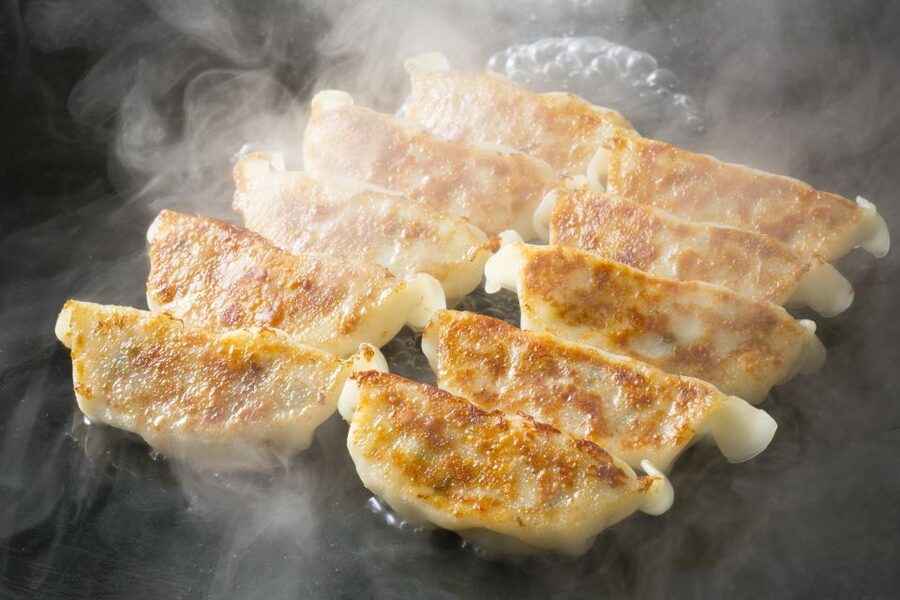
The tour ends at Columbus Park, wrapping up with a traditional dumpling finish (about a 5-minute food stop at a local restaurant). Ending with food is smart here. It gives you a final taste while the guide lands the historical thread tied to the neighborhood’s reputation.
One final topic stands out: the tour includes a discussion of Five Points, a legendary Manhattan area tied to big-city trouble and reinvention. Even if you’ve heard the name before, the way it’s connected at the end helps it click with the neighborhoods you just walked through.
If you like your history human-sized—focused on streets, power, and daily life—this ending works. You’re not dropped into a museum; you’re standing on a real corner.
Price and what you actually get for $39
At $39 per person for 2 hours, you’re paying mainly for three things:
- A local guide who connects landmarks and neighborhood change.
- A route that efficiently links SoHo → Little Italy → Chinatown.
- Food tasting moments that help anchor the stories (even though food and drinks aren’t included).
That last part matters for your budget. The experience is built around tastings, but you should plan to spend extra if you want a full snack or extra drinks. Bring cash so you’re not stuck at a register trying to make a decision on the spot.
Is it “worth it” if you’re a careful planner? Yes, if you like learning while walking and you want help reading the neighborhoods fast. If you already know these areas well or you hate crowds and short stops, you might feel like it’s too tight for your style.
Who this tour suits best (and who should skip it)
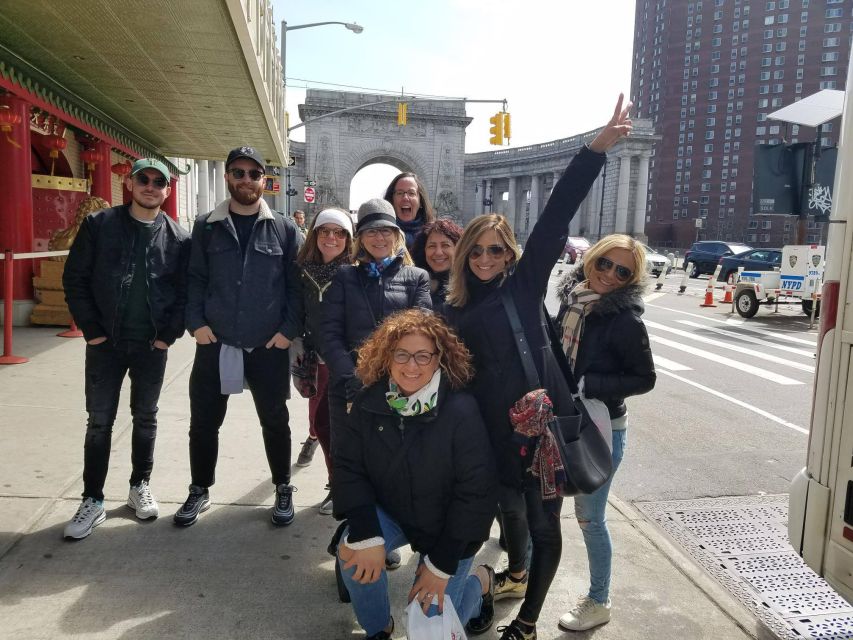
This tour is a strong fit if you:
- want to see three major Manhattan neighborhoods in one afternoon
- like history tied to what you can literally point at on the street
- enjoy short food moments and don’t need full meals included
- want a guide who can explain the role of queer artists and nightlife in the city’s story, including the Mob vs. activist pushback theme
It may not be your best choice if you:
- need lots of downtime between stops
- can’t handle a fairly walking-heavy route
- expect food to be included in the price every time (food availability can vary)
Should you book this 3 Neighborhoods Tour?
I’d book it if you’re the kind of traveler who wants your NYC time to feel organized: a clear route, real landmarks, and stories that go beyond the usual postcard version of the city. The biggest win is the combination of architectural SoHo, food-forward Little Italy, and Chinatown’s temple-and-street context, all tied together with a guide narrative that includes queer nightlife and activism.
Skip it if you want long, relaxed browsing or if your day is built around minimizing walking and spending. For a first-time or mid-trip Manhattan reset, this one is an efficient pick.
If you go, do two things: wear good shoes, and bring cash so the tasting moments don’t get awkward.
FAQ
Where does the tour start?
The meeting point is Duarte Square.
Where does the tour end?
The tour finishes at Columbus Park.
How long is the tour?
It lasts about 2 hours.
What is included in the price?
A local guide is included.
Are food and drinks included?
No. Food and drinks are not included, though the tour has tasting breaks during the walk.
What should I bring?
Bring comfortable shoes and cash.
What is the tour like in bad weather?
It operates in all weather conditions. Dress appropriately, since it’s still a walking tour.
Are there any places or items not allowed?
Pets aren’t allowed, and weapons or sharp objects, oversize luggage, and large bags aren’t allowed.
What’s the policy if I cancel?
You can cancel up to 24 hours in advance for a full refund.
More Tours in New York City
- Statue of Liberty and Ellis Island Tour: All Options★ 5.0 · 13,571 reviews
- New York in One Day Guided Sightseeing Tour★ 5.0 · 13,166 reviews
- Central Park Pedicab Guided Tours★ 5.0 · 7,108 reviews
- New York City: Manhattan Helicopter Tour★ 4.7 · 7,076 reviews
- Private Central Park Pedicab Tour★ 5.0 · 6,981 reviews
More Tour Reviews in New York City
- NYC: SUMMIT One Vanderbilt Tickets★ 4.7 · 51,195 reviews
- NYC: Empire State Building Tickets – Observatory & Museum★ 4.7 · 25,757 reviews
- New York City: Statue of Liberty & Ellis Island with Ferry★ 4.6 · 18,683 reviews
- New York City: American Museum of Natural History Ticket★ 4.5 · 15,447 reviews
- Statue of Liberty and Ellis Island Tour: All Options★ 5.0 · 13,571 reviews
Downtown Bites: SoHo to Little Italy
- SoHo, Little Italy, and Chinatown Walking Tour in New York★ 5.0 · 3,153 reviews
- NYC: Chinatown & Little Italy Food Tour with 7 Flavorful Tastings★ 5.0 · 2,733 reviews
- Original NYC Guided Food Tour of Chinatown and Little Italy★ 5.0 · 2,194 reviews
- NYC Food Tour: Chinatown and Little Italy★ 5.0 · 1,090 reviews
- NYC: Chinatown and Little Italy Food Tour★ 4.7 · 703 reviews
Just in: the newest New York City reviews on our desk





SoHo, Chinatown & Little Italy Tours, compared.
 ★ 5.0SoHo, Little Italy, and Chinatown Walking Tour in New YorkFrom $393,153 reviews
 ★ 5.0Chinatown & Little Italy Food Tour with 7 Flavorful TastingsFrom $992,733 reviews
 ★ 5.0Original NYC Guided Food Tour of Chinatown and Little ItalyFrom $1302,194 reviews
 ★ 4.7Chinatown and Little Italy Food TourFrom $80703 reviews
 ★ 4.7SoHo, Little Italy, and Chinatown Guided TourFrom $30614 reviews
 ★ 4.6SoHo, Little Italy, and Chinatown 2-Hour Guided WalkFrom $39566 reviews
 ★ 5.0SoHo, Little Italy, and Chinatown NYC Guided Walking TourFrom $36443 reviews
Browse the lists this tour appears in