
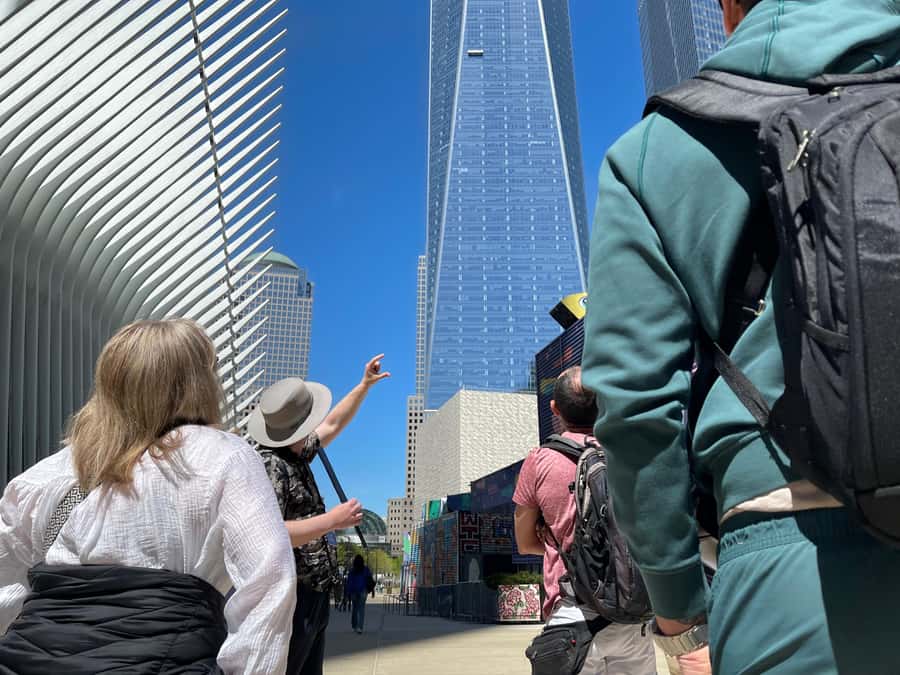
Reviewed · 9/11 MEMORIAL & GROUND ZERO TOURS
9/11 Ground Zero Walking Tour
A place like this asks for care, not just sightseeing. This 9/11 Ground Zero walking tour is 1.5 hours of guided storytelling from City Hall Park to the memorial pools, with stops that connect the day’s tragedy to the city’s recovery. I love that the guide keeps the focus human—on heroes, survivors, and victims—and I also like how the route links major landmarks so you’re not just staring at names and dates. One consideration: the topic is emotionally heavy, so if you need a lighter day, you may want to think twice.
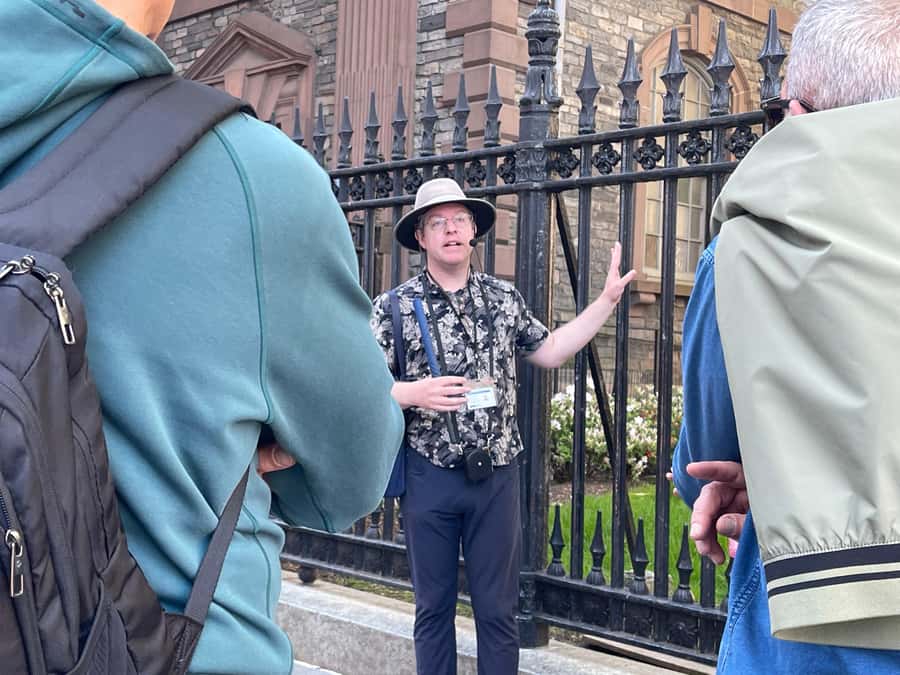
You’ll meet your guide at the Jacob Wrey Mould Fountain in City Hall Park, then walk through key sites like Saint Paul’s Chapel and the Oculus before you enter the official memorial. The tour highlights Reflecting Absence (Michael Arad), the footprints of the Twin Towers, and details people often miss. The group stays moving, but the tradeoff is you won’t have unlimited time to linger in every corner of the memorial.
In This Review
- Quick takeaways
- Meeting at City Hall Park: getting oriented fast
- The story on the walk: heroes, survivors, and what changed
- Saint Paul’s Chapel: the oldest shelter and a turning point
- Seeing the Oculus and the new World Trade Center
- Entering the memorial: Reflecting Absence by Michael Arad
- Twin Towers footprints and what you learn from the pools
- Liberty Park and The Sphere: honoring memory in a public space
- The Glade and the Survivor Tree: where the story bends toward resilience
- One World Trade Center: seeing rebuilt New York in real time
- Price and value: what $40 buys in 90 minutes
- Who this tour suits best (and who should reconsider)
- Practical tips before you go
- Should you book the 9/11 Ground Zero Walking Tour?
- FAQ
- Where does the tour meet?
- How long is the 9/11 Ground Zero walking tour?
- What is included in the tour?
- Is One World Trade Center part of the tour?
- What are the main memorial highlights?
- What should I bring?
- Is the tour wheelchair accessible?
- What language is the tour guide using?
- Is guide gratuity included in the price?
Quick takeaways
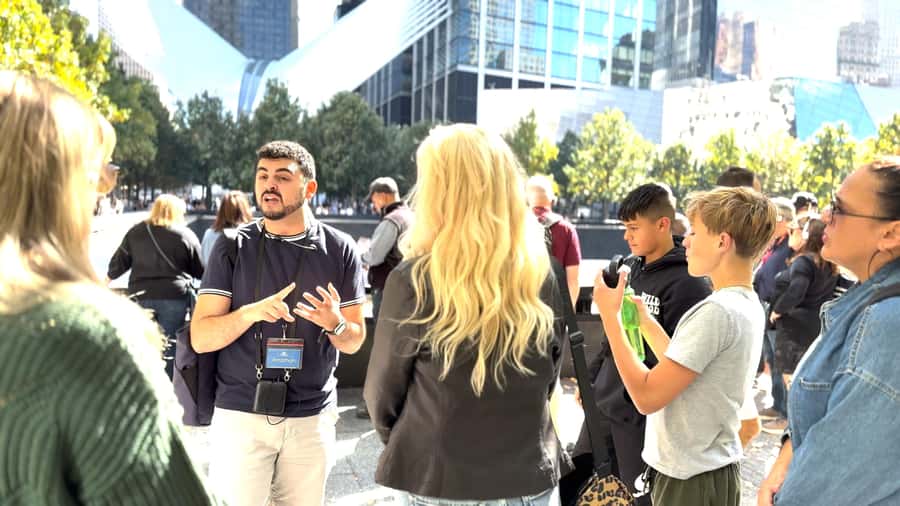
- Tight, focused route: City Hall Park to the memorial, plus major Ground Zero landmarks, in about 90 minutes.
- Expert local guidance: You’re not just reading plaques; your guide explains what you’re looking at and why it matters.
- Iconic anchor points: Reflecting Absence (Michael Arad) and the twin-tower footprints pool complex.
- Memorial details that can be missed: FDNY Memorial Wall, Liberty Park’s The Sphere area, The Glade, and the Survivor Tree.
- Modern skyline context: You’ll also see One World Trade Center, tying grief to present-day New York.
- Rain or shine: Comfortable shoes matter because this is a real walking tour.
More ways to visit Ground Zero and the memorial
- NYC: One World Observatory Skip-the-Line Ticket
★ 4.7 · 12,329 reviews - 9/11 Memorial, Ground Zero Tour with Optional 9/11 Museum Ticket
★ 5.0 · 6,381 reviews - 9/11 Memorial Museum Admission Ticket
★ 4.5 · 6,376 reviews - All-Access 9/11: Ground Zero Tour, Memorial and Museum, One World Observatory
★ 5.0 · 4,886 reviews
Meeting at City Hall Park: getting oriented fast
The tour begins at the Jacob Wrey Mould Fountain inside City Hall Park. The closest entrance is Broadway and Park Place, and you should look for your guide holding a blue flag. This is a good start because it puts you on the right streets early, before you’re trying to find your way through the area while processing everything you’re about to learn.
I like that the tour is set up to help you get oriented fast. That matters here. Ground Zero can feel like a dense tangle of buildings, barriers, and memorial spaces, and the worst feeling is walking with no story. Meeting in City Hall Park gives you a “before the memorial” frame, so the walk itself becomes part of the lesson.
The story on the walk: heroes, survivors, and what changed
From the start, the guide brings you into the account of that day with sensitive care. The goal isn’t shock value. It’s understanding—how the events of 9/11 shaped who New York is, how the nation responded, and how the world views the city.
This kind of storytelling works best when you don’t rush it. The tour is designed with short pause moments for narration and then short walks to the next stop, which helps you process what you’ve heard without feeling like you’re being lectured nonstop. If English is your second language, this pacing can be especially helpful because it gives you breathing room to follow along.
A possible drawback is the emotional weight. Even with respectful framing, you’ll be hearing about tragedy in a place that makes it hard to “distance” yourself. If you’re the type who gets overwhelmed in solemn settings, plan ahead—bring some quiet after the tour rather than trying to stack another big activity immediately.
Saint Paul’s Chapel: the oldest shelter and a turning point
One of the key stops on the route is Saint Paul’s Chapel. It’s described as the oldest continuous-use building in the city, dating back to 1766. On this tour, it’s not treated like a postcard church stop. Your guide explains how it served as a safe place during the day and in the weeks and months after as people cleared the wreckage.
That detail is why this stop earns its place. You’re not just learning a fact about age. You’re seeing how the city’s existing institutions became support systems when everything else was broken. And when you realize the chapel is still standing—still in use—it adds a grounded sense of continuity amid the loss.
If you’ve been to big museums before, this may feel more intimate than those spaces. You’re close enough to feel the urban scale: streets, sidewalks, and nearby buildings that still function like a real neighborhood.
New York City at street level, a few more walks


Seeing the Oculus and the new World Trade Center
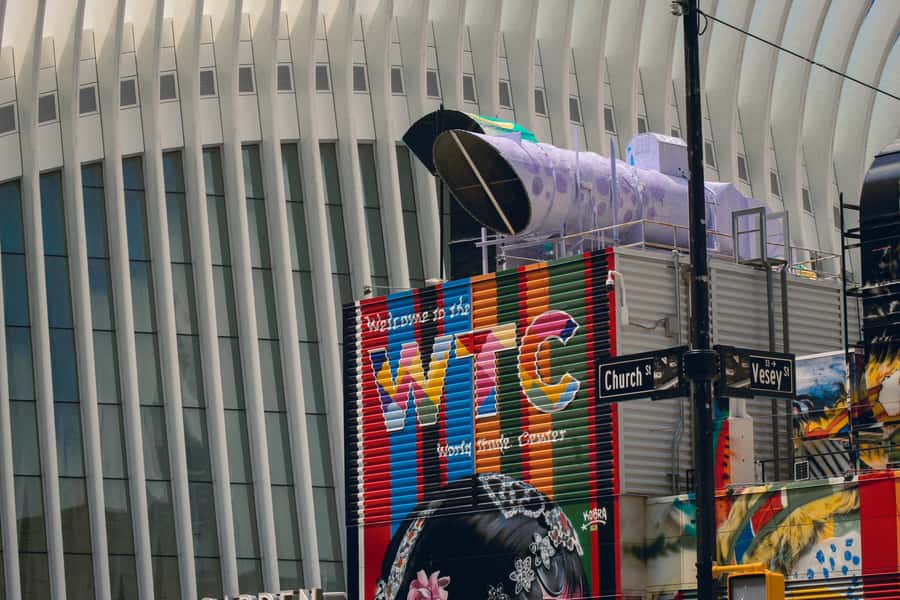
Next, you’ll move toward the Oculus, described as the new World Trade Center. This part of the tour gives you a modern contrast to what happened here—without turning it into a “look how impressive architecture is” detour.
Your guide uses these stops to connect the past to the rebuilt present. That matters because Ground Zero isn’t frozen in time; it’s part of everyday life now. The Oculus is a good example of why: it’s a visible expression of how the area was reintroduced to the city’s movement and routines.
I recommend using these moments to switch modes. After hearing the heavier accounts, let your eyes do a scan: where would crowds have moved, where would lines form, where would people gather? Even if the tour doesn’t ask you to imagine the past, your brain will naturally start mapping. That’s where the guide’s framing helps keep your thinking respectful.
Entering the memorial: Reflecting Absence by Michael Arad
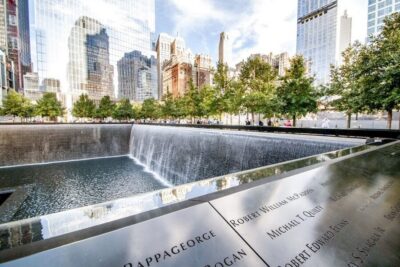
The tour includes a guided visit to the 9/11 Memorial and Ground Zero. When you enter the memorial, you’ll experience Reflecting Absence by Michael Arad, including the pools set in the footprints where the Twin Towers once stood.
This is the emotional center of the whole experience. The design is instantly recognizable, but what makes it powerful is what your guide draws your attention to. The tour focuses on details you could easily miss on your own—like how the plaques and memorial elements are arranged, and how the space asks you to slow down without instructions.
Even if you’ve seen photos online, the real thing lands differently. Water, stone, and the names of the lost can make the world feel smaller. Don’t rush your photos. Instead, let yourself notice how the memorial pulls you around—visually and physically—so your sense of where you are stays anchored.
Twin Towers footprints and what you learn from the pools
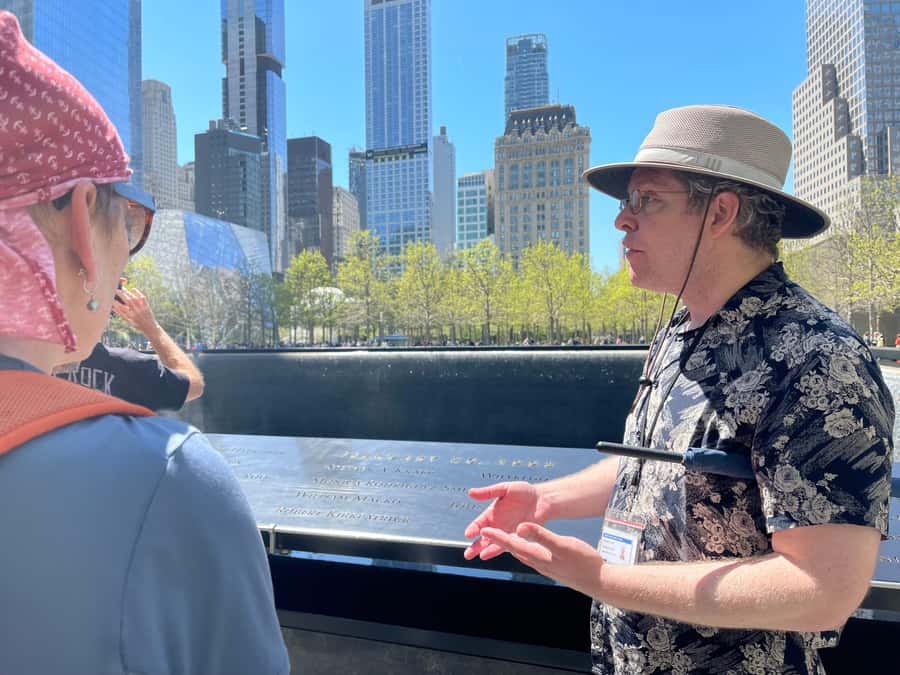
Seeing where the Twin Towers stood is built right into the tour’s flow. The pools in the footprints aren’t just a highlight; they’re the physical reminder of the geometry that vanished.
Your guide shares features and details throughout the memorial, including the plaques and the FDNY Memorial Wall. That’s important because the memorial is layered. If you only focus on one big element, you might miss the smaller pieces that often carry the most specific meaning.
One of the best ways to get value out of this kind of tour is to treat it like a guided reading session. Your guide isn’t replacing your own visiting. They’re helping you read the memorial more accurately so your next 20 minutes after the tour mean something more than generic sightseeing.
Liberty Park and The Sphere: honoring memory in a public space
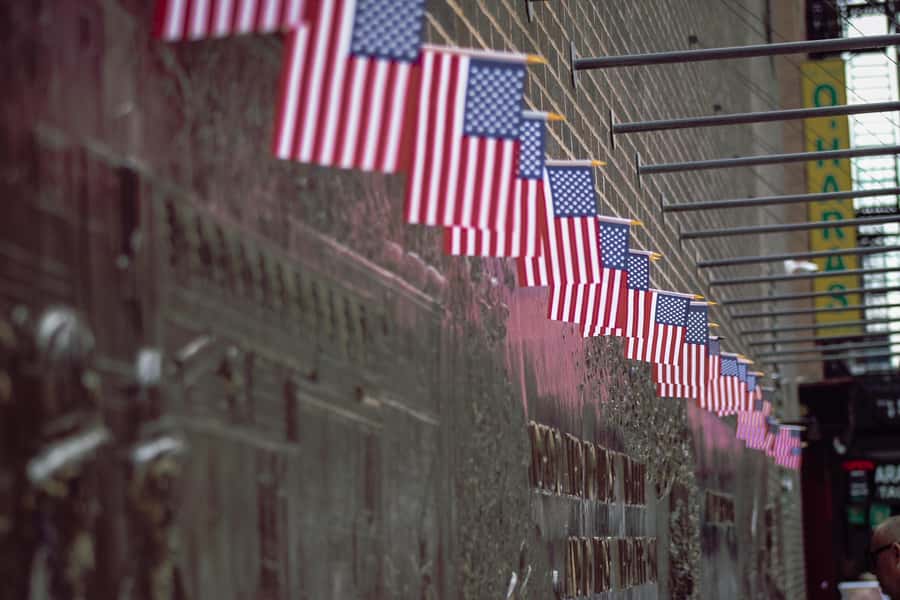
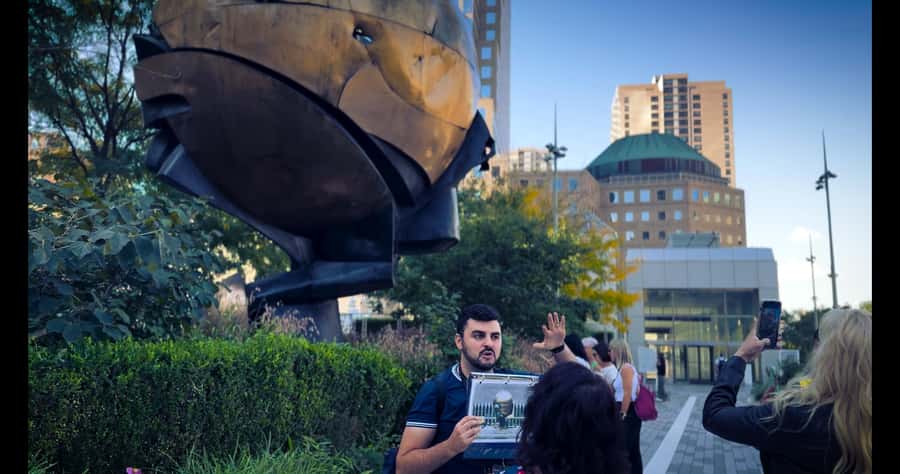
The tour also includes Liberty Park, where the sculpture known as The Sphere resides. This stop helps round out the memorial experience by showing how remembrance exists in a public, outdoor context, not only behind walls or inside galleries.
If you find yourself searching for a “breath point” during the tour—an area where your mind can settle without shutting down—that can happen here. The park setting can feel more open than the densest memorial paths, while still staying connected to the day’s story.
As always with sites like this, take cues from your guide’s tone. Don’t turn it into a casual selfie moment, even if other people around you seem to treat it differently. A quiet posture helps you keep the meaning in the foreground.
The Glade and the Survivor Tree: where the story bends toward resilience
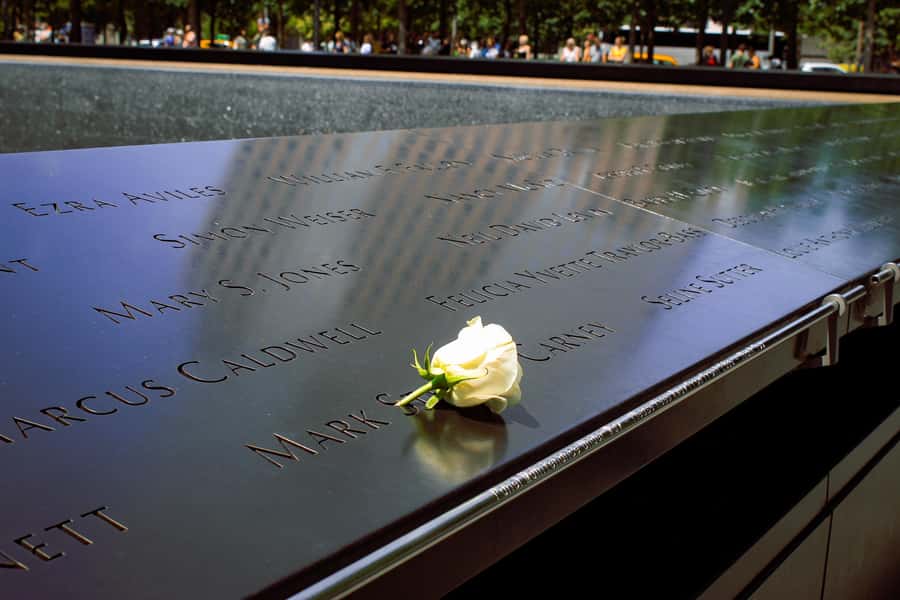
You’ll also see newer addition areas, including The Glade and finally the Survivor Tree. The tour frames these stops as part of the effort to move forward and the resilience that helped drive the revitalization and rebirth of the area.
That interpretation matters. It’s easy to walk through memorial spaces and leave with only grief. The guide helps you understand why survival and recovery belong in the same narrative. The Survivor Tree, in particular, is the kind of landmark that becomes a symbol when you hear it explained in context.
This is where you may feel the tour shifting from recounting to reflecting. If you’re carrying strong emotions, this is a good moment to slow down and let that feeling settle. It’s not a time to rush to the next stop.
One World Trade Center: seeing rebuilt New York in real time
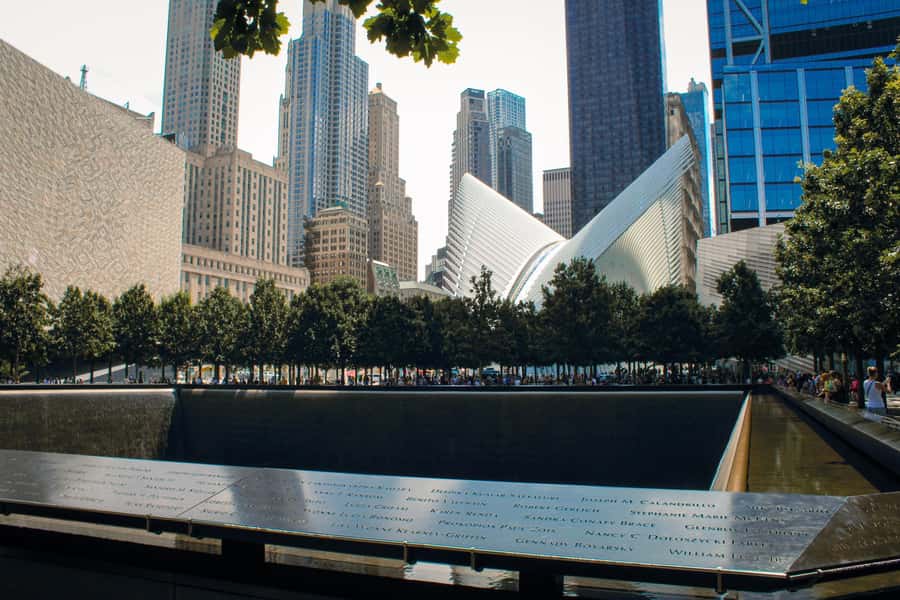
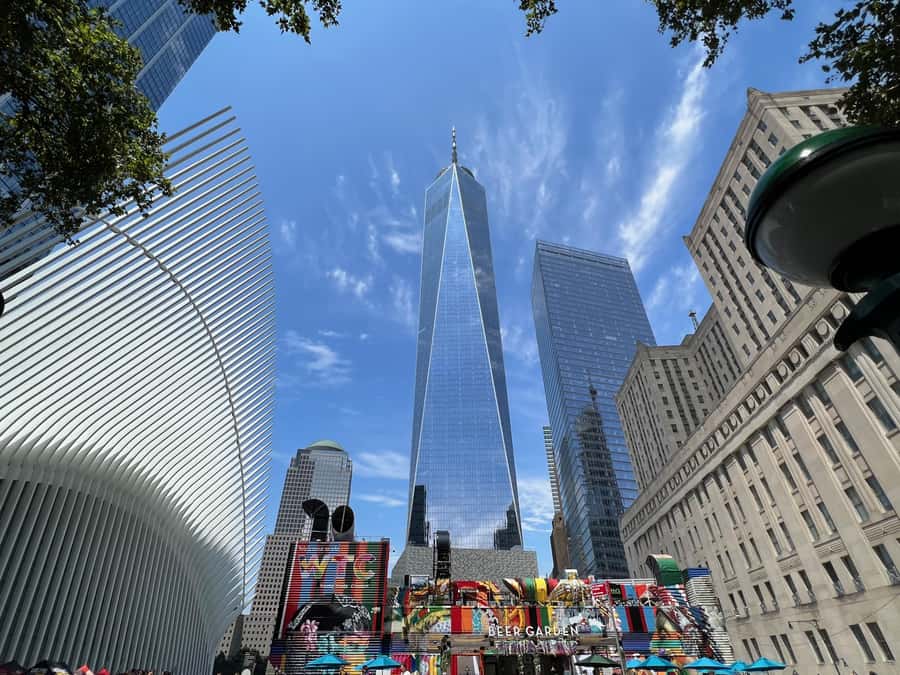
Toward the end of the experience, you’ll witness one of the tallest buildings in the world: One World Trade Center. Including it isn’t just about skyline photos. It’s a way of showing that rebuilding happened, and the area regained a visible role in global city life.
I like that this doesn’t feel like a victory lap. With the rest of the tour’s tone, the building reads differently: not as a distraction, but as proof that the city did not remain trapped in the day it lost so much.
If you’re someone who needs a clear “bookend” after heavy topics, this is a solid one. You get a final image of present-day New York before you head back to the rest of your day.
Price and value: what $40 buys in 90 minutes
At $40 per person for about 1.5 hours, this tour is priced like many guided walking experiences in Manhattan. The difference is what you’re buying: not access to a ticketed attraction, but interpretation and structure.
That structure is the value. The memorial is complex, and you don’t get a guided explanation of how the pieces connect unless you pay for a guide. In a place like this, reading plaques on your own can feel like a list. With a good guide, it becomes a story with a beginning, middle, and emotional end.
Also, because the tour includes a guided visit inside the memorial and Ground Zero, you’re not piecing together multiple plans. You get a single coherent route that covers the major anchors and the “details you could easily miss.”
The main value concern is time. Ninety minutes goes quickly. If you want to spend a long, quiet hour in the memorial pool area alone, you may find the tour’s pace a bit fast. The tradeoff is you leave with more understanding than you’d likely have from a self-guided walk.
Who this tour suits best (and who should reconsider)
This experience fits best if you want a respectful guided route that explains what you’re seeing at Ground Zero and the 9/11 Memorial. You’ll enjoy it most if you like context—if you want the names, sites, and symbols connected into one narrative instead of scattered facts.
You might want to reconsider if:
- You’re looking for a light, purely visual walk.
- You can’t handle emotional topics even with a careful guide.
- You need long stops and lots of unscheduled time inside the memorial itself.
For everyone else, it’s a strong way to visit. It’s not about checking off landmarks. It’s about understanding the place behind the landmarks.
Practical tips before you go
Wear comfortable shoes. This is a walking tour, and even with pacing breaks for storytelling, you’ll be on your feet. Also, it runs rain or shine, so plan for weather rather than hoping the sky cooperates.
Bring a flexible mindset. This tour works because it’s guided, not because it’s rushed. The more you let the guide set the pace—pausing when they ask, slowing down when you enter the memorial—the more you’ll get out of the experience.
Should you book the 9/11 Ground Zero Walking Tour?
If you want a respectful, structured introduction to Ground Zero and the 9/11 Memorial, I’d say yes. The combination of City Hall Park orientation, key stops like Saint Paul’s Chapel and the Oculus, and the memorial’s anchor works like Reflecting Absence makes this a practical way to learn without feeling lost.
Book it if you value meaning over speed, and if you’re okay with emotionally serious content presented thoughtfully. Skip it only if you’re looking for a casual sightseeing day or you know you’ll need lots of extra time alone in the memorial spaces.
If you do book, set yourself up for quiet afterward. This isn’t the kind of place where your brain fully resets in a hurry—and that’s part of why visiting with a guide is so worthwhile.
FAQ
Where does the tour meet?
Meet at the Jacob Wrey Mould Fountain inside City Hall Park. The closest entrance is Broadway and Park Place, and you should look for a guide holding a blue flag.
How long is the 9/11 Ground Zero walking tour?
The tour lasts about 1.5 hours.
What is included in the tour?
It includes a local guide, a narrated walking tour, and a guided visit to the 9/11 Memorial and Ground Zero.
Is One World Trade Center part of the tour?
Yes. The experience includes seeing One World Trade Center.
What are the main memorial highlights?
You’ll experience Reflecting Absence by Michael Arad, see the memorial pools in the footprints where the Twin Towers stood, and honor those killed in the attacks. The tour also mentions details like the plaques, FDNY Memorial Wall, Liberty Park area with The Sphere, The Glade, and the Survivor Tree.
What should I bring?
Wear comfortable shoes. The tour takes place rain or shine.
Is the tour wheelchair accessible?
Yes, the tour is wheelchair accessible.
What language is the tour guide using?
The live tour guide is in English.
Is guide gratuity included in the price?
No. Guide gratuity is not included.
More Tour Reviews in New York City
- NYC: SUMMIT One Vanderbilt Tickets★ 4.7 · 51,195 reviews
- NYC: Empire State Building Tickets – Observatory & Museum★ 4.7 · 25,757 reviews
- New York City: Statue of Liberty & Ellis Island with Ferry★ 4.6 · 18,683 reviews
- New York City: American Museum of Natural History Ticket★ 4.5 · 15,447 reviews
- Statue of Liberty and Ellis Island Tour: All Options★ 5.0 · 13,571 reviews
New York City, One Block at a Time
- SoHo, Little Italy, and Chinatown Walking Tour in New York★ 5.0 · 3,153 reviews
- Secrets of Grand Central Station Walking Tour New York City★ 5.0 · 1,796 reviews
- Greenwich Village Walking and Food Tasting Tour★ 5.0 · 1,572 reviews
- Artistic, Alternative Greenwich Village Walking Tour★ 5.0 · 971 reviews
- Brooklyn Bridge & DUMBO Neighborhood Tour – from Manhattan to Brooklyn★ 5.0 · 826 reviews
Back to Ground Zero: More to Book
- NYC: One World Observatory Skip-the-Line Ticket★ 4.7 · 12,329 reviews
- 9/11 Memorial, Ground Zero Tour with Optional 9/11 Museum Ticket★ 5.0 · 6,381 reviews
- 9/11 Memorial Museum Admission Ticket★ 4.5 · 6,376 reviews
- All-Access 9/11: Ground Zero Tour, Memorial and Museum, One World Observatory★ 5.0 · 4,886 reviews
- New York City One World Observatory Admission Ticket★ 4.5 · 2,636 reviews
Just in: the newest New York City reviews on our desk





9/11 Memorial & Ground Zero Tours, compared.
 ★ 4.7One World Observatory Skip-the-Line TicketFrom $3012,329 reviews
 ★ 5.09/11 Memorial, Ground Zero Tour with Optional 9/11 Museum TicketFrom $396,381 reviews
 ★ 4.59/11 Memorial Museum Admission TicketFrom $366,376 reviews
 ★ 5.0All-Access 9/11: Ground Zero Tour, Memorial and Museum, One World ObservatoryFrom $1094,886 reviews
 ★ 4.5New York City One World Observatory Admission TicketFrom $302,636 reviews
 ★ 4.5NYC City Tour: Statue of Liberty, 9/11 Memorial, Wall StreetFrom $392,059 reviews
 ★ 5.0NYC in a Day Tour: Lady Liberty, Times Square, Freedom TowerFrom $891,735 reviews
 ★ 4.7Ground Zero 9/11 Memorial Tour & Optional 9/11 Museum TicketFrom $391,584 reviews
Browse the lists this tour appears in