
Reviewed · SOHO, CHINATOWN & LITTLE ITALY TOURS
Chinatown and Little Italy Tour in New York City with Local Expert
Two neighborhoods, one unforgettable walk. In about two hours, you’ll get a guided loop through Chinatown and Little Italy, with stories and quick photo moments built into the route. I love the on-foot structure—so you can see tight blocks and old street corners without relying on traffic—and I love that the guide points out what’s worth returning to later, not just what you pass once.
One thing to consider: this is more history-and-architecture than a slow, sit-and-eat foodie crawl. The stops are short, so if you’re hoping for long restaurant time or lots of included tastings, you’ll likely feel rushed.
The good news is the group stays small (up to 20), and the tour runs in English with a mobile ticket. Even when you only linger for minutes at a time, the variety—noodles, cast-iron buildings, pizzerias, museums, a temple, and a park—keeps it interesting from start to finish.
Key highlights at a glance
- Chinatown noodles and ice cream: quick hits at local favorites, including a family-run ice cream shop with adventurous flavors.
- SoHo cast-iron photography: two focused stops that highlight why this neighborhood is a serious camera destination.
- First-American-pizzeria energy: you’ll pass Lombardi’s (and hear what makes it historic) while keeping your walking momentum.
- Museum stops you can return to: both the Italian American Museum and Museum of Chinese in America are positioned for future deeper visits.
- A working neighborhood vibe: Columbus Park is where you see daily life, not just landmarks.
In This Review
- Two Neighborhoods in Two Hours: How This Walk Works
- Chinatown Quick Hits: From Noodles at Super Taste to Ice Cream Factory Fun
- SoHo Cast-Iron Architecture and Street Views That Actually Pay Off
- Little Italy Beyond the Postcards: Mafia Lore, Mulberry Street, and Photo Angles
- Lombardi’s and Rubirosa: Historic Pizza Stop Without a Full Food Tour
- Police Building to Museums: Why These Stops Are Worth the Brief Time
- Mahayana Buddhist Temple and Columbus Park: Neighborhood Life, Not Just Landmarks
- Price and Value at $99: What You’re Really Buying
- Guide Quality Matters: The One Real Variable on This Tour
- Should You Book This Chinatown and Little Italy Tour?
- FAQ
- How long is the Chinatown and Little Italy tour?
- How much does the tour cost?
- What language is the tour offered in?
- Where do I meet the tour, and where does it end?
- Is a mobile ticket provided?
- What’s included in the price?
- Are food and drinks included?
- How many people are in the group?
- Are there museum or temple stops?
- Can I cancel and get a full refund?
Two Neighborhoods in Two Hours: How This Walk Works
This tour is built around one simple idea: if you want to understand New York, you walk where people live and work. You’re out for about two hours, moving at a steady pace, with most stops lasting around 10–20 minutes (and a few even shorter). That timing matters, because it shapes what you’ll get—good orientation and memorable photos, but not a long “linger and learn” experience at each location.
You meet at 155 6th Ave (8th floor) at 1:00 pm, then finish at Columbus Park at Mulberry St & Baxter St. Expect a moderate walking level, which is normal for this kind of cross-neighborhood route. Also, it’s offered in English and capped at 20 people, so you generally won’t be stuck behind a huge crowd.
What I like most about this format is how it sets you up for the rest of your trip. The guide doesn’t just rattle off dates; the tour is designed to help you recognize buildings and institutions so you can decide what to revisit on your own when you’ve got extra time.
Keep tasting downtown: SoHo, Chinatown and Little Italy
- SoHo, Little Italy, and Chinatown Walking Tour in New York
★ 5.0 · 3,153 reviews - NYC: Chinatown & Little Italy Food Tour with 7 Flavorful Tastings
★ 5.0 · 2,733 reviews - Original NYC Guided Food Tour of Chinatown and Little Italy
★ 5.0 · 2,194 reviews - NYC Food Tour: Chinatown and Little Italy
★ 5.0 · 1,090 reviews
Chinatown Quick Hits: From Noodles at Super Taste to Ice Cream Factory Fun
Chinatown starts strong with an easy food waypoint at Super Taste. You get time to stop, learn what makes the noodles stand out, and understand the neighborhood’s food culture without turning this into a full meal. Admission is free for the stop, and the whole point is to give you something concrete to look for as you continue walking.
Then, later, the tour swings you toward the sweeter side at The Original Chinatown Ice Cream Factory. This is described as family-run, and the flavor lineup is a big part of the fun. You might see options like Thai Iced Tea, Zen Butter, and Taro, alongside more classic picks such as Coconut and Cherry Vanilla. If your travel style includes dessert as part of the “real life” experience, this stop delivers.
One practical note: food and drink are not included in the tour price. That’s not a drawback if you budget a little for snacks, but it does mean you’re paying for access and storytelling, not for a tasting menu. I’d treat the food stops as inspiration—and as navigation tools—so you know what to order after the tour too.
SoHo Cast-Iron Architecture and Street Views That Actually Pay Off
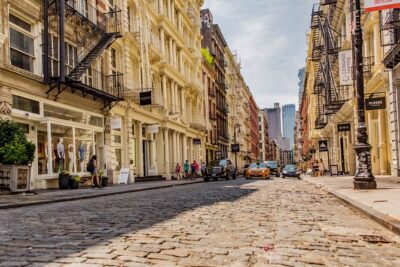
SoHo is more than trendy storefronts here. You get two focused segments that center on architectural details: cast-iron buildings and the look-and-feel of the district. One highlight is the sheer scale—over 200 cast-iron buildings in the area, and the largest concentration of these structures in the world. That’s the kind of fact that makes your photos more meaningful, because you’ll know what you’re aiming at.
You also get time to enjoy SoHo’s street-art reputation. And yes, the tour setting is candid about the celebrity vibe—movie stars and models do hang around this part of town. You shouldn’t expect a guaranteed sighting, but it’s a fun lens to keep your eyes open as you walk.
The takeaway for you: the SoHo stops are short, but they’re structured. You aren’t just strolling; you’re being guided toward specific visual features that you’ll recognize later, even if you return on your own.
Little Italy Beyond the Postcards: Mafia Lore, Mulberry Street, and Photo Angles
Little Italy on foot hits differently than watching it from a distance. The tour leans into immigration and neighborhood change, including stories about Italian mobsters and the early difficulties immigrants faced after arriving. That context helps you read the street layout and the lingering landmarks as more than scenery.
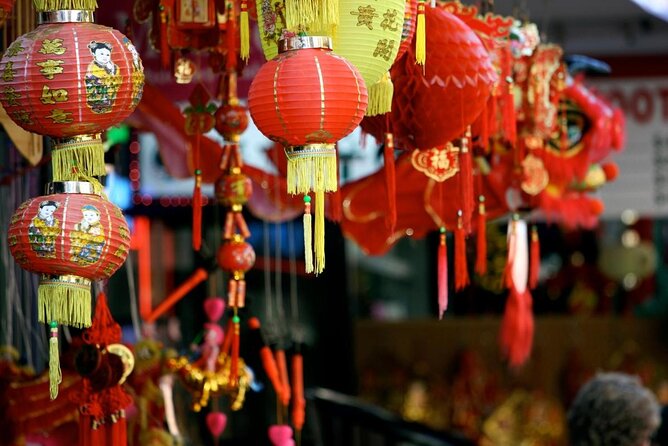
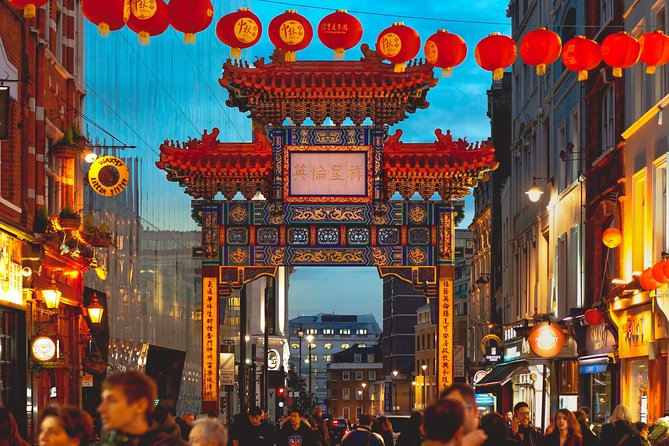
One stop is built around a specific photo moment on E Broadway (67–73 E Broadway), where the street scene mixes tall older buildings with Chinese lamps above. That kind of detail is exactly why this route works: it connects Chinatown and Little Italy in a single walking thread, rather than treating them like separate theme parks.
Another sharp historical beat comes with the mention of a brick house at 247 Mulberry Street, between Prince and Spring St. The story ties the location to meetings of Italian Mafia bosses, and it’s striking how the site’s use has shifted over time (it’s now a shoe store). If you like walking tours that make you feel history in the pavement, these moments do the job.
In September, there are also street festivals that close roads in the area. The tour notes pop-up stands and street vendors, which is a heads-up for planning—if you’re traveling then, you might catch special energy on the streets.
The big picture: more New York City sightseeing



Lombardi’s and Rubirosa: Historic Pizza Stop Without a Full Food Tour
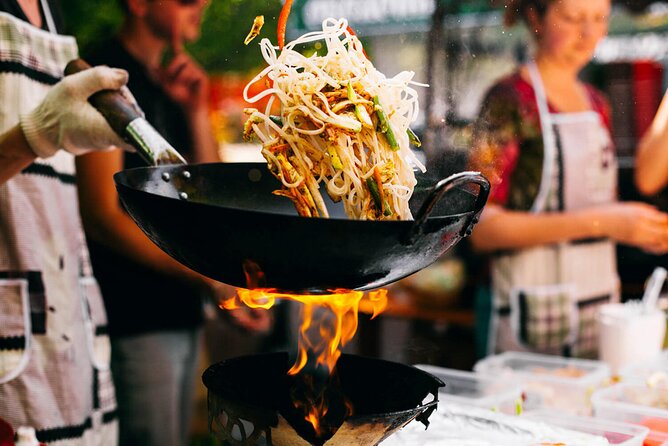
This tour includes pass-by time at two major Little Italy food anchors. Lombardi’s is highlighted as the first pizzeria in the United States, and the story ties its coal-oven style to what makes the pizza traditional. Even if you don’t order right away, it’s helpful to know what you’re looking for: a crust with that classic coal-oven character, plus tomato sauce and basil. The route treats this as a lunch-break option, not a timed tasting.
Then Rubirosa comes next, with traditional Italian food and a laid-back atmosphere. The tour also mentions a pizza-hour deal: two pizzas for $16. That’s a very practical detail for you to keep in mind when you’re deciding whether to eat before, during, or after the tour.
Here’s the value angle: because food isn’t included, you’re not paying $99 for meals you might not finish. Instead, you’re paying for a guide-led route that points you toward where locals go and what’s worth trying on your own schedule.
Police Building to Museums: Why These Stops Are Worth the Brief Time
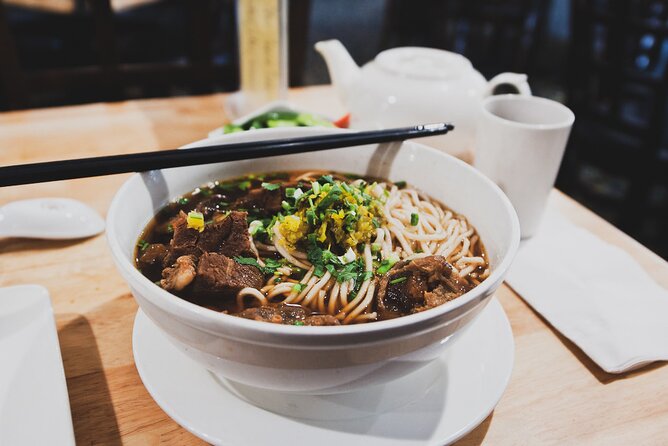
Architecture fans get their moment at The Police Building. The tour frames it as the former police headquarters from 1909 to 1973, then notes that today it houses very private residences for wealthy individuals. Even if you can’t fully explore inside (the stop is brief), the building’s past gives you a reason to look closely at the exterior and to place it in the neighborhood’s timeline.
Then come the museum stops, and this is where the tour’s “what to do after” strength shows. The Italian American Museum in Little Italy opened in 2007 and focuses on Italian American stories in New York City. It’s located in an older bank building connected to immigration-era services—so the setting supports the mission. The tour’s pitch is simple: if you care about local culture and history, this is worth a longer visit.
On the Chinatown side, the Museum of Chinese in America (MoCA) at 215 Centre St is another anchor stop. The tour points to the permanent exhibition With a Single Step: Stories in the Making of America and also mentions rotating exhibitions. If you only have one museum day on your trip, this tour helps you decide whether MoCA belongs on your list.
If you’re traveling with kids or you don’t do museums often, you might still appreciate this section because it gives you names and locations. You can always choose to skip a full visit later and just use the tour as a map and a vocabulary boost.
Mahayana Buddhist Temple and Columbus Park: Neighborhood Life, Not Just Landmarks
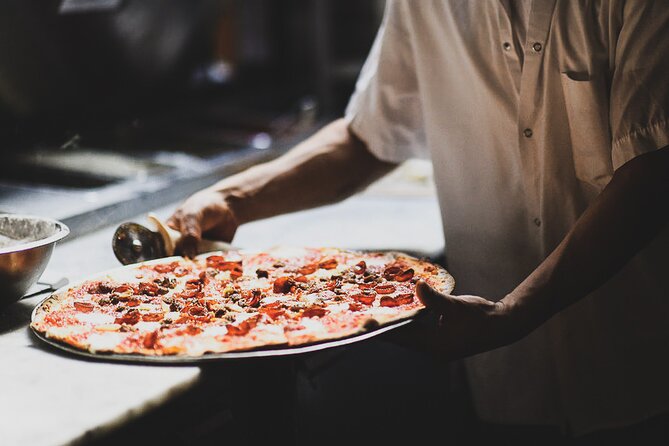
The Mahayana Buddhist Temple Association at 133 Canal St is described as the oldest Chinese temple on the East Coast. It’s open to the public year-round, and on weekends you may find Buddhist services in Mandarin. This is one of those stops where the tour notes a small ritual detail: bring a dollar for a fortune.
That matters because it makes the visit feel participatory instead of purely observational. You’re not being asked to buy your way into culture, but you’re given a simple way to engage with what happens there.
Then the route ends at Columbus Park, called the biggest park in Chinatown. This stop is less about a single sight and more about watching people. The tour notes locals meeting to play chess, exercise, or read—plus a quiet suggestion to grab street food nearby and sit down. Even if you don’t order anything, you’ll get a sense of how the neighborhood breathes when the sidewalks aren’t just for tourists.
Price and Value at $99: What You’re Really Buying
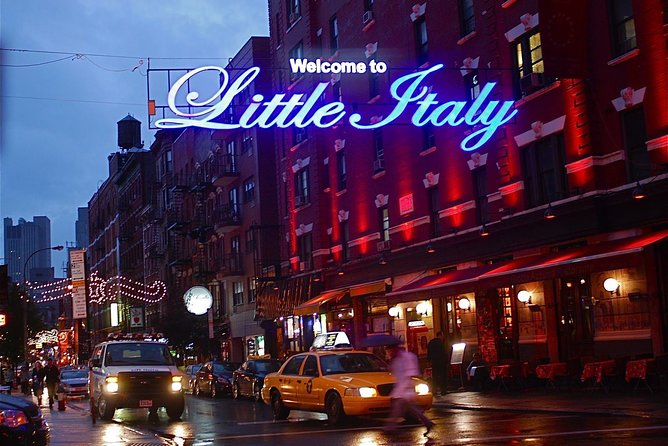
At $99 per person for about two hours, the value depends on your expectations. You’re paying for guided interpretation of a tight route—Chinatown, SoHo architecture, Little Italy, key landmarks, and museum orientation—plus photo-friendly stops and practical next-step advice.
Admission is listed as free at each stop, but meals and drinks aren’t included. That’s a big clue about the product: you’re not buying a buffet. You’re buying context, direction, and a walk that stitches together several neighborhoods you could easily miss on your own if you’re not sure what to look for.
Small group size (up to 20) helps keep it interactive. And the average booking time—about 26 days in advance—suggests this is a popular slot. If you want a specific date, booking earlier is usually the safe move.
Guide Quality Matters: The One Real Variable on This Tour

Most walking tours succeed or fail based on the guide, and this one is no exception. When the guide is energetic and engaged, you get memorable side stories—like movie and TV memorabilia tied to places you walk past. You also benefit from guides who know how to handle detours, like coordinating a meet-up if someone ends up running late or lost.
On the flip side, the tour’s short stops mean you need a guide who can keep momentum and communication clear. Some experiences described issues like the guide switching meeting details at the last moment, getting lost mid-walk, struggling with English, or losing interest partway through. Those are rare outcomes, but they’re the kind of friction that can ruin a time-based walk.
My advice: read your confirmation carefully, arrive early, and don’t assume a “close enough” meetup. This is the one area where your planning helps your experience a lot.
Should You Book This Chinatown and Little Italy Tour?
Book it if you want an efficient “orientation plus stories” walk that connects Chinatown and Little Italy with architecture, museums, and a few food anchors along the way. It’s especially good if you’re the type who likes to take photos while learning what you’re looking at, and then use that knowledge later to choose which museum or neighborhood spot deserves your extra time.
Skip it if your main goal is a true foodie tour with included tastings, or if you hate fast pacing. Since food and drink aren’t included and stops are timed, you should plan your own snacks and be ready to move.
If you do book, come with a simple game plan: wear good walking shoes, bring cash or a payment method for snacks (and the temple fortune dollar if you want it), and think of this as your guided map into neighborhoods you’ll explore more deeply on your own afterward.
FAQ
How long is the Chinatown and Little Italy tour?
It runs for about 2 hours.
How much does the tour cost?
The price is $99.00 per person.
What language is the tour offered in?
The tour is offered in English.
Where do I meet the tour, and where does it end?
You start at 155 6th Ave, 8th floor, New York, NY 10013. You end at Columbus Park at Mulberry Street & Baxter St, New York, NY 10013.
Is a mobile ticket provided?
Yes, the tour uses a mobile ticket.
What’s included in the price?
Included are all fees and taxes, a friendly local guide, plus expert advice on where to go and what to do after the tour.
Are food and drinks included?
No. Food and drink are not included.
How many people are in the group?
The maximum group size is 20 travelers.
Are there museum or temple stops?
Yes. The route includes the Italian American Museum, the Museum of Chinese in America, and the Mahayana Buddhist Temple Association.
Can I cancel and get a full refund?
Yes. You can cancel up to 24 hours in advance for a full refund. If you cancel within 24 hours of the start time, the amount paid is not refunded.
More Tours in New York City
- Statue of Liberty and Ellis Island Tour: All Options★ 5.0 · 13,571 reviews
- New York in One Day Guided Sightseeing Tour★ 5.0 · 13,166 reviews
- Central Park Pedicab Guided Tours★ 5.0 · 7,108 reviews
- New York City: Manhattan Helicopter Tour★ 4.7 · 7,076 reviews
- Private Central Park Pedicab Tour★ 5.0 · 6,981 reviews
More Tour Reviews in New York City
- NYC: SUMMIT One Vanderbilt Tickets★ 4.7 · 51,195 reviews
- NYC: Empire State Building Tickets – Observatory & Museum★ 4.7 · 25,757 reviews
- New York City: Statue of Liberty & Ellis Island with Ferry★ 4.6 · 18,683 reviews
- New York City: American Museum of Natural History Ticket★ 4.5 · 15,447 reviews
- Statue of Liberty and Ellis Island Tour: All Options★ 5.0 · 13,571 reviews
Downtown Bites: SoHo to Little Italy
- SoHo, Little Italy, and Chinatown Walking Tour in New York★ 5.0 · 3,153 reviews
- NYC: Chinatown & Little Italy Food Tour with 7 Flavorful Tastings★ 5.0 · 2,733 reviews
- Original NYC Guided Food Tour of Chinatown and Little Italy★ 5.0 · 2,194 reviews
- NYC Food Tour: Chinatown and Little Italy★ 5.0 · 1,090 reviews
- NYC: Chinatown and Little Italy Food Tour★ 4.7 · 703 reviews
Just in: the newest New York City reviews on our desk





SoHo, Chinatown & Little Italy Tours, compared.
 ★ 5.0SoHo, Little Italy, and Chinatown Walking Tour in New YorkFrom $393,153 reviews
 ★ 5.0Chinatown & Little Italy Food Tour with 7 Flavorful TastingsFrom $992,733 reviews
 ★ 5.0Original NYC Guided Food Tour of Chinatown and Little ItalyFrom $1302,194 reviews
 ★ 4.7Chinatown and Little Italy Food TourFrom $80703 reviews
 ★ 4.7SoHo, Little Italy, and Chinatown Guided TourFrom $30614 reviews
 ★ 4.6SoHo, Little Italy, and Chinatown 2-Hour Guided WalkFrom $39566 reviews
 ★ 5.0SoHo, Little Italy, and Chinatown NYC Guided Walking TourFrom $36443 reviews
Browse the lists this tour appears in