
Reviewed · SOHO, CHINATOWN & LITTLE ITALY TOURS
Mafia Gangster History Walking Tour in Little Italy, New York
Little Italy hides mob power moves. In just about two hours, this walk turns street corners into real stories about the Black Hand, Prohibition liquor wars, and the crime leaders tied to New York’s most famous families. If you like The Godfather or Gangs of New York, you’ll also spot locations that movie fans recognize.
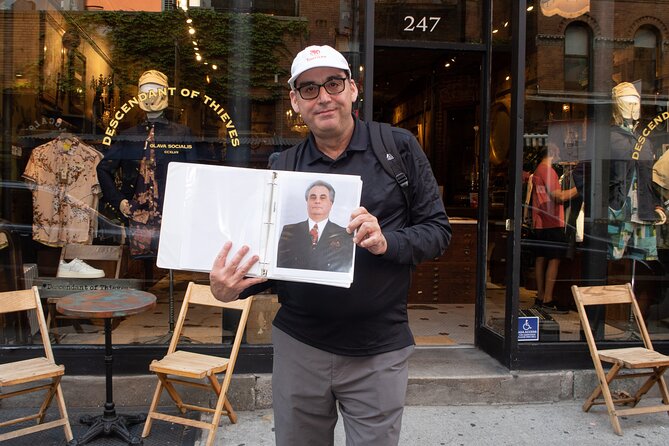
Two things I really like here: the guide brings the past to life with a binder of photos and newspaper clips and a knack for exact dates, and the format stays friendly because the tour caps at a small group size. You’re not stuck listening from the back of a crowd.
One thing to keep in mind: you’re moving around several nearby blocks, so if you prefer single landmark stops only, you might feel you’re doing more walking than you expected. Also, this kind of street tour runs best in good weather.
In This Review
- Key highlights you can plan around
- Mafia Power Begins on These Little Italy Streets
- Price and What You’re Really Paying For
- Getting Oriented: Start Point, Walking Style, and Pace
- Stop 1: Little Italy and the Black Hand to Prohibition Mafia
- Stop 2: Mulberry Street and John Gotti’s Court
- Stop 3: Lt. Petrosino Square and the Early Crime Fighter Angle
- Stop 4: The Police Building, Frank Serpico, and Corruption
- Stop 5: Umbertos Clam House and Crazy Joey Gallo’s End
- How the Guide Makes the Difference
- Best Fit: Who Should Book This Walk
- Should You Book the Mafia Gangster History Walk in Little Italy?
- FAQ
- How long is the Mafia Gangster History Walking Tour in Little Italy?
- How much does the tour cost?
- Where does the tour start?
- What language is the tour offered in?
- Is there a mobile ticket?
- What’s the group size limit?
- Does this tour require good weather?
Key highlights you can plan around
- Mob movie + real locations tied to The Godfather and Gangs of New York
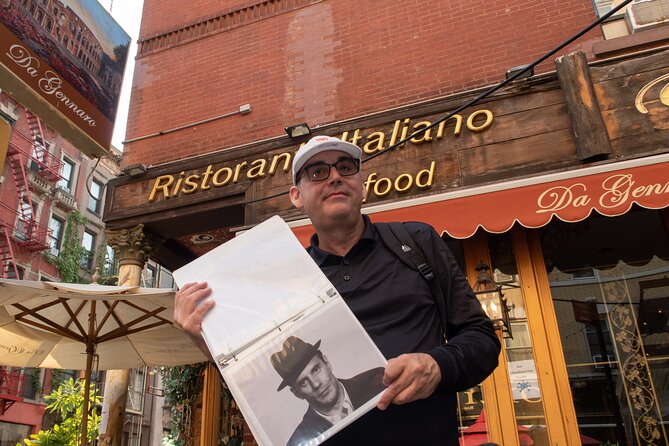
- A guide-led photo binder with historical images and newspaper snippets
- Lucky Luciano and the Five Families Commission explained in plain terms
- Iconic names: John Gotti, Lt. Petrosino, Frank Serpico, Crazy Joey Gallo
- About 2 hours total with one longer anchoring stop in Little Italy
- Max of 10 people for questions and a more personal feel
Keep tasting downtown: SoHo, Chinatown and Little Italy
- SoHo, Little Italy, and Chinatown Walking Tour in New York
★ 5.0 · 3,153 reviews - NYC: Chinatown & Little Italy Food Tour with 7 Flavorful Tastings
★ 5.0 · 2,733 reviews - Original NYC Guided Food Tour of Chinatown and Little Italy
★ 5.0 · 2,194 reviews - NYC Food Tour: Chinatown and Little Italy
★ 5.0 · 1,090 reviews
Mafia Power Begins on These Little Italy Streets
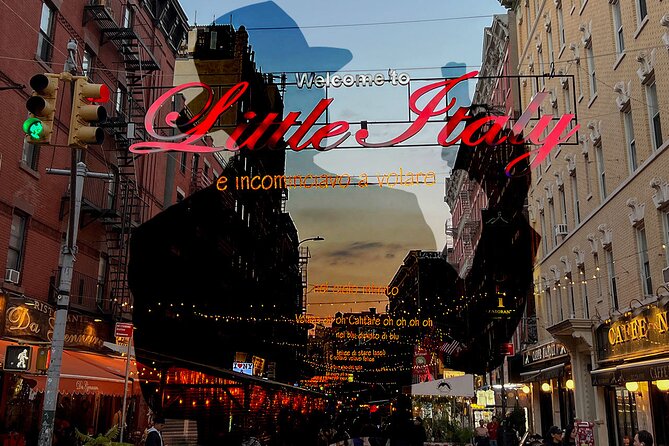
This is the kind of New York tour that works because you’re walking where history actually happened. Little Italy is not a museum district with cordoned-off exhibits. It’s lived-in neighborhoods, with normal storefronts next to old stories—exactly the mix that makes the details stick.
The big theme is how organized crime grew from earlier street-level gangs into something more structured during Prohibition. You don’t need to be a mob movie expert to follow along. The guide slows things down, connects the dots, and explains how the liquor trade shaped power and conflict in this part of Manhattan. That’s the value: you get context, not just name-dropping.
You’ll also get a family-friendly vibe, especially for older kids who like true-crime stories. The humor is light, the pace is manageable, and there’s an emphasis on how real events inspired what ends up on film.
Price and What You’re Really Paying For
At $40 per person, this tour sits in the midrange for walking experiences. The “worth it” part isn’t fancy transportation or timed entry into attractions. It’s the guide’s research, plus time spent at multiple locations tied to major figures—places you would likely pass without noticing the significance.
Two factors make the price feel reasonable:
- Short stops (mostly 15 minutes) that keep the tour moving while still giving enough time to understand each location.
- A small maximum group size, which helps the guide answer questions and keep attention on the story.
So if you’re hoping for a quick, guided way to understand Mafia history in one neighborhood, this is a strong use of your afternoon. If you want big-ticket attractions, you won’t get that here—but you’ll get something rarer: street-level historical storytelling that makes modern NYC look different.
Getting Oriented: Start Point, Walking Style, and Pace
The tour begins at 44 Spring St, New York, NY 10012 and ends back at the meeting area. It’s designed to be easy logistically. You’re near public transportation, which matters because you’ll likely arrive by subway or bus and not want a long pre-walk trek.
The walking schedule also helps. You’re looking at about 2 hours total, with one longer introductory stop in Little Italy, then several shorter stops that each focus on a specific person or institution. That structure keeps it from turning into one giant lecture. You get breaks built into the itinerary simply because each location has a clear purpose.
One practical tip: wear comfortable shoes. You’re moving around enough blocks that your feet will notice, even though the tour doesn’t feel marathon-length.
New York City at street level, a few more walks

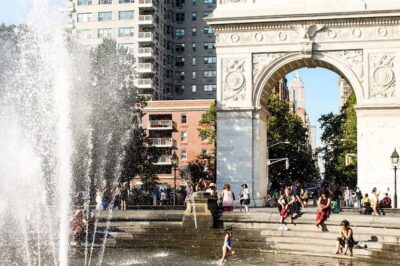
Stop 1: Little Italy and the Black Hand to Prohibition Mafia
This is the anchor stop, at about 40 minutes, and it’s where the tour earns its main title. You start by learning how early crime groups—often described through the lens of the Black Hand—helped create conditions that later fed into more organized Mafia activity during Prohibition.
The guide also connects the neighborhood’s evolution to leadership and structure. One of the core points here is Lucky Luciano and the creation of The Commission of The Five Families. The way the guide explains it matters: you don’t just hear the name; you understand why a commission concept would form (control, coordination, and reducing chaos when multiple groups compete).
If you’re a movie fan, this is also where you’ll start to recognize the kind of setting that directors love. Some neighborhoods become “movie neighborhoods” because they already carry a sense of story and conflict. Little Italy, during the era this tour covers, fits that perfectly.
Potential downside at this first stop: because it’s the longest, it sets the tone for the whole tour. If you’re the type who gets restless with longer storytelling blocks, you’ll want to mentally prepare for a deeper start before the tour becomes more location-based.
Stop 2: Mulberry Street and John Gotti’s Court
Next comes Mulberry Street, where you focus on John Gotti, often associated with the nickname Dapper Don. This stop is shorter—about 15 minutes—but it’s targeted. The idea isn’t to skim the surface. It’s to show you that certain street spots became symbols of power and reputation.
Mulberry Street is a good example of why this tour works. You see a place that looks ordinary today, then you’re given the reason it once carried major weight. That contrast is what makes the walk entertaining, not just informative.
If you like true-crime stories that feel like a mix of ambition and danger, Gotti is one of the names that delivers. The guide keeps it grounded in real history rather than turning it into a fan-only reenactment.
Stop 3: Lt. Petrosino Square and the Early Crime Fighter Angle
Then you step into Lt. Petrosino Square, learning about Lieutenant Petrosino—an early figure presented here as a crime fighter against the Black Hand gangs. This stop is also about 15 minutes, but it gives the tour a broader perspective.
Not every crime history walk only talks about villains. This one also points to enforcement and public pressure, which helps you see how organized crime wasn’t operating in a vacuum. You learn why these early efforts mattered and how the story evolved when crime and policing collided.
For families with older kids, this part often lands well because it reframes the narrative. It’s not only about gangsters holding court; it’s also about the pressure that pushed crime groups toward more complicated structures.
Stop 4: The Police Building, Frank Serpico, and Corruption
At the Police Building stop, you shift from organized crime to the problem of corruption inside policing. You hear about Frank Serpico, highlighted here as a cop who fought against corruption.
This is an important tonal change. It makes the tour feel more like history than a simple celebrity list of mob names. Crime affects everyone, including institutions meant to stop it. Serpico’s story, as presented on this walk, is about what it takes to keep those systems from failing from the inside.
The practical value: you’ll leave with a more complete understanding of how crime stories connect to civic integrity. If you only know the “mob vs cops” movie version, this stop nudges you toward the real-world complexity.
Stop 5: Umbertos Clam House and Crazy Joey Gallo’s End
The final stop heads to Umbertos Clam House, connected with Crazy Joey Gallo and the grim fact that he met his bloody end there. This stop is short—about 15 minutes—but it’s a heavy one.
This is where the tour leans into a very New York style of storytelling: a well-known restaurant as a historical marker. Today, you’d expect a meal. In the past, the stakes were far higher, and certain places became the stage for violence and power struggles.
If you’re thinking ahead about dinner plans, this is a useful moment to know. You’ll see the restaurant not just as a place to eat, but as a location with a known place in Mafia-era events. (And yes, after this kind of stop, even ordering clam dishes can feel oddly historical.)
How the Guide Makes the Difference
A big reason this tour gets strong ratings is the presentation style. In the feedback I’m using to shape my expectations, the same theme keeps showing up: the guide uses a binder of photos and newspaper clips and ties stories to specific dates.
That does two helpful things for you:
- It anchors dramatic events to real time, so the chronology doesn’t blur.
- It turns each stop into something you can visualize quickly, even if you’re not a long-time mob history fan.
You’ll also notice the tour design supports engagement. With a small group size, you’re more likely to catch the details the guide highlights—like how early gangs shifted, why Prohibition changed the stakes, and how a commission model fits the Five Families story.
One more detail that matters for how the tour feels: the timing is tight and punctual. The walk is structured enough that you rarely feel like you’re waiting around with nothing happening.
Best Fit: Who Should Book This Walk
This works best for people who want:
- A mob-and-movie connection without needing prior knowledge
- A guided walk that explains Prohibition-era power in simple terms
- A city outing that still feels fun for families with older children
- A neighborhood-focused experience in a place you can keep exploring on your own afterward
It’s also a good choice if you like true stories that include both criminals and institutions—organized crime, early enforcement, and modern policing integrity themes all show up here.
Should You Book the Mafia Gangster History Walk in Little Italy?
I’d book it if your goal is to understand how this part of Manhattan became a stage for the rise of the Mafia and the power struggles tied to liquor during Prohibition. At $40, the value is strongest when you care about guided context, not just sightseeing.
If you’re visiting for only one afternoon and you want to make it count, this tour is a smart way to turn “I’ve seen Little Italy” into “I understand what happened here.” And with a small max group size and a guide using historical photos and newspaper clippings, you’re not just hearing facts—you’re seeing how the past looked on paper.
FAQ
How long is the Mafia Gangster History Walking Tour in Little Italy?
It’s about 2 hours (approx.).
How much does the tour cost?
The price is $40.00 per person.
Where does the tour start?
The meeting point is 44 Spring St, New York, NY 10012, USA.
What language is the tour offered in?
It’s offered in English.
Is there a mobile ticket?
Yes, the tour includes a mobile ticket.
What’s the group size limit?
The tour has a maximum of 10 travelers.
Does this tour require good weather?
Yes. The experience requires good weather, and if it’s canceled due to poor weather, you’ll be offered a different date or a full refund.
After Dark: Ghosts and Cold Cases
- New York Catacombs by Candlelight★ 4.5 · 2,863 reviews
- New York City Mafia and Local Food Tour led by NYPD Guides★ 5.0 · 1,197 reviews
- Gangsters and Ghosts Tour New York City★ 5.0 · 905 reviews
- True Crime NYC: Mafia Walk w/Ret. NYPD Detective and Local Food★ 5.0 · 848 reviews
- New York City Ghost Tour of Greenwich Village★ 4.5 · 466 reviews
New York City, One Block at a Time
- SoHo, Little Italy, and Chinatown Walking Tour in New York★ 5.0 · 3,153 reviews
- Secrets of Grand Central Station Walking Tour New York City★ 5.0 · 1,796 reviews
- Greenwich Village Walking and Food Tasting Tour★ 5.0 · 1,572 reviews
- Artistic, Alternative Greenwich Village Walking Tour★ 5.0 · 971 reviews
- Brooklyn Bridge & DUMBO Neighborhood Tour – from Manhattan to Brooklyn★ 5.0 · 826 reviews
Downtown Bites: SoHo to Little Italy
- SoHo, Little Italy, and Chinatown Walking Tour in New York★ 5.0 · 3,153 reviews
- NYC: Chinatown & Little Italy Food Tour with 7 Flavorful Tastings★ 5.0 · 2,733 reviews
- Original NYC Guided Food Tour of Chinatown and Little Italy★ 5.0 · 2,194 reviews
- NYC Food Tour: Chinatown and Little Italy★ 5.0 · 1,090 reviews
- NYC: Chinatown and Little Italy Food Tour★ 4.7 · 703 reviews
Just in: the newest New York City reviews on our desk





SoHo, Chinatown & Little Italy Tours, compared.
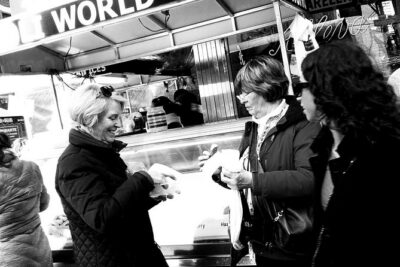 ★ 5.0SoHo, Little Italy, and Chinatown Walking Tour in New YorkFrom $393,153 reviews
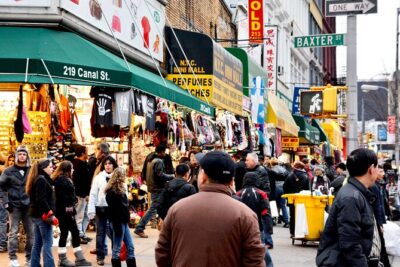 ★ 5.0Chinatown & Little Italy Food Tour with 7 Flavorful TastingsFrom $992,733 reviews
 ★ 5.0Original NYC Guided Food Tour of Chinatown and Little ItalyFrom $1302,194 reviews
 ★ 4.7Chinatown and Little Italy Food TourFrom $80703 reviews
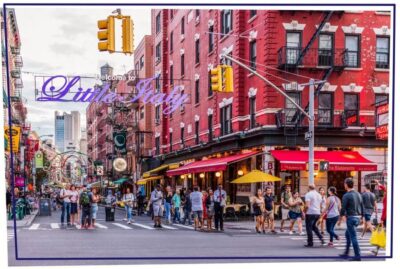 ★ 4.7SoHo, Little Italy, and Chinatown Guided TourFrom $30614 reviews
 ★ 4.6SoHo, Little Italy, and Chinatown 2-Hour Guided WalkFrom $39566 reviews
 ★ 5.0SoHo, Little Italy, and Chinatown NYC Guided Walking TourFrom $36443 reviews
Browse the lists this tour appears in