
Reviewed · GREENWICH VILLAGE TOURS
Village Nights: Greenwich Village Food & History Walk
Street-level stories taste better in the Village. This 3-hour evening walk pairs 4–5 tastings with real Village history tied to the block you’re standing on, led by a pro guide who keeps things relaxed and interactive. I especially like the smaller group (capped at 8) and the way the guide builds recommendations you can use for the rest of your trip. One thing to consider: it’s a walking tour with no headsets, so wear good shoes and be ready for a lot of sidewalk time—plus it runs only in good weather.
The best version of this tour feels like getting a local’s plan for a night out, not a scripted bus tour. You’ll start at Astor Place at 6:00 pm, then work your way through West Village and Greenwich Village stops toward Christopher Park.
Because the tour is flexible (the guide takes input and has a menu of options), you’re not stuck with a rigid checklist. If you’re the type who likes changing plans midstream, that’s a plus. If you want every minute to feel locked in, you’ll want to go in knowing the route can shift a bit.
In This Review
- Key points I think you should care about
- Price and value: what $99 buys in NYC
- The start-to-finish route: Astor Place at 6 pm to Christopher Park
- Small-group setup that changes the vibe (cap 8, no headsets, no branding)
- Stop-by-stop: the night’s mix of bites and big moments
- Astor Place: where the story starts (and gets complicated fast)
- McSorley’s Old Ale House: cheese plate, beer, and untouched walls
- St. Mark’s Place: street life as a living museum
- The Donut Pub: a classic, 24/7 kind of New York
- Triangle Shirtwaist Factory Memorial: pause for the lesson that hurts
- Washington Square Park: the Village’s public living room
- MacDougal Street: songs, stand-up, and the street as a stage
- Mamoun’s Falafel: long-running, don’t-miss flavor
- Two Boots Pizza (West Village): not your normal slice
- Bleecker Street moment: bars, boutiques, and famous passersby
- Taco Mahal: Latin/Indian fusion with a cross-cultural crew
- Marie’s Crisis Café: subterranean sing-along energy
- Janie’s Life Changing Baked Goods: cookies that get talked about
- Stonewall National Monument: the final story with real weight
- How the guide keeps it flexible without losing the plot
- Practical tips so you get the most from the evening
- Who should book this Village Nights walk
- Should you book Village Nights: Greenwich Village Food & History Walk?
- FAQ
- What is the duration of Village Nights: Greenwich Village Food & History Walk?
- How many people are in the group?
- Where does the tour start and end?
- What time does the tour begin?
- What language is the tour offered in?
- How much does it cost?
- What’s included in the tour price?
- Are drinks included?
- Is the tour canceled if the weather is bad?
- What is the cancellation policy?
Key points I think you should care about
- Small group (max 8) so you actually hear the guide and your questions don’t vanish into the crowd.
- No branding and no headsets, so the night feels like friends walking, not a “tour performance.”
- 4–5 food stops plus an included bottle of water so you stay comfortable during the walk.
- A history stop that actually lands (the Triangle Shirtwaist Factory Memorial) amid lighter, fun moments.
- West Village icons with modern-day context, including the Stonewall National Monument site.
- Your guide plans around you, pulling from a big bag of options to customize the order and choices.
More laps around the Village
- NYC: Greenwich Village Food Tour with 6 Locals Favorites Dishes
★ 5.0 · 1,812 reviews - Greenwich Village Walking and Food Tasting Tour
★ 5.0 · 1,572 reviews - Artistic, Alternative Greenwich Village Walking Tour
★ 5.0 · 971 reviews - NYC Greenwich Village Italian Food Guided Walking Tour
★ 5.0 · 627 reviews
Price and value: what $99 buys in NYC
At $99 per person for about 3 hours, you’re paying for three things: a guide who’s focused on the neighborhood, planned time around a handful of food places, and the chance to learn while you walk instead of trying to piece it together alone.
The “value math” is helped by the fact that this is not just sightseeing. You’ll get delicious food at 4–5 quality spots, and you’ll also be given a bottle of water included so you don’t start the evening unprepared. Drinks beyond that are up to you, which is pretty standard, but it means the tour isn’t “pay extra every step.”
Also, the group is capped at 8, which usually affects how much attention you get. In a city where most food tours are either too crowded or too rushed, this size matters.
The start-to-finish route: Astor Place at 6 pm to Christopher Park
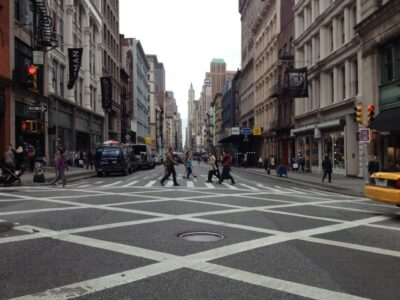
Your evening begins at Astor Place (Astor Pl, New York, NY 10003) at 6:00 pm. From there, you’ll walk through classic Greenwich Village and West Village streets, with a mix of quick look-and-learn stops and longer food moments.
You end near Christopher Park at 38-64 Christopher St, New York, NY 10014. The exact ending point can vary, but it’s usually close to bars and a convenient subway stop. That’s useful because you can keep going after the tour without needing a second plan.
Since the tour is designed for moderate physical fitness, assume you’ll be on your feet for the full stretch. If your ideal NYC night is “sit down every 15 minutes,” this is probably not your tour style.
Small-group setup that changes the vibe (cap 8, no headsets, no branding)
This is one of the rare NYC tours that aims to feel human-sized. The group is capped at 8, and that tends to make the guide more flexible—less time herding people and more time chatting, checking in, and adjusting.
Two details shape the mood:
- No headsets: you’re part of the street noise, not separated from it.
- No branding: you won’t look like a giant tour group with matching shirts.
That combination sounds small, but it’s noticeable. You walk like locals doing dinner plans—just with better context and a guide who knows where stories actually live.
And because there’s no set of rules screaming at you, the guide can take your input and adjust what you do next.
New York City on foot, a few more routes

Stop-by-stop: the night’s mix of bites and big moments
Here’s what you can expect across the route. Times below are approximate, and the guide may shuffle options based on your group.
Astor Place: where the story starts (and gets complicated fast)
You begin at Astor Place, framed as a historical heart of Manhattan. The focus here is long-term: Indigenous presence in the area for centuries, followed by European arrival. It’s a quick opener, but it matters because it sets a tone—this neighborhood isn’t just murals and cafes.
Why it’s worth your time: it helps you read the rest of the walk with better context. You’ll notice how the Village layers eras on top of each other.
McSorley’s Old Ale House: cheese plate, beer, and untouched walls
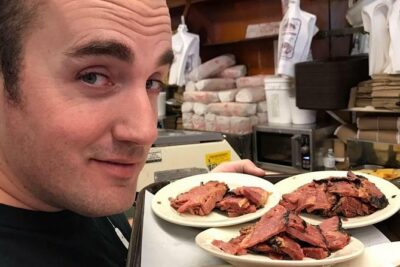
Next is McSorley’s Old Ale House, described as the oldest continuously operating bar in New York. You’ll start with a cheese plate and a beer, and the pitch is about authenticity: the place keeps its feel, with historic artifacts and fixtures since the early 1900s.
What to consider: since this includes alcohol, it’s best if you’re comfortable ordering beer in a classic bar setting. If you don’t drink, you can still enjoy the history vibe, but your experience may be more focused on atmosphere than tastings.
St. Mark’s Place: street life as a living museum
Then you stroll St. Mark’s Place, where restaurants and street activity do most of the talking. This is a breather. It’s also a chance to see how the Village “works” day-to-day—where people hang out, what energy looks like in real time.
Practical tip: watch for storefront rhythms and signage. Your guide will likely point out details you’d normally walk past.
The Donut Pub: a classic, 24/7 kind of New York
At Donut Pub, the big point is simple: donuts 24 hours a day since 1964. It’s quick and easy, but it’s also very New York—food that fits real schedules, not just tourist hours.
Why this stop works on an evening walk: it’s fast, fun, and sweet without derailing your energy for the rest of the route.
Triangle Shirtwaist Factory Memorial: pause for the lesson that hurts
Next is the Triangle Shirtwaist Factory Memorial, tied to the 1911 fire that killed 146 garment workers. This is the tour’s heavier emotional moment. The guide connects it to labor changes in the United States and the idea that you don’t understand modern work rights without knowing what came first.
How it lands: unlike many “photo stops,” this one is short but weighty. If you want your night to balance humor and seriousness (without pretending tragedy is just another sight), you’ll like this.
Washington Square Park: the Village’s public living room
Then comes Washington Square Park. You might hang around a bit, and the emphasis is on why this park matters beyond the obvious: how it became a key gathering space for the city and the cultural life around it.
Value for you: when you reach the later stops (especially MacDougal Street and Stonewall), this park helps you understand why the Village has always drawn artists, activists, students, and late-night crowds.
MacDougal Street: songs, stand-up, and the street as a stage
You’ll walk MacDougal Street, where your guide ties together pop culture and culture in motion—songs, stories, stand-up, and more. This is where the tour starts feeling like a night out, but with a stronger narrative thread.
You may also stop for food at nearby places like Mamoun’s or Pommes Frites depending on what’s working for your group and the pacing.
Mamoun’s Falafel: long-running, don’t-miss flavor
At Mamoun’s Falafel, the story is that it was opened in 1971 and is one of the first falafel joints in NYC. It’s now run by the owner’s sons, but the point is continuity: the place still serves falafel to crowds that include musicians, students, and late-night regulars.
Why you’ll enjoy it: falafel is a street-friendly food choice for a walking tour—easy to eat, filling, and satisfying without making you miserable afterward.
Two Boots Pizza (West Village): not your normal slice
Next is Two Boots Pizza West Village, framed as colorful and welcoming, with outstanding food and a friendly atmosphere. There’s also a social-history detail: the space once housed a lesbian bar that refused to serve men, and the business today welcomes everybody.
What this stop tells you: the Village has always been a negotiation between identity, community, and public space. Pizza here is the flavor payoff for those stories.
Bleecker Street moment: bars, boutiques, and famous passersby
You may pause in Bleecker area—bars, boutiques, and the possibility of seeing well-known faces walk by. This isn’t just name-dropping. It’s a reality check that the Village blends everyday life with celebrity proximity in a way most neighborhoods don’t.
If you like photos: this is often a good area to grab one quick shot and then get moving.
Taco Mahal: Latin/Indian fusion with a cross-cultural crew
At Taco Mahal, you get a different kind of food story. It’s described as Latin/Indian fusion, owned by a woman with a Puerto Rican mom and an Indian father, and staffed by a largely Nepali crew. Translation: the food is built from real cultural overlap, not a gimmick.
How it fits the walk: it breaks up the rhythm of repeated flavors so your whole meal feels varied. You’ll also get the sense of New York as a working mix of traditions.
Marie’s Crisis Café: subterranean sing-along energy
The evening ends at Marie’s Crisis Café, a subterranean bar with live piano and show-tune sing-along vibes. It’s a fun finish even if Broadway isn’t your thing—more about the communal sound than any specific production.
Consideration: it’s inside and likely lively, so if you prefer quiet, expect noise here. It’s still a great “last stop” because it turns the night into a memory, not just a food list.
Janie’s Life Changing Baked Goods: cookies that get talked about
Then there’s Janie’s Life Changing Baked Goods, known for pie-crust cookies. The stop is short, with a friendly staff and a feel-good story about overcoming obstacles.
Why a dessert stop matters on this tour: after savory food, the sweet bite makes the evening feel complete. It also gives you a moment to slow down and take in what you’ve covered.
Stonewall National Monument: the final story with real weight
The last big cultural anchor is Stonewall National Monument at the site tied to the 1969 uprising that helped galvanize the modern gay rights movement. Even if you already know the broad outline, this stop gives you a physical sense of place.
What to expect: it’s short—more like a guided moment than a long museum visit. But it’s the kind of stop you’ll remember because it turns the Village from scenery into meaning.
How the guide keeps it flexible without losing the plot
One of the biggest strengths of this experience is that the guide doesn’t treat your night as a fixed script. You’ll start with input from the group, and then the guide draws from a big set of options to make each outing unique.
In plain terms, that means:
- If you’re hungry for more time at one kind of food, you may get the chance.
- If your group wants more walking, it can lean that direction.
- If someone needs a slower pace, the guide checks in.
From guides like Morgan and David (both noted in the experiences I reviewed), the style tends to be friendly and interactive—like talking with someone who loves the city and knows how to share it without turning it into a lecture.
And you’ll also get tips and recommendations for exploring NYC after the tour. That’s more useful than a generic “you should visit this museum” list.
Practical tips so you get the most from the evening
Here’s how to set yourself up for a smoother night:
- Eat before you go only lightly. With 4–5 food spots, you’ll want room, but you don’t need to arrive starving.
- Bring comfortable walking shoes. This is a 3-hour night walk with frequent stops.
- Expect street noise. No headsets means you’ll hear the city. If you’re sensitive to loud environments, keep that in mind.
- Plan for weather. The tour requires good weather, and if it’s canceled due to poor conditions, you’ll be offered another date or a full refund.
- Assume drinks are on your dime. You’ll get water included, but other drinks are at your discretion.
Also, this tour books pretty far ahead on average (around 44 days). If your dates are set, it’s worth booking earlier rather than waiting for last-minute pricing changes.
Who should book this Village Nights walk
This is a great fit if you want:
- a food-and-street-history mix instead of only museum stops
- a smaller group night out (max 8) with room to ask questions
- a route through the Village that covers both iconic stops and everyday texture
It’s also a good choice if you think you know New York. The entire pitch here is that you’ll notice things you’ve walked past for years—then learn why they matter.
If you’re traveling with kids, it can work well too, since the pace is light on long museum narration. Still, keep in mind it’s a walking tour with a moderate fitness requirement.
Should you book Village Nights: Greenwich Village Food & History Walk?
Yes, if you like a night that feels like both dinner plans and a guided story walk. For $99, you get a small-group experience, multiple tastings, included water, and a route that includes both lighter Village classics and serious stops like the Triangle Shirtwaist Factory Memorial and the Stonewall National Monument.
Book it if you want practical NYC guidance plus a guide who adapts to the group’s pace. Skip it if you hate walking, want a silent guided experience, or need a tour that never changes order or timing.
If your goal is to see Greenwich Village the way locals experience it—on foot, through food, and with context—this is one of the smarter ways to spend an evening.
FAQ
What is the duration of Village Nights: Greenwich Village Food & History Walk?
It runs for about 3 hours.
How many people are in the group?
The tour has a maximum of 8 travelers.
Where does the tour start and end?
It starts at Astor Place (Astor Pl, New York, NY 10003) and ends near Christopher Park (38-64 Christopher St, New York, NY 10014). The exact end point can vary, usually near bars and a convenient subway stop.
What time does the tour begin?
The start time is 6:00 pm.
What language is the tour offered in?
The tour is offered in English.
How much does it cost?
The price is $99.00 per person.
What’s included in the tour price?
You’ll receive delicious food from 4–5 quality food spots, a friendly licensed NYC guide, a smaller group size, and an included bottle of water for comfort.
Are drinks included?
A variety of drinks are available throughout the tour, but they are not included and are at your discretion.
Is the tour canceled if the weather is bad?
Yes. The tour requires good weather. If it’s canceled due to poor weather, you’ll be offered a different date or a full refund.
What is the cancellation policy?
You can cancel for a full refund if you cancel at least 24 hours before the experience’s start time. If you cancel less than 24 hours before, the amount paid is not refunded.
Good Walks in New York City
- SoHo, Little Italy, and Chinatown Walking Tour in New York★ 5.0 · 3,153 reviews
- Secrets of Grand Central Station Walking Tour New York City★ 5.0 · 1,796 reviews
- Greenwich Village Walking and Food Tasting Tour★ 5.0 · 1,572 reviews
- Artistic, Alternative Greenwich Village Walking Tour★ 5.0 · 971 reviews
- True Crime NYC: Mafia Walk w/Ret. NYPD Detective and Local Food★ 5.0 · 848 reviews
More Tour Reviews in New York City
- NYC: SUMMIT One Vanderbilt Tickets★ 4.7 · 51,195 reviews
- NYC: Empire State Building Tickets – Observatory & Museum★ 4.7 · 25,757 reviews
- New York City: Statue of Liberty & Ellis Island with Ferry★ 4.6 · 18,683 reviews
- New York City: American Museum of Natural History Ticket★ 4.5 · 15,447 reviews
- Statue of Liberty and Ellis Island Tour: All Options★ 5.0 · 13,571 reviews
Still in the Village
- NYC: Greenwich Village Food Tour with 6 Locals Favorites Dishes★ 5.0 · 1,812 reviews
- Greenwich Village Walking and Food Tasting Tour★ 5.0 · 1,572 reviews
- Artistic, Alternative Greenwich Village Walking Tour★ 5.0 · 971 reviews
- NYC Greenwich Village Italian Food Guided Walking Tour★ 5.0 · 627 reviews
- Greenwich Village Food Tour | Tasty Tours NYC★ 5.0 · 549 reviews
Just in: the newest New York City reviews on our desk





Greenwich Village Tours, compared.
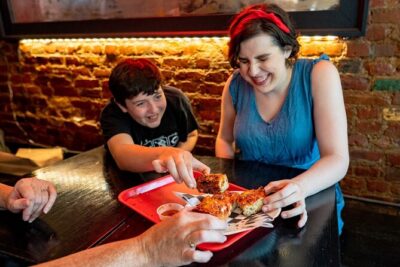 ★ 5.0Greenwich Village Food Tour with 6 Locals Favorites DishesFrom $971,812 reviews
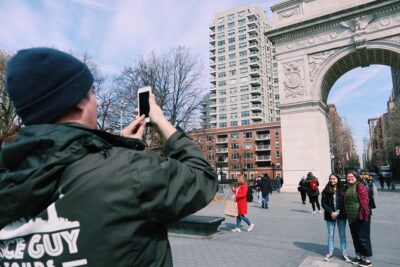 ★ 5.0Greenwich Village Walking and Food Tasting TourFrom $941,572 reviews
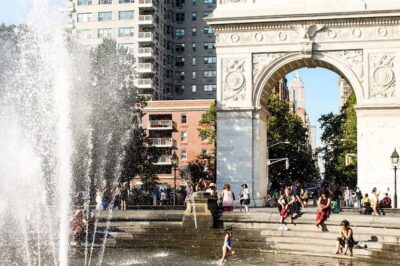 ★ 5.0Artistic, Alternative Greenwich Village Walking TourFrom $39971 reviews
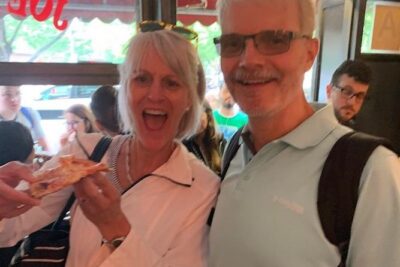 ★ 5.0NYC Greenwich Village Italian Food Guided Walking TourFrom $89627 reviews
 ★ 5.0Greenwich Village Food Tour | Tasty Tours NYCFrom $79549 reviews
 ★ 4.5New York City Ghost Tour of Greenwich VillageFrom $39466 reviews
 ★ 5.0High Line Park and Greenwich Village Food TourFrom $159398 reviews
 ★ 4.8Greenwich Village Guided Walking TourFrom $39300 reviews
Browse the lists this tour appears in