
Reviewed · SOHO, CHINATOWN & LITTLE ITALY TOURS
Art-full Discovery Walk of Tribeca & SoHo (& Nolita)
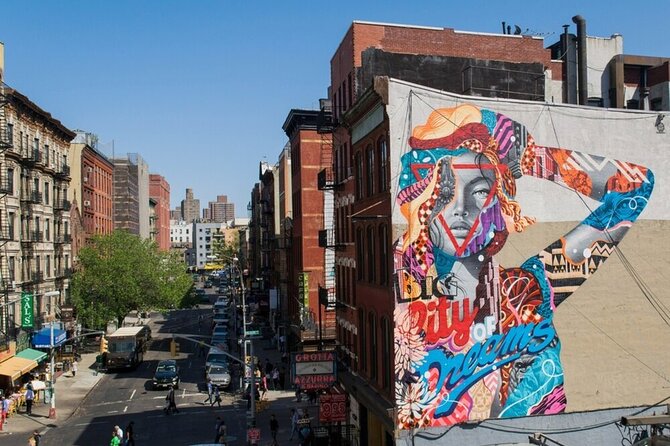
If you like your New York art out in the open, this walk hits the spot. You’ll see how SoHo, Nolita, and Tribeca became places where artists could work and show, with an especially strong focus on the SoHo artist-loft era of the 1960s and 1970s. Two things I really like: the mix of street art plus gallery time, and the guide-led storytelling that makes the neighborhoods feel connected instead of random. One thing to keep in mind: it’s a walking tour, and you’ll need moderate fitness to keep up for the full stretch.
This is run by Women of Culture, led by Alexandra (often called Alex), and the group stays small, capped at 15 travelers. The vibe is friendly and question-friendly, so you can ask about what you’re seeing without feeling rushed. The route runs from PlantShed on Prince Street to the area of The Odeon on West Broadway, which is convenient if you want to keep exploring after.
In This Review
- Key things you’ll notice on this SoHo–Nolita–Tribeca art walk
- Art That Lives in the Side Streets of SoHo, Nolita, and Tribeca
- Price and Value: What $50 Buys on a 2-Hour Neighborhood Loop
- Meeting Point to Finish Line: From PlantShed to The Odeon
- How Much Walking Is Involved (And Why It Matters)
- SoHo, Nolita, Tribeca in Motion: What You Actually See
- SoHo: Street Art + the Loft Story Behind It
- Nolita: Smaller Stops That Feel Like Discoveries
- Tribeca: Galleries and a Different Kind of Art Conversation
- A Fun Bakery Pause
- What Makes Alexandra’s Style Work
- The Loft History Lesson: Why It’s More Than a Lecture
- Weather and Timing: Plan for Looking Closely
- Who Should Book This Art-Full Discovery Walk?
- Should You Book This Art-Full Discovery Walk?
- FAQ
- How long is the Art-full discovery walk?
- Where does the tour start and end?
- What does it cost?
- What language is the tour offered in?
- How big is the group?
- Do I need good weather?
- What is the cancellation policy?
Key things you’ll notice on this SoHo–Nolita–Tribeca art walk
- Street art first, then deeper art: you’ll start with the easy-to-spot visuals and then move into gallery moments.
- The loft-history angle: you learn why the 1960s–70s SoHo artist lofts mattered for making the city’s art scene possible.
- A small group (up to 15): more chances for back-and-forth questions with Alexandra.
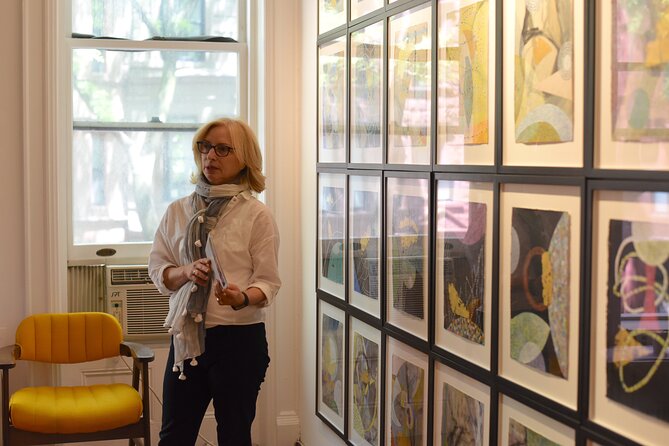
- Gallery stops with working artists: you get time with real art people, not just quick peeks.
- A bakery stop: a fun pause that keeps the tour from feeling like nonstop looking.
- A tiny museum you may miss alone: the kind of place you wouldn’t find without guidance.
Keep tasting downtown: SoHo, Chinatown and Little Italy
- SoHo, Little Italy, and Chinatown Walking Tour in New York
★ 5.0 · 3,153 reviews - NYC: Chinatown & Little Italy Food Tour with 7 Flavorful Tastings
★ 5.0 · 2,733 reviews - Original NYC Guided Food Tour of Chinatown and Little Italy
★ 5.0 · 2,194 reviews - NYC Food Tour: Chinatown and Little Italy
★ 5.0 · 1,090 reviews
Art That Lives in the Side Streets of SoHo, Nolita, and Tribeca
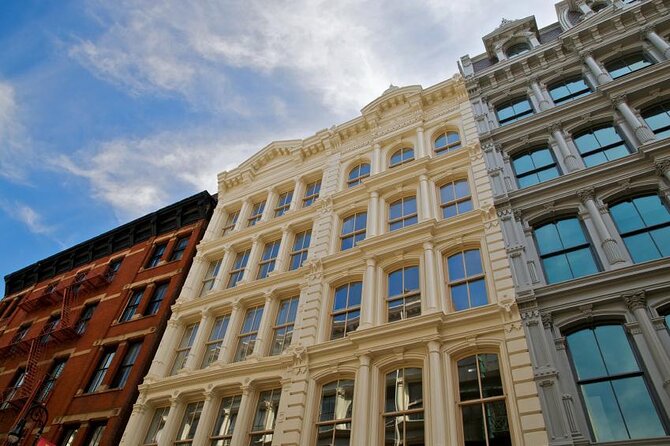
SoHo gets the credit for art, but it’s the connections that make this walk worthwhile. You’re not just passing mural to mural. You’re learning how the neighborhoods worked together—creativity, buildings, and community shaping what you see on the street today.
This also feels good if you’re local. You might think you already know SoHo’s look, but the art context can still surprise you. The tour is built to help you notice details you’d normally walk past: how the street art sits in its setting, how the loft story explains the neighborhood’s shift toward art, and how the gallery side of town fits into the same pattern.
And yes, it’s also a strong “first art walk” for visitors. The route covers major visual areas while still giving you enough time to slow down and look properly.
Price and Value: What $50 Buys on a 2-Hour Neighborhood Loop
$50 for a 2-ish hour walk sounds simple, but here’s why it can be good value. You’re paying for three things that cost money in different ways on your own: a guide, curated neighborhood context, and access to multiple art stops in one efficient route.
You’ll get:
- Street art you can process with help instead of just snapping photos
- Several gallery visits during the walk
- A guided narrative linking the neighborhoods rather than treating them like three separate stops
Also, the tour format is small-group. When you pay for a guide plus a small group, you usually get more conversation. That matters more on an art tour than on a pure sightseeing walk, because you’ll want to ask why something works—or doesn’t.
My practical advice: treat this as an art-and-neighborhood orientation session. Do it early in your trip or early in your month in NYC, and you’ll recognize more the rest of the time.
Meeting Point to Finish Line: From PlantShed to The Odeon
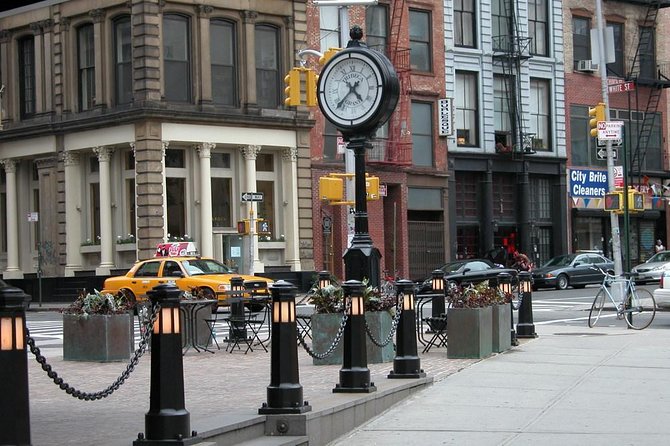
You start at PlantShed, 1 Prince St (SoHo). It’s a central enough pick-up point that getting there is straightforward, especially if you’re using subway and don’t want a long first scramble.
The tour ends at The Odeon, 145 W Broadway (SoHo/Nolita edge area). That finish spot is useful because it keeps you near places you’ll probably want to visit next anyway—food, more browsing, and easy transit.
If you’re the type who likes to plan after a tour, this layout works well. You’ll finish in a part of the city that’s built for easy follow-on wandering.
New York City on foot, a few more routes


How Much Walking Is Involved (And Why It Matters)
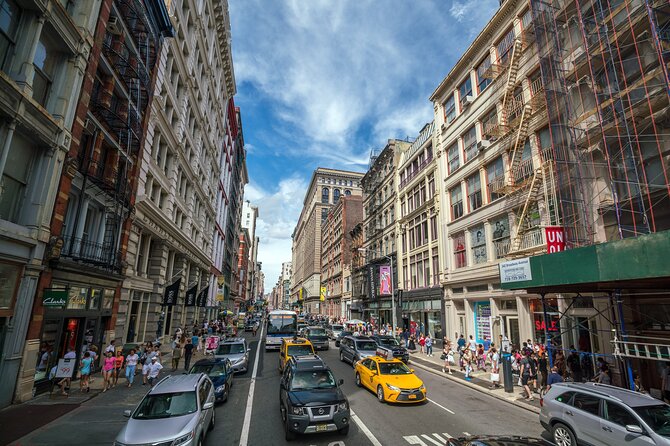
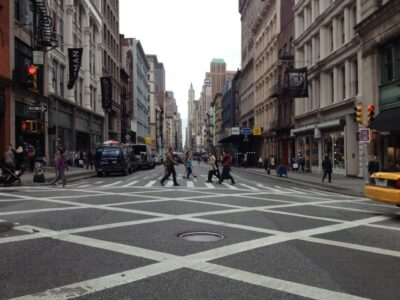
This is a walking tour, and the listing flags moderate physical fitness as the right level. Translation: you should be comfortable with a couple of hours of walking on city sidewalks, plus the usual minor curb and street-level stuff that NYC throws at you.
Because the tour is designed to move through multiple neighborhoods, you won’t be stopping every few minutes for a long sit-down. You’ll have pauses—like the bakery—but expect a steady pace.
What I’d do: wear shoes you trust. If your plan involves comfortable standing in galleries afterward, choose footwear accordingly. You’ll enjoy the art more when your feet aren’t filing complaints.
SoHo, Nolita, Tribeca in Motion: What You Actually See
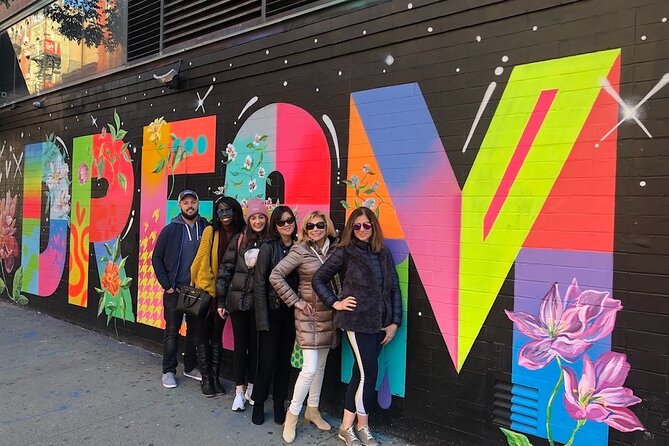
The tour is structured like a continuous discovery walk, with time concentrated across SoHo, Nolita, and Tribeca. You’ll see a layered mix of art styles and locations, and the flow matters because it helps you understand the neighborhoods as one system.
SoHo: Street Art + the Loft Story Behind It
SoHo is where the art feels built into the walls. You’ll spend time seeing street art and learning how the SoHo artist-loft era of the 1960s and 1970s helped create the conditions for art to flourish.
That loft context isn’t just trivia. It explains why the neighborhood’s “art look” isn’t random. When you understand that working artists needed space—and that buildings and zoning supported the shift—you start to notice how the city’s physical form affects culture.
You also get to look at the street art in a smarter way: instead of treating it like wallpaper, you start seeing it as part of a conversation between artists and the neighborhood.
Nolita: Smaller Stops That Feel Like Discoveries
In Nolita, the art feeling changes slightly. You’re still in a creative zone, but the tone is more intimate—more corners, more small-scale finds, more moments where you’d miss things without guidance.
This is where the tour earns its “discovery” label. You’re not only looking at famous-style street murals. You’re also getting the sense of where art fits into daily life: on blocks you’d normally pass quickly, and in places that are easy to overlook if you’re sightseeing without a plan.
Tribeca: Galleries and a Different Kind of Art Conversation
In Tribeca, the shift toward galleries makes sense. This is where you slow down and spend time with the kind of art that asks you to stand still and look longer.
One of the best parts of this walk is that you get multiple gallery stops during the tour, including time with artists’ work (and the chance to ask questions). That’s a big difference from tours that just pass a gallery door and call it done.
Also, this is where you may encounter the tour’s extra surprise: a tiny museum that’s difficult to find on your own. That kind of stop can be the memory you carry home.
A Fun Bakery Pause
The walk includes time for a bakery stop. It’s not a “free stuff” gimmick; it’s a practical break. Art tours can be mentally tiring because you’re processing a lot at once. A bakery pause helps you reset so the second half of the walk doesn’t blur.
What Makes Alexandra’s Style Work
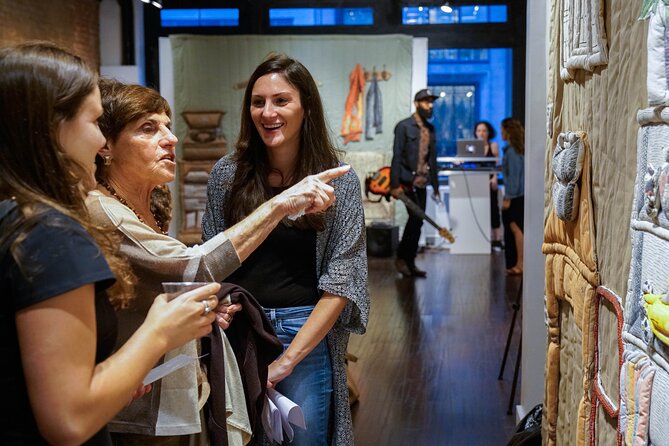
This tour is led by Alexandra, founder of Women of Culture, and the experience is described as personable and question-friendly. That matters because art talks better when you can ask follow-up questions.
Here’s what I’d look for in a good art guide, and why this one fits:
- They can connect what you’re seeing to the neighborhood’s history and layout
- They help you slow down without lecturing
- They keep the pace comfortable for a mixed group
You’ll also likely appreciate that the tour is designed for both locals and visitors. Locals get new context; visitors get orientation they can use immediately.
Group size stays small (max 15 travelers). That makes a difference when you’re trying to hear answers inside busy street corners or in gallery spaces.
The Loft History Lesson: Why It’s More Than a Lecture
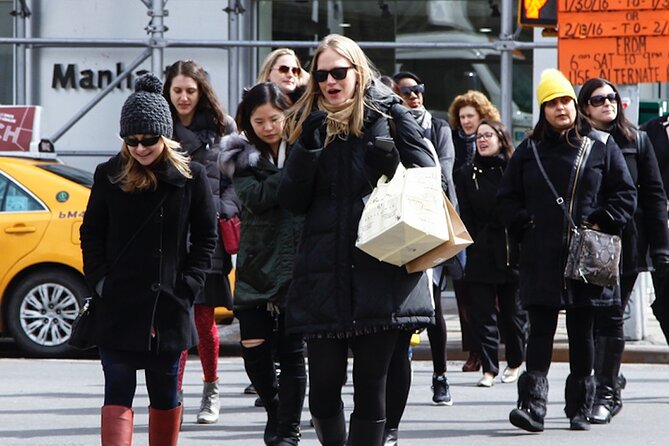
The SoHo artist-loft era theme is one of the tour’s core strengths. It connects past and present in a way that makes the neighborhoods feel logical.
When lofts became creative spaces, it wasn’t just that artists got rooms. It changed how the city functioned:
- Art production became more visible
- The neighborhood became known as a place where creative people lived and worked
- The area’s identity shifted, which influenced what came afterward—galleries, events, and the art-friendly streetscape
On this walk, you’re not only hearing the story. You’re also seeing the results of that shift in the street art, the gallery presence, and the general “why here” feel of each block.
If you’ve ever walked through a neighborhood and wondered why it looks the way it does, this part answers that itch.
Weather and Timing: Plan for Looking Closely
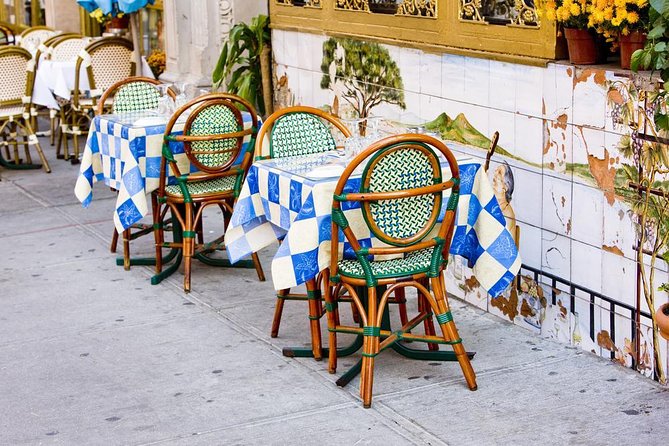
This experience needs good weather. If the forecast is rough, the tour may be rescheduled or refunded, so it’s smart to plan with a little flexibility.
Timing-wise, it’s built for a part of your day when you can walk and concentrate. It’s about 2 hours on average, and the route is listed as around 2.5 hours on the walk segment—so don’t book something tight right after.
What to wear:
- comfortable walking shoes
- layers for temperature swings
- a light bag you can manage in galleries
If you come in expecting a fast photo hunt, you might feel rushed. If you come in ready to look and ask, you’ll get more out of every stop.
Who Should Book This Art-Full Discovery Walk?
This is a great match if you:
- want a SoHo art walk that includes more than street art
- like small-group tours where you can talk to the guide
- want neighborhood context without spending half a day on transit
- are visiting NYC and want a smart “art and streets” orientation across multiple areas
- are local and tired of only seeing the parts you always pass
It may be less ideal if you:
- dislike walking for a couple of hours
- want a very structured museum schedule rather than a neighborhood flow
- prefer audio-only or self-guided tours
Should You Book This Art-Full Discovery Walk?
If your goal is to understand why SoHo, Nolita, and Tribeca feel like art neighborhoods—and to see multiple art formats in one outing—this is a good buy at $50. The main value is the combination: street art plus gallery time, backed by the SoHo loft-era story and led by Alexandra (Women of Culture) with a personable, question-friendly approach.
I’d especially recommend booking if you want to come away with a mental map of the area, not just a pile of photos. And if you’re booking in advance, you’ll likely find dates available—this tour tends to be booked about a month and change ahead on average.
If you want, tell me your travel dates and whether you’re more into street art, galleries, or neighborhood history—I can suggest the best time of day to go and how to pair it with nearby plans.
FAQ
How long is the Art-full discovery walk?
The tour is listed as about 2 hours on average, with the walking segment shown as around 2 hours 30 minutes.
Where does the tour start and end?
It starts at PlantShed, 1 Prince St, New York, NY 10012 and ends at The Odeon, 145 W Broadway, New York, NY 10013.
What does it cost?
The price is $50.00 per person.
What language is the tour offered in?
The tour is offered in English.
How big is the group?
The tour has a maximum of 15 travelers.
Do I need good weather?
Yes. The experience requires good weather. If it’s canceled due to poor weather, you’ll be offered a different date or a full refund.
What is the cancellation policy?
You can cancel for a full refund up to 24 hours before the experience’s start time. If you cancel less than 24 hours before, the amount you paid is not refunded.
Good Walks in New York City
- SoHo, Little Italy, and Chinatown Walking Tour in New York★ 5.0 · 3,153 reviews
- Secrets of Grand Central Station Walking Tour New York City★ 5.0 · 1,796 reviews
- Greenwich Village Walking and Food Tasting Tour★ 5.0 · 1,572 reviews
- Artistic, Alternative Greenwich Village Walking Tour★ 5.0 · 971 reviews
- True Crime NYC: Mafia Walk w/Ret. NYPD Detective and Local Food★ 5.0 · 848 reviews
More Tour Reviews in New York City
- NYC: SUMMIT One Vanderbilt Tickets★ 4.7 · 51,195 reviews
- NYC: Empire State Building Tickets – Observatory & Museum★ 4.7 · 25,757 reviews
- New York City: Statue of Liberty & Ellis Island with Ferry★ 4.6 · 18,683 reviews
- New York City: American Museum of Natural History Ticket★ 4.5 · 15,447 reviews
- Statue of Liberty and Ellis Island Tour: All Options★ 5.0 · 13,571 reviews
Downtown Bites: SoHo to Little Italy
- SoHo, Little Italy, and Chinatown Walking Tour in New York★ 5.0 · 3,153 reviews
- NYC: Chinatown & Little Italy Food Tour with 7 Flavorful Tastings★ 5.0 · 2,733 reviews
- Original NYC Guided Food Tour of Chinatown and Little Italy★ 5.0 · 2,194 reviews
- NYC Food Tour: Chinatown and Little Italy★ 5.0 · 1,090 reviews
- NYC: Chinatown and Little Italy Food Tour★ 4.7 · 703 reviews
Just in: the newest New York City reviews on our desk





SoHo, Chinatown & Little Italy Tours, compared.
 ★ 5.0SoHo, Little Italy, and Chinatown Walking Tour in New YorkFrom $393,153 reviews
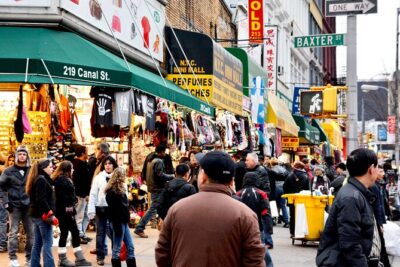 ★ 5.0Chinatown & Little Italy Food Tour with 7 Flavorful TastingsFrom $992,733 reviews
 ★ 5.0Original NYC Guided Food Tour of Chinatown and Little ItalyFrom $1302,194 reviews
 ★ 4.7Chinatown and Little Italy Food TourFrom $80703 reviews
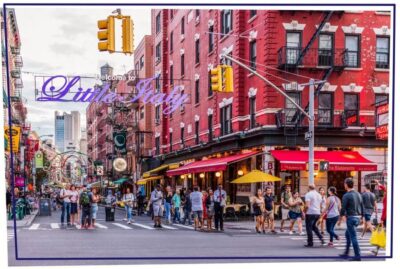 ★ 4.7SoHo, Little Italy, and Chinatown Guided TourFrom $30614 reviews
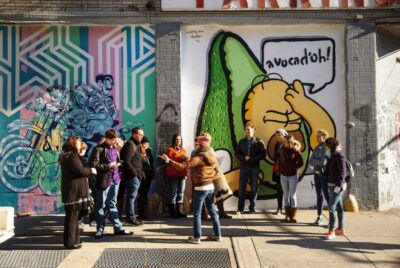 ★ 4.6SoHo, Little Italy, and Chinatown 2-Hour Guided WalkFrom $39566 reviews
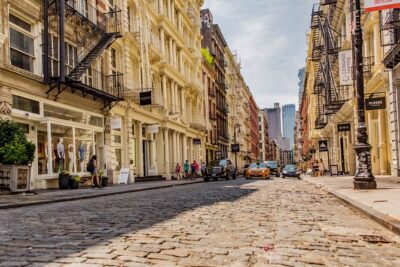 ★ 5.0SoHo, Little Italy, and Chinatown NYC Guided Walking TourFrom $36443 reviews
Browse the lists this tour appears in