
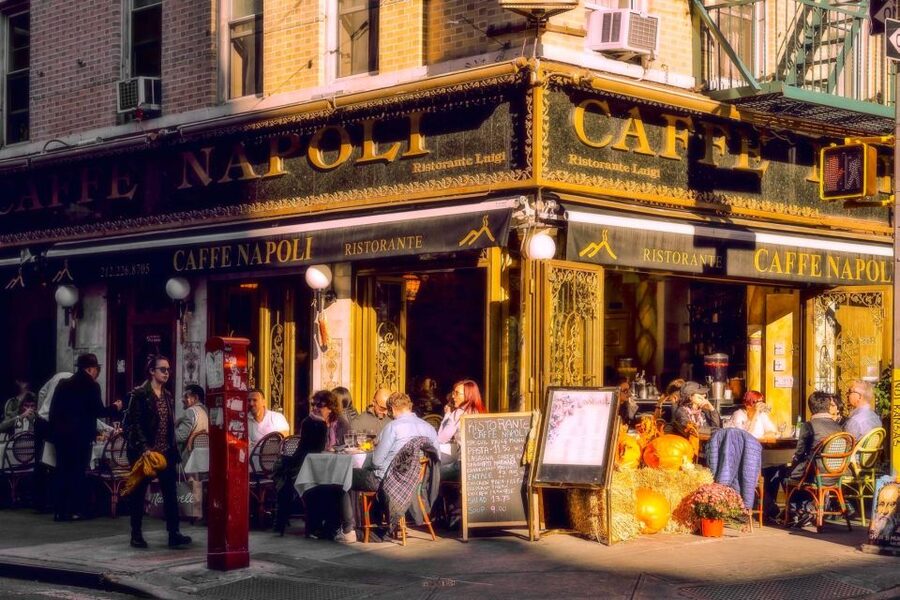
Reviewed · SOHO, CHINATOWN & LITTLE ITALY TOURS
Little Italy Official Walking Tour – Manhattan NYC
Little Italy smells like a story you can walk. This official walking tour turns a familiar grid into a living neighborhood—between canoli stops and the trail of Joseph Petrosino you’ll actually feel the community behind the names. You’ll also pick up film-fact context as you go, including the streets tied to Martin Scorsese’s upbringing and the kind of locations where new productions may pop up.
I like how the guide keeps it personal and neighborhood-level, not museum-level. One thing to watch: the start point is a specific kiosk at Walker, Hester, and Canal Streets, and you’ll need to exchange your voucher for a ticket, so I’d arrive early and look for the Tommy’s New York banners and the check-in agent.
In This Review
- Key Things I’d Highlight Before You Go
- Walking From The Chinatown Little Italy Kiosk: Where The Tour Starts
- North Little Italy Stops: Canollis, Play Street, and Italian-Owned Shops
- Church And Community Identity: The First American Catholic Church Moment
- Joseph Petrosino: Why His Story Matters In This Neighborhood
- Martin Scorsese Streets and Film/TV Locations You Can Actually Spot
- When Shop Owners and Locals Lead The Way
- Price And Timing: Is $37 Worth 90 Minutes?
- Practical Tips So You Don’t Lose Time Looking For The Kiosk
- Who This Tour Suits Best
- Should You Book The Little Italy Official Walking Tour?
- FAQ
- Where is the tour meeting point?
- How long is the Little Italy Official Walking Tour?
- How much does it cost?
- Does the tour run in bad weather?
- What should I bring?
- What languages is the tour offered in?
- Is the tour wheelchair accessible?
- Can I get a refund if I change my plans?
Key Things I’d Highlight Before You Go
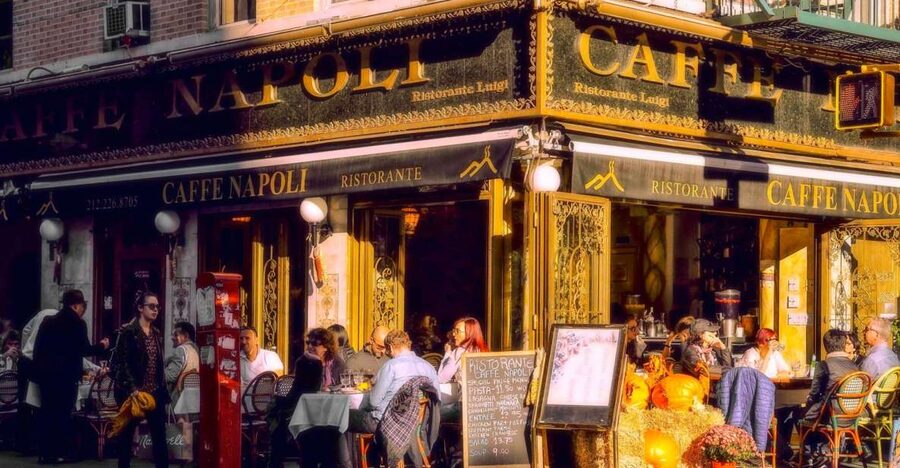
- Canoli aroma as part of the route, not just background
- Play Street stickball context that explains how kids shaped the block
- Italian American-owned shop owners and local residents as the voice of the story
- Joseph Petrosino brought into view through tribute stops tied to early Italian American policing
- Martin Scorsese upbringing streets plus film/TV location spotting
- Official Chinatown Little Italy Historic District partnership, with narrative developed with historic district partners
Keep tasting downtown: SoHo, Chinatown and Little Italy
- SoHo, Little Italy, and Chinatown Walking Tour in New York
★ 5.0 · 3,153 reviews - NYC: Chinatown & Little Italy Food Tour with 7 Flavorful Tastings
★ 5.0 · 2,733 reviews - Original NYC Guided Food Tour of Chinatown and Little Italy
★ 5.0 · 2,194 reviews - NYC Food Tour: Chinatown and Little Italy
★ 5.0 · 1,090 reviews
Walking From The Chinatown Little Italy Kiosk: Where The Tour Starts
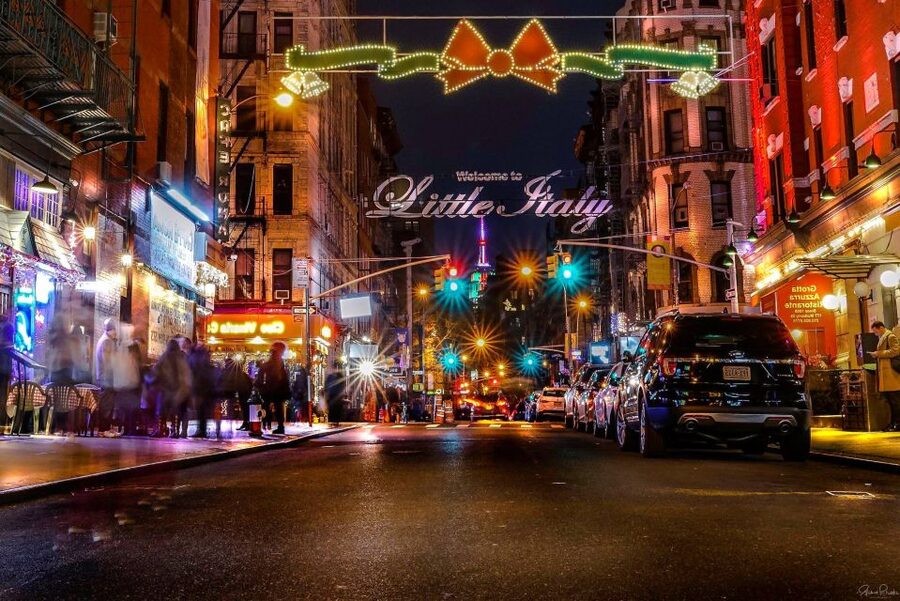
You begin at the Chinatown Little Italy information kiosk at Walker, Hester, and Canal Streets. Before you set off, you exchange your voucher for a ticket, and the provider notes that you should look for Tommy’s New York banners and a check-in agent near the kiosk.
This matters more than it sounds. If you arrive late or you’re hunting for the wrong booth, you can lose your window before the group departs. When I plan tours like this, I treat the meeting point like a train platform: get there early enough to settle, not just early enough to race.
The tour is listed as English and 90 minutes, so you’re moving at a steady walking pace without long waits. It also runs rain or shine, so you’ll want shoes you can stand in and walk in for an hour and a half.
North Little Italy Stops: Canollis, Play Street, and Italian-Owned Shops
Once you’re underway, the tour focuses on the northern portion of historic Little Italy. Expect the guide to connect streets to people and to everyday life—how businesses served the neighborhood, and how residents used the block.
One of the best parts is the sensory cue: you’re meant to catch the rich, sweet aroma of Italian canollis from local shops as you pass. This is simple, but it works. It turns your walk into a lived-in experience, where food culture is part of the neighborhood story, not something you have to schedule separately.
You’ll also hear about Play Street, where neighborhood kids used to play stickball. That’s not just trivia. Stickball was a street-level way for kids to improvise games with whatever space they had, and it’s a great example of how community life played out in small, real places.
Another strong theme is meeting people who run the neighborhood’s businesses. You’ll meet shop owners of authentic Italian American-owned establishments, and you’ll rub shoulders with local residents who grew up in the area. Even if you think you know Little Italy from postcards, this is the piece that makes the tour feel current: you’re learning how the neighborhood is shaped by the families still standing behind the counters.
Church And Community Identity: The First American Catholic Church Moment
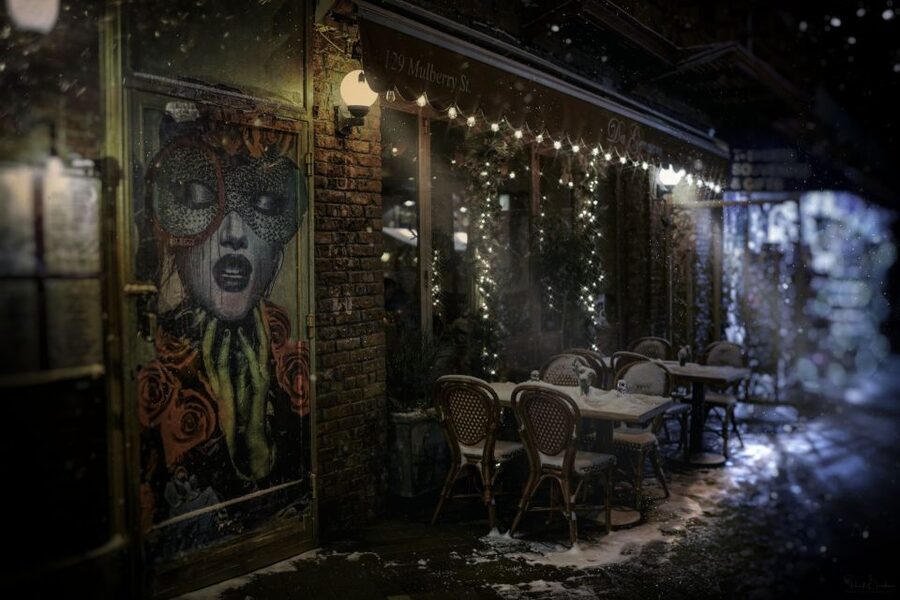
A major storyline on the walk is Italian American community identity—especially through early religious life. The guide includes information about the first American Catholic Church built specifically for the Italian American community.
I like this stop because it explains a pattern you’ll see in immigrant neighborhoods across the city: places of worship weren’t only about faith. They were also community hubs where language, culture, and support systems could gather under one roof. In a place like Little Italy, that context makes the streets around you feel more coherent.
You’ll also get a sense of how memorialization works on this walk. The tour includes a tribute to the haunts of Joseph Petrosino, described as the first Italian American Police Lieutenant. If you’ve heard the name before, this gives it neighborhood gravity. If you haven’t, it’s a reminder that early Italian American history includes public-service roles too, not only migration narratives.
New York City at street level, a few more walks

Joseph Petrosino: Why His Story Matters In This Neighborhood
Joseph Petrosino is one of those names that rewards a guide’s context. On this tour, you don’t just hear facts and move on—you’re meant to connect his role to the streets and the people who would have known the neighborhood world he was part of.
The tour presents him specifically as the first Italian American Police Lieutenant and includes a tribute stop for his story. That framing is useful because it shifts the discussion from generic ethnic history to a particular kind of local achievement and visibility. You’ll leave with a clearer understanding of how early Italian American figures were navigating life in New York in ways beyond everyday work and family life.
This is also one of the parts where your guide’s tone matters. A good guide can make the point without turning it into a lecture, and with an experience like this, that’s exactly what you’re looking for: names you can connect to real places you just walked past.
Martin Scorsese Streets and Film/TV Locations You Can Actually Spot
If you care about movies, this section is a big draw. The tour includes streets where Martin Scorsese grew up, plus locations connected to famous films and TV shows.
What I like about this kind of walking is that it trains your eye. Instead of treating the neighborhood as a set you visited once, you learn to watch for cues—building placement, street layout, and the kind of corners where scenes often land. Even without perfect knowledge, you start noticing how Hollywood uses the same geometry real people use.
The tour also notes that you might see filming happening during your visit. That’s one reason this works so well in real life. You walk in step with the neighborhood as it is now, not as a static postcard.
When Shop Owners and Locals Lead The Way
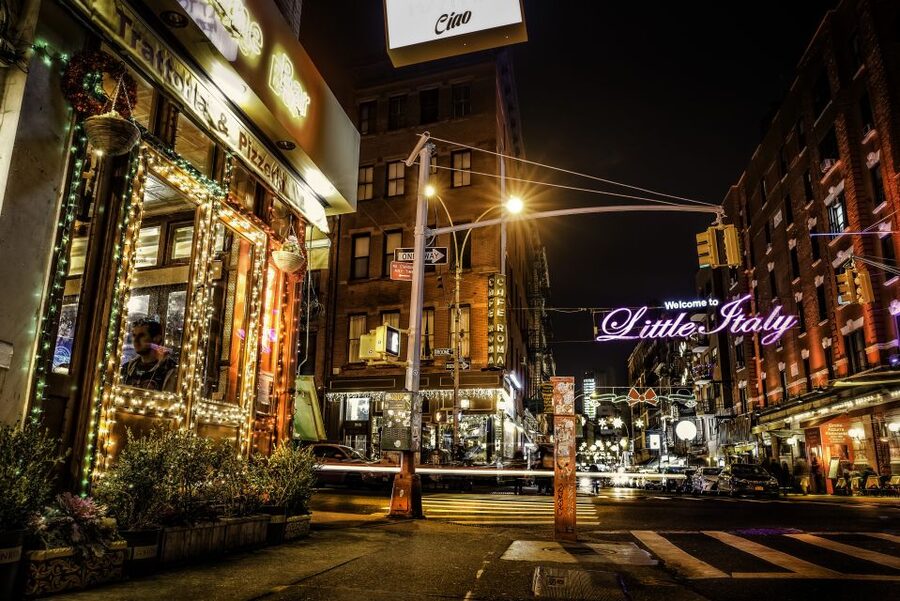
One of the most valuable parts of this tour is the human angle. The experience is designed to introduce you to Italian American-owned establishments, and it emphasizes contact with local residents who grew up in Little Italy.
Why does this matter? Because guides can tell you history, but locals can reveal what history feels like in daily life. The tour’s format leans into that by building scenes around the people who still live and work there.
It also helps that this tour is tied to the Official Walking Tour of the Chinatown Little Italy Historic District. The listing says the route and narrative were developed in collaboration with the Historic Districts Council, and it’s in partnership with the Two Bridges Neighborhood Council and the Chinatown Little Italy Historic District Association. Translation: you’re getting a structured story with local district involvement, not just a random walk someone improvised.
Price And Timing: Is $37 Worth 90 Minutes?
At $37 per person for 90 minutes, you’re paying for two things: a timed guided walk and a tight storyline that connects food, community life, policing legacy, and film locations. In New York, where self-guided exploring can be free but also scattershot, that structure is part of the value.
Here’s how I’d think about it:
- You’re not just walking—you’re learning why these blocks matter.
- The canoli aroma and the chance to meet shop owners add texture you might miss on your own.
- The tour is short enough to fit into a day plan without turning into your whole afternoon.
The main tradeoff is that 90 minutes can’t cover every corner of the neighborhood. If you want to linger outside specific shops or stop for extra browsing time, plan to build that in after the tour ends.
Practical Tips So You Don’t Lose Time Looking For The Kiosk
This is the place I’d be most careful. The tour starts at a kiosk at Walker, Hester, and Canal Streets, and you exchange your voucher for a ticket. Look for Tommy’s New York banners and the check-in agent near the kiosk.
That instruction isn’t “nice to have.” It directly affects whether your tour experience starts smoothly or starts with stress. I’d give it extra buffer time, especially if you’re not local and you’re unfamiliar with the immediate corner layout.
Also pack for movement. The tour asks for comfortable shoes and weather-appropriate clothing, and it runs rain or shine, so bring what you need for the conditions that day. There’s no point doing the planning math to pick a 90-minute tour if you’re then stuck walking uncomfortably for most of it.
Who This Tour Suits Best
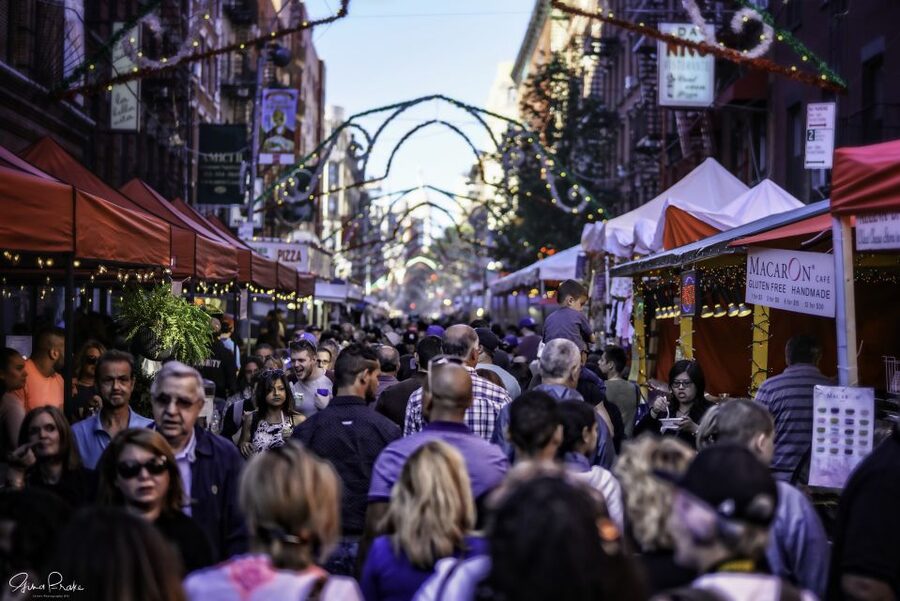
This is a smart pick if you want an efficient, structured way to see Little Italy beyond the postcard level. It’s also ideal if you’re interested in Italian American community identity, policing legacy, and pop-culture clues you can tie to real streets.
You’ll likely enjoy it most if you like:
- food-and-neighborhood storytelling (yes, the canoli aroma is part of the route)
- short, guided context that helps you “read” what you see
- meeting the people behind the businesses, not just photo stops
If you’re the type who only wants long stays at major landmarks, you might find the format brief. It’s a walking tour, so the rhythm is about motion and narrative, not extended time in one location.
Should You Book The Little Italy Official Walking Tour?
I’d book it if you want a guided walk that connects Italian-owned shops, community stories, and film-location spotting in a compact 90-minute format. The partnership and collaboration details suggest you’ll follow a coherent route, and the focus on people—shop owners and residents—adds real-world credibility.
I’d pause before booking only if you’re the kind of traveler who shows up right at the last minute to meeting points. The start location is specific, and you’ll need to exchange your voucher at the kiosk. If you can handle that simple logistics step, this tour offers strong value for the time.
FAQ
Where is the tour meeting point?
Meet your guide at the Chinatown Little Italy information kiosk at Walker, Hester, and Canal Streets. You’ll exchange your voucher for a ticket at the kiosk, and you should look for Tommy’s New York banners and a check-in agent nearby.
How long is the Little Italy Official Walking Tour?
The tour lasts 90 minutes.
How much does it cost?
The price is $37 per person.
Does the tour run in bad weather?
Yes. The tour is scheduled to take place rain or shine.
What should I bring?
Wear comfortable shoes and bring comfortable clothes and weather-appropriate clothing.
What languages is the tour offered in?
The live tour guide provides the tour in English.
Is the tour wheelchair accessible?
Yes, the tour is listed as wheelchair accessible.
Can I get a refund if I change my plans?
The activity offers free cancellation up to 24 hours in advance for a full refund.
More Tour Reviews in New York City
- NYC: SUMMIT One Vanderbilt Tickets★ 4.7 · 51,195 reviews
- NYC: Empire State Building Tickets – Observatory & Museum★ 4.7 · 25,757 reviews
- New York City: Statue of Liberty & Ellis Island with Ferry★ 4.6 · 18,683 reviews
- New York City: American Museum of Natural History Ticket★ 4.5 · 15,447 reviews
- Statue of Liberty and Ellis Island Tour: All Options★ 5.0 · 13,571 reviews
New York City, One Block at a Time
- SoHo, Little Italy, and Chinatown Walking Tour in New York★ 5.0 · 3,153 reviews
- Secrets of Grand Central Station Walking Tour New York City★ 5.0 · 1,796 reviews
- Greenwich Village Walking and Food Tasting Tour★ 5.0 · 1,572 reviews
- Artistic, Alternative Greenwich Village Walking Tour★ 5.0 · 971 reviews
- Brooklyn Bridge & DUMBO Neighborhood Tour – from Manhattan to Brooklyn★ 5.0 · 826 reviews
Downtown Bites: SoHo to Little Italy
- SoHo, Little Italy, and Chinatown Walking Tour in New York★ 5.0 · 3,153 reviews
- NYC: Chinatown & Little Italy Food Tour with 7 Flavorful Tastings★ 5.0 · 2,733 reviews
- Original NYC Guided Food Tour of Chinatown and Little Italy★ 5.0 · 2,194 reviews
- NYC Food Tour: Chinatown and Little Italy★ 5.0 · 1,090 reviews
- NYC: Chinatown and Little Italy Food Tour★ 4.7 · 703 reviews
Just in: the newest New York City reviews on our desk





SoHo, Chinatown & Little Italy Tours, compared.
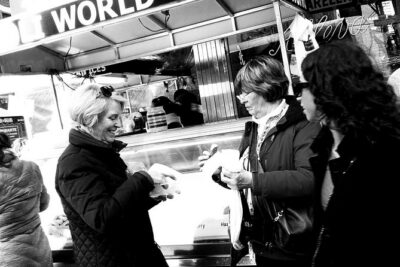 ★ 5.0SoHo, Little Italy, and Chinatown Walking Tour in New YorkFrom $393,153 reviews
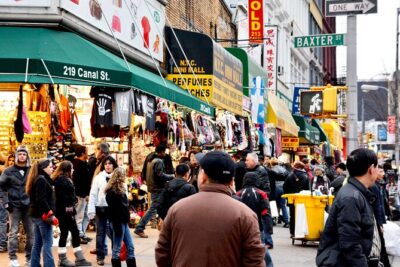 ★ 5.0Chinatown & Little Italy Food Tour with 7 Flavorful TastingsFrom $992,733 reviews
 ★ 5.0Original NYC Guided Food Tour of Chinatown and Little ItalyFrom $1302,194 reviews
 ★ 4.7Chinatown and Little Italy Food TourFrom $80703 reviews
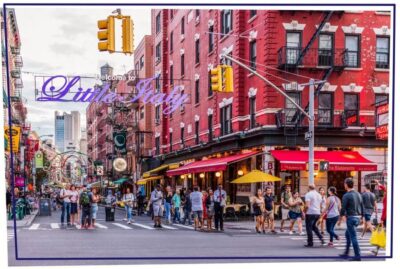 ★ 4.7SoHo, Little Italy, and Chinatown Guided TourFrom $30614 reviews
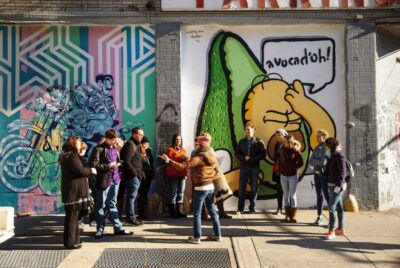 ★ 4.6SoHo, Little Italy, and Chinatown 2-Hour Guided WalkFrom $39566 reviews
 ★ 5.0SoHo, Little Italy, and Chinatown NYC Guided Walking TourFrom $36443 reviews
Browse the lists this tour appears in