
Reviewed · WALL STREET & FINANCIAL DISTRICT TOURS
Wall Street: The birth place of NYC in French/English tour
Wall Street walks you back in time. On this 3-hour French/English tour, you’ll connect what you see in the Financial District to how New York got started.
I like the way the route stays logical—east to west—so the story builds instead of jumping around. And I appreciate that the guide, David, keeps the pace human, with tons of anecdotes that make the facts stick.
Two things I especially like: the tour’s focus on specific historic anchors (Federal Hall, Trinity Church, and Wall Street itself), and the small “pause points” that most people miss, like a tucked-away park and an elevated viewpoint toward Brooklyn.
One possible drawback: you’ll be walking a lot of Manhattan sidewalks in a short window, so wear comfortable shoes and plan for frequent stops rather than a long sit-down break.
In This Review
- Key Points to Know Before You Go
- From Lenape Land to Wall Street Money: what you’re really seeing
- Meeting at the Ipic Theater and walking the East-to-West route
- Old print shop beginnings, a first paved street, and the quiet pockets people miss
- Stone Street and Dutch tavern foundations: early New Amsterdam life
- Wall of Wall Street, the New York Stock Exchange, and Federal Hall
- Trinity Church cemetery, Hamilton’s tomb, and the power of place
- Charging Bull, Fearless Girl controversy, and why symbols matter on Wall Street
- National Museum of the American Indian and New York’s first park
- Views toward Brooklyn, an old bagel stop, and a smart finishing energy
- Ending at the World Trade Center site with context, not just closure
- Price and value: is $70 for 3 hours a fair deal?
- Who should book this Wall Street origins tour
- Should you book this Wall Street: The birth place of New York City tour?
- FAQ
- Where is the meeting point for the tour?
- How long is the Wall Street: birth place of New York City tour?
- What languages are offered?
- How much does the tour cost?
- Is the tour wheelchair accessible?
- What are some of the main stops included?
- Is there free cancellation?
- Do I have to pay right away?
Key Points to Know Before You Go
- David’s storytelling style makes Wall Street history feel personal, not textbook.
- East-to-west pacing helps you understand how the city grew across Lower Manhattan.
- Early New York stops include first paved street, Stone Street, taverns, and Dutch-era foundations.
- Icon sites plus context cover the Charging Bull and Fearless Girl with the controversy explained.
- A mix of landmarks and lesser-known corners adds variety beyond the famous storefront photos.
- Ending at the World Trade Center site gives you a more complete picture of what this area means today.
More history where the money moves
- NYC City Tour: Statue of Liberty, 9/11 Memorial, Wall Street
★ 4.5 · 2,059 reviews - Wall Street Insider Tour with a Finance Professional
★ 4.5 · 660 reviews - Wall Street Insider Tour with a Finance Professional
★ 4.5 · 571 reviews - Manhattan Group Tour Including Wall Street and 911 Memorial
★ 5.0 · 408 reviews
From Lenape Land to Wall Street Money: what you’re really seeing
This is one of those NYC tours where the map looks simple—Lower Manhattan, mostly walking—but the meaning is layered. You start with the earliest known presence in the area, then move through the Dutch and English eras, then land at the modern Financial District with all its power symbols.
What makes it work for you is the cause-and-effect approach. Each stop explains why the next one matters. You don’t just hear dates. You hear how decisions, waterways, trade, and immigration shaped where people built streets, taverns, worship spaces, and meeting places.
A big plus is that David doesn’t treat the tour as a lecture. The tone is friendly and conversational, with humor and detail that keeps attention. You’ll also get a clear sense of why this part of Manhattan feels different from, say, Midtown: this is where the city’s economic and political gravity began.
Meeting at the Ipic Theater and walking the East-to-West route
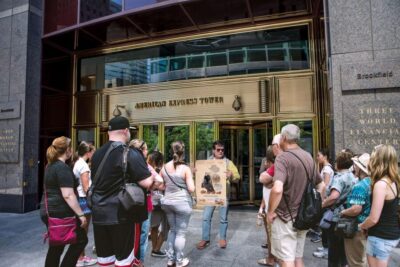
Your tour starts at a very specific spot: the man with the hat in front of the Ipic theater. It’s the kind of meeting point that helps you avoid the usual confusion of “which corner exactly?”
From there, the route moves across the southern tip of Manhattan from east to west. That direction matters. As you walk, you’ll see how Lower Manhattan’s layout guided movement and trade—first through waterways and early settlement patterns, then through streets that became permanent business corridors.
Because it’s a 3-hour experience, the timing is tight but well-used. You’ll stop often, but the breaks are short and purposeful—enough to absorb one story before moving to the next landmark.
Old print shop beginnings, a first paved street, and the quiet pockets people miss
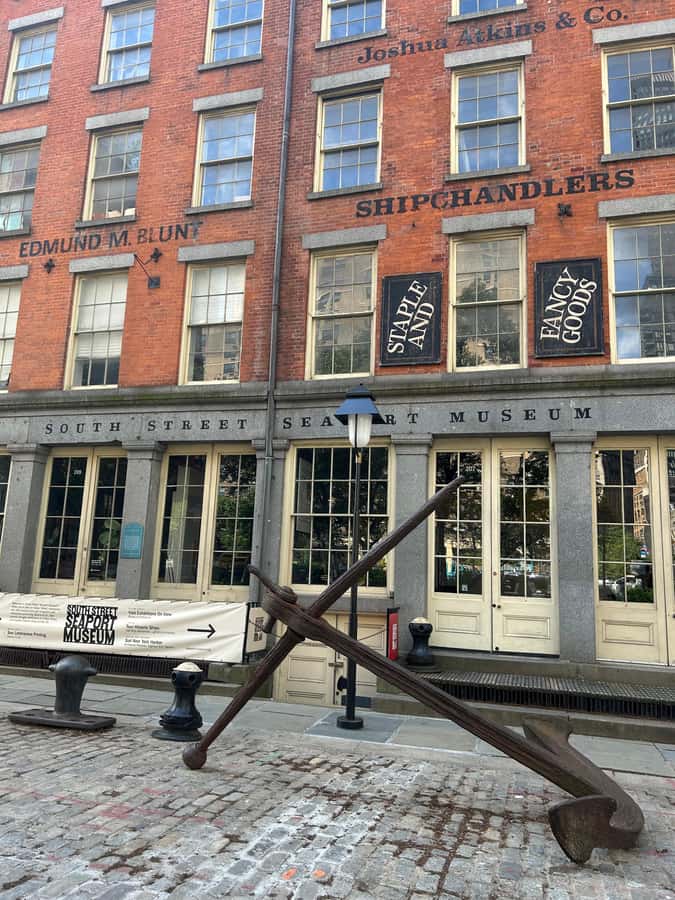
The tour begins at New York’s oldest print shop. That sets a useful theme right away: this area wasn’t only about power and money. It was also about information—printing, sharing news, and shaping public life.
Next you’ll hit a small park tucked away from the busy streets. This kind of pause is more than scenery. It gives you a visual reset so the next historic site lands better. When the city around you is loud, a hidden pocket of green can make the timeline feel more real.
Then comes walking along New York’s very first paved street. That’s the kind of detail you might walk past on your own without noticing. On this tour, it becomes a clue about the city’s growth from earlier, rougher infrastructure to a more permanent urban fabric.
If you like history that you can literally stand on top of, these early-street and small-park moments are a strong reason to book.


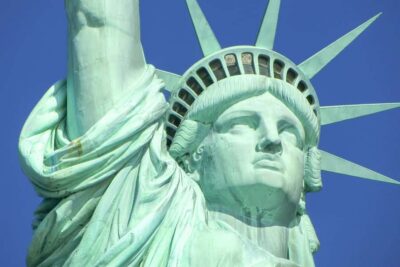

Stone Street and Dutch tavern foundations: early New Amsterdam life
One of the smartest stops is Stone Street, described as the first street of New York City. The value here isn’t just bragging rights. It helps you picture what the area was for. Early streets meant foot traffic, commerce, and people gathering for food, business talk, and news.
The tour also includes the foundations of a Dutch tavern. This is a great “how do we know” moment. You’re looking at remnants of older structures, and the guide ties them to the Dutch period when this city was known as New Amsterdam.
You’ll also visit an oldest tavern still in operation—Fraunces Tavern is part of the experience. Taverns sound casual, but in early NYC they were serious social hubs. They connected travelers, merchants, and locals. So when you hear tavern stories here, you’re hearing about the communication network of the day.
And because David is good with anecdotes, these stops don’t feel like “old walls.” They feel like places where conversations happened—just with different uniforms and currencies.
Wall of Wall Street, the New York Stock Exchange, and Federal Hall
Now you move from taverns and street life into finance and government, and the tour doesn’t lose its storyline. You’ll learn about the Stock Exchange—old and new—so you can see how the financial district evolved from early meeting points into the modern institutions people associate with Wall Street today.
You’ll also hear about the wall of Wall Street and its story. That’s a useful correction for anyone who thinks Wall Street started as a brand name. This area has physical origins tied to protection and settlement patterns. Learning that early background makes today’s skyscrapers feel less random.
Then comes Federal Hall, including where George Washington took the oath of office. This stop is one of the most meaningful on the route because it connects civic change with a specific place. You’re not just seeing a famous building; you’re seeing a moment that shaped how the new country organized power.
A practical tip: at Federal Hall, take a minute to slow down and look around. The surrounding streets can feel like a quick pass, but the guide’s explanations make the surrounding layout relevant.
Trinity Church cemetery, Hamilton’s tomb, and the power of place
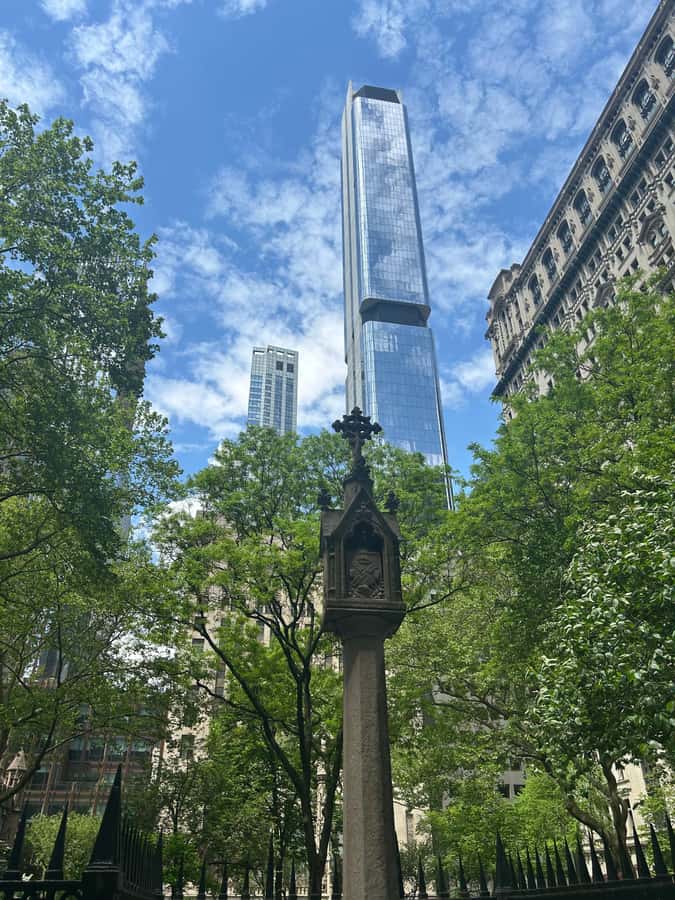
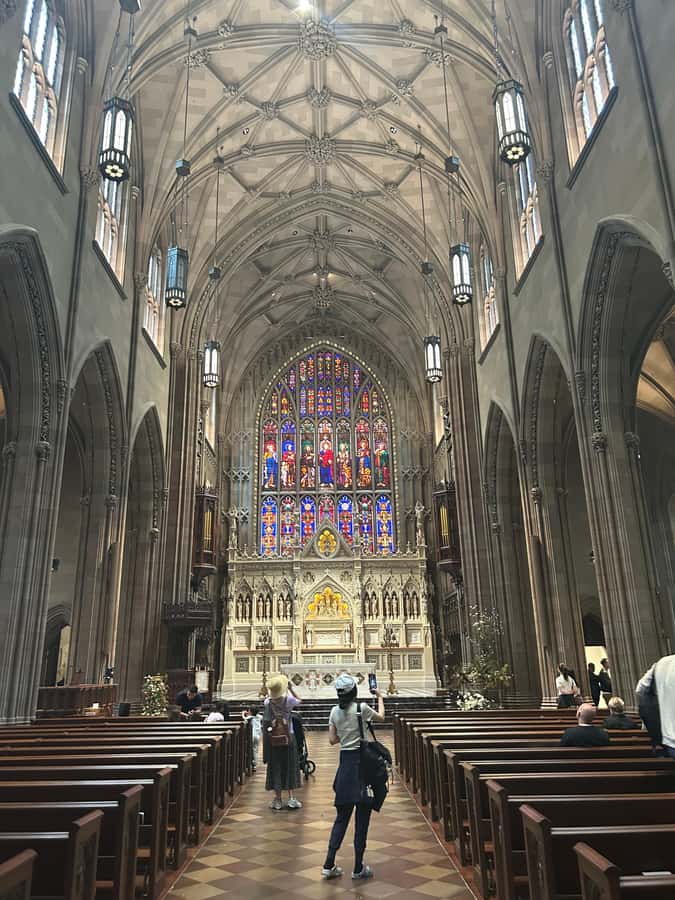
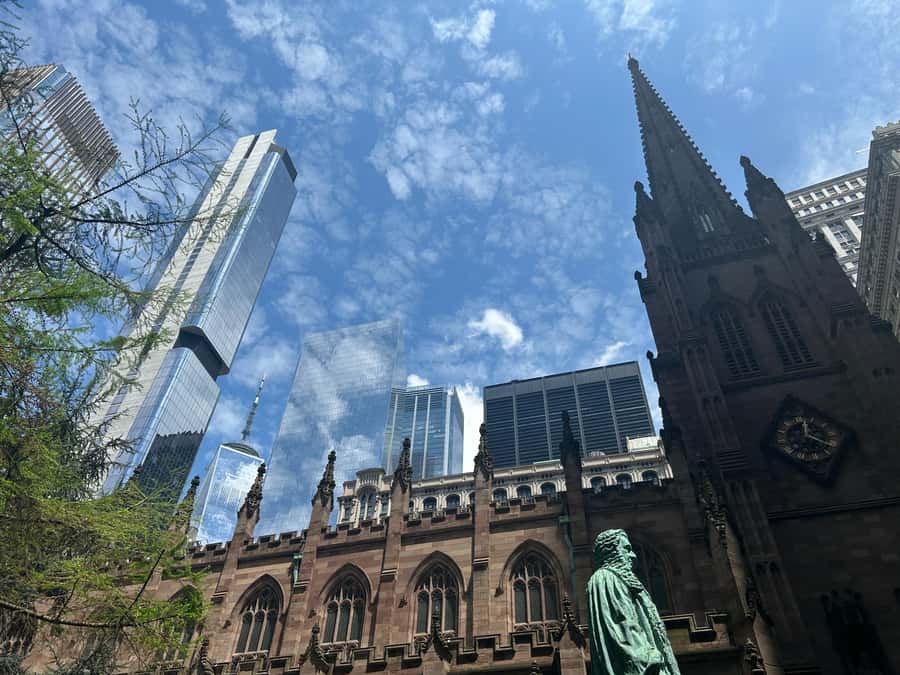
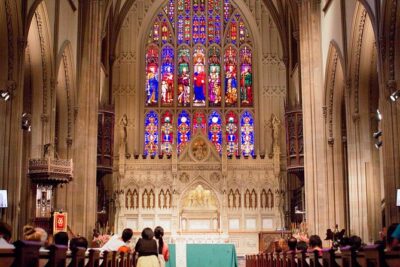
Trinity Church is included with its cemetery and Hamilton’s tomb. For me, this is where the tour becomes more than “money and landmarks.” It shows how politics, religion, and prominent families were woven into the city’s physical map.
A cemetery stop can feel heavy if you’re expecting only light sightseeing, but this one is handled with context. You’ll understand why the burial ground matters in the story of the city and why names like Hamilton are tied directly to the early American era.
This is also a good point for you to appreciate how the tour balances big national events with local meaning. Federal Hall gives you the oath of office. Trinity Church and the cemetery give you the aftermath—how early leaders lived, influenced, and were memorialized.
Charging Bull, Fearless Girl controversy, and why symbols matter on Wall Street
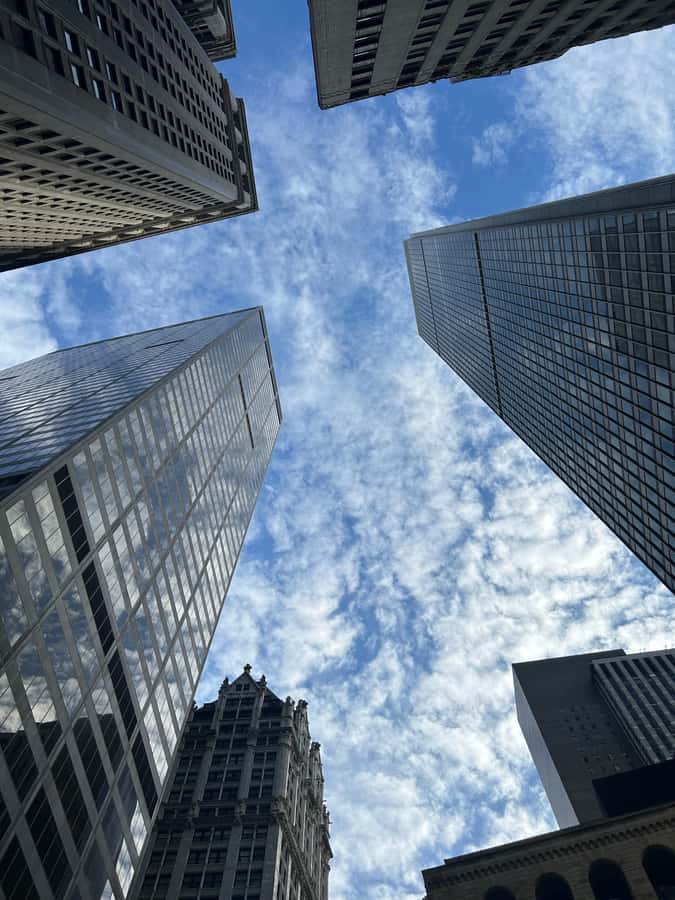
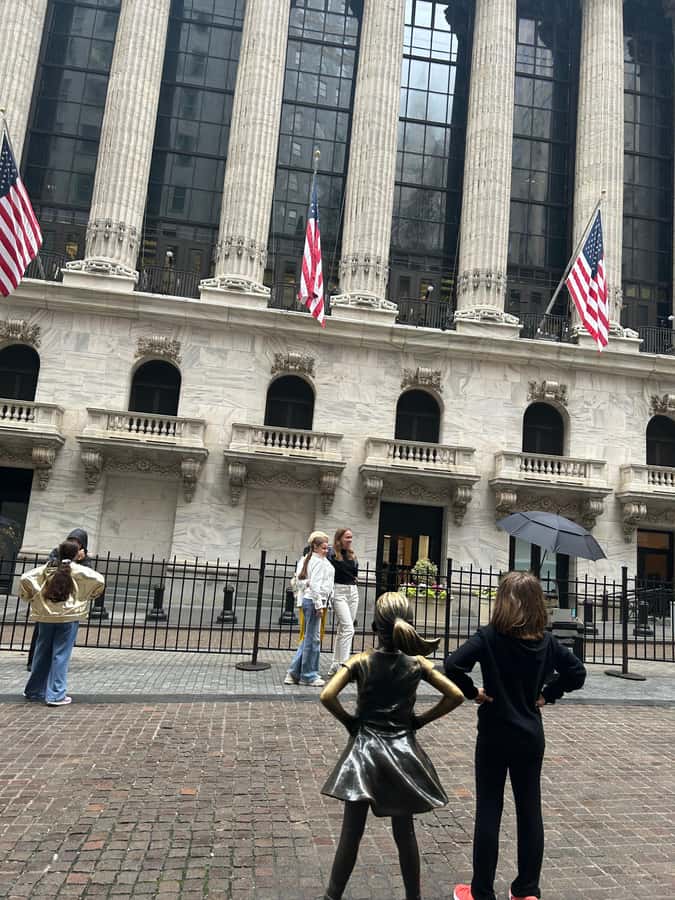
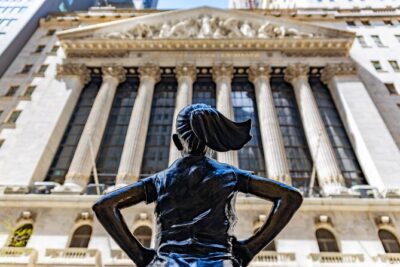
Once you’re in the Wall Street stretch, you’ll see the Charging Bull and Fearless Girl. These statues are famous for a reason, but what matters on this tour is how the guide explains the symbolism and the controversy.
Why this matters for you: on Wall Street, money moves fast. Symbols are the opposite—they’re slow messages meant to stick. Seeing how people interpret these statues helps you read the space beyond the photo.
You’ll also cover more of the surrounding Wall Street area, tying the modern brand of power back to the earlier settlement patterns you already learned. That’s the main trick of the tour: it keeps you from thinking history is something behind glass.
If you’re the type who likes understanding what something means (not just what it looks like), don’t skip the statue stops. They’re short, but they connect directly to the city’s ongoing conversations about wealth and representation.
National Museum of the American Indian and New York’s first park
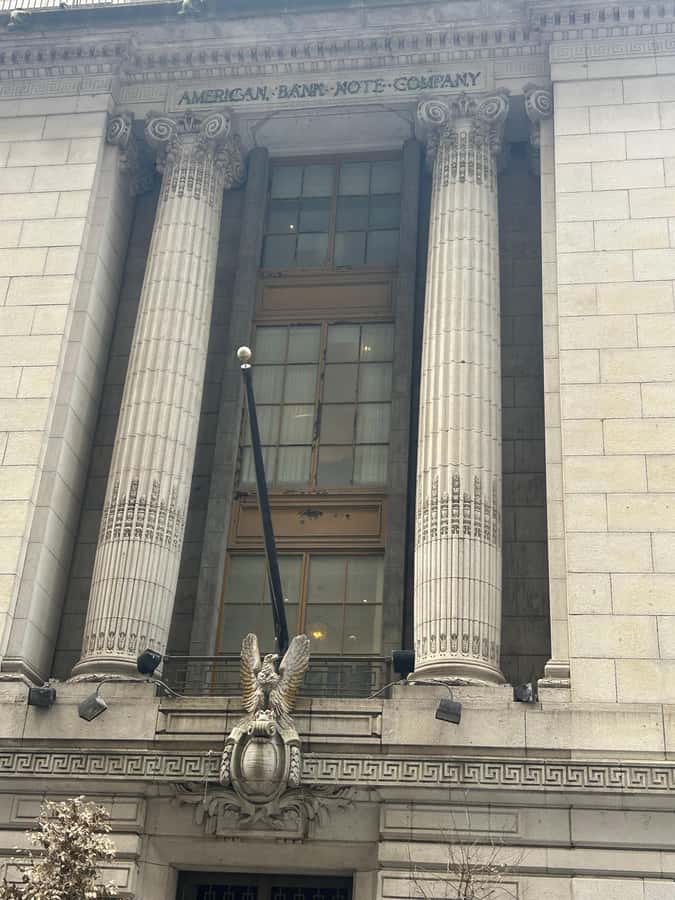
After the Wall Street icons, the tour shifts toward culture and preservation. You’ll visit the National Museum of the American Indian, which adds an important counterweight to the finance-heavy vibe of the FiDi streets.
From there, you’ll see New York State’s very first park. That’s a striking way to remember this area isn’t only about buildings and institutions. Parks are part of how cities decide what to protect, where to allow public space, and how to shape daily life.
This pairing also helps you understand the city’s timeline as more than European settlement. Starting earlier in the story and then showing you an institution dedicated to Indigenous communities makes the overall experience feel more complete.
Views toward Brooklyn, an old bagel stop, and a smart finishing energy
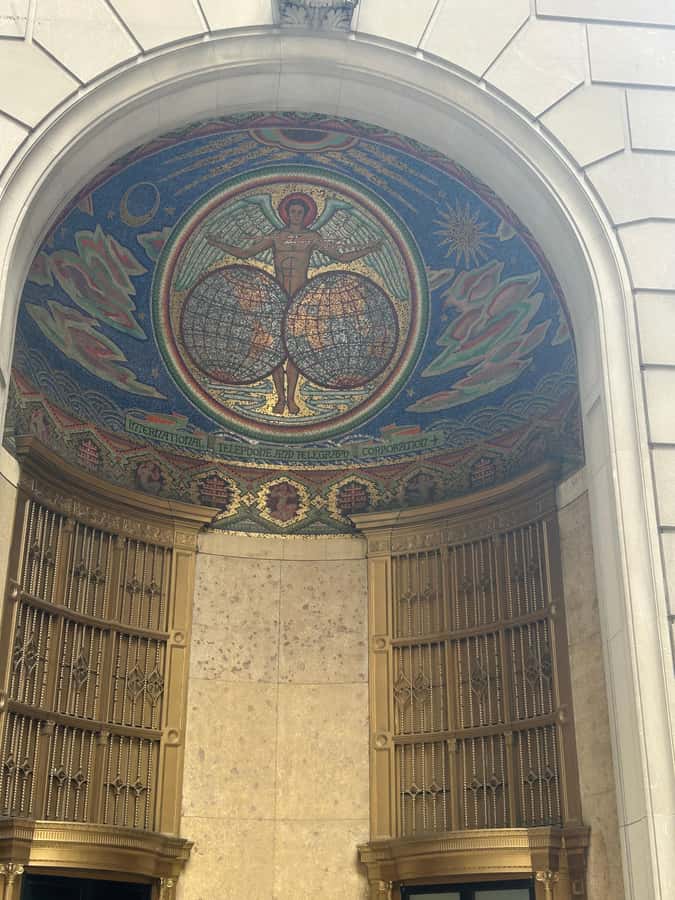
One of the nicer surprises is an elevated park stop with views toward Brooklyn. It’s the kind of viewpoint that makes you realize how much of NYC’s history is also about geography—harbor life, routes across the water, and the way Lower Manhattan became a hub.
The tour also includes an old bagel shop described as the most original bagel shop in town. You’re not just sightseeing; you’re getting a taste of the everyday NYC ritual that still connects to the old neighborhood rhythm. Even if you don’t go big on food, knowing there’s time built in for a quick bite keeps the tour from feeling like a nonstop sprint.
You’ll also see the oldest standing in NYC, adding another “proof of age” moment to the walk. These are the stops where you realize why guides insist on small details: they’re what make history feel physical.
Ending at the World Trade Center site with context, not just closure
The tour ends at the World Trade Center site. This ending gives you perspective on how this financial district has changed, rebuilt, and redefined itself in the modern era.
Because you’ve already walked through political foundations, tavern-era social life, and Wall Street’s power symbols, the final stop doesn’t feel like a hard reset. It feels like part of the same story: the city’s role as a center for decisions that affect people far beyond NYC.
This is also a good moment to look back at what you learned. The symbols you saw earlier, the civic moments at Federal Hall and Trinity, and the cultural stops along the way all help you understand why this specific corner of Manhattan carries emotional weight.
Price and value: is $70 for 3 hours a fair deal?
At $70 per person for a 3-hour walking tour, you’re paying for three things that usually cost more separately: a licensed guide, an efficient route packed with landmark-level stops, and context that turns “sights” into a story.
If your goal is to cover big anchors like Federal Hall, Trinity Church (and Hamilton’s tomb), Wall Street’s iconic statues, plus earlier-era sites like Stone Street and tavern stops, the value adds up quickly. You’re not just seeing famous photos. You’re learning how the places connect.
You also get the option of French or English, and you’re working with a guide who brings a lively style. That kind of guide quality matters on a short tour, because there’s no time to “figure it out later.”
The main cost risk is simple: if you hate walking or prefer long museum-style pacing, you might feel rushed. But if you can handle a concentrated Lower Manhattan day, $70 is a reasonable way to get guided interpretation without spending the entire day on multiple tickets.
Who should book this Wall Street origins tour
You’ll get the most from this tour if you want:
- A story-led walk through the Financial District with early NYC foundations.
- A guide who brings humor and practical understanding, not just names and dates.
- A balance of famous stops and lesser-noticed corners like small parks and early streets.
It’s also a solid choice if you’re in NYC for a short stay and want one experience that connects civics, commerce, and urban growth.
If you’re only interested in one narrow topic—say, just the stock market or only museums—you might prefer a more focused option. But for most people trying to understand what makes Lower Manhattan tick, this route does the job.
Should you book this Wall Street: The birth place of New York City tour?
I’d book it if you want a 3-hour guided walk that turns iconic places into a clear timeline—from earliest settlement through Dutch and English eras to Wall Street symbols and the World Trade Center site.
Do it if you value a friendly guide like David, who keeps the pace moving and the stories memorable, and if you like learning while you walk. Skip it only if you know you need long breaks or you don’t enjoy a sidewalk-heavy day.
FAQ
Where is the meeting point for the tour?
Meet at the man with the hat in front of the Ipic theater.
How long is the Wall Street: birth place of New York City tour?
The tour lasts 3 hours.
What languages are offered?
The live tour guide offers French or English.
How much does the tour cost?
It costs $70 per person.
Is the tour wheelchair accessible?
Yes, the tour is wheelchair accessible.
What are some of the main stops included?
You’ll see Federal Hall, Trinity Church (including Hamilton’s tomb), Wall Street and the Stock Exchange, Fraunces Tavern, Stone Street, Charging Bull and Fearless Girl, the National Museum of the American Indian, and the World Trade Center site, plus additional historic stops along the way.
Is there free cancellation?
Yes. You can cancel up to 24 hours in advance for a full refund.
Do I have to pay right away?
No. You can reserve now and pay later.
More Tours in New York City
- Statue of Liberty and Ellis Island Tour: All Options★ 5.0 · 13,571 reviews
- New York in One Day Guided Sightseeing Tour★ 5.0 · 13,166 reviews
- Central Park Pedicab Guided Tours★ 5.0 · 7,108 reviews
- New York City: Manhattan Helicopter Tour★ 4.7 · 7,076 reviews
- Private Central Park Pedicab Tour★ 5.0 · 6,981 reviews
More Tour Reviews in New York City
- NYC: SUMMIT One Vanderbilt Tickets★ 4.7 · 51,195 reviews
- NYC: Empire State Building Tickets – Observatory & Museum★ 4.7 · 25,757 reviews
- New York City: Statue of Liberty & Ellis Island with Ferry★ 4.6 · 18,683 reviews
- New York City: American Museum of Natural History Ticket★ 4.5 · 15,447 reviews
- Statue of Liberty and Ellis Island Tour: All Options★ 5.0 · 13,571 reviews
Where Wall Street Was Built
- NYC City Tour: Statue of Liberty, 9/11 Memorial, Wall Street★ 4.5 · 2,059 reviews
- Wall Street Insider Tour with a Finance Professional★ 4.5 · 660 reviews
- Wall Street Insider Tour with a Finance Professional★ 4.5 · 571 reviews
- Manhattan Group Tour Including Wall Street and 911 Memorial★ 5.0 · 408 reviews
- Private New York Tour: Footsteps of Alexander Hamilton★ 5.0 · 402 reviews
Just in: the newest New York City reviews on our desk



Wall Street & Financial District Tours, compared.
 ★ 4.5NYC City Tour: Statue of Liberty, 9/11 Memorial, Wall StreetFrom $392,059 reviews
 ★ 4.5Wall Street Insider Tour with a Finance ProfessionalFrom $39660 reviews
★ 4.5Wall Street Insider Tour with a Finance ProfessionalFrom $39571 reviews
★ 4.5Wall Street Insider Tour with a Finance ProfessionalFrom $39660 reviews
★ 4.5Wall Street Insider Tour with a Finance ProfessionalFrom $39571 reviews
 ★ 5.0Manhattan Group Tour Including Wall Street and 911 MemorialFrom $39408 reviews
 ★ 5.0Private New York Tour: Footsteps of Alexander HamiltonFrom $60402 reviews
 ★ 4.6Wall Street Tour with 9/11 Memorial and Statue FerryFrom $39367 reviews
 ★ 4.9Wall Street and Financial District Walking TourFrom $34284 reviews
 ★ 5.0How Money Was Made Wall Street Walking TourFrom $49185 reviews
Browse the lists this tour appears in