
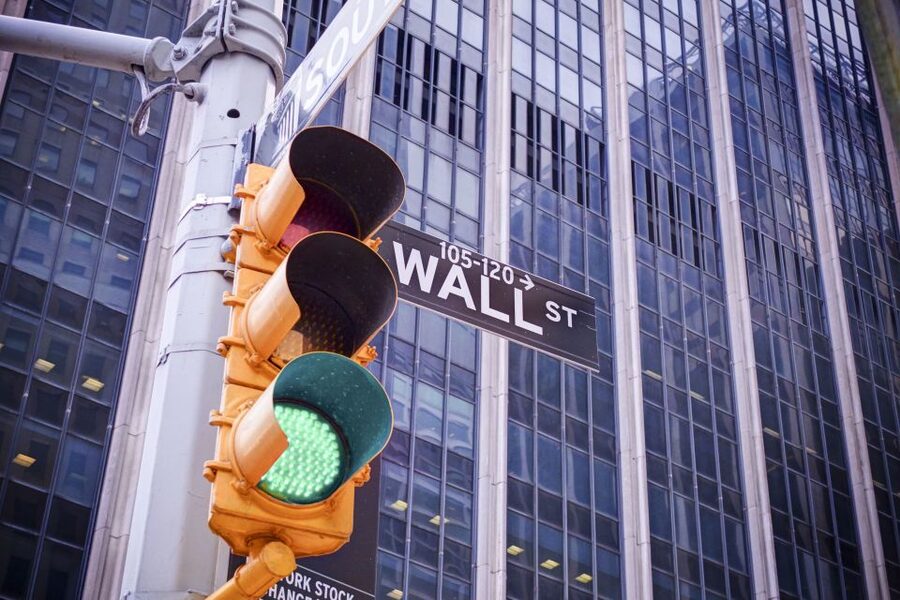
Reviewed · WALL STREET & FINANCIAL DISTRICT TOURS
Wall Street Insider Tour with a Finance Professional
Wall Street has stories you can still feel on your skin. This small-group walk pairs big landmarks with a finance professional guide’s real-world perspective, so you get both the timeline and the mindset behind it. I also like the pace: about a mile total, mostly outdoors, with frequent chances to stop and look rather than speed-walk through names.
The best part is how the guide connects 400 years of change to how Wall Street works today. I’d only flag one thing up front: you won’t go inside the New York Stock Exchange, since it’s been closed to visitors since 2001, so manage expectations if that’s your top goal.
In This Review
- Quick reasons to book this Wall Street insider walk
- Meeting Wall Street at 22 Broad Street: the route in 75 minutes
- What makes a finance insider guide different (and worth $39)
- Federal Hall: seeing the U.S. capital moment in plain sight
- Trinity Church and Hamilton’s grave: quiet power underfoot
- Charging Bull at Wall Street: iconic, but use it as a prompt
- The Financial District walk: NYSE area, Goldman Sachs, Deutsche Bank, and the Federal Reserve
- 400 years of Wall Street history, explained in human terms
- Practical tips: what to wear, where to stand, and how to enjoy the outdoor format
- Who should do the Wall Street Insider Tour with a Finance Professional
- Should you book this Wall Street walk?
Quick reasons to book this Wall Street insider walk
- Finance industry stories that explain how Wall Street decisions and culture evolved over time
- Free stops at major sites like Federal Hall and Trinity Church
- Tight route in 75 minutes, covering key Financial District corners without draining you
- Small group size (max 20), making it easier to ask questions and keep up
- Real candid context, including hard moments like the slavery market, bombings, and 9/11’s impact
More history where the money moves
- NYC City Tour: Statue of Liberty, 9/11 Memorial, Wall Street
★ 4.5 · 2,059 reviews - Wall Street Insider Tour with a Finance Professional
★ 4.5 · 660 reviews - Wall Street Insider Tour with a Finance Professional
★ 4.5 · 571 reviews - Manhattan Group Tour Including Wall Street and 911 Memorial
★ 5.0 · 408 reviews
Meeting Wall Street at 22 Broad Street: the route in 75 minutes
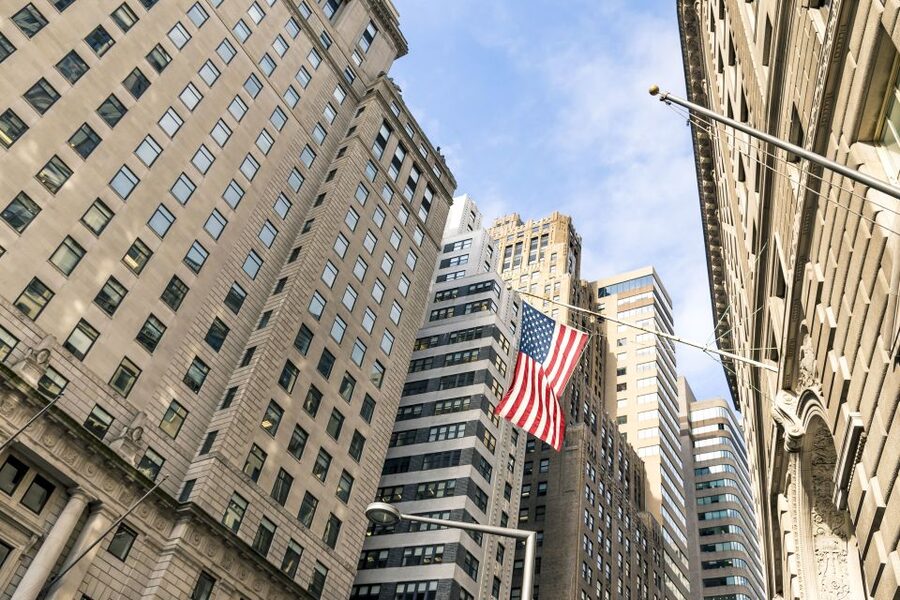
Your tour starts at 22 Broad St and ends near Harry B Helmsley Plaza (137 Broadway), finishing close to the Federal Reserve area. It runs about 1 hour 15 minutes and stays on a fairly level course, with around one mile of walking at a leisurely pace.
This is a smart length for Lower Manhattan because you’ll see a lot without turning it into a full-day grind. It’s also mostly outdoors, which matters in New York: if it’s hot, you’ll want water; if it’s windy, dress for it. The upside of the outdoor format is that you can pause at street level and actually take in the architecture and scale, not just glance at plaques.
Your guide uses a mobile ticket for entry, the tour is in English, and the meeting point is near public transportation. That last bit matters here, because Lower Manhattan is easiest when you can connect quickly to subway lines and walk the final blocks.
What makes a finance insider guide different (and worth $39)
At $39 per person, this isn’t a throwaway history stroll. You’re paying for a guide with financial industry experience who can translate what you’re seeing into how finance people think and work. That’s what makes the stories stick. Instead of only hearing dates and founders, you’ll hear how institutions formed, who built them, and what kinds of meetings and deals shaped the neighborhood.
The tour’s “insider” value also shows up in the tone. The guide doesn’t dodge the tougher parts of the past. In at least one guide’s style (like Jesse, based on reported commentary), the talk can include serious topics such as the slavery market, bombings in the 20th century, and how 9/11 changed the area’s daily reality. If you like history that tells the whole story, that approach is a plus.
You’ll also get the practical, real-person layer. Some guides bring personal anecdotes from the world of regulation and markets (one example given involves SEC experience). And if you’re the type who enjoys a good local lead-in, you might even receive a restaurant suggestion tied to the area you just walked through.
Federal Hall: seeing the U.S. capital moment in plain sight
The first real stop is Federal Hall, where George Washington became President. You’ll spend about 20 minutes here, and admission is listed as free.
This is one of those spots where the location feels like a time machine. You’re not only reading about early U.S. power; you’re standing in a place that shaped how the country presented itself. And because this tour is about money as well as history, Federal Hall works as a setup: politics and finance were never separate in the early days, and the neighborhood’s later identity makes more sense after you see the founding-era context.
A small practical note: Federal Hall is a good moment to slow down. Take a few minutes to look around before you move on, because the rest of the walk is about reading the city through finance lenses—street names, building purpose, and the way major institutions face the street.




Trinity Church and Hamilton’s grave: quiet power underfoot
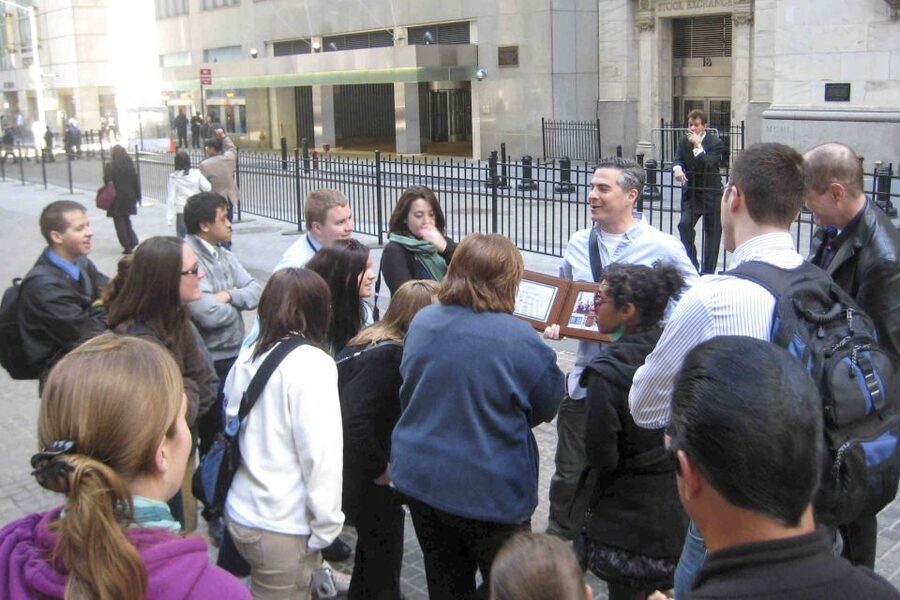
Next is Trinity Church NYC. Plan around 15 minutes here, and admission is also listed as free.
Trinity Church offers a very different mood from the finance headlines. It’s solemn, and that matters because it changes how you process the Financial District. Alexander Hamilton is associated with the area, and the church is described as a burial place of American giants like Hamilton. It also sits near the shadow of the Twin Towers’ former presence, so the emotional weight of place is real.
From a tour-value standpoint, this stop helps you understand why Wall Street’s story isn’t only about deals. It’s also about people, power, and the cost of building a nation in a dense city. If your group likes photos, this is also a nice break from bright street-level icon shots.
Charging Bull at Wall Street: iconic, but use it as a prompt
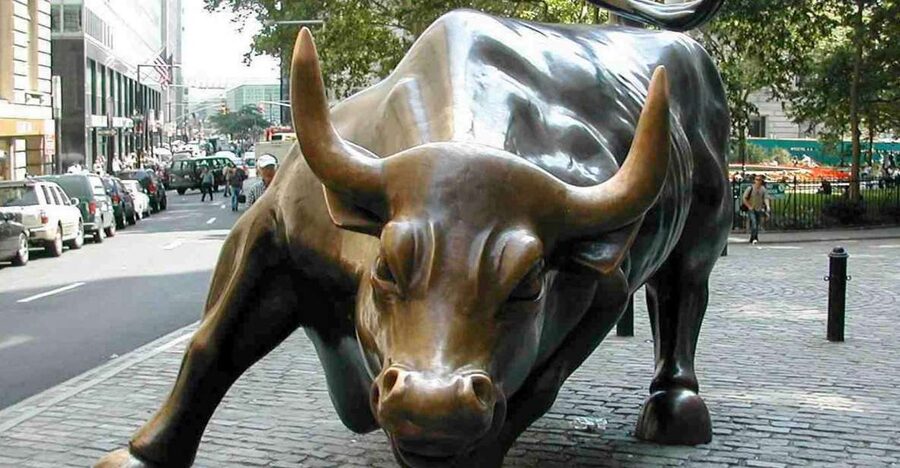
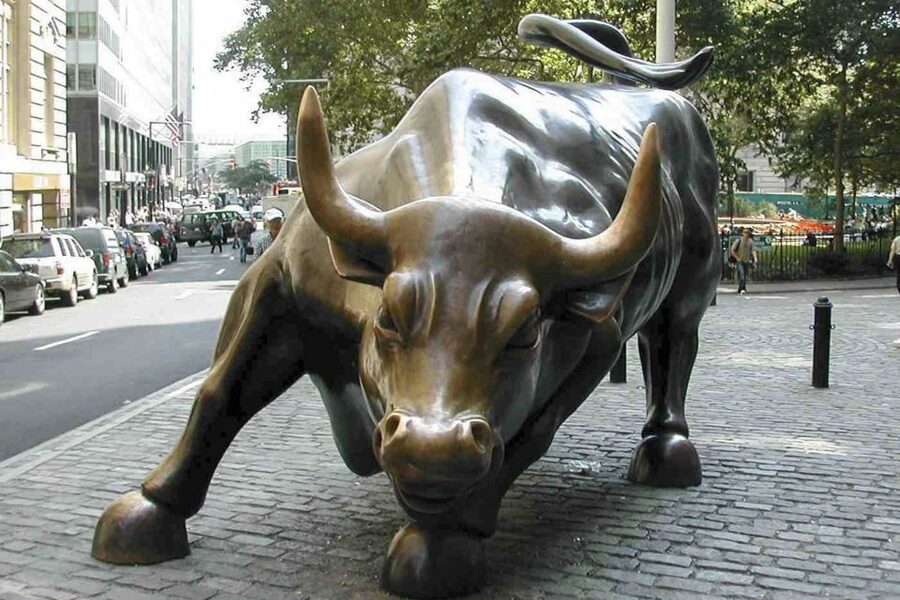
Then you’ll reach Charging Bull (the Wall Street Bull) for about 15 minutes, with admission listed as free. Yes, it’s the classic photo stop. But I like using this moment as a prompt for what the guide is doing throughout the tour: pointing out symbols and then tying them to real economic behavior.
The bull is often treated like a fun mascot, but it represents an idea. It’s about momentum, risk-taking, and markets that move in cycles. When the guide layers that meaning over the earlier stops, the bull becomes more than a picture. It turns into a quick checkpoint for how people talk about markets in public versus how markets behave behind doors.
If you’re traveling with kids or you just want a clear break in the schedule, this stop is timed well. It’s short, outdoors, and low-stress.
The Financial District walk: NYSE area, Goldman Sachs, Deutsche Bank, and the Federal Reserve
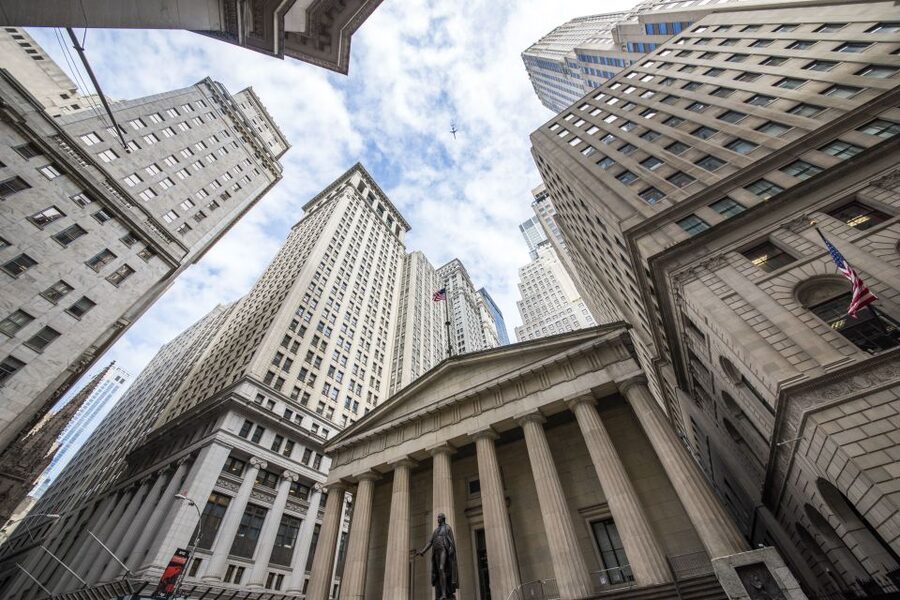
Even though you won’t enter the New York Stock Exchange, the tour is built around seeing its neighborhood and surrounding institutions up close. The listing makes it clear: the NYSE has been closed to visitors since 2001, so you’re viewing from outside.
That can disappoint people who expect an inside visit. But as an experience, it still works because the exterior streetscape is part of the story. The Financial District is designed to funnel attention where money talks. When you walk past landmark facades and corner locations, you start to understand why the area’s identity became global.
This tour specifically calls out major sites you’ll see as you move through Lower Manhattan: the Federal Reserve Bank of New York building, Goldman Sachs, and Deutsche Bank, also referenced as 60 Wall Street. These are not “bonus stops.” They’re core to the point of the walk: how the neighborhood’s physical layout and institution clustering reflect the flow of influence.
One more reason to pay attention here: your guide frames the street as a place where high-powered meetings happen and where big decisions connect to the nation’s economy. Even if you’re not deep into finance, that framing helps you read the city like a system, not just a collection of buildings.
400 years of Wall Street history, explained in human terms
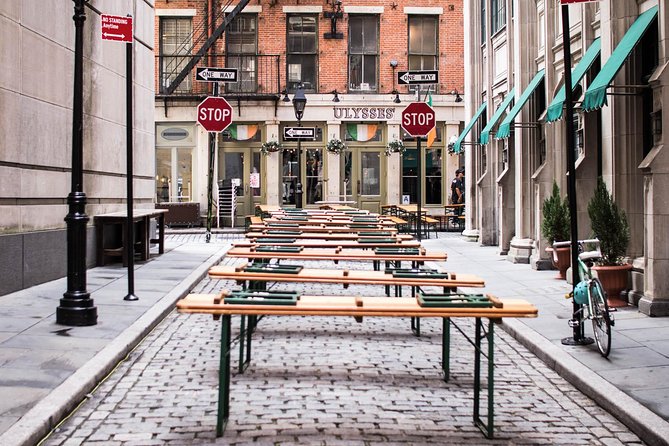
The tour’s promise is big—covering about 400 years of Wall Street history. That long timeline can turn into a lecture if it’s handled poorly, but the structure here is designed to keep it connected to visible places.
You’ll hear the story of how Wall Street evolved from a Dutch trading outpost to the early beginnings of the New York Stock Exchange, then into today’s financial markets. You’ll also get emphasis on immigrants and entrepreneurial drive—how people built institutions, how norms formed, and how the area attracted talent and capital over centuries.
The payoff is that you stop treating Wall Street as a single era. Instead, you see it as layers: politics, commerce, immigration, tragedy, rebuilding, and modernization. In practical terms, that’s why the tour feels like more than sightseeing. It gives you a lens for what you’re looking at.
Practical tips: what to wear, where to stand, and how to enjoy the outdoor format
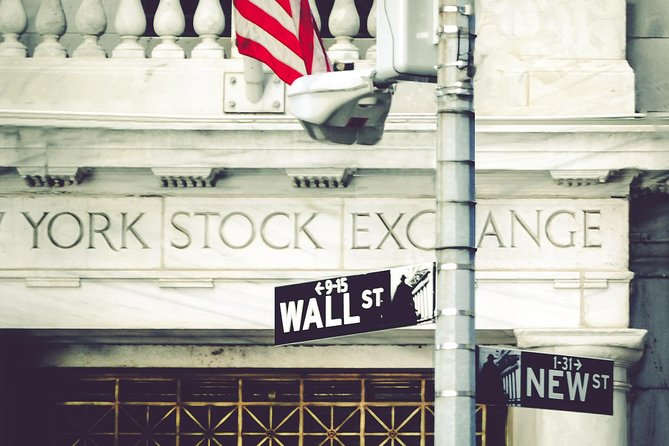
Because this is mostly outdoors with the chance to visit inside a few buildings, your comfort affects your experience. I’d treat this as a shoes-and-weather tour, not a museum sit-down. The walking is fairly level, but you’ll want comfortable footwear and layers.
Also, since it’s a street walk, your position matters. On open sidewalks with tall buildings, sound can get weird. If you have any hearing limits, aim for a spot where you can clearly see the guide’s face and get the words without straining.
Photos are part of the itinerary, but don’t make every stop a photo race. The best moments tend to happen when you watch the guide point out details you might otherwise miss: street-level cues, what certain corners signal, and how the institutions relate to each other at close range.
Who should do the Wall Street Insider Tour with a Finance Professional
This is a strong match for three groups:
1) People who like finance but don’t want jargon. The tour is described as enjoyable for general audiences, including families, with no finance background required.
2) History lovers who want the story connected to real places. You’ll see major landmarks and get the timeline woven into them.
3) First-timers to FiDi who want to understand why this neighborhood looks and feels the way it does. The Financial District’s layout is confusing until someone explains what the buildings were for and how the neighborhood matured.
It’s also a good pick if you’re trying to fit one meaningful Lower Manhattan experience into a shorter window. Ninety minutes-ish keeps it focused.
Should you book this Wall Street walk?
I’d book it if you want a small-group Lower Manhattan experience that blends landmark seeing with a finance insider’s storytelling, and if you’re okay with the fact that the NYSE is not part of the visit. At $39, the value comes from the guide’s experience and the time you gain by having context while you’re standing on the actual streets.
Skip it or adjust expectations if your main goal is an inside visit to the Stock Exchange building. Also note that the format is outdoors-first, so pick a day when weather won’t make you miserable.
If you’re aiming to get your bearings fast in the Financial District and you like your history with real-world finance context, this one is an easy yes.
More Tours in New York City
- Statue of Liberty and Ellis Island Tour: All Options★ 5.0 · 13,571 reviews
- New York in One Day Guided Sightseeing Tour★ 5.0 · 13,166 reviews
- Central Park Pedicab Guided Tours★ 5.0 · 7,108 reviews
- New York City: Manhattan Helicopter Tour★ 4.7 · 7,076 reviews
- Private Central Park Pedicab Tour★ 5.0 · 6,981 reviews
More Tour Reviews in New York City
- NYC: SUMMIT One Vanderbilt Tickets★ 4.7 · 51,195 reviews
- NYC: Empire State Building Tickets – Observatory & Museum★ 4.7 · 25,757 reviews
- New York City: Statue of Liberty & Ellis Island with Ferry★ 4.6 · 18,683 reviews
- New York City: American Museum of Natural History Ticket★ 4.5 · 15,447 reviews
- Statue of Liberty and Ellis Island Tour: All Options★ 5.0 · 13,571 reviews
Where Wall Street Was Built
- NYC City Tour: Statue of Liberty, 9/11 Memorial, Wall Street★ 4.5 · 2,059 reviews
- Wall Street Insider Tour with a Finance Professional★ 4.5 · 660 reviews
- Manhattan Group Tour Including Wall Street and 911 Memorial★ 5.0 · 408 reviews
- Private New York Tour: Footsteps of Alexander Hamilton★ 5.0 · 402 reviews
- NYC: Wall Street Tour with 9/11 Memorial and Statue Ferry★ 4.6 · 367 reviews
Just in: the newest New York City reviews on our desk



Wall Street & Financial District Tours, compared.
 ★ 4.5NYC City Tour: Statue of Liberty, 9/11 Memorial, Wall StreetFrom $392,059 reviews
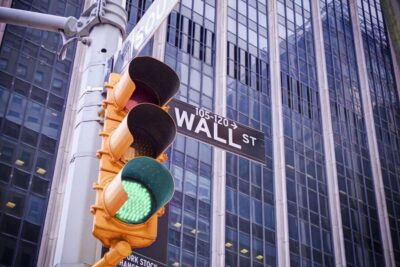 ★ 4.5Wall Street Insider Tour with a Finance ProfessionalFrom $39660 reviews
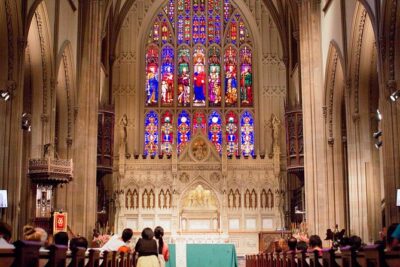 ★ 5.0Manhattan Group Tour Including Wall Street and 911 MemorialFrom $39408 reviews
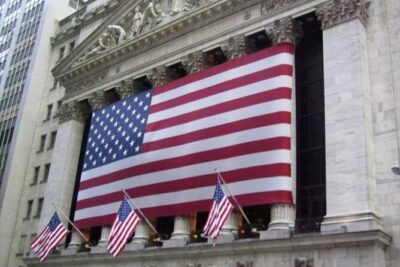 ★ 5.0Private New York Tour: Footsteps of Alexander HamiltonFrom $60402 reviews
 ★ 4.6Wall Street Tour with 9/11 Memorial and Statue FerryFrom $39367 reviews
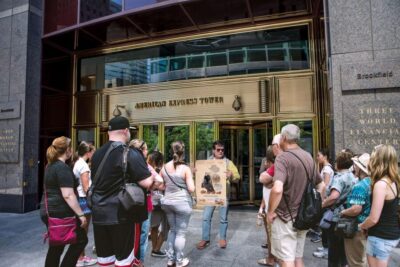 ★ 4.9Wall Street and Financial District Walking TourFrom $34284 reviews
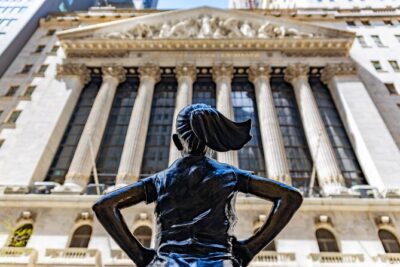 ★ 5.0How Money Was Made Wall Street Walking TourFrom $49185 reviews
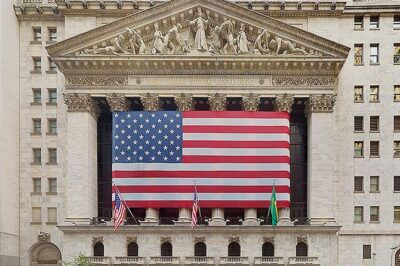 ★ 5.0Wall Street and Financial District Walking TourFrom $34116 reviews
Browse the lists this tour appears in