
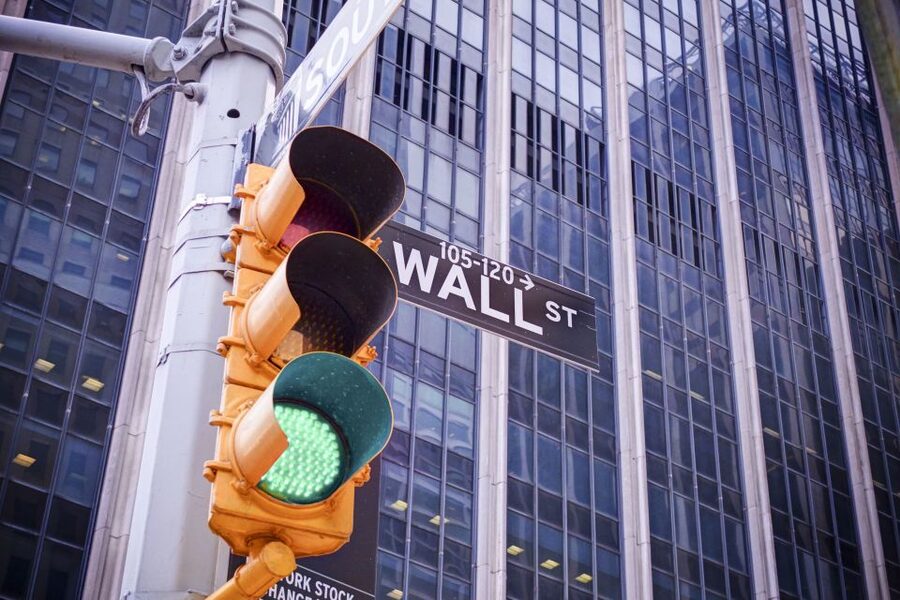
Reviewed · WALL STREET & FINANCIAL DISTRICT TOURS
Wall Street Insider Tour with a Finance Professional
Wall Street doesn’t feel like a textbook here. You get it from the people who’ve spent years on the trading floor and behind the scenes, walking you through the Financial District’s real stories. I love how the tour turns monuments into meaning, and how the guide’s insider Wall Street experience keeps each stop from feeling like a photo-op.
I also like the tight route. In a short stretch—around 75–90 minutes—you hit the NYSE area, Federal Hall, Stone Street, Charging Bull, and Trinity Church while still getting time for questions. Guides such as Jess, Jose, and Danah stand out in the reviews for mixing practical context with firsthand stories.
One drawback to consider: this is mostly a street-level walk with photo stops, so if you’re hoping for long interior visits, you may want a different type of tour.
In This Review
- Key takeaways before you go
- A Walking Tour Where the Stories Don’t Feel Like Posters
- Meeting at Blue Bottle on 22 Broad St
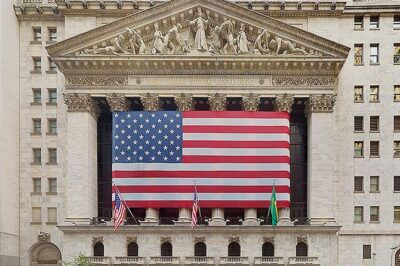
- The NYSE and the Street-Level Feeling of Power
- Wall Street Photo Stops That Actually Teach You Something
- Federal Hall: Where Washington Took Office
- Tip for this stop
- Stone Street Historic District: Old New York in the Middle of Finance
- Trinity Church: The Neighborhood’s Moral and Civic Backdrop
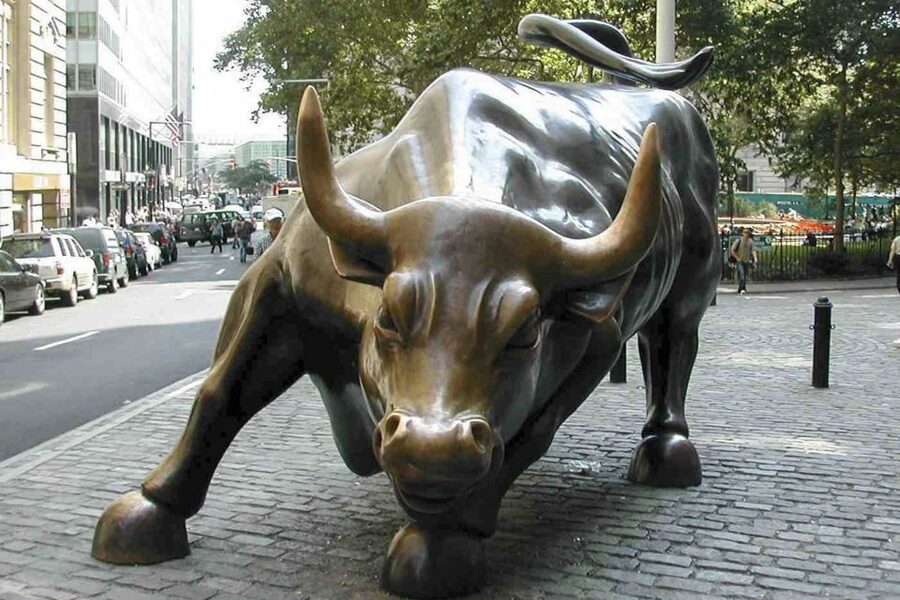
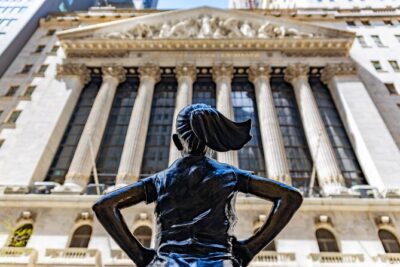
- Charging Bull: A Market Myth You Can Stand Next to
- Federal Reserve Drop-Off: Leaving With a Different Mental Map
- Practical note
- Guides Who Make the Difference: Jess, Jose, Danah, James, Emily, and More
- Price and Value: Is $39 a Good Deal in NYC?
- Who Should Book This Wall Street Insider Tour
- Small Tips That Make the Tour Better
- Should You Book It? My Take
- FAQ
- Where does the tour start?
- How long does the Wall Street Insider Tour last?
- How much does it cost?
- What sites will we see during the tour?
- Is pick-up or drop-off included?
- Is the tour available in English?
- Is the tour wheelchair accessible?
- Can I cancel for a full refund?
- Is there a private group option?
Key takeaways before you go
- Finance-professional storytelling: former traders, bankers, brokers, and SEC-style perspectives give you the why behind the headlines.
- 400+ years in one walk: Dutch trading beginnings to modern finance, explained stop by stop.
- Classic landmarks, explained simply: NYSE, Federal Hall, Federal Reserve area, Charging Bull, Stone Street, Trinity Church.
- Washington’s inauguration spot: you’ll stand at the Federal Hall area tied to his presidential inauguration.
- Good for Q&A: in smaller groups, you can ask details and get straight answers.
- Short and efficient: a 75–90 minute format that fits easily into a first day in NYC.
More history where the money moves
- NYC City Tour: Statue of Liberty, 9/11 Memorial, Wall Street
★ 4.5 · 2,059 reviews - Wall Street Insider Tour with a Finance Professional
★ 4.5 · 660 reviews - Wall Street Insider Tour with a Finance Professional
★ 4.5 · 571 reviews - Manhattan Group Tour Including Wall Street and 911 Memorial
★ 5.0 · 408 reviews
A Walking Tour Where the Stories Don’t Feel Like Posters
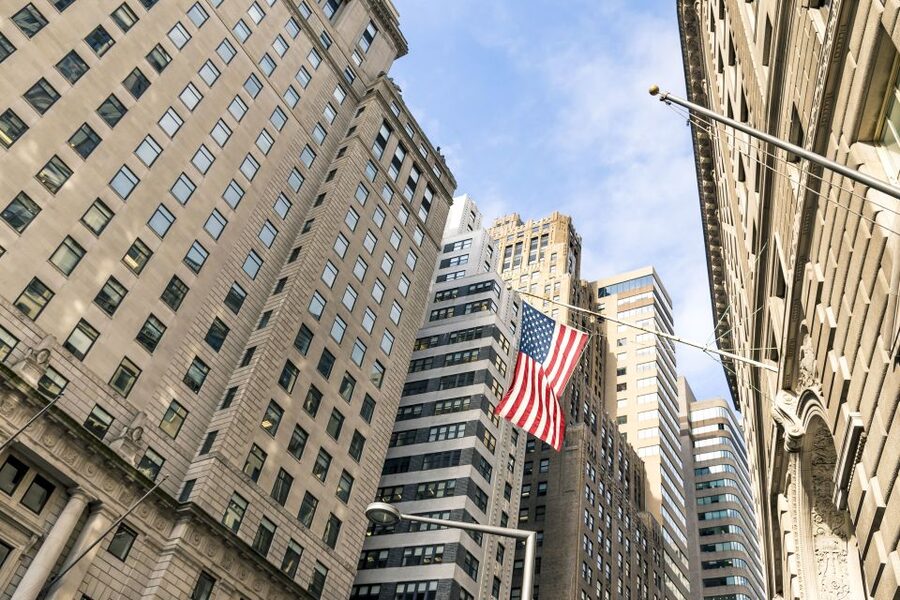
If your mental image of Wall Street is just suits, screens, and shouting, this tour reframes it fast. You start in the Financial District and move through places where finance, politics, and immigration history overlap in surprising ways. The big difference is the guide. The tour is led by people with actual Wall Street work experience—former traders, bankers, brokers, and other veterans—so their stories land with weight.
I like that the tone stays practical. You’re not just handed dates and facts. You’re shown how decisions, institutions, and even city cleanup efforts shaped what people could see, what they couldn’t, and what they assumed was normal. One guide type is especially good at this: the kind who can connect a building’s purpose to a moment in markets. In the reviews, guides like Jess and Jose get praised for exactly that combo of street clarity plus real-life perspective.
Still, keep one thing in mind. The route is designed to cover a lot on foot. That means a portion of the experience is built around quick photo pauses and guided explanations, not long museum-style time in rooms.
Meeting at Blue Bottle on 22 Broad St
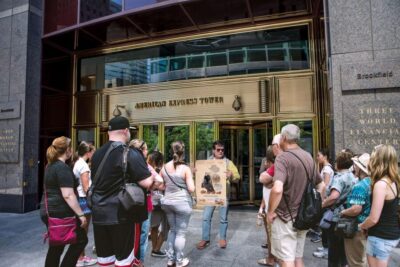
Your tour starts at 22 Broad St, meeting your guide outside Blue Bottle Coffee. This is a smart choice for two reasons. First, it’s easy to find on a busy corner near the Financial District’s core. Second, it gives you a chance to grab coffee and start watching the street before you hear the first story.
Because the tour is only 75–90 minutes, you’ll want to arrive a few minutes early. It keeps things smooth and helps you settle in before your guide starts. Also, wear comfortable shoes. You’ll be walking through tight, crowded sidewalks and crossing streets at the pace of a group tour.
The NYSE and the Street-Level Feeling of Power
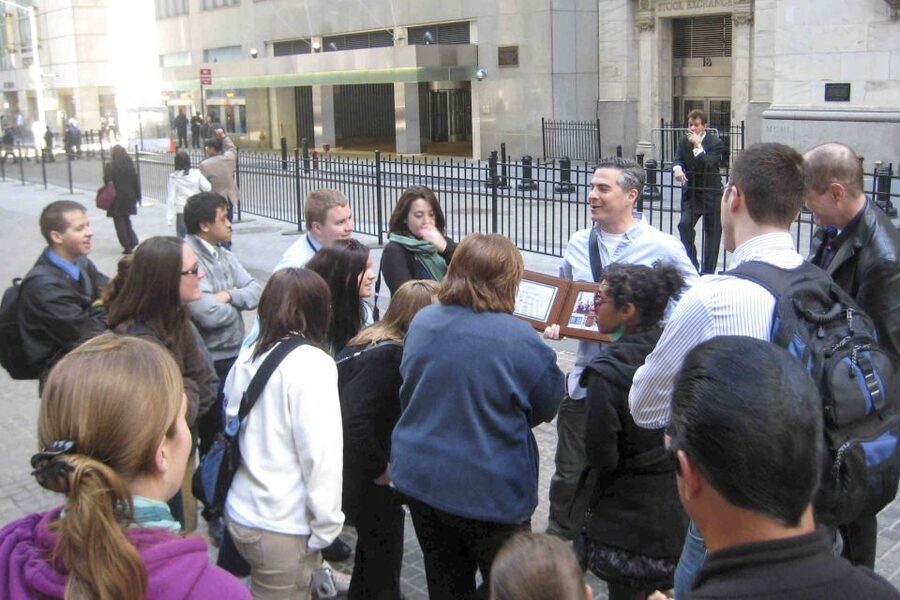
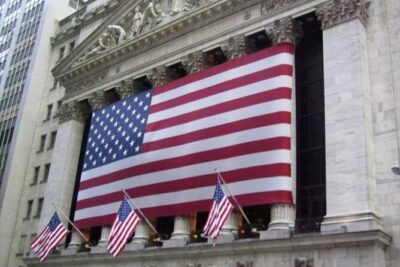
The first major landmark you’ll face up close is the New York Stock Exchange area. Even if you’ve seen the building from photos, seeing it at street level changes your sense of scale. It’s one thing to know the NYSE name. It’s another to stand there and understand how an institution’s physical presence shapes the vibe of everything around it.
This stop works best when you’re curious about how systems create behavior. A finance-experienced guide can help you see patterns: how trust gets built, how public perception meets private deal-making, and why certain streets became magnets for capital. In the reviews, guides are often praised for keeping the talk grounded and clear, not just impressive.
There’s also a practical photo stop built in. You’ll get a moment to take your pictures, then you’ll move on before the group stalls out. That pace is part of the tour’s value: you don’t waste time hovering in one spot.




Wall Street Photo Stops That Actually Teach You Something
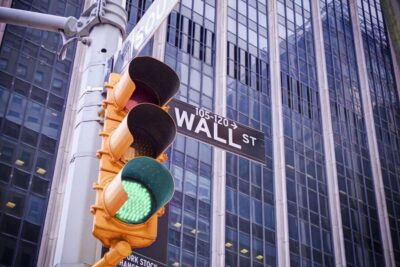
Next comes the classic stretch of Wall Street itself—another photo stop with guided storytelling. This is where the tour stops being about architecture and starts being about people. Wall Street is more than a street; it’s a network of expectations. Your guide helps you understand how the neighborhood’s rules—written and unwritten—grew over time.
I particularly like when guides add insider details that make the place feel human. Several guides in the reviews are credited with personal stories from working in trading or finance-adjacent roles, and that kind of narrative helps you connect the dots. You start to notice how the city’s layout encourages certain interactions and how information flow is part of the market’s rhythm.
Keep an ear open for the tour’s occasional surprise story. One highlight description points to a cleanup effort with good intentions that still allowed criminals to evade detection for over a century. That’s the kind of detail that makes you realize the Financial District has always had a side people didn’t fully understand.
Federal Hall: Where Washington Took Office
One of the most meaningful stops is Federal Hall. This is the place tied to the moment when Washington was inaugurated as president. If you’ve heard the name Federal Hall before, you’ll likely know it from U.S. history class. But standing near it, with a guide explaining the significance, makes it feel immediate.
Why this stop matters on a Wall Street tour is simple: finance and government aren’t separate stories in the real world. Currency, credit, laws, and institutions all sit under political decisions. Federal Hall helps you see that the Financial District grew not just from business ambition, but from the needs of a young nation building credibility.
A guide with finance experience adds another layer: they can connect how public authority and public trust influence economic confidence. Even if you don’t care about politics much, you’ll likely appreciate how the tour frames the location as a turning point.
Tip for this stop
Pause and look around. You’ll get the best effect if you treat this as a place you stand and absorb, not just a background for a quick snapshot.
Stone Street Historic District: Old New York in the Middle of Finance
From Federal Hall, the walk continues toward the Stone Street Historic District. This is a favorite kind of stop on a tour like this because it slows the story down a touch. You’re no longer only looking at institutions; you’re looking at street life.
Stone Street has that old-block feel—built for pedestrians, linked to the early days of the city’s commercial identity. The tour uses it to connect the Financial District’s present role to its roots, including the early trading days when the city was still becoming itself.
What you’ll likely enjoy here is the contrast. Modern finance operates on speed, screens, and big money. Stone Street reminds you that markets still rely on human movement: people coming in, people watching each other, and people trying to make sense of where opportunity sits.
And yes, there’s a photo stop here too. But this one tends to feel less like a checkbox and more like a brief reset.
Trinity Church: The Neighborhood’s Moral and Civic Backdrop
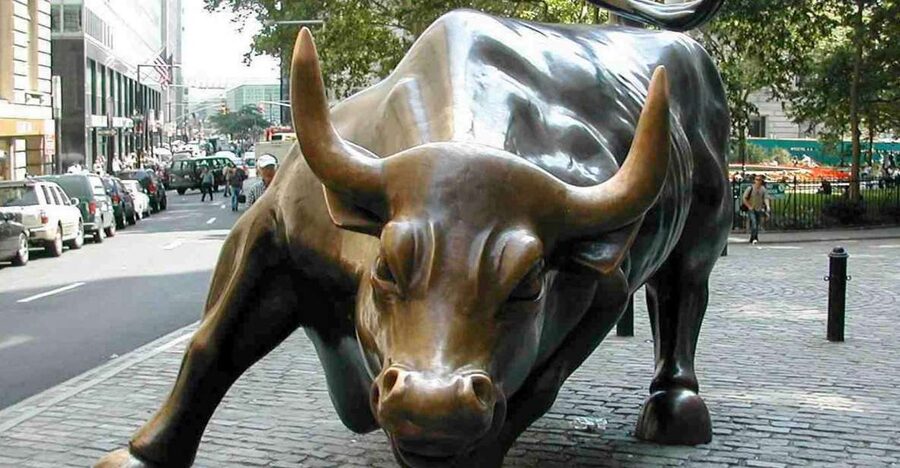
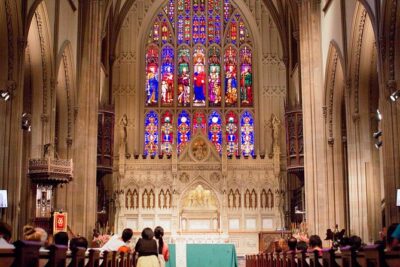
Next up is Trinity Church. This stop gives the tour a different texture. Churches like this often serve as civic landmarks—places that shape how a neighborhood sees itself and remembers itself.
Even on a Wall Street tour, Trinity Church makes sense. The Financial District wasn’t just built by banks. It was built by communities. A strong guide can connect it to the idea that economic power sits in a city with institutions that outlast trends.
If you enjoy hearing how immigrants and newcomers shaped the city’s institutions, this stop is a good place for that. The tour highlights that theme across the route, aiming to show how financial institutions weren’t built in a vacuum.
Charging Bull: A Market Myth You Can Stand Next to
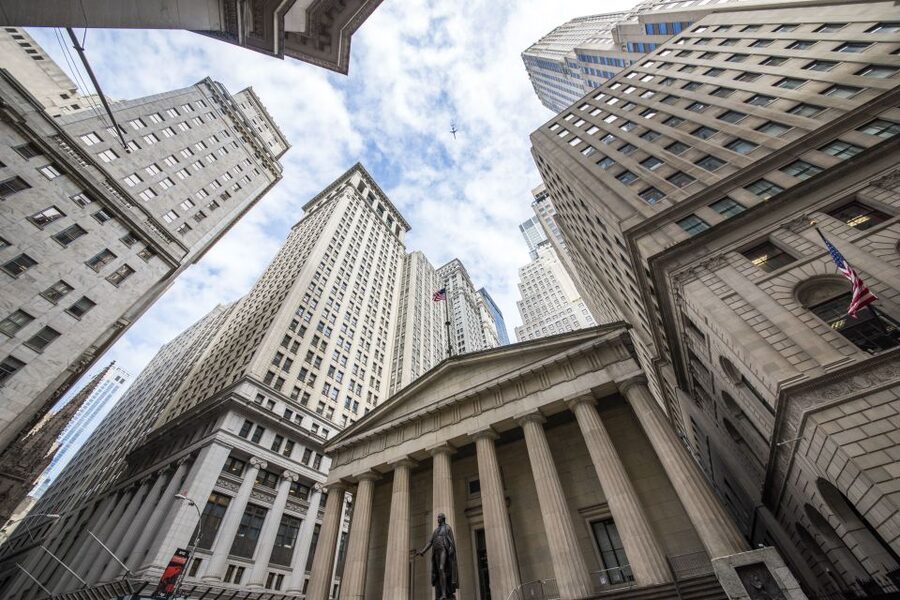
Then you’ll reach Charging Bull—another photo and guided moment. This one is pure New York in the best way: a symbol that people come to see, yet it holds more meaning than the name suggests.
Here’s the value of a finance-led guide: they can explain why symbols stick. Market culture loves icons, slogans, and shorthand. Charging Bull becomes a public signal of confidence, aggression, and the idea of momentum. Your guide helps you see what that symbolism means compared to the quieter reality of how markets actually function day to day.
You’ll probably enjoy this stop if you like the psychology side of finance: the way language, stories, and public rituals shape behavior.
Federal Reserve Drop-Off: Leaving With a Different Mental Map
The tour ends with drop-off locations including the Federal Reserve Bank of New York area and Harry B Helmsley Plaza. Even though you don’t spend the day inside, the effect can still be powerful. You finish with the sense that Wall Street isn’t just a place where money moves. It’s a system with feedback loops that touch the rest of the country.
This is also a good time to ask your remaining questions. If your group is smaller, you’ll likely get more back-and-forth. The reviews repeatedly praise guides for creating space for questions, and names like James, Emily, Dana, and Julia show up often in that context.
Practical note
Your last location is chosen to keep you near central points you can continue from. If you’re planning the rest of your day, you can treat the drop-off as a starting point for a nearby walk or a quick transit connection.
Guides Who Make the Difference: Jess, Jose, Danah, James, Emily, and More
On a tour like this, the guide isn’t a bonus. It’s the product. The reviews make that obvious. People keep coming back to the same reasons: storytelling that feels personal, clear explanations, and a sense of humor that keeps the pace from turning into a lecture.
A few guide examples you’ll see in the reviews:
- Jess: praised for blending history with genuine first-hand experience and keeping questions flowing.
- Jose: repeatedly mentioned for friendliness and for explaining clearly while adding insider stories.
- Danah and Dana: praised for making the building facts and street details easy to understand, with a trading background style of perspective.
- James: noted for humor and a strong grasp of what the sights mean.
- Emily and Julia: mentioned for being able to hold attention while teaching the financial system’s context.
You should also pay attention to the kinds of stories guides bring. One reviewer mentioned a guide sharing family experience working around the stock exchange. Another mentioned an SEC work background. Those personal touches can change the whole feel of the tour from generic to memorable.
Price and Value: Is $39 a Good Deal in NYC?
At $39 per person, this tour is priced like a practical add-on. It’s not trying to compete with museum tickets or inside-the-building experiences. The value comes from combining multiple major landmarks with a finance professional at street level.
Here’s how I look at it:
- You get to see several headline institutions in one walk: NYSE, Federal Hall, the Federal Reserve area, Charging Bull, Stone Street, and Trinity Church.
- You get context that makes those stops connect to U.S. history and how finance evolved.
- You’re in a time window that fits a tight NYC schedule without feeling like your whole afternoon disappeared.
The only reason it might not feel like a deal is if you want long, inside access or deep technical finance. This tour is built for understanding the place and the people behind it, not for turning you into a derivatives expert.
Who Should Book This Wall Street Insider Tour
This is a strong fit if:
- You want a first-day-or-second-day experience that gives you orientation fast.
- You like history, but you also want it tied to real institutions and real incentives.
- You enjoy Q&A and candid explanations from working professionals.
It may be less ideal if:
- You’re set on spending lots of time inside buildings or want a heavy museum-style format.
- You’re mainly after market tactics and don’t care about the civic and historical context.
If you’re traveling with friends who like different things—one person for history, one person for finance—this tour tends to satisfy both because it keeps switching gears at each landmark.
Small Tips That Make the Tour Better
A few simple things will help you get the most out of it:
- Bring a charged phone for photos and quick reference maps.
- Dress for outdoor walking. The route goes through open sidewalks and you’ll want to stay comfortable.
- Stay curious during the Federal Hall and Federal Reserve portions. These are the stops where the “why” matters most.
- If you’re in a smaller group, ask more questions. The tour’s structure makes that easy, and guides often answer in a way that connects directly back to what you’re seeing.
Should You Book It? My Take
If you want Wall Street explained in plain language by people who have actually worked in finance, I’d book this. For $39 and about 90 minutes, you get a concentrated hit of landmarks plus stories that make the neighborhood’s history feel relevant instead of dusty.
The decision comes down to your expectations. If you’re happy with street-level stops and you want the human side of finance—why institutions look the way they do and how they gained power—this tour delivers.
FAQ
Where does the tour start?
The tour meets your guide outside Blue Bottle Coffee at 22 Broad St.
How long does the Wall Street Insider Tour last?
It runs for 75 to 90 minutes.
How much does it cost?
The price is $39 per person.
What sites will we see during the tour?
You’ll see the NY Stock Exchange area, Wall Street, Federal Hall, Stone Street Historic District, Charging Bull, Trinity Church, and you’ll end near the Federal Reserve Bank of New York and Harry B Helmsley Plaza.
Is pick-up or drop-off included?
Pick-up is not included, and you’ll have two drop-off locations at the end, including the Federal Reserve Bank of New York area and Harry B Helmsley Plaza.
Is the tour available in English?
Yes. The tour guide provides English language narration.
Is the tour wheelchair accessible?
Yes, it is listed as wheelchair accessible.
Can I cancel for a full refund?
Yes. You can cancel up to 24 hours in advance for a full refund.
Is there a private group option?
Yes. Private group options are available.
More Tours in New York City
- Statue of Liberty and Ellis Island Tour: All Options★ 5.0 · 13,571 reviews
- New York in One Day Guided Sightseeing Tour★ 5.0 · 13,166 reviews
- Central Park Pedicab Guided Tours★ 5.0 · 7,108 reviews
- New York City: Manhattan Helicopter Tour★ 4.7 · 7,076 reviews
- Private Central Park Pedicab Tour★ 5.0 · 6,981 reviews
More Tour Reviews in New York City
- NYC: SUMMIT One Vanderbilt Tickets★ 4.7 · 51,195 reviews
- NYC: Empire State Building Tickets – Observatory & Museum★ 4.7 · 25,757 reviews
- New York City: Statue of Liberty & Ellis Island with Ferry★ 4.6 · 18,683 reviews
- New York City: American Museum of Natural History Ticket★ 4.5 · 15,447 reviews
- Statue of Liberty and Ellis Island Tour: All Options★ 5.0 · 13,571 reviews
Where Wall Street Was Built
- NYC City Tour: Statue of Liberty, 9/11 Memorial, Wall Street★ 4.5 · 2,059 reviews
- Wall Street Insider Tour with a Finance Professional★ 4.5 · 571 reviews
- Manhattan Group Tour Including Wall Street and 911 Memorial★ 5.0 · 408 reviews
- Private New York Tour: Footsteps of Alexander Hamilton★ 5.0 · 402 reviews
- NYC: Wall Street Tour with 9/11 Memorial and Statue Ferry★ 4.6 · 367 reviews
Just in: the newest New York City reviews on our desk



Wall Street & Financial District Tours, compared.
 ★ 4.5NYC City Tour: Statue of Liberty, 9/11 Memorial, Wall StreetFrom $392,059 reviews
 ★ 4.5Wall Street Insider Tour with a Finance ProfessionalFrom $39571 reviews
 ★ 5.0Manhattan Group Tour Including Wall Street and 911 MemorialFrom $39408 reviews
 ★ 5.0Private New York Tour: Footsteps of Alexander HamiltonFrom $60402 reviews
 ★ 4.6Wall Street Tour with 9/11 Memorial and Statue FerryFrom $39367 reviews
 ★ 4.9Wall Street and Financial District Walking TourFrom $34284 reviews
 ★ 5.0How Money Was Made Wall Street Walking TourFrom $49185 reviews
 ★ 5.0Wall Street and Financial District Walking TourFrom $34116 reviews
Browse the lists this tour appears in