
Reviewed · WALL STREET & FINANCIAL DISTRICT TOURS
NYC: Wall Street and Financial District Walking Tour
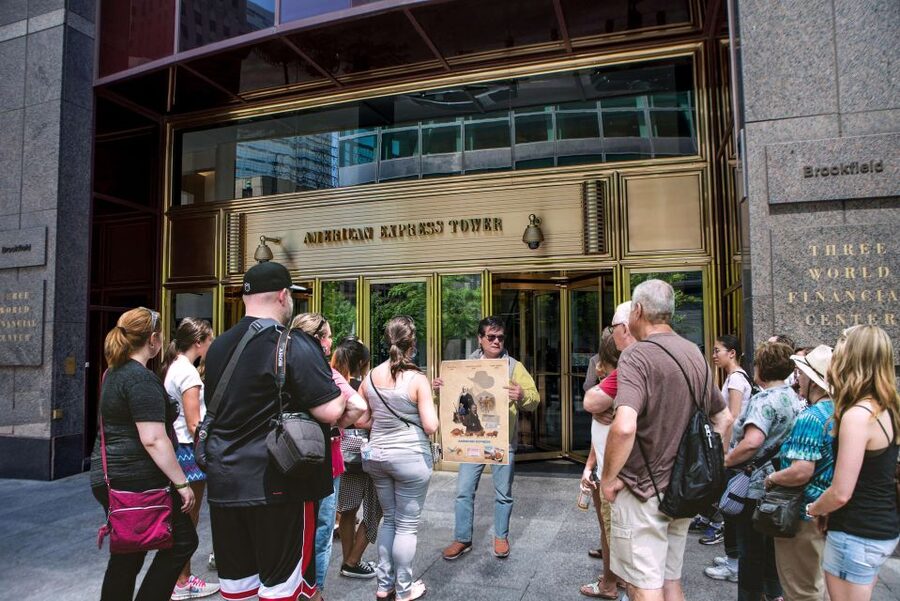
Money has a street address. This 2-hour Wall Street walk turns big, intimidating finance into something you can point at—starting with how the system works and why it has failed before, including the 2008 Financial Crisis and today’s trading drama. You’ll also see why the guide uses large posters to keep concepts moving at walking speed.
I especially like two things. First, the tour explains market mechanics in plain language—commodities, investment banking operations, and why crises spread—so it feels more like a smart conversation than a lecture. Second, the stops are genuinely iconic and photo-friendly: the NYSE exterior, Federal Hall, Fearless Girl, and Charging Bull, with lots of time to stand in the right spots.
One possible drawback: this tour does not go inside the New York Stock Exchange, so if you’re hoping for an inside look, you’ll need to set expectations for an exterior viewing experience only.
In This Review
- Key things that make this Wall Street tour worth your time
- Money has a street address: what makes this Wall Street walk work
- Start on Dey Street at Starbucks: how the tour begins
- Oculus Center to the World Financial Center vibe: why this area matters
- Commodities, investment banks, and the “mechanics” lesson you’ll remember
- 2008 on the sidewalk: understanding what caused the Financial Crisis
- GameStop, Robinhood, and crypto: finance headlines explained with context
- The oil shock lesson: how -$37 makes sense
- Wall Street icons: NYSE exterior, Federal Hall, and the architecture you can read
- Fearless Girl and Charging Bull: symbols, not just selfies
- Where it ends: Charging Bull and the National Museum of the American Indian
- How long is it, and who should book
- Should you book this Wall Street and Financial District walking tour?
- FAQ
- How long is the Wall Street and Financial District walking tour?
- How much does the tour cost?
- Where do I meet the guide?
- Does the tour include entering the New York Stock Exchange?
- What major sights will I see?
- How long is the stop at Oculus Center?
- How does the tour end?
- Is the tour wheelchair accessible?
- Are unaccompanied minors allowed?
- What should I bring?
Key things that make this Wall Street tour worth your time
- Big concepts taught on the move: commodities markets, investment banking operations, and the chain reactions behind major crashes.
- A visual teaching style: the guide relies on large posters to narrate and make tricky ideas stick.
- Past and present in the same walk: 2008 side-by-side with GameStop/Robinhood and cryptocurrency chatter.
- A standout “oil shock” lesson: the 2020 crash from $18 a barrel to -$37, with the uncomfortable reality of producers effectively paying for storage.
- You see the famous faces of finance: NYSE exterior, Fearless Girl, Charging Bull, plus classic Lower Manhattan landmarks.
- Guides who slow down for questions and photos: in past groups, guides such as Richard were praised for being thoughtful and patient with photo stops and restroom breaks.
More history where the money moves
- NYC City Tour: Statue of Liberty, 9/11 Memorial, Wall Street
★ 4.5 · 2,059 reviews - Wall Street Insider Tour with a Finance Professional
★ 4.5 · 660 reviews - Wall Street Insider Tour with a Finance Professional
★ 4.5 · 571 reviews - Manhattan Group Tour Including Wall Street and 911 Memorial
★ 5.0 · 408 reviews
Money has a street address: what makes this Wall Street walk work
Wall Street can feel like a wall of glass and jargon. This tour changes the rhythm. Instead of treating finance like a distant news topic, you’ll map it to real locations and real-world moments—why investors pile in, why things unwind, and how “normal” trading can turn chaotic.
You get a fast, two-hour sweep with just enough detail to understand what’s happening when headlines hit. And you’ll do it while your guide keeps concepts moving with visuals and stories, not just dates and definitions.
Start on Dey Street at Starbucks: how the tour begins
You’ll meet at the entrance to Starbucks Coffee on Dey Street, between Broadway and Church Street. Plan to arrive about 15 minutes early so you can check in and get ready before the group departs—this area runs tight on time, especially with security and foot traffic.
From the first minutes, the tour tone is clear: you’re not just walking past buildings. You’re using street corners as “discussion points,” with your guide pointing out what each place says about money, power, and decision-making.
Tip: bring comfortable shoes and wear something you can walk in for two hours straight. Lower Manhattan sidewalks can be uneven, and you’ll likely spend time standing still for photos.
Oculus Center to the World Financial Center vibe: why this area matters
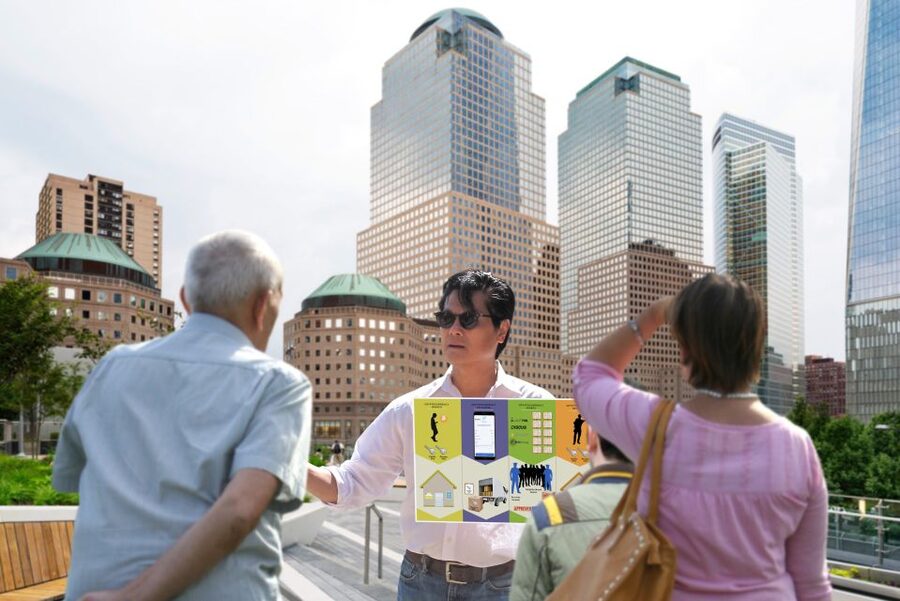
Oculus Center is one of the early stops, with about 10 minutes there. This isn’t just a photo break—your guide uses the surroundings to set context for how modern finance layers itself over earlier waves of influence.
Right after, you’ll get into the ideas behind the financial district—how consulting firms fit into the ecosystem, and how commodities markets function. This is where the tour earns its keep: it connects the world you hear about on TV (banks, trades, market moves) to the real “plumbing” of how money moves.
What I like here is how the guide doesn’t ask you to memorize definitions. Instead, you get cause-and-effect thinking: what buyers and sellers need, what gets priced, and why those decisions ripple.
New York City at street level, a few more walks
Commodities, investment banks, and the “mechanics” lesson you’ll remember
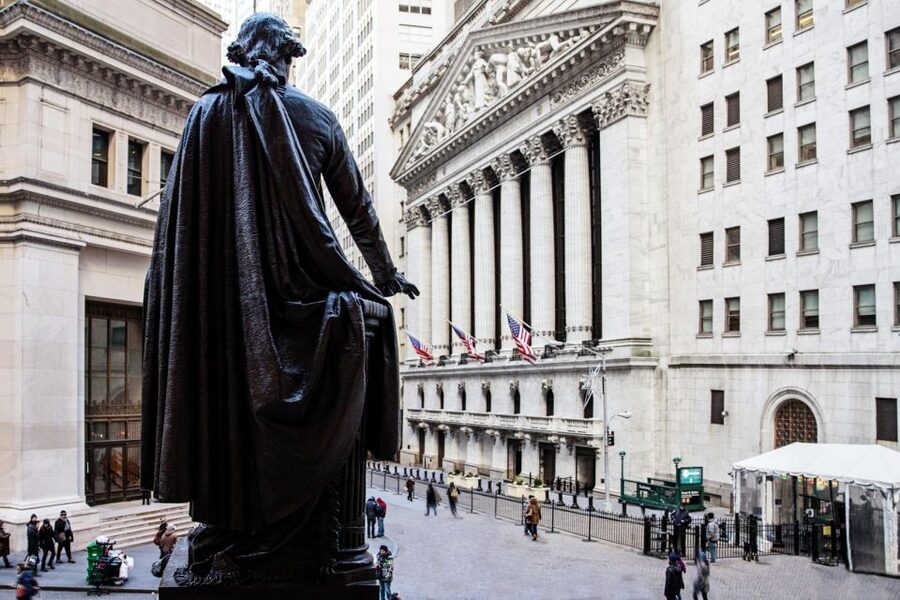
After the early orientation, you’ll spend time in the Financial District area (around 25 minutes). This is where the tour pivots into the nuts-and-bolts stuff: how commodities markets work, and how the biggest investment banks operate and run money.
Even if you’re not an economics person, you’ll leave with a clearer picture of what “operations” really means. It’s not just trading on a screen—it’s systems, incentives, and risk choices. The guide’s approach makes those choices feel less mysterious and more human.
One detail I found useful from the tour description is that this section doesn’t stay frozen in the past. You’ll get current references too, so it feels like a living system rather than a dusty textbook.
2008 on the sidewalk: understanding what caused the Financial Crisis
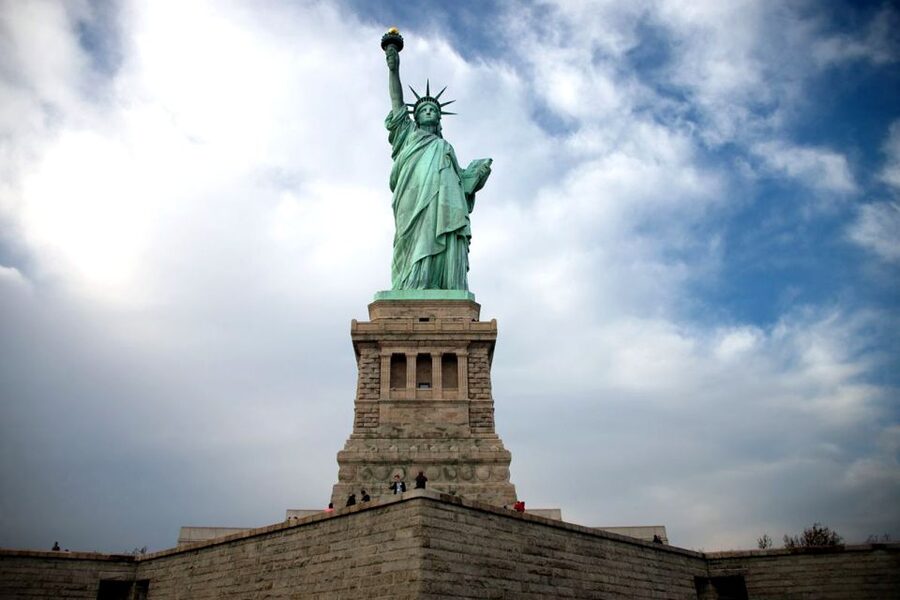
One of the main promises here is to explain what caused the 2008 Financial Crisis. You’ll build that story as the walk moves through the district—starting with how the financial system is structured, then moving into why it collapses when assumptions fail.
This is also where the guide’s style matters. You’re not just hearing “what happened.” You’re learning the logic behind the failure: how risk gets packaged, how confidence can spread too far, and how once the system starts breaking, it doesn’t break evenly. It breaks in a way that surprises people who thought everything was fine.
If you’ve ever wondered why a crisis can feel sudden even when warning signs existed, you’ll likely appreciate how the tour lays out the chain reaction. It makes the crisis feel explainable, not random.
GameStop, Robinhood, and crypto: finance headlines explained with context
Next comes the present-day part: the GameStop and Robinhood debacle and what cryptocurrency chatter has to do with broader market behavior.
This section is valuable because it treats trends as signals, not as magic. You’ll connect the emotional, retail-driven side of trading (the stories you see online) to the underlying market realities your guide has been building toward.
I like this because it reduces the “it happened for no reason” feeling. Even when the topics are chaotic, the tour keeps steering you back to the same central theme: markets are made of people making choices under constraints.
The oil shock lesson: how -$37 makes sense
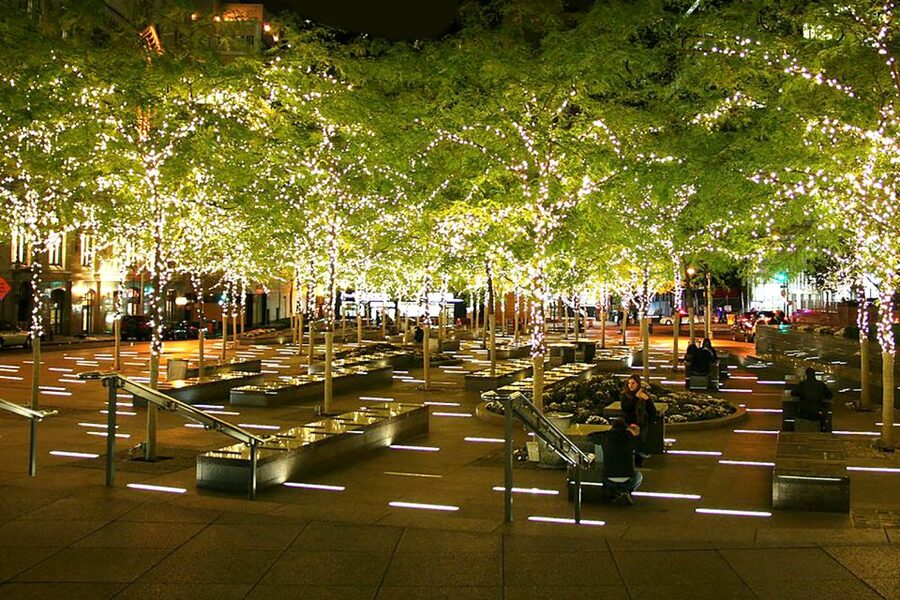
You’ll also cover the 2020 oil-price collapse, described as dropping from about $18 a barrel to -$37. And yes, the tour explains the weird part: oil producers were effectively paying people for the trouble of taking it.
This is one of those moments that makes finance click, because it’s counterintuitive. When supply and demand stop balancing normally, prices can reflect storage, capacity, and timing—not just product value. The guide frames it so you understand what had to go wrong for a negative price to happen at all.
If you remember just one “fact” from the tour, make it this one. It’s a strong example of why market mechanisms matter more than slogans.
Wall Street icons: NYSE exterior, Federal Hall, and the architecture you can read
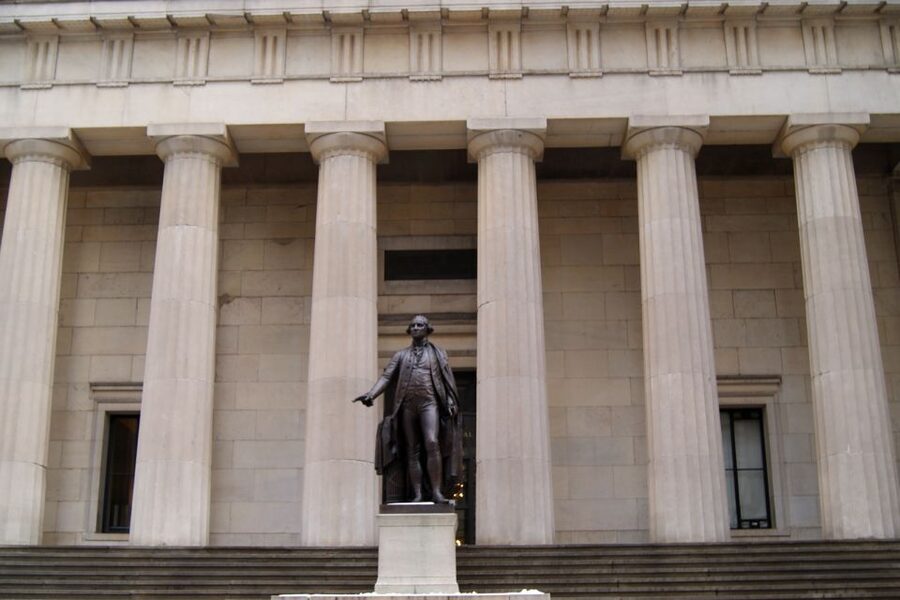
Now you’re moving into the heart of Wall Street, with a chunk of time there (about 20 minutes). This is where your guide ties the visuals of the district to how finance developed and why these buildings became symbols.
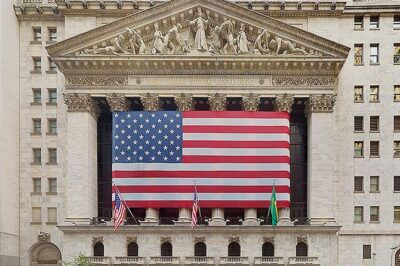
You’ll see the New York Stock Exchange from the outside (the tour does not go inside due to security). That matters for two reasons: you’ll focus on the street-level experience, and you won’t waste time waiting for an interior access you won’t get.
You’ll also encounter Federal Hall, which gives you a bridge between early American financial ideas and the Wall Street world that followed. And along the route, your guide points out architectural details and street layout choices that reflect the district’s power dynamics.
The overall effect: you start to “read” the neighborhood. It’s not only landmarks—it’s how those landmarks communicate status, authority, and trust.
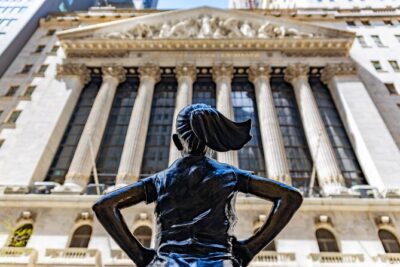
Fearless Girl and Charging Bull: symbols, not just selfies
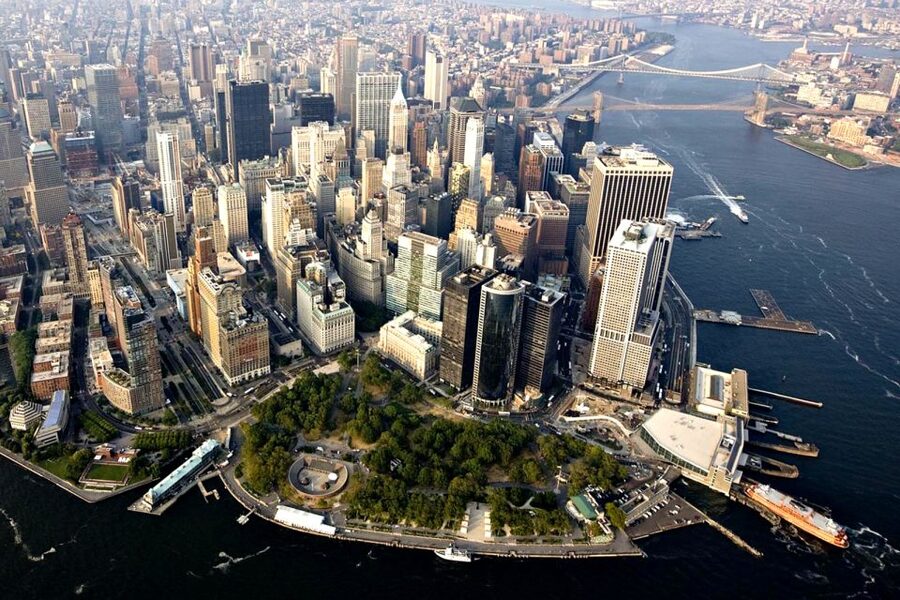
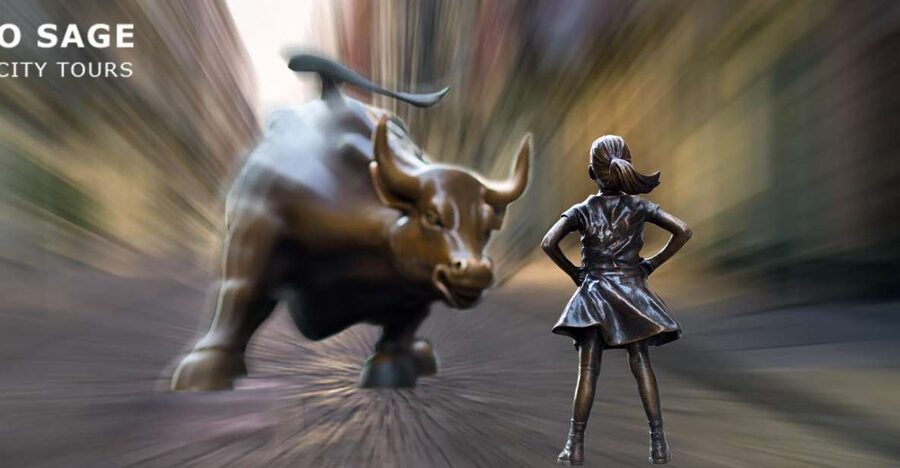
The tour ends with the famous faces of Wall Street. You’ll spend about 5 minutes at Fearless Girl and then about 15 minutes at Charging Bull.
What’s nice is that these stops aren’t treated like quick photo tasks only. Your guide’s explanations give the statues meaning, so the pictures you take feel connected to something bigger than aesthetics. Fearless Girl in particular is easy to understand once you hear the story about what corporate symbolism is trying to do.
In several past groups, guides like Richard were praised for helping with photos—angles, backgrounds, and patience while you get the shot you actually want. So if you care about pictures, this tour tends to respect that.
Where it ends: Charging Bull and the National Museum of the American Indian
The tour’s finish point is listed as the National Museum of the American Indian, and the route notes it also ends at the Charging Bull area. In practice, plan for your last stretch to be right in the Wall Street/Civic Center orbit, with the walk continuing until you’re near that museum area.
Either way, you’re done after the big icons—then you can decide whether you want to linger for more skyline views or head toward your next plan.
How long is it, and who should book
This is a 2-hour guided walking tour. That length is perfect if you want real context without turning your day into an all-afternoon school session.
It works especially well if you:
- enjoy learning the “why” behind headlines
- want a guided introduction to Wall Street landmarks
- have teens or older kids who can handle basic finance vocabulary (children must be accompanied by an adult)
A couple of practical constraints to note:
- it’s wheelchair accessible
- unaccompanied minors aren’t allowed
- it’s not suitable for people over 95 years
If you dislike standing in busy places for photos, you might find the photo stops a little demanding. But if you can handle a steady walk and short waits, it should feel like a smart, efficient afternoon.
Should you book this Wall Street and Financial District walking tour?
I’d book it if you want Wall Street in a format that doesn’t talk down to you. For $34 and about two hours, you get a tight route plus explanations that connect major events—2008, GameStop/Robinhood, and the oil-price shock—to how markets actually work.
Skip it only if you’re expecting an inside tour of the NYSE or you mainly want passive sightseeing with zero financial discussion. Here, the point is the street-level lesson: how money moves, why it breaks, and what that means for what you see in the headlines.
If you go, wear good shoes, show up early at Dey Street, and come ready to ask questions. The guide style is built for interaction, and that’s when the tour turns from information into something you’ll remember.
FAQ
How long is the Wall Street and Financial District walking tour?
The tour lasts about 2 hours.
How much does the tour cost?
It costs $34 per person.
Where do I meet the guide?
Meet at the entrance to Starbucks Coffee on Dey Street between Broadway and Church Street.
Does the tour include entering the New York Stock Exchange?
No. Due to security, the tour does not go inside the New York Stock Exchange. You’ll be able to view it from the outside.
What major sights will I see?
You’ll see Wall Street, the NYSE exterior, Federal Hall, the Fearless Girl statue, and the Charging Bull statue, plus the Oculus Center early on.
How long is the stop at Oculus Center?
The Oculus Center visit is about 10 minutes.
How does the tour end?
The activity lists the finish at the National Museum of the American Indian, and the route notes that it ends at Charging Bull.
Is the tour wheelchair accessible?
Yes, it is wheelchair accessible.
Are unaccompanied minors allowed?
No. Unaccompanied minors are not allowed, and children must be accompanied by an adult.
What should I bring?
Wear comfortable shoes, since it’s a walking tour.
More Tour Reviews in New York City
- NYC: SUMMIT One Vanderbilt Tickets★ 4.7 · 51,195 reviews
- NYC: Empire State Building Tickets – Observatory & Museum★ 4.7 · 25,757 reviews
- New York City: Statue of Liberty & Ellis Island with Ferry★ 4.6 · 18,683 reviews
- New York City: American Museum of Natural History Ticket★ 4.5 · 15,447 reviews
- Statue of Liberty and Ellis Island Tour: All Options★ 5.0 · 13,571 reviews
New York City, One Block at a Time
- SoHo, Little Italy, and Chinatown Walking Tour in New York★ 5.0 · 3,153 reviews
- Secrets of Grand Central Station Walking Tour New York City★ 5.0 · 1,796 reviews
- Greenwich Village Walking and Food Tasting Tour★ 5.0 · 1,572 reviews
- Artistic, Alternative Greenwich Village Walking Tour★ 5.0 · 971 reviews
- Brooklyn Bridge & DUMBO Neighborhood Tour – from Manhattan to Brooklyn★ 5.0 · 826 reviews
Where Wall Street Was Built
- NYC City Tour: Statue of Liberty, 9/11 Memorial, Wall Street★ 4.5 · 2,059 reviews
- Wall Street Insider Tour with a Finance Professional★ 4.5 · 660 reviews
- Wall Street Insider Tour with a Finance Professional★ 4.5 · 571 reviews
- Manhattan Group Tour Including Wall Street and 911 Memorial★ 5.0 · 408 reviews
- Private New York Tour: Footsteps of Alexander Hamilton★ 5.0 · 402 reviews
Just in: the newest New York City reviews on our desk


Wall Street & Financial District Tours, compared.
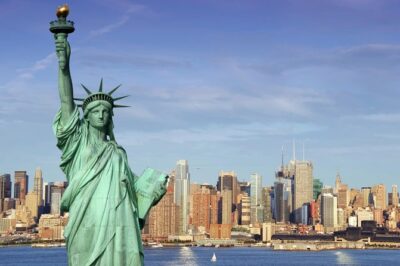 ★ 4.5NYC City Tour: Statue of Liberty, 9/11 Memorial, Wall StreetFrom $392,059 reviews
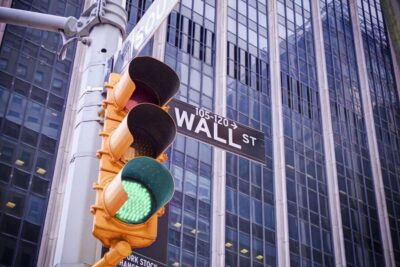 ★ 4.5Wall Street Insider Tour with a Finance ProfessionalFrom $39660 reviews
★ 4.5Wall Street Insider Tour with a Finance ProfessionalFrom $39571 reviews
★ 4.5Wall Street Insider Tour with a Finance ProfessionalFrom $39660 reviews
★ 4.5Wall Street Insider Tour with a Finance ProfessionalFrom $39571 reviews
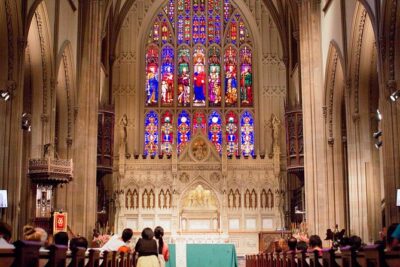 ★ 5.0Manhattan Group Tour Including Wall Street and 911 MemorialFrom $39408 reviews
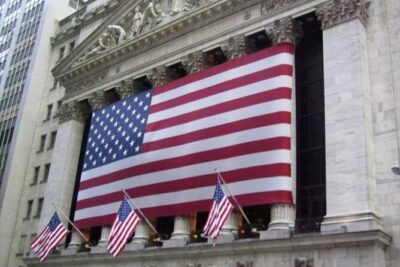 ★ 5.0Private New York Tour: Footsteps of Alexander HamiltonFrom $60402 reviews
 ★ 4.6Wall Street Tour with 9/11 Memorial and Statue FerryFrom $39367 reviews
 ★ 5.0How Money Was Made Wall Street Walking TourFrom $49185 reviews
 ★ 5.0Wall Street and Financial District Walking TourFrom $34116 reviews
Browse the lists this tour appears in