
Reviewed · SOHO, CHINATOWN & LITTLE ITALY TOURS
Wall Street to Chinatown: Dumplings & Taro bites walking tour
Brass and dumplings in one long walk. This Wall Street to Chinatown route mixes famous Financial District landmarks with two Chinatown food stops, all paced by a guide who helps you see more than you’d catch on your own.
I love the small-group size (10 max)—you actually get to ask questions and keep up without feeling like you’re lost in a crowd. I also really like that the tour isn’t just sightseeing; you get both taro munchkins from Ali Mama and dumplings at Tasty Dumpling as part of the experience.
The main drawback to plan for: it’s a walking tour with short stops (around 15 minutes each). If you prefer slow museum-style time or long sit-down meals, you might feel a bit rushed.
In This Review
- Key highlights to know before you go
- Wall Street to Chinatown: what this 3-hour walk is really good for
- Charging Bull and Trinity Church: the start that sets your mood
- New York Stock Exchange and Federal Hall: money and democracy in one stretch
- Federal Reserve and St. Paul’s Chapel: the serious side (with a human story)
- Brooklyn Bridge on foot: how to get the view without overthinking it
- Columbus Park and Chinatown: Five Points stories you can actually connect
- Ali Mama taro munchkins and Tasty Dumpling: snacks that make the walk worth it
- Small group pacing: what you’ll feel during the walk
- Price and value: does $119 make sense for this route?
- Guide energy: why names like Robert and Muhammad come up
- Who should book this tour, and who might want a different plan
- Should you book the Wall Street to Chinatown dumplings walk?
- FAQ
- How long is the Wall Street to Chinatown walking tour?
- What’s included in the tour price?
- Does the tour include food, or do I need to buy snacks?
- Where does the tour start and where does it end?
- How big is the group?
- Do I need a printed ticket?
- What language is the tour in?
- Are the main sights along the route free to visit?
- Is the tour near public transportation?
- What’s the cancellation policy?
Key highlights to know before you go
- 10-person maximum keeps the pace friendly and the group easy to manage
- Two Chinatown tastings are included: Ali Mama taro munchkins and Tasty Dumpling dumplings
- Only about 3 hours on the clock, so you’ll cover a lot without a full-day commitment
- All the big Wall Street landmarks are free at the stops listed on the route
- Multiple time slots help you match the walk to your NYC schedule
- A guide-led route means you get the stories and the order that make Lower Manhattan click
Keep tasting downtown: SoHo, Chinatown and Little Italy
- SoHo, Little Italy, and Chinatown Walking Tour in New York
★ 5.0 · 3,153 reviews - NYC: Chinatown & Little Italy Food Tour with 7 Flavorful Tastings
★ 5.0 · 2,733 reviews - Original NYC Guided Food Tour of Chinatown and Little Italy
★ 5.0 · 2,194 reviews - NYC Food Tour: Chinatown and Little Italy
★ 5.0 · 1,090 reviews
Wall Street to Chinatown: what this 3-hour walk is really good for
This is the kind of New York tour that helps you connect the dots. One part is all about power symbols and big-name buildings—bronze, marble, columns, and history tied to finance. The other part turns the corner into Chinatown street life, where the landmarks are smaller but the stories are personal.
The big value is how the route is built for flow. You start at Bowling Green, where the Financial District energy is obvious even if you’re not a numbers person. Then you head through the cluster of Wall Street icons—church, stock exchange, government sites—before you reach the Chinatown block where the food becomes the payoff.
And yes, it’s English-language guided, with a mobile ticket you’ll use for check-in.
Charging Bull and Trinity Church: the start that sets your mood
You begin near Charging Bull in Bowling Green Park. It’s impossible to miss: the 11-foot bronze bull, created in 1989 by Arturo Di Modica, and a magnet for photos. The horns get rubbed for good luck—so if you see shiny spots, that’s why. Even if you’ve seen the bull in pictures, seeing it in real scale makes it feel less like a symbol and more like a landmark.
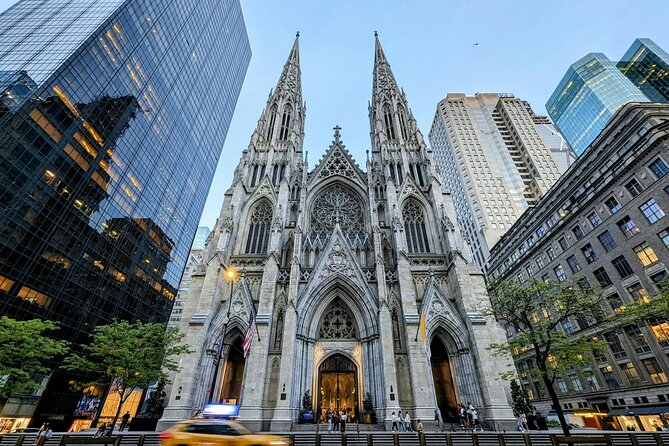
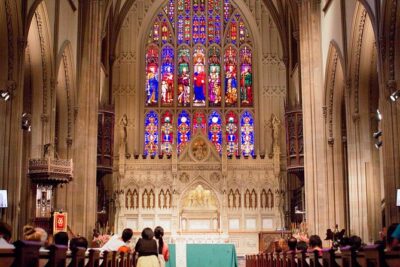
From there, you move to Trinity Church Wall Street at the intersection of Wall Street and Broadway. This is where the mood changes. The church is Gothic Revival, completed in 1846, with stained glass and a soaring spire. It also has a historic cemetery where notable figures—including Alexander Hamilton—are buried.
One thing I like about starting here: it gives you a pause before the finance-heavy stops. You’re in one of the oldest landmarks around, and it feels like a breath of quiet inside the fast-moving neighborhood.
New York Stock Exchange and Federal Hall: money and democracy in one stretch
Next up is the New York Stock Exchange at 11 Wall Street. The building’s facade is all about presence—Corinthian columns and the pediment sculpture titled Integrity Protecting the Works of Man. It’s the kind of place where the architecture does part of the explaining. You can’t help but look up at it.
Then you walk to Federal Hall at 26 Wall Street. This is a big contrast—instead of market power, you get American political beginnings. George Washington took the oath of office here in 1789, and today the building is a National Memorial with exhibits about the birth of American democracy and the U.S. government.
A practical note: each of these stops is brief, about 15 minutes. That means you’re not getting a full museum plan at every location. You are getting orientation: what you’re seeing, why it matters, and what to notice quickly while the moment is there.
More history where the money moves
Federal Reserve and St. Paul’s Chapel: the serious side (with a human story)
The tour continues to the Federal Reserve Bank of New York on Liberty Street. The building is famous for its fortress-like look, inspired by Italian Renaissance palaces. It’s also connected to the U.S. monetary system—one of the reasons this area draws so much attention from serious business travelers and curious visitors alike.
What you’ll likely appreciate is the guide’s ability to put the Federal Reserve into plain language. Even if you don’t want a lesson in monetary policy, the tour helps you understand why this institution sits at the center of the story.
After that comes St. Paul’s Chapel on Broadway, completed in 1766. It’s described as the oldest surviving church building in New York City, and it carries a special kind of weight tied to 9/11. The chapel is known as the Little Chapel That Stood, because it survived the collapse of the Twin Towers just blocks away.
This stop matters because it’s not just architecture. It’s about remembrance and service. You’ll get a calmer moment after all the heavy Financial District symbols, which makes the walk feel more balanced.
Brooklyn Bridge on foot: how to get the view without overthinking it
There’s a major visual change when the route hits the Brooklyn Bridge. Completed in 1883, it was the world’s first steel-wire suspension bridge. The Gothic-style towers and the sweeping cables are exactly what you’d hope for, and the skyline views from the bridge are the kind of payoff that makes you stop talking and just look.
Because your time on the bridge is part of the overall walking loop (not a long hike), treat it like a photo-and-stroll window. Wear comfortable shoes. Bring your phone, but also take a second to look over the railing and get your bearings—this bridge is one of those New York experiences that feels different every time you pass through it.
Columbus Park and Chinatown: Five Points stories you can actually connect
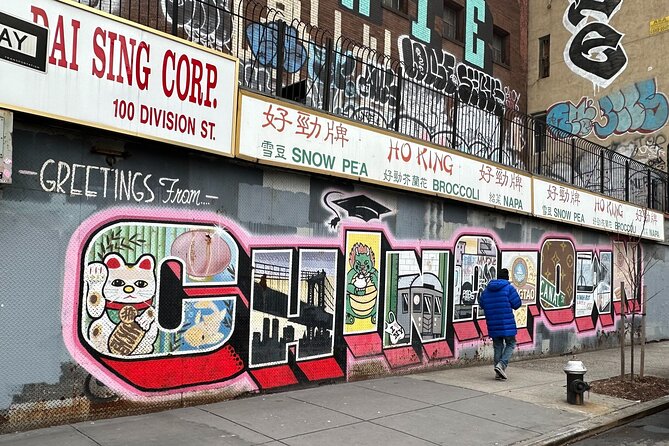
Once you reach Columbus Park, Chinatown starts to feel grounded in real daily life. The park is in Manhattan’s Chinatown area and sits on a former connection to the Five Points neighborhood. Today, it’s a place where locals gather—things like mahjong and tai chi show up, and live music can be part of the scene.
Then you head into Chinatown, where the tour ties today’s streets to the past. Five Points was a notorious 19th-century slum with poverty, overcrowding, and intense immigrant energy. It was named for the five-way intersection of Anthony, Orange, and Cross Streets—modern-day Worth, Baxter, and Mosco Streets. The area was known for gang activity and tenement housing, but it also became a melting pot that shaped New York’s identity.
What makes this portion work is that you’re not stuck with dates and names. You’re walking through a living neighborhood. The guide’s job here is to help you notice what’s changed, what stayed, and why the neighborhood still carries the imprint of those earlier layers.
Ali Mama taro munchkins and Tasty Dumpling: snacks that make the walk worth it
This is where the tour becomes fun in a very practical way: you’re not just “doing” Chinatown—you’re tasting it.
At Ali Mama, the included treat is taro munchkins. These are bite-sized mochi donuts with a crispy outside and a creamy taro custard filling. The flavor described is rich and earthy with a slightly sweet finish. The best part, from a texture standpoint, is the mix: crispy shell, gooey center, and a filling that tastes unmistakably taro even if you don’t eat taro often.
Then you go to Tasty Dumpling, where you try dumplings with crispy golden bottoms and chewy wrappers. The filling options mentioned include classic pork and chive, plus veggie options. You’ll also get the idea of how Chinatown typically balances flavors—soy sauce or vinegar used to brighten the savory taste.
If you’re weighing whether $119 is worth it, the answer often depends on what you normally do in NYC. Two planned tastings plus a guided route through iconic Wall Street landmarks can be good value if you would otherwise spend time and money piecing together food stops and getting lost between them.
Small group pacing: what you’ll feel during the walk
This tour caps at 10 travelers, and that matters more than you might think. With a small group, the guide can point things out quickly, check that everyone stayed together, and answer questions without the tour turning into a long line shuffle.
You’ll also have choice in schedule because the experience offers time slots. That’s helpful if you want to build your day around weather, energy, or another reservation you already have.
Expect a steady walking flow from the Financial District down into Chinatown. You’ll see plenty of exterior landmarks, with each stop around 15 minutes. That’s ideal for first-timers who want key sights without turning Lower Manhattan into a full-day project.
Price and value: does $119 make sense for this route?
At $119 per person, this isn’t a bargain-basement food walk. It costs more than doing Chinatown on your own. But you’re paying for two things that add up:
- A guided route across Wall Street’s “cluster” of landmarks, so you’re not just seeing famous buildings—you’re learning what to notice at each one.
- Two included tastings: taro munchkins and dumplings. Those aren’t tiny “taste tester” crumbs; they’re a real snack break that anchors the Chinatown portion.
So if your goal is a mix of history + iconic NYC sights + a couple of real food moments, the price can feel fair. If your goal is only dumplings, you’ll probably spend less doing Chinatown independently.
Guide energy: why names like Robert and Muhammad come up
In the feedback tied to this experience, guides named Robert and Muhammad get called out for being friendly, funny, and well-prepared. That kind of guide style matters on a route like this, because Lower Manhattan can be overwhelming if you don’t have a simple story to hold onto.
If you get a guide with that personality, the tour turns from “look at buildings” into “understand why these places matter,” which is the whole point of paying for a guided walk.
Who should book this tour, and who might want a different plan
This works best for:
- First-time NYC visitors who want Wall Street highlights without a museum marathon
- People who like city walking tours that mix viewpoints with food
- Anyone who wants a Chinatown experience that includes context, not just shopping and hunger
You might skip this if:
- You hate walking for hours with frequent stop-and-go pauses
- You want long time inside major sites (this is mostly exterior landmark viewing plus guided explanation)
- You’re only in NYC for a very short window and need maximum time in a single neighborhood
Should you book the Wall Street to Chinatown dumplings walk?
I’d book it if you want a smart, time-efficient Lower Manhattan day: recognizable Wall Street landmarks, a quick Brooklyn Bridge view moment, and two included Chinatown bites that feel like a real reward.
I’d think twice if you’re picky about pacing. This tour is built around short stops and walking flow, so your comfort depends on being able to move comfortably and enjoy “see it, learn it, snack it, keep going” instead of lingering.
If that style sounds like you, this one is a solid way to connect Wall Street’s power story to Chinatown’s food story in just a few hours.
FAQ
How long is the Wall Street to Chinatown walking tour?
It lasts about 3 hours.
What’s included in the tour price?
A small-group guided experience plus tastings of taro munchkins at Ali Mama and dumplings at Tasty Dumpling.
Does the tour include food, or do I need to buy snacks?
Food is included: taro munchkins and dumplings are part of the tour.
Where does the tour start and where does it end?
It starts near Bowling Green (listed meeting point: Bowling GreenPX3P+XG, New York, NY 10004) and ends in Chinatown.
How big is the group?
The maximum group size is 10 people.
Do I need a printed ticket?
No. It uses a mobile ticket.
What language is the tour in?
The tour is offered in English.
Are the main sights along the route free to visit?
The stops listed on the route show free admission.
Is the tour near public transportation?
Yes, it’s near public transportation.
What’s the cancellation policy?
You can cancel up to 24 hours in advance for a full refund. Changes made less than 24 hours before start time aren’t accepted, and within 24 hours there’s no refund.
New York City, One Block at a Time
- SoHo, Little Italy, and Chinatown Walking Tour in New York★ 5.0 · 3,153 reviews
- Secrets of Grand Central Station Walking Tour New York City★ 5.0 · 1,796 reviews
- Greenwich Village Walking and Food Tasting Tour★ 5.0 · 1,572 reviews
- Artistic, Alternative Greenwich Village Walking Tour★ 5.0 · 971 reviews
- Brooklyn Bridge & DUMBO Neighborhood Tour – from Manhattan to Brooklyn★ 5.0 · 826 reviews
Where Wall Street Was Built
- NYC City Tour: Statue of Liberty, 9/11 Memorial, Wall Street★ 4.5 · 2,059 reviews
- Wall Street Insider Tour with a Finance Professional★ 4.5 · 660 reviews
- Wall Street Insider Tour with a Finance Professional★ 4.5 · 571 reviews
- Manhattan Group Tour Including Wall Street and 911 Memorial★ 5.0 · 408 reviews
- Private New York Tour: Footsteps of Alexander Hamilton★ 5.0 · 402 reviews
Downtown Bites: SoHo to Little Italy
- SoHo, Little Italy, and Chinatown Walking Tour in New York★ 5.0 · 3,153 reviews
- NYC: Chinatown & Little Italy Food Tour with 7 Flavorful Tastings★ 5.0 · 2,733 reviews
- Original NYC Guided Food Tour of Chinatown and Little Italy★ 5.0 · 2,194 reviews
- NYC Food Tour: Chinatown and Little Italy★ 5.0 · 1,090 reviews
- NYC: Chinatown and Little Italy Food Tour★ 4.7 · 703 reviews
Just in: the newest New York City reviews on our desk


SoHo, Chinatown & Little Italy Tours, compared.
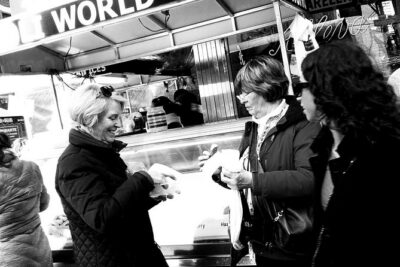 ★ 5.0SoHo, Little Italy, and Chinatown Walking Tour in New YorkFrom $393,153 reviews
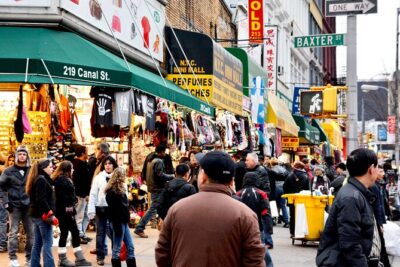 ★ 5.0Chinatown & Little Italy Food Tour with 7 Flavorful TastingsFrom $992,733 reviews
 ★ 5.0Original NYC Guided Food Tour of Chinatown and Little ItalyFrom $1302,194 reviews
 ★ 4.7Chinatown and Little Italy Food TourFrom $80703 reviews
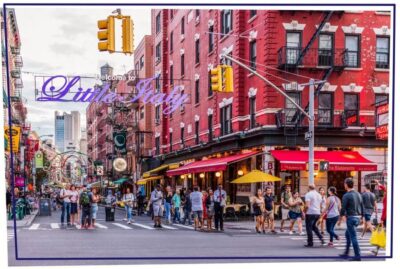 ★ 4.7SoHo, Little Italy, and Chinatown Guided TourFrom $30614 reviews
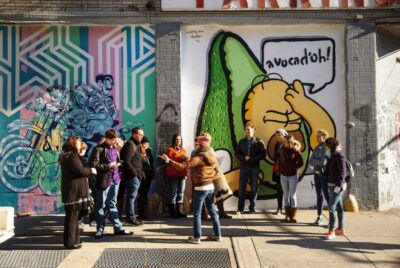 ★ 4.6SoHo, Little Italy, and Chinatown 2-Hour Guided WalkFrom $39566 reviews
 ★ 5.0SoHo, Little Italy, and Chinatown NYC Guided Walking TourFrom $36443 reviews
Browse the lists this tour appears in