
Reviewed · WALL STREET & FINANCIAL DISTRICT TOURS
How Money Was Made: Wall Street Walking Tour
Wall Street is more than money. It’s power, policy, and people—told on foot. This 2-hour walking tour connects the financial and political roots of Wall Street, from early trading influences to crises triggered by stock market crashes.
I really like how the story mixes big forces (markets, growth, politics) with human details—visionaries, women pioneers, and even forgotten enslaved laborers. I also like the way you’re guided through the area so you can see Wall Street’s architecture and iconic landmarks without needing to plan each stop yourself.
One drawback to consider: the format is fast-paced and packed with history. If you prefer slow wandering and lots of downtime, you may feel rushed.
In This Review
- Key highlights worth your time
- Meeting Point: Museum of the American Indian to Start with Context
- What You’ll Learn: The Money Story Behind the Money
- From Native American origins of trade to European merchant influence
- How the American financial system took shape
- Wall Street’s Crashes and Political Consequences
- The crash effect: not just prices, but people
- Why politics belongs in a Wall Street tour
- Architecture and Landmarks: Seeing Lower Manhattan with New Eyes
- The Human Stories: Innovators, Women Pioneers, and Forgotten Labor
- Visionaries, innovators, and Robber Barons
- Women pioneers and the question of who got access
- Forgotten enslaved laborers: the uncomfortable part
- Lower Manhattan After 9/11: A City Reinventing Its Center
- Price and Pace: Is $49 Worth It?
- Who This Tour Suits (and Who Might Skip It)
- Practical Tips Before You Go
- Should You Book This Wall Street Walking Tour?
- FAQ
- Where is the meeting point?
- How much does the tour cost?
- How long is the walking tour?
- Is the tour offered in English?
- Is the tour wheelchair accessible?
- Does the tour run in bad weather?
- What’s included in the price?
- What should I bring?
- Is there a cancellation option?
Key highlights worth your time
- Pre-European trading roots to the American financial system, explained in plain language
- Stock market crash fallout, including how crises ripple through real lives
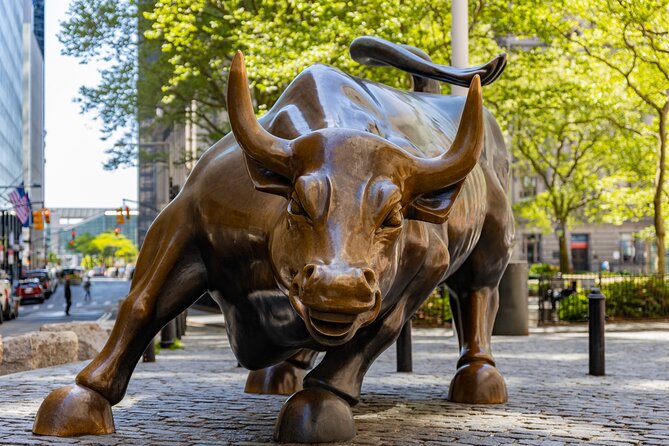
- Wall Street architecture and iconic landmarks, viewed as part of the story, not as background
- Human stories you don’t usually hear, including women pioneers and forgotten enslaved laborers
- Lower Manhattan’s rebirth after 9/11, tied to how the city moved forward
More history where the money moves
- NYC City Tour: Statue of Liberty, 9/11 Memorial, Wall Street
★ 4.5 · 2,059 reviews - Wall Street Insider Tour with a Finance Professional
★ 4.5 · 660 reviews - Wall Street Insider Tour with a Finance Professional
★ 4.5 · 571 reviews - Manhattan Group Tour Including Wall Street and 911 Memorial
★ 5.0 · 408 reviews
Meeting Point: Museum of the American Indian to Start with Context
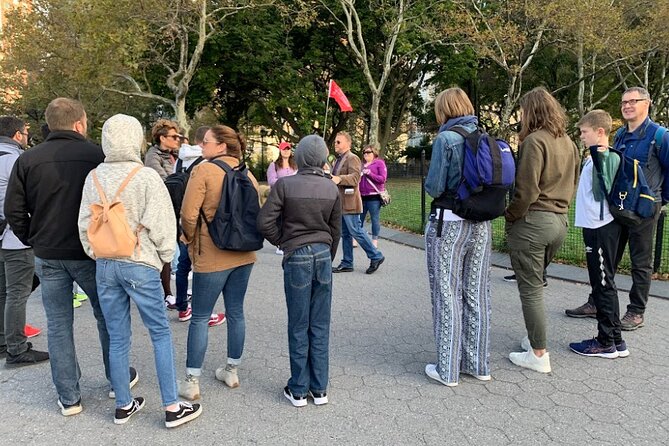
You’ll meet your guide in front of the Museum of the American Indian, holding a red Inside Out Tours flag. It’s a smart starting point because the tour doesn’t begin with the usual Wall Street talking points. Instead, it sets up the idea that the roots of trade and financial thinking in the Americas didn’t start in Manhattan.
The tour runs rain or shine, so plan on staying outside for the full 2 hours. The only clear “bring this” item is comfortable shoes, and I agree—this is the kind of walk where your legs do more work than your eyes.
If you want wheelchair accessibility, this tour is wheelchair accessible, which matters for a neighborhood like Lower Manhattan where sidewalks can vary.
What You’ll Learn: The Money Story Behind the Money
This is a walking tour with a clear thesis: Wall Street history is financial and political. The guide traces how economic ideas evolved across continents and then got concentrated into the systems you hear about today.
From Native American origins of trade to European merchant influence
The opening thread is early trading in the Americas, including Native American origins of trading. Then the story moves to the influence of European merchants and how those shifts helped shape what became the American financial system.
This matters for you because it stops the “Wall Street = born in New York” myth. You get a bigger frame for how trade networks, rules, and power structures develop over time.
New York City at street level, a few more walks


How the American financial system took shape
After the early influences, the tour zooms into the rise of the American financial system. You’ll hear about the visionaries and financial innovators credited with building parts of that world—while the tour also keeps an eye on who benefited, who was pushed aside, and how incentives encouraged aggressive growth.
That balance is useful: you’re not just learning names and dates. You’re learning why the system grew the way it did.
Wall Street’s Crashes and Political Consequences

A major theme is the financial crisis triggered by stock market crashes. This isn’t treated like a distant historical event. Instead, the tour connects crashes to the way society absorbs shocks—through policies, public reaction, and who ends up carrying the burden.
The crash effect: not just prices, but people
When a market drops, the story often gets told as if it’s only about investors. This tour keeps pulling the lens back to society: how aggressive economic growth impacted diverse populations, and how crisis conditions changed the political and financial mood of the time.
If you like history that connects cause and effect, you’ll appreciate how the guide turns the market story into something you can actually track as you walk.
Why politics belongs in a Wall Street tour
You’ll also get the political side of the financial roots of Wall Street. The takeaway for you: money moves through laws, institutions, and public decisions. Wall Street isn’t just a place where deals happen—it’s a pressure point between private finance and public power.
Architecture and Landmarks: Seeing Lower Manhattan with New Eyes
The tour spends time admiring New York’s architecture and exploring the heart of Wall Street so you can view major sites. Even when you’re not standing in front of a single famous monument (the tour keeps things broader), the route helps you notice how the built environment reflects economic power.
For example, as you move through the area, you’ll see how the physical design of business districts projects authority. It’s easier to understand why the financial world feels intimidating when you can connect the visuals to the story.
This part is also practical. You don’t need to plan a DIY route of landmarks. The guide handles the pacing and the sequence so you can focus on what you’re looking at and why it matters.
The Human Stories: Innovators, Women Pioneers, and Forgotten Labor
One of the most compelling parts of the tour is the emphasis on people—especially the ones left out of the usual Wall Street narrative.
Visionaries, innovators, and Robber Barons
You’ll meet the visionaries and financial innovators who helped shape Wall Street. The tour also includes Robber Barons, which is a useful framing. It signals that wealth-building often came with moral and social consequences, not just clever ideas.
Women pioneers and the question of who got access
Another strand covers women pioneers. That’s a big deal because women’s roles in finance and policy are often under-taught compared with the men whose names show up on buildings and in textbook summaries.
Forgotten enslaved laborers: the uncomfortable part
The tour also brings up forgotten enslaved laborers who helped shape the history of Wall Street. This is the kind of detail that changes how you read the whole story—because it forces the question: whose work funded growth, and whose suffering paid the hidden costs?
If you’re the type of traveler who wants your history tours to feel honest (not just celebratory), this is one of the strongest reasons to choose this experience.
Lower Manhattan After 9/11: A City Reinventing Its Center
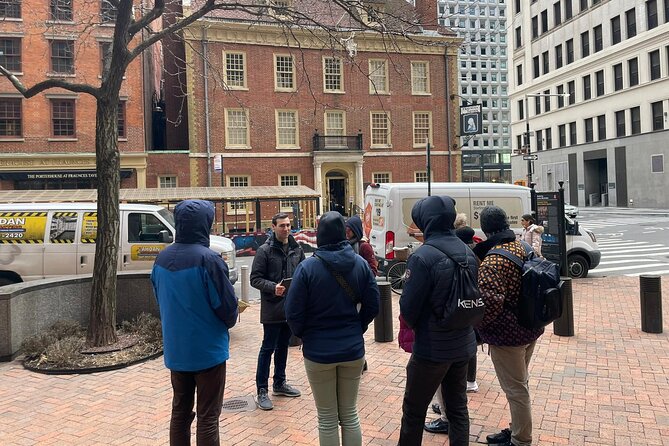
The tour doesn’t stop at 1800s financial history. It also looks at the rebirth of Lower Manhattan after the devastating events of 9/11.
This part matters because it shows Wall Street as part of the city’s identity, not just an economic engine. After disaster, places don’t just rebuild buildings—they rebuild meaning, routines, and trust.
You’ll walk through the emotional logic of that recovery as the guide connects the past to the present. Even if you already know some 9/11 history, the value here is how it’s tied back to the financial and political roots of the district.
Price and Pace: Is $49 Worth It?
At $49 per person for 2 hours, this tour sits in the “history that actually moves” category. You’re paying for an on-foot guide who packs a lot of narrative into a short window.
Here’s where value comes from for you:
- You get a guided explanation that ties finance, politics, social impact, and architecture together.
- You don’t spend your time piecing together a route and researching stops.
- The focus on human stories adds depth beyond a typical Wall Street sightseeing loop.
Now the tradeoff: the pace is jam-packed. One praised aspect was how fast-moving and history-heavy it feels. That’s great if you love momentum. It’s not so great if you want long pauses, lots of detours, or a slow “take it all in” stroll.
Also, there’s at least one negative sentiment tied to price value. You’ll want to decide what you personally expect from a $49, 2-hour walking tour: if you want a lot of content per minute, you’ll likely feel satisfied. If you expect a lighter touch, you might feel it’s too dense.
Who This Tour Suits (and Who Might Skip It)
This is a good fit if you:
- want financial history connected to politics and social impact, not just markets
- like architecture and landmarks explained as part of a larger story
- enjoy tours that cover uncomfortable facts, including exploitation and overlooked labor
You might think twice if you:
- hate fast-paced tours and prefer extra time at each viewpoint
- want a primarily sightseeing experience with minimal history density
- plan to take lots of photos without moving quickly (the tour’s structure can keep you moving)
If you’re traveling with a mix of interests—history, economics, and New York design—this one tends to work because it hits multiple angles in a single route.
Practical Tips Before You Go
- Wear comfortable shoes. You’ll be on your feet for the full 2 hours.
- Expect to walk rain or shine, so dress for weather you can handle outside.
- Go in with the right mindset: this is a story-driven tour where the guide’s job is to keep the timeline moving.
If you’re sensitive to heavy topics, you should know the tour includes slavery-related history and the social costs of growth. It’s presented as part of the broader Wall Street story, not as a side note.
Should You Book This Wall Street Walking Tour?
If you want a Wall Street experience that explains how money, policy, and power connect—and you’re okay with a brisk, packed 2 hours—this tour is a strong choice. I’d particularly recommend it for people who enjoy learning the “why” behind famous places, not just the “what.”
Skip it if you want slow sightseeing, lots of lingering time, or a lighter history load. The tour’s format is built for momentum, and it’s best when you’re ready for that.
In short: if you like your New York history sharp, interconnected, and human, booking is an easy yes.
FAQ
Where is the meeting point?
Meet the guide in front of the Museum of the American Indian. The guide will be holding up a Red, Inside Out Tours Flag.
How much does the tour cost?
The price is $49 per person.
How long is the walking tour?
The duration is 2 hours.
Is the tour offered in English?
Yes, the live tour guide speaks English.
Is the tour wheelchair accessible?
Yes, the tour is wheelchair accessible.
Does the tour run in bad weather?
Yes, the tour takes place rain or shine.
What’s included in the price?
A guide is included.
What should I bring?
Wear comfortable shoes.
Is there a cancellation option?
Yes. You can cancel up to 24 hours in advance for a full refund.
More Tour Reviews in New York City
- NYC: SUMMIT One Vanderbilt Tickets★ 4.7 · 51,195 reviews
- NYC: Empire State Building Tickets – Observatory & Museum★ 4.7 · 25,757 reviews
- New York City: Statue of Liberty & Ellis Island with Ferry★ 4.6 · 18,683 reviews
- New York City: American Museum of Natural History Ticket★ 4.5 · 15,447 reviews
- Statue of Liberty and Ellis Island Tour: All Options★ 5.0 · 13,571 reviews
New York City, One Block at a Time
- SoHo, Little Italy, and Chinatown Walking Tour in New York★ 5.0 · 3,153 reviews
- Secrets of Grand Central Station Walking Tour New York City★ 5.0 · 1,796 reviews
- Greenwich Village Walking and Food Tasting Tour★ 5.0 · 1,572 reviews
- Artistic, Alternative Greenwich Village Walking Tour★ 5.0 · 971 reviews
- Brooklyn Bridge & DUMBO Neighborhood Tour – from Manhattan to Brooklyn★ 5.0 · 826 reviews
Where Wall Street Was Built
- NYC City Tour: Statue of Liberty, 9/11 Memorial, Wall Street★ 4.5 · 2,059 reviews
- Wall Street Insider Tour with a Finance Professional★ 4.5 · 660 reviews
- Wall Street Insider Tour with a Finance Professional★ 4.5 · 571 reviews
- Manhattan Group Tour Including Wall Street and 911 Memorial★ 5.0 · 408 reviews
- Private New York Tour: Footsteps of Alexander Hamilton★ 5.0 · 402 reviews
Just in: the newest New York City reviews on our desk




Wall Street & Financial District Tours, compared.
 ★ 4.5NYC City Tour: Statue of Liberty, 9/11 Memorial, Wall StreetFrom $392,059 reviews
 ★ 4.5Wall Street Insider Tour with a Finance ProfessionalFrom $39660 reviews
★ 4.5Wall Street Insider Tour with a Finance ProfessionalFrom $39571 reviews
★ 4.5Wall Street Insider Tour with a Finance ProfessionalFrom $39660 reviews
★ 4.5Wall Street Insider Tour with a Finance ProfessionalFrom $39571 reviews
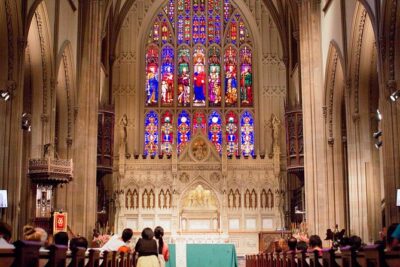 ★ 5.0Manhattan Group Tour Including Wall Street and 911 MemorialFrom $39408 reviews
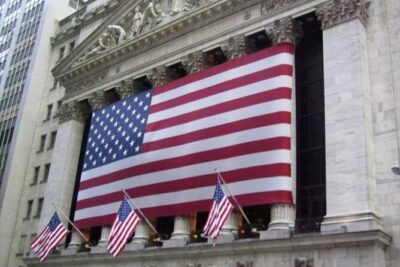 ★ 5.0Private New York Tour: Footsteps of Alexander HamiltonFrom $60402 reviews
 ★ 4.6Wall Street Tour with 9/11 Memorial and Statue FerryFrom $39367 reviews
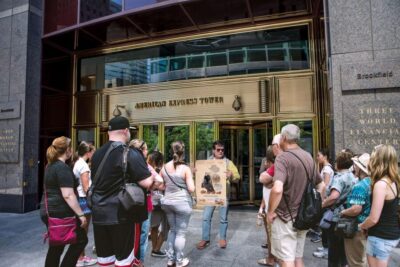 ★ 4.9Wall Street and Financial District Walking TourFrom $34284 reviews
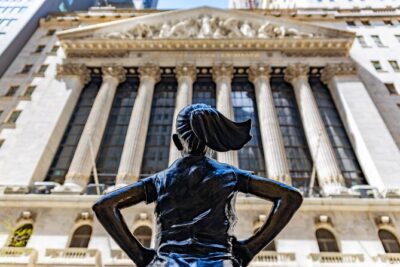 ★ 5.0How Money Was Made Wall Street Walking TourFrom $49185 reviews
Browse the lists this tour appears in