
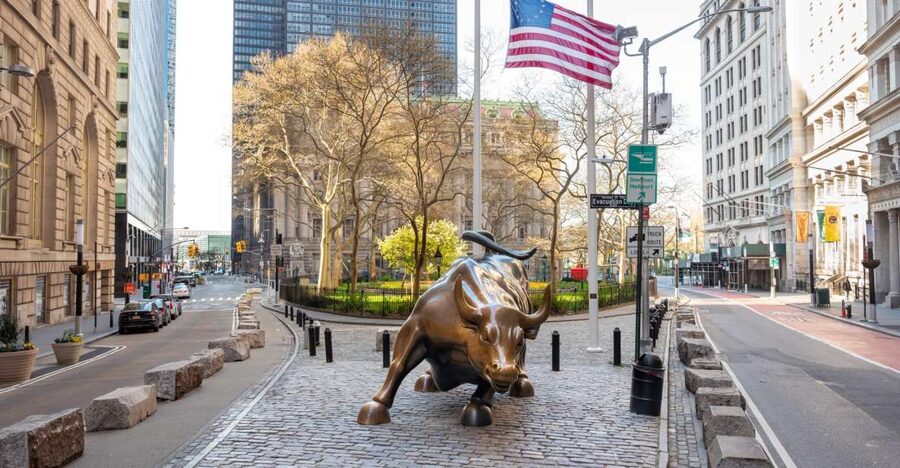
Reviewed · WALL STREET & FINANCIAL DISTRICT TOURS
Wall Street and Financial District Private Walking Tour
Money has a smell, and it’s right here. This private Wall Street and Financial District tour turns famous symbols into actual context: who runs the money, how markets react, and why events like 2008 still shape today’s decisions.
I especially like the way the guide connects Hollywood-style stories about trading to the real machinery on the street. Two things I’d pick as standouts are the stop-by-stop focus on major institutions (like the Federal Reserve Bank of New York and the New York Stock Exchange) and the mix of big events with practical explanations, including Occupy Wall Street and the financial crisis.
One consideration: this is a walking tour that moves through a dense area and packs a lot of meaning into a short 2 hours, so if you want long photo breaks and slow wandering, you may feel a bit rushed.
In This Review
- Key highlights you’ll actually care about
- Where Wall Street starts: Benjamin Franklin Statue to Real Money
- Federal Reserve Bank of New York: what “leadership role” means on the street
- 40 Wall Street and the Trump Building: architecture meets market perception
- House of Morgan: why four generations matters to the modern system
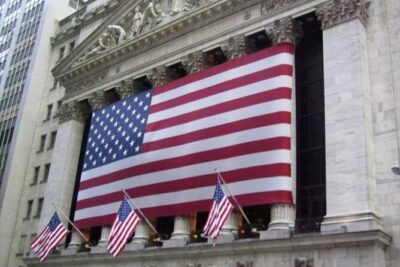
- New York Stock Exchange: the mecca of capitalism, explained without the hype
- Occupy Wall Street and 2008: making sense of market shock
- Fearless Girl and Charging Bull: iconic photos with meaning attached
- Stone Street: the oldest streetscape stop you’ll actually enjoy walking
- Pricing and value: is $192 per person worth it?
- The guide factor: language help and patient pacing matter
- Who should book this Wall Street private tour
- Before you go: how to get the most from your 2-hour walk
- Should you book the Wall Street and Financial District Private Walking Tour?
- FAQ
- Where do I meet the guide?
- How long is the tour?
- Is this tour private?
- What’s included in the tour?
- What languages are available?
- Is the tour wheelchair accessible?
- Can I cancel for a full refund?
- Can I reserve and pay later?
- What major places will we see?
- How are guide numbers handled for larger groups?
Key highlights you’ll actually care about

- A finance expert guide who can explain US money, banking, and markets in the language you choose
- Landmarks with backstory: Federal Reserve, 40 Wall Street, House of Morgan, NYSE, Fearless Girl, Charging Bull
- Real-world event context: Occupy Wall Street (2011) and the 2008 financial crisis, tied to how markets behave
- A smart private format where the pacing and questions can match your group
- A classic New York photo route that’s built around recognizable symbols, not random corners
More history where the money moves
- NYC City Tour: Statue of Liberty, 9/11 Memorial, Wall Street
★ 4.5 · 2,059 reviews - Wall Street Insider Tour with a Finance Professional
★ 4.5 · 660 reviews - Wall Street Insider Tour with a Finance Professional
★ 4.5 · 571 reviews - Manhattan Group Tour Including Wall Street and 911 Memorial
★ 5.0 · 408 reviews
Where Wall Street starts: Benjamin Franklin Statue to Real Money
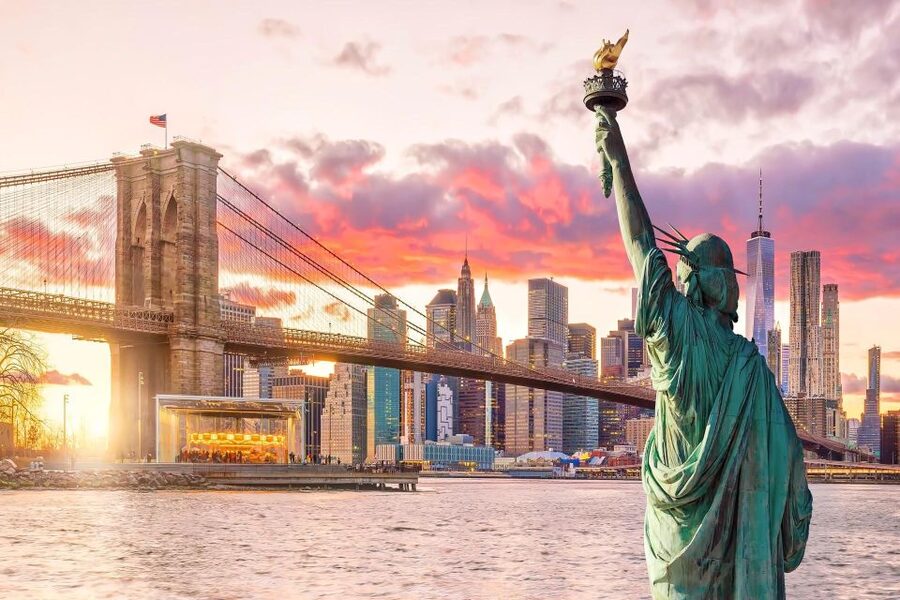
You meet at the Benjamin Franklin Statue, opposite Pace University, at One Pace Plaza. That location matters more than you might think. You’re right near the edge of the Financial District, so you start with the built-in “this is where decisions get made” feeling, rather than easing into it after a long commute.
From the first minutes, the tour is set up for clarity. You’re not just looking at buildings; you’re learning how the US financial system is supposed to work and how it sometimes doesn’t. In a place where the architecture looks like power and the signage looks like branding, the guide’s job is to translate what you’re seeing into something you can understand.
The walk is private, and that’s a real advantage here. You can ask direct questions, pause for photos, and keep the pace aligned with your comfort level. Since the tour lasts 2 hours, the guide typically keeps the flow tight and meaningful.
If you have mobility needs, note that the tour is listed as wheelchair accessible. Still, it’s Wall Street, so expect tight sidewalks and lots of pedestrian traffic around major stops.
Federal Reserve Bank of New York: what “leadership role” means on the street
One of the first big conceptual stops is the Federal Reserve Bank of New York. The guide frames it as a leader in monetary policy, financial supervision, and the payments system. Those three topics can sound abstract, but on this walk they’re anchored to the idea that money moves through systems you rarely see.
Here’s what I’d watch for: the guide’s explanations tend to connect the institution’s role to why market stress spreads. When the payments system and supervision are stressed, problems don’t stay neatly “in one place.” They propagate.
Even if you’re not an economics person, this stop helps you get your bearings. It turns the Federal Reserve from a name you’ve heard into a practical part of the financial plumbing.
One drawback worth noting: because it’s a walking tour in a high-security, high-activity zone, you won’t treat every stop like a museum interior. You’ll be learning from the outside and from what the guide points out along the route.
40 Wall Street and the Trump Building: architecture meets market perception
Next you’ll pass 40 Wall Street, also known as the Trump Building. It’s one of those addresses that looks like a symbol even before you get context. The guide uses it to talk about how big money locations can become cultural shorthand—think status, risk, confidence, and the way headlines shape perception.
This is a good moment for photo lovers too. You’ll be standing in a corridor where buildings aren’t just buildings; they’re part of the story people tell about capitalism, power, and money.
If you’re curious about how branding and reputation work in finance, this stop helps. Finance is full of trust signals. In the real world, those signals can affect behavior even before anyone touches a spreadsheet.
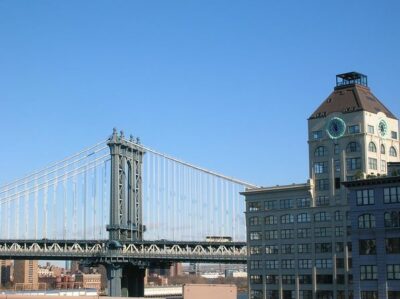
New York City at street level, a few more walks


House of Morgan: why four generations matters to the modern system
Then comes a more grounded story at the House of Morgan. You stop there to learn about the history of four generations of J.P. Morgan’s financial empire. That’s not just trivia. It’s a reminder that today’s institutions are built on long chains of influence.
Why this is valuable for you: the financial world loves to act like it’s new and constantly evolving, but many of its networks, practices, and power centers are inherited. Understanding that “family of ideas” makes headlines easier to decode.
This stop also helps you connect the dots between big names and what they actually represent. In Wall Street terms, a name is often a shorthand for capital, credibility, and reach.
Photo note: if you like street photography, this is a good area to frame buildings with signage in the background. The guide’s commentary helps you choose angles that match the story you’re hearing.
New York Stock Exchange: the mecca of capitalism, explained without the hype

The route leads you to the New York Stock Exchange, described as a mecca of capitalism. The useful part here isn’t the slogan. It’s what the guide brings to the conversation: what goes on behind closed doors and how major events shook global markets.
Even without stepping inside, you can still learn a lot. The guide tends to focus on the mechanisms behind market behavior—why panic and optimism can move prices, and how public sentiment can create real consequences.
If you’ve seen Wall Street-style movies, this stop is where the story stops being fantasy. You’re reminded that markets aren’t magic. They’re built from rules, systems, and human decisions under pressure.
Occupy Wall Street and 2008: making sense of market shock
A standout part of this walk is that it doesn’t treat financial history like a textbook. You hear details of Occupy Wall Street (including 2011) and the financial crisis of 2008, tied directly to how these events affected the markets.
This is where the tour becomes more than sightseeing. It gives you a mental timeline you can use later when you read news about risk, regulation, inequality debates, or the politics of bailout-era decisions.
Here’s the practical takeaway: when you understand what broke in 2008 and what people were demanding in Occupy, you start to recognize the same patterns when new crises roll through—different triggers, similar human reactions.
If you’re the kind of person who likes “why” more than “what,” this portion is your payoff.
Fearless Girl and Charging Bull: iconic photos with meaning attached
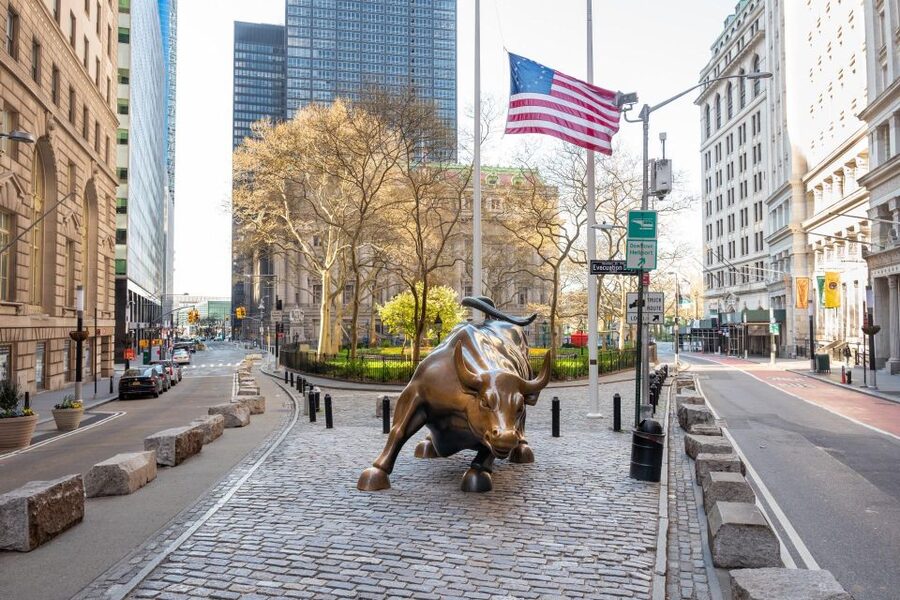
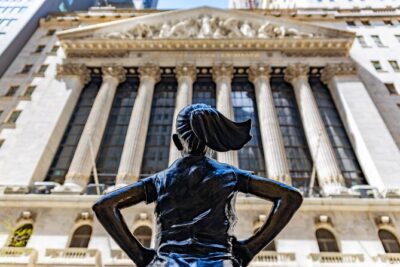
You’ll see the Fearless Girl statue and also take a photo in front of the Charging Bull, the big 3-ton bronze Wall Street symbol. These statues are famous for a reason, but the guide adds the missing layer: why they became symbols in the first place.
The Fearless Girl stop is especially helpful for understanding modern symbolism in finance. It’s not just about money; it’s about messaging—who gets perceived as powerful and who gets blamed.
Charging Bull is the opposite feeling: pure boldness. The guide’s commentary helps you see how those visual icons can influence public mood, even if you know markets are driven by numbers. People react to symbols faster than they react to balance sheets.
You should expect a photo moment here. Bring your phone with enough battery for a couple angles. The crowd can be busy, so a quick frame is often better than waiting too long for perfect lighting.
Stone Street: the oldest streetscape stop you’ll actually enjoy walking
After the Wall Street core, the tour continues down Stone Street, one of the oldest streets in NYC. This is a smart shift. It gives you a break from the high-power corporate feel and helps you remember the Financial District sits inside a real city, with street life and local history.
This part works well for two kinds of people. If you want a “how the area feels now” snapshot, Stone Street delivers. If you want a mental palate cleanser before the tour wraps up, it gives you that too.
Keep an eye out for the contrast: modern finance energy on one side, more lived-in older street vibes on the other. It helps your brain sort what’s symbol and what’s everyday New York.
Pricing and value: is $192 per person worth it?
At $192 per person for a 2-hour private walking tour, you’re paying for three things: access to a finance-focused guide, a private format, and concentrated time in a complex area.
If you were to do Wall Street on your own, you could absolutely see the big icons and buildings. But you’d miss the connective tissue: how the Federal Reserve’s roles matter, what the NYSE represents beyond a landmark, and how Occupy and 2008 connect to market behavior.
The value improves when you match the tour to your interests:
- You’ll get more out of it if you want explanations, not just photos.
- You’ll love it if you’re traveling with someone who asks lots of questions.
- It’s especially good if your group wants a slower, more comfortable pace than group bus tours.
For best value, treat it like a “Wall Street 101 with real street stops.” If you’re just chasing a checklist of famous sculptures, you might feel the price more than the learning.
The guide factor: language help and patient pacing matter
The guide is a finance expert who is fluent in the language of your choice. That’s a big deal in a topic like markets and banking, where a few words can change the meaning.
One name popped up in standout feedback: Ann. She was praised for kindness and patience, especially with an older couple who moved slowly. That’s not a guarantee for every tour, but it tells me this experience tends to handle different pacing needs with real attention.
Also, the tour is listed as private, which means your questions and pace can shape the walk. In practice, that’s often what turns an informational tour into a memorable one.
Who should book this Wall Street private tour
This tour is a strong fit if you:
- like understanding systems, not just seeing places
- want to connect Wall Street icons to events like Occupy and the 2008 crisis
- prefer a private experience over group crowd dynamics
- travel as a couple or small group and want space to ask questions
It’s less ideal if you:
- hate walking in a dense downtown area
- want a lot of indoor time or museum-style stops (this is built for the street)
- only care about quick photos with no interest in explanation
Before you go: how to get the most from your 2-hour walk
Bring comfortable walking shoes. Wall Street sidewalks can be packed, and the tour is short enough that you don’t want sore feet to steal your focus.
If finance topics feel intimidating, that’s fine. The guide’s job is to translate. I’d suggest you go with curiosity, not expectations of being a market expert by the end.
Also, since the meeting point is specific—Benjamin Franklin Statue opposite Pace University at One Pace Plaza—you’ll want to arrive a few minutes early to get your bearings quickly. Once you start, the story moves fast.
Should you book the Wall Street and Financial District Private Walking Tour?
Yes, if you want your Wall Street visit to feel like education with real street context. The biggest reason I’d book it is that the route ties famous institutions and symbols—Federal Reserve, NYSE, House of Morgan, Fearless Girl, Charging Bull—to events that shaped modern markets, including Occupy Wall Street and 2008.
If you’re mainly chasing a photo tour with minimal reading and minimal explanations, you might prefer something less structured. But if you like learning how the system works and why people protest, this is one of the more direct ways to get it.
FAQ
Where do I meet the guide?
You meet at the Benjamin Franklin Statue (opposite Pace University), One Pace Plaza, New York, NY 10038, United States.
How long is the tour?
The tour duration is 2 hours.
Is this tour private?
Yes, it’s a private group experience.
What’s included in the tour?
It includes a private walking tour of Wall Street and New York City’s Financial District, a finance expert guide (fluent in your chosen language), expert commentary, interesting facts and myths, and a private experience tailored to your needs and interests.
What languages are available?
The tour is available in English, French, Italian, German, and Spanish.
Is the tour wheelchair accessible?
Yes, it is listed as wheelchair accessible.
Can I cancel for a full refund?
Yes. You can cancel up to 24 hours in advance for a full refund.
Can I reserve and pay later?
Yes. You can reserve now and pay later.
What major places will we see?
You’ll pass by or visit key spots such as the Federal Reserve Bank of New York, 40 Wall Street (Trump Building), the House of Morgan, the New York Stock Exchange, Fearless Girl, the Charging Bull, and you’ll walk down Stone Street.
How are guide numbers handled for larger groups?
It’s designed to have 1 licensed guide per maximum of 25 guests. If the group is 26–50, 2 licensed guides are provided so everyone can ask questions and hear well.
More Tour Reviews in New York City
- NYC: SUMMIT One Vanderbilt Tickets★ 4.7 · 51,195 reviews
- NYC: Empire State Building Tickets – Observatory & Museum★ 4.7 · 25,757 reviews
- New York City: Statue of Liberty & Ellis Island with Ferry★ 4.6 · 18,683 reviews
- New York City: American Museum of Natural History Ticket★ 4.5 · 15,447 reviews
- Statue of Liberty and Ellis Island Tour: All Options★ 5.0 · 13,571 reviews
New York City, One Block at a Time
- SoHo, Little Italy, and Chinatown Walking Tour in New York★ 5.0 · 3,153 reviews
- Secrets of Grand Central Station Walking Tour New York City★ 5.0 · 1,796 reviews
- Greenwich Village Walking and Food Tasting Tour★ 5.0 · 1,572 reviews
- Artistic, Alternative Greenwich Village Walking Tour★ 5.0 · 971 reviews
- Brooklyn Bridge & DUMBO Neighborhood Tour – from Manhattan to Brooklyn★ 5.0 · 826 reviews
Where Wall Street Was Built
- NYC City Tour: Statue of Liberty, 9/11 Memorial, Wall Street★ 4.5 · 2,059 reviews
- Wall Street Insider Tour with a Finance Professional★ 4.5 · 660 reviews
- Wall Street Insider Tour with a Finance Professional★ 4.5 · 571 reviews
- Manhattan Group Tour Including Wall Street and 911 Memorial★ 5.0 · 408 reviews
- Private New York Tour: Footsteps of Alexander Hamilton★ 5.0 · 402 reviews
Just in: the newest New York City reviews on our desk



Wall Street & Financial District Tours, compared.
 ★ 4.5NYC City Tour: Statue of Liberty, 9/11 Memorial, Wall StreetFrom $392,059 reviews
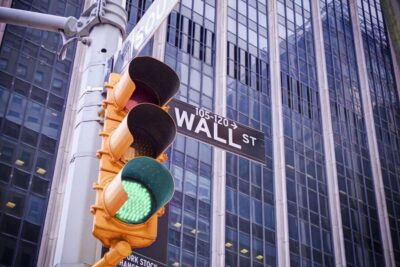 ★ 4.5Wall Street Insider Tour with a Finance ProfessionalFrom $39660 reviews
★ 4.5Wall Street Insider Tour with a Finance ProfessionalFrom $39571 reviews
★ 4.5Wall Street Insider Tour with a Finance ProfessionalFrom $39660 reviews
★ 4.5Wall Street Insider Tour with a Finance ProfessionalFrom $39571 reviews
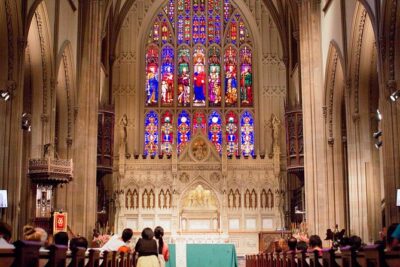 ★ 5.0Manhattan Group Tour Including Wall Street and 911 MemorialFrom $39408 reviews
 ★ 5.0Private New York Tour: Footsteps of Alexander HamiltonFrom $60402 reviews
 ★ 4.6Wall Street Tour with 9/11 Memorial and Statue FerryFrom $39367 reviews
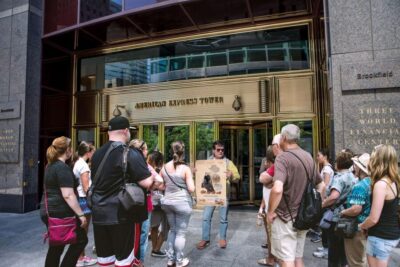 ★ 4.9Wall Street and Financial District Walking TourFrom $34284 reviews
 ★ 5.0How Money Was Made Wall Street Walking TourFrom $49185 reviews
Browse the lists this tour appears in